
Loading...
Loading...

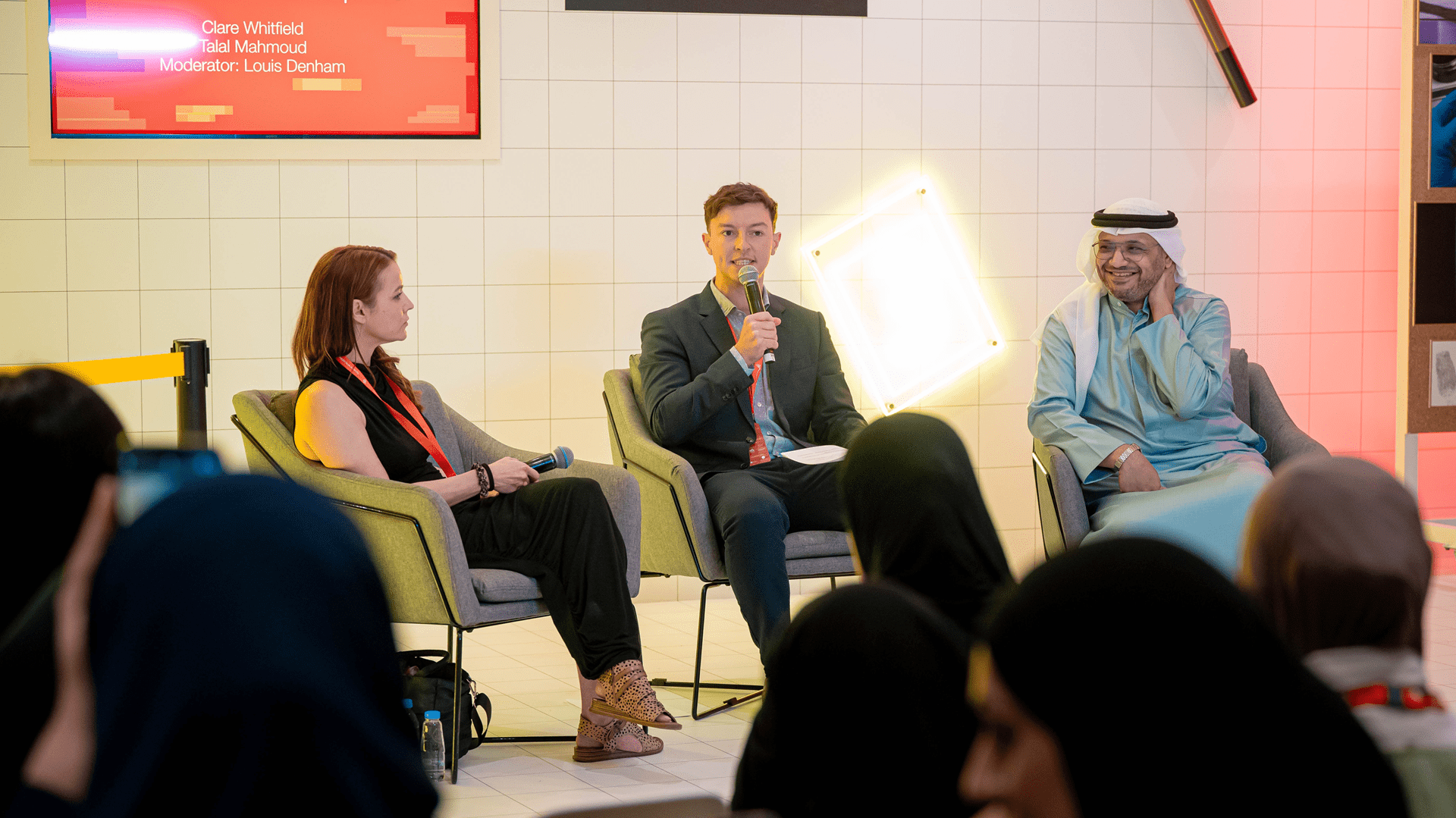
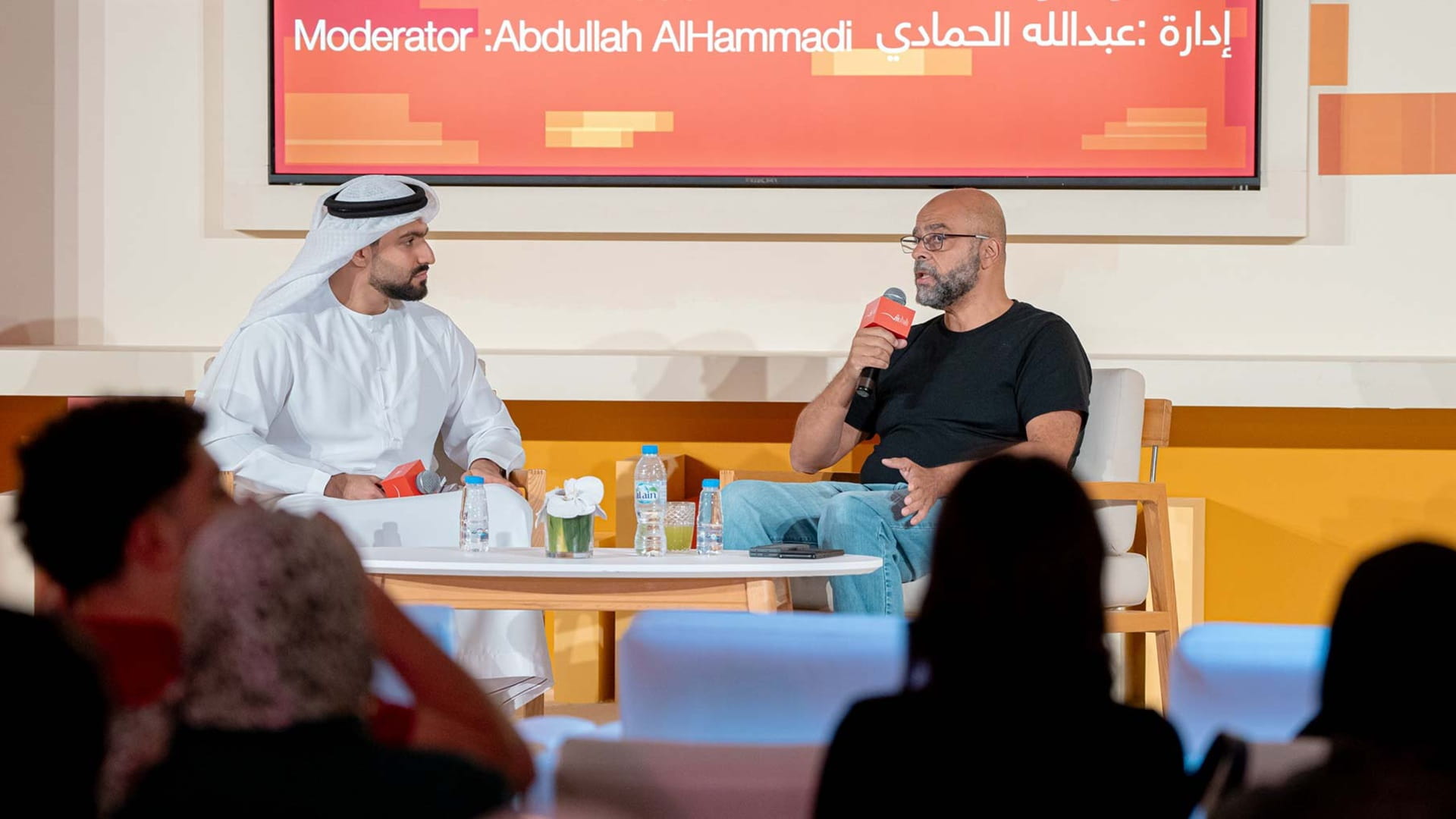
A powerful plot twist should not merely shock — it should move the reader, leaving an emotional imprint that feels both surprising and inevitable in hindsight. This was the shared belief of British novelist Clare Whitfield and Emirati writer and filmmaker Talal Mahmoud during their joint session, “The Unpredictable Factor: Twists, Reveals and Surprises!”, at the 44th Sharjah International Book Fair (SIBF 2025).
Moderated by radio presenter Louis Denham, the discussion examined how authors create unpredictability that connects with readers, providing a practical guide for aspiring writers and literature enthusiasts alike.
“Plot twists aren’t just surprises but nourishment for the mind and soul,” said Clare Whitfield, author of Poor Girls and People of Abandoned Character. “A twist works best when it provides an emotional payoff rather than merely an intellectual trick.”
Whitfield explained that good twists rely on subtle foreshadowing that allows readers to anticipate the upcoming shift in the story. “It’s about when the reader chooses to accelerate or slow down their reading pace — that’s when the emotional weight truly lands,” she added.
Speaking about her creative process, Whitfield mentioned that she accepts imperfection in early drafts, using revision to enhance emotional subtlety. “I’m my own worst critic,” she admitted. “Once a book is published, it no longer belongs to the author — it belongs to readers whose interpretations give it new meaning.”
For Talal Mahmoud, an accomplished scriptwriter and filmmaker, plot twists arise naturally from curiosity — a trait shared by both the storyteller and the audience. “Emotions connect us across cultures,” he said. “Readers remember how a story made them feel more than what it said.”
Reflecting on his journey, Mahmoud shared how his focus shifted from the excitement of seeing his books in stores to the deeper satisfaction of creating emotionally compelling work. “Now, I write to play with feelings and rhythm — to keep readers emotionally and mentally involved.”
Both authors agreed that flawed, complex, and emotionally layered characters make stories compelling and that authentic storytelling requires empathy — the ability to imagine another person's perspective. They also stressed that writing should remain joy-driven rather than competitive, ensuring that creativity flows naturally and readers stay engaged.

 For an optimal experience, please
rotate your device to portrait mode.