
Loading...
Loading...

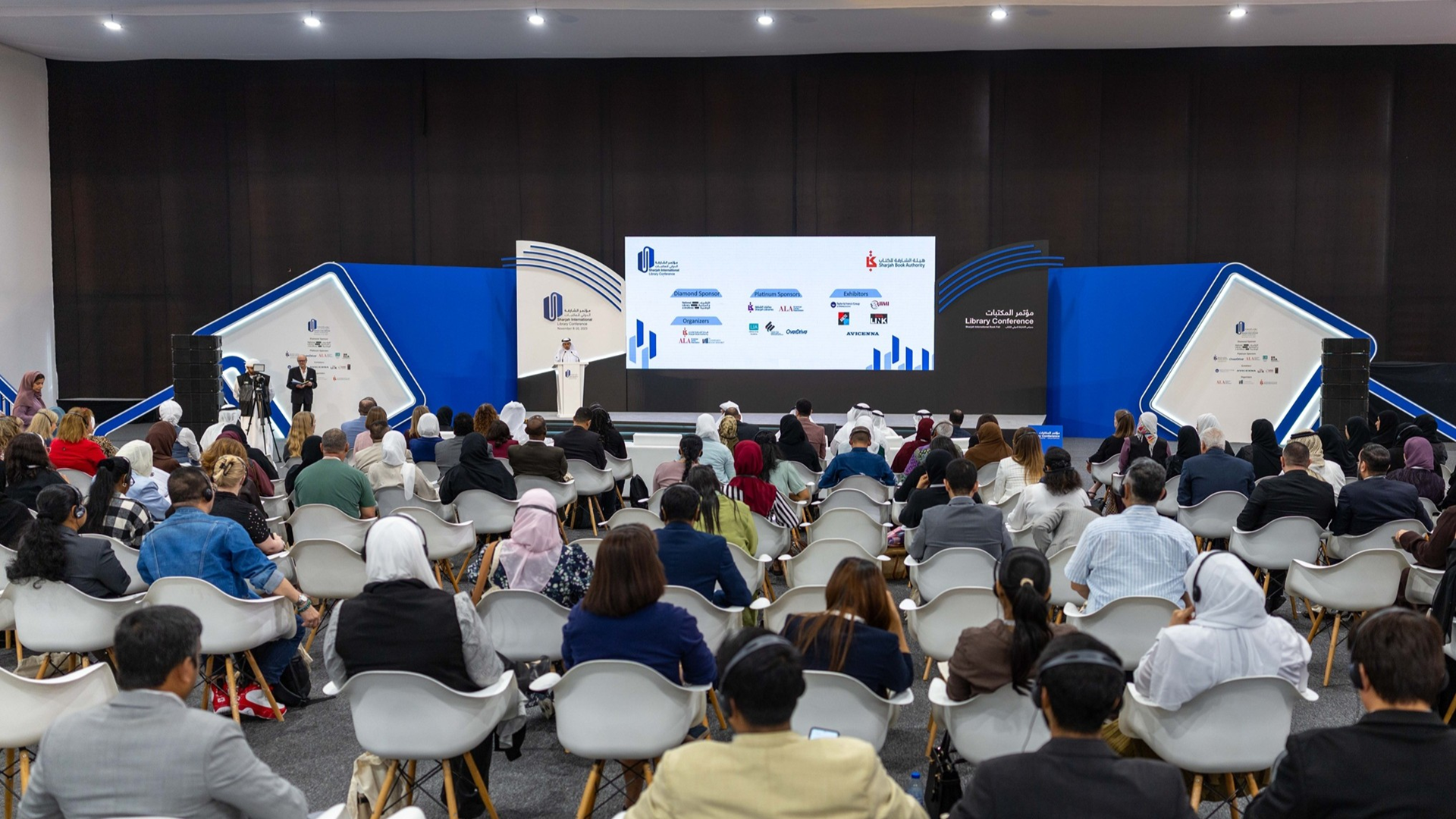
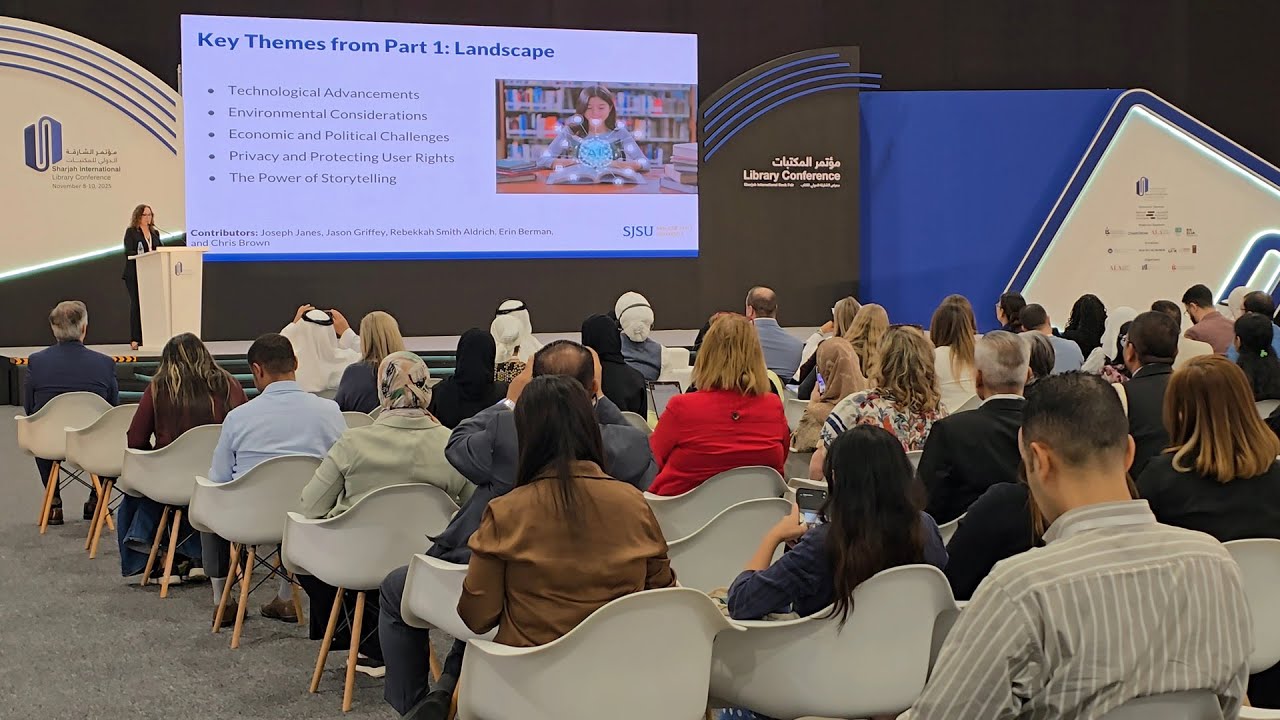
Bringing together over 400 library professionals, educators, and technology experts from 30 countries, the conference emphasised international collaboration and knowledge-sharing as vital drivers for the sustainable development of libraries in the digital age.
The final day featured engaging sessions and workshops on user relationship management, digital transformation, AI integration, reading culture, and emotional intelligence, alongside regional and international case studies demonstrating innovative approaches to library service development.
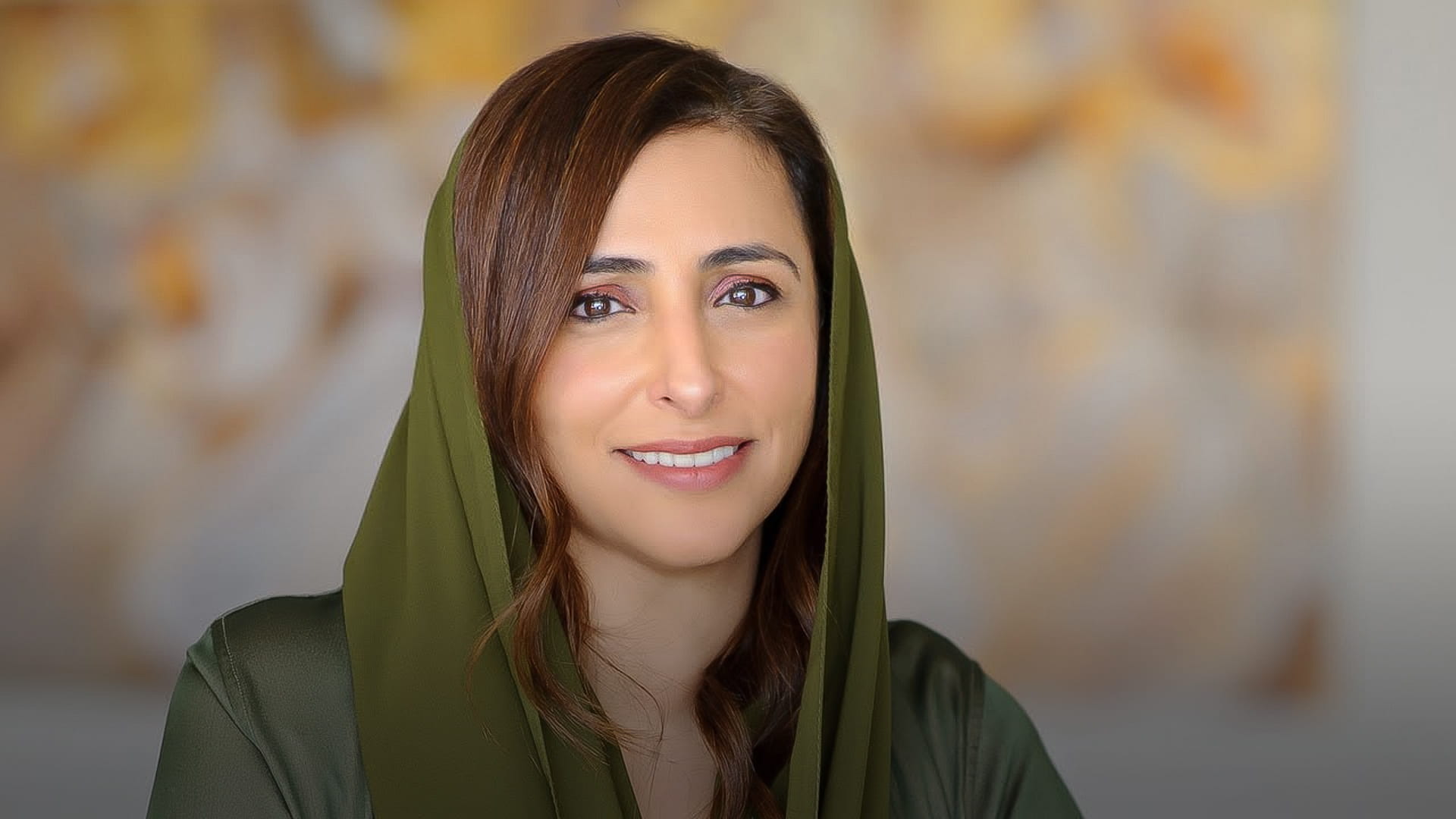
Commenting on the success of the 12th edition, Mansour Al Hassani, Director of Publishing Services at SBA, said, “Under the leadership of Her Highness Sheikha Bodour bint Sultan Al Qasimi, Chairperson of SBA, we believe global cooperation is key to advancing library development. It enables the exchange of knowledge and best practices, improving library services and strengthening their role in supporting individuals and communities.”
He stated that this year’s event reaffirmed the essential role libraries have in shaping human development and innovation. “Libraries are evolving into active spaces for learning and research, where librarians act as catalysts for discovery and empowerment.”
The day began with Dr Duha Hassan Alsereihy, Director General of Libraries at King Abdulaziz University, Saudi Arabia, leading a session titled “Creating a Good Customer Relations Culture in Your Library.” She promoted a shift from collection-focused activities towards user-centred strategies, incorporating modern technologies, management, and interpersonal engagement.
Dr Alsereihy introduced a five-pillar framework—covering institutional commitment, leadership, operations, services, and materials—highlighting the importance of sustainable partnerships and adapting to changing community needs.
In her presentation, “The High-Impact Digital Library: Innovative Approaches for Outreach and Instruction,” Rebekah Cummings, Director of Digital Matters at the University of Utah, demonstrated how the university’s digital library—containing over 4.5 million books—supports more than 38,000 students. She highlighted the Utah Digital Newspapers Project, which offers open access to over 9 million historical newspaper pages (1850–2023), showing how libraries can combine outreach and academic collaboration to broaden their impact.
Rebecca Miller Waltz, Associate Dean for Learning and Engagement at Penn State University Libraries, and Melissa Bowles-Terry, Professor and Science Librarian at the University of Nevada, Las Vegas, led an interactive session titled “Foundations of Lesson Planning: Learning Outcomes and Assessment.” They discussed how librarians can design learner-centred instruction, set measurable learning outcomes, and apply real-world assessment techniques to foster information literacy and critical thinking.
The session “New Resources for Librarians in Arabic from ELIA” featured Randa Chidiac from the American University in Dubai, Nabil Badran from Amity University Dubai, and Dr Emad Saleh from Helwan University, Cairo. They introduced the translation of five leading ALA publications into Arabic, marking a milestone in expanding professional resources available to librarians across the Middle East and North Africa.
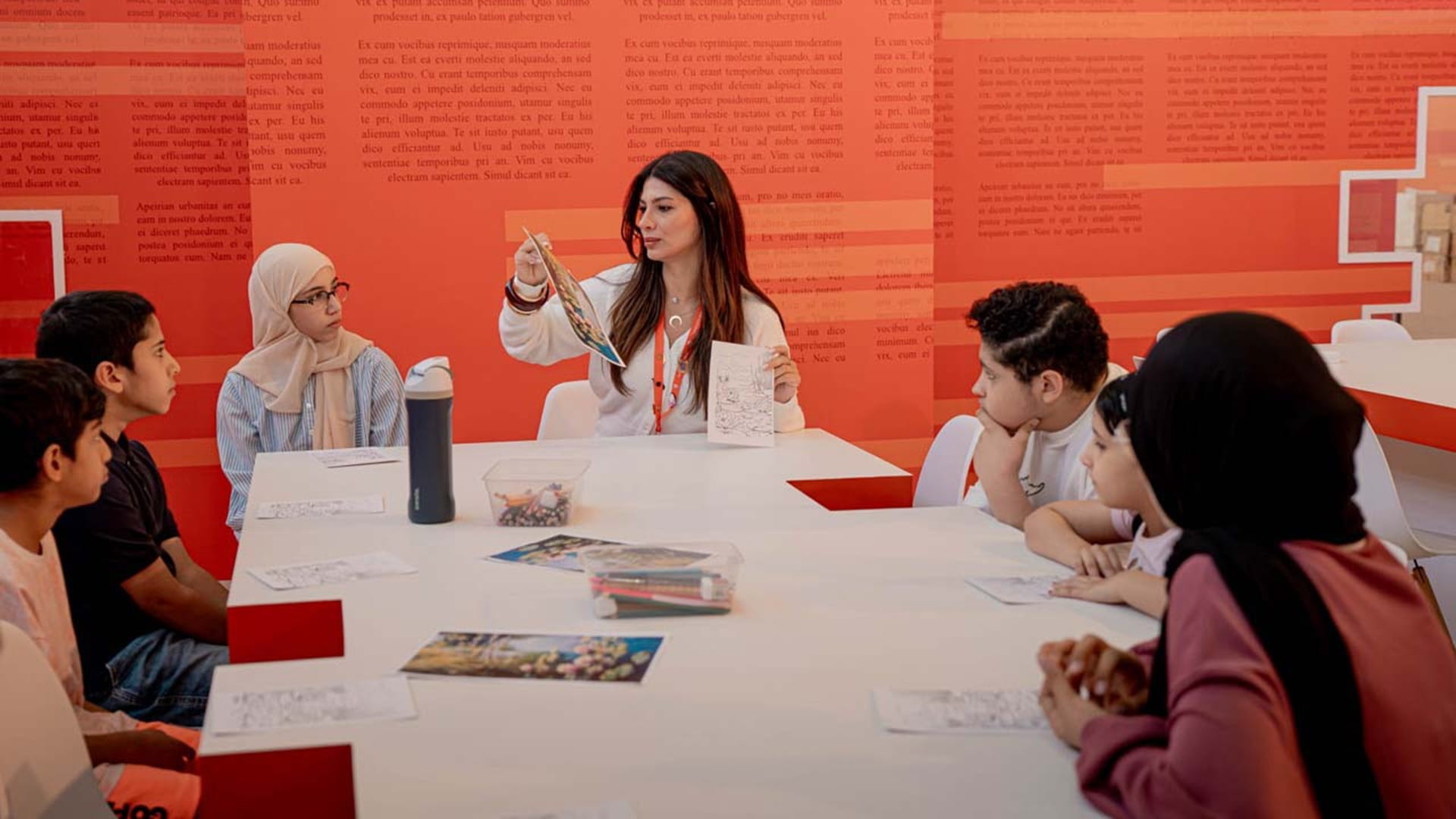
Workshops throughout the day highlighted the growing link between technology and human development in library science. Rania Osman from the Library of Alexandria led a session titled “Using AI to Improve Technical Services,” exploring how artificial intelligence can streamline cataloguing and enhance efficiency. Hanadi Tayfour from the Emirates Literature Foundation presented “Reading for Pleasure: Fostering a Lifelong Love for Reading in Children,” focusing on strategies to build lifelong reading habits from an early age. Wadhaa Ahmed, Digital Content Specialist at Gulf University for Science and Technology in Kuwait, examined the balance between emotional and artificial intelligence in “Balancing Minds and Machines: Libraries at the Crossroads of Artificial and Emotional Intelligence.” Concluding, Delandrus Seales, Teaching and Learning Librarian at the University of North Carolina, discussed practical AI applications in “Beyond the Buzz: Practical AI for Public, Academic, and School Libraries,” offering insights into integrating technology across library contexts.
In “Malaysian Public Libraries: Outreach and Engagement to Underserved Communities for Connection and Opportunity,” Shahzan Effendi bin Zakaria, Director of Kedah State Public Library, and Abdul Rahim Hussein, Director of Perlis State Public Library, shared inclusive outreach models that involve local communities in library programmes.
The conference concluded with a workshop led by Khadija Said Abdelalim Mohamed from Al Tarim American Private School, Sharjah, focusing on developing effective digital school libraries as essential parts of the modern learning ecosystem.

 For an optimal experience, please
rotate your device to portrait mode.