
Loading...
Loading...

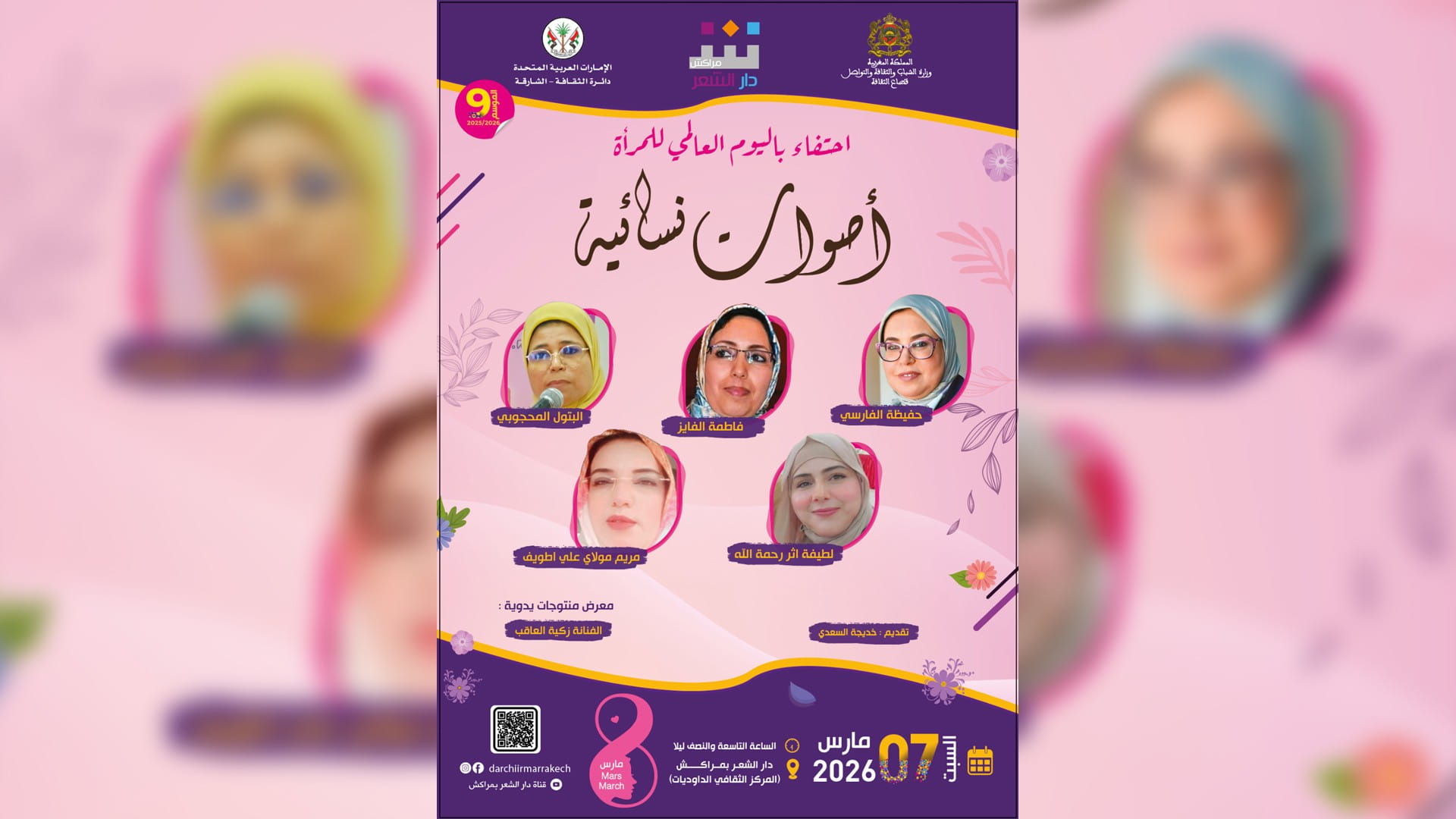
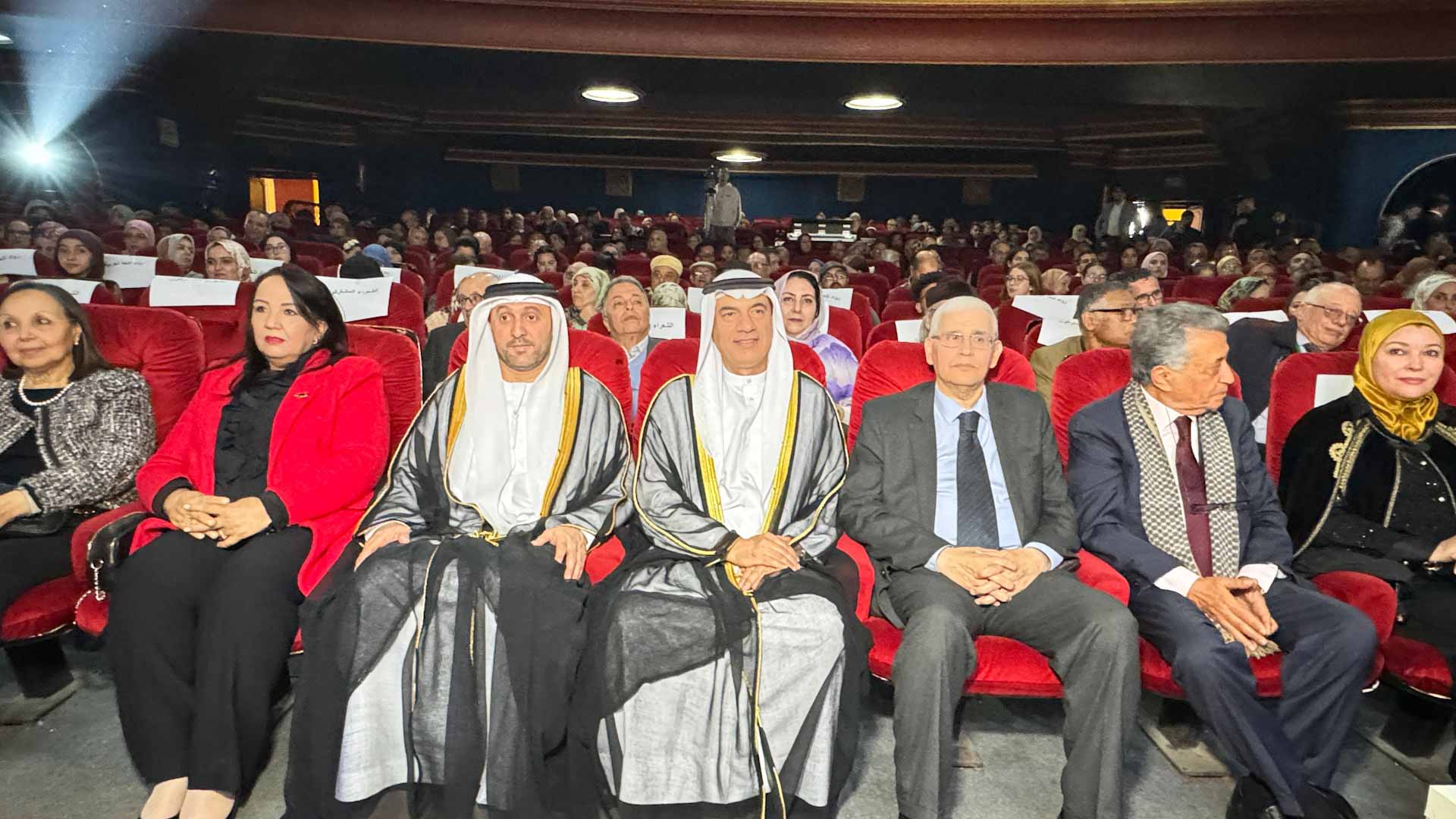
This poetic and artistic event will feature women poets and artists representing Morocco’s linguistic plurality and rich cultural diversity. Visual artist Zakia Al Aqeb will inaugurate the evening with an exhibition of artistic and heritage works, employing hand-embroidery techniques to reimagine and recreate artistic pieces.
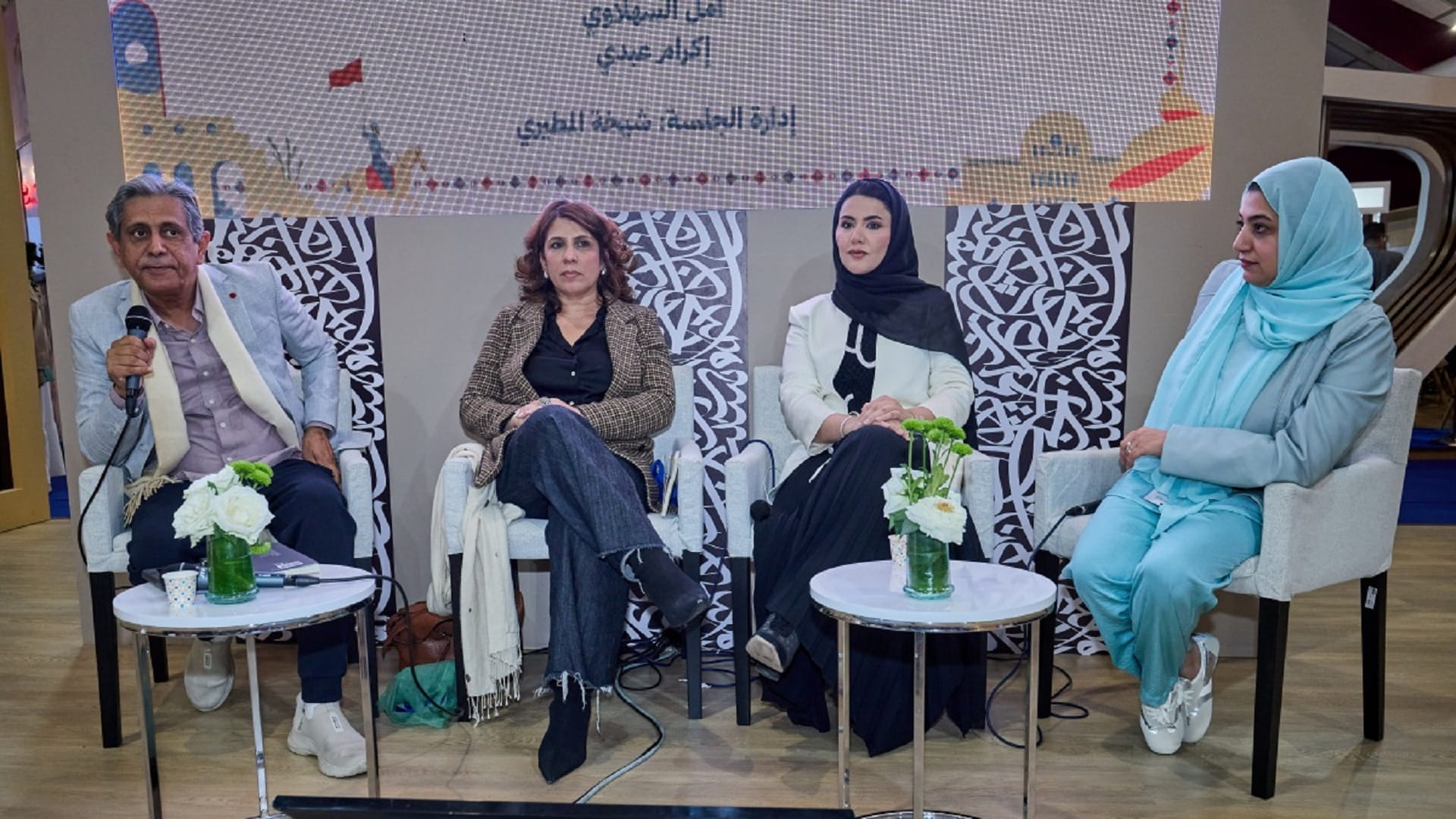
The programme continues with a poetry evening featuring poets Fatima El Fayez, Hafida El Farsi, Batoul Mahjoubi, Latifa Athar Rahmat Allah, and Mariam Atouif. The event will be presented by poet Khadija Saadi. The gathering comes as part of the house’s tribute to Moroccan women poets and the country’s vibrant cultural diversity, and forms part of the eighth edition of the Ramadan Poetry Nights programme — conceived as a meeting space and open literary salon for poetry enthusiasts and admirers of the beauty of language and the written word.
Poet and researcher Fatima El Fayez is among those honoured at the Moroccan Poetry Festival. She is an academic and creative writer, and a professor of higher education at the Faculty of Arts and Humanities at Ibnou Zohr University in Agadir. She is also a permanent member of the Laboratory of Studies and Research in Language, Literature, Culture and Identity at the faculty, and has published a number of studies and research papers on Amazigh heritage.
Poet and media professional Hafida El Farsi belongs to the contemporary Moroccan poetic movement and its evolving questions, seeking through her poetic experience to craft a distinctive rhetorical voice within the trajectory of modern poetry.
Hassani poet Mariam Atouif represents one of the emerging voices in Hassani poetic production in the Sahara. Originally from Assa, she continues to contribute to the growing body of written work, moving beyond an exclusively oral tradition.
Meanwhile, poets Batoul Mahjoubi and Latifa Athar Rahmat Allah devote themselves to a distinct creative mode through the composition of classical vertical poetry. Their work spans from Eastern Morocco to the Sous region, affirming the continued presence of this poetic form within contemporary Moroccan women’s poetry.

 For an optimal experience, please
rotate your device to portrait mode.