
Loading...
Loading...

A daily toll that shows no sign of easing
Between three and five children have been dying from the disease every day for the past week alone. Five children died on Wednesday — three of them in the capital, Dhaka — and a further five on Thursday. The figures paint a deeply troubling picture of a public health crisis that is moving faster than the response can contain it.
A vaccination drive, but time is short
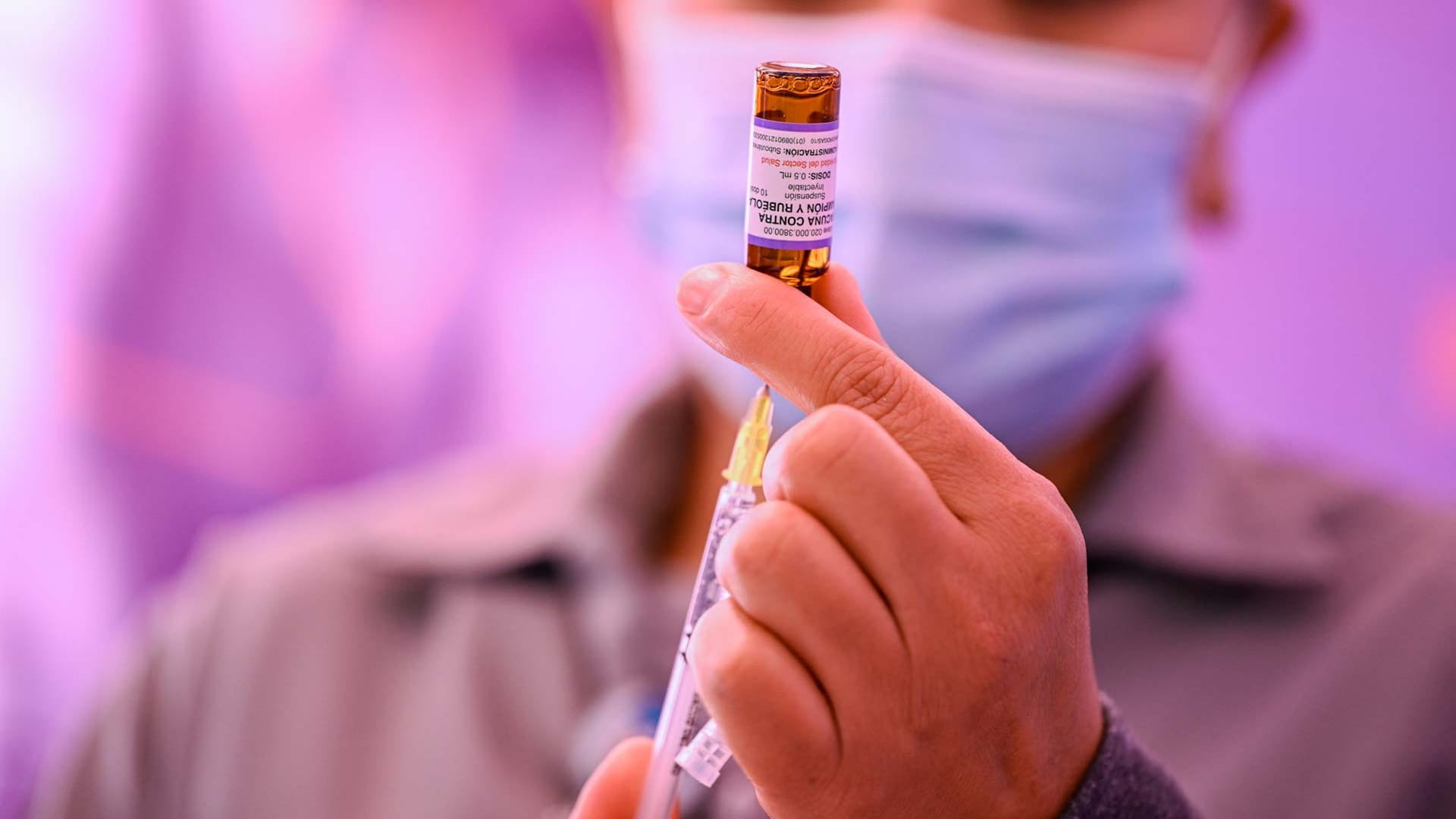
The government says it launched a nationwide vaccination programme on 15 March, when the outbreak was first declared and described as the worst measles crisis Bangladesh has seen in decades. Health department spokesman Zahid Raihan told AFP that the target is to vaccinate 18 million children. "So far, we have covered a little more than one-fourth of our target," he said, "and it may take another two weeks to see the impact of this vaccination programme."
A family's unbearable loss
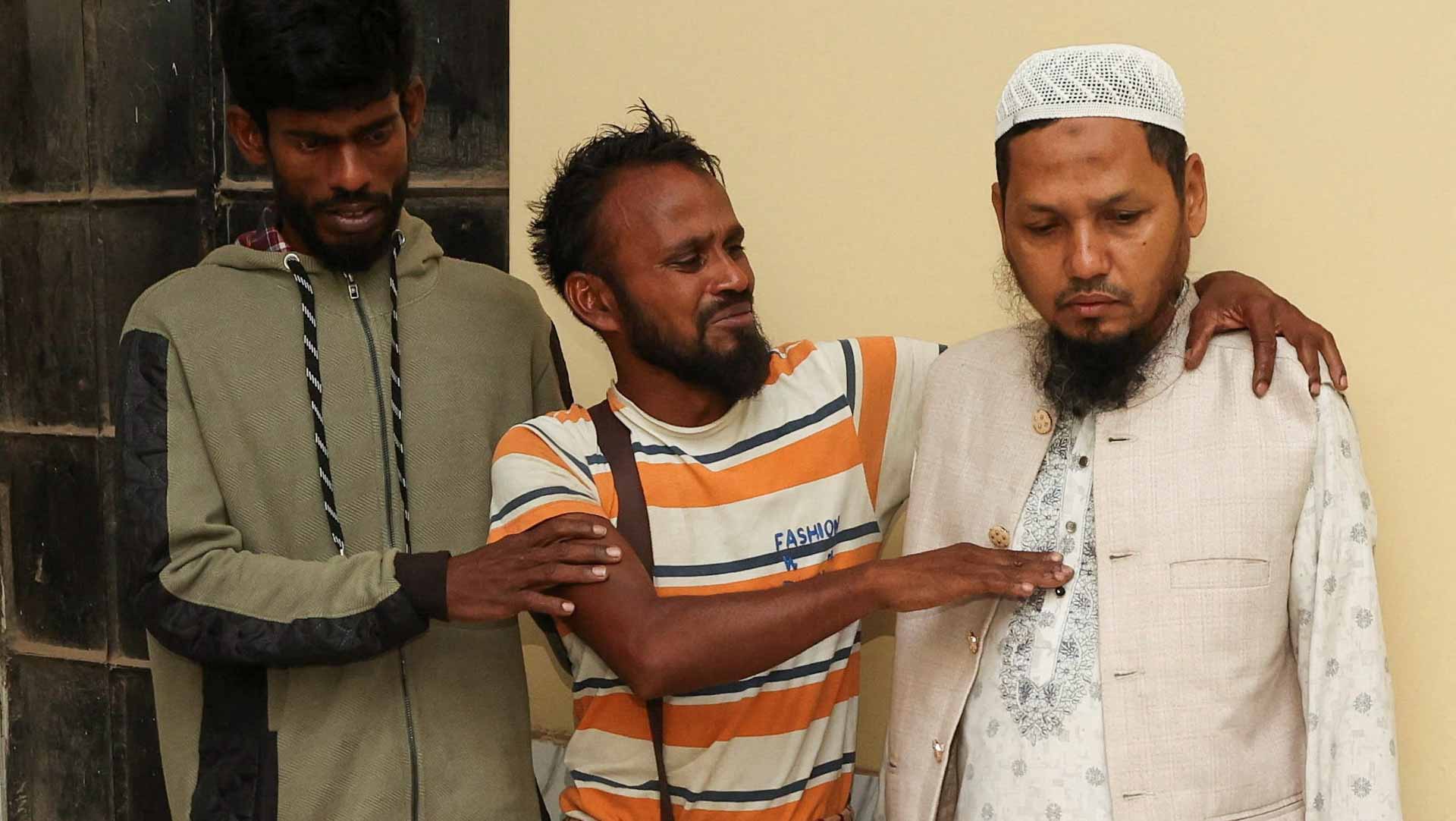
Behind every figure in the official count is a family shattered by grief. Md Sajib and Afsin Meem lost their three-year-old son – their only child – on Tuesday. A photograph of a relative carrying his small body along a road has since been widely shared across news sites, becoming an image that has left many in shock.
"After noticing a rash on our son's skin, we rushed him to the hospital," Sajib told AFP. Five days later, we returned with him dead. He had a high fever and breathing difficulties."
What measles does
Measles is among the most contagious diseases known to medicine, according to the World Health Organization. It spreads through coughs and sneezes, and, while it can affect people of any age, it is most dangerous in young children, where it can lead to serious complications, including brain swelling and severe respiratory failure.
Political blame and a delayed response
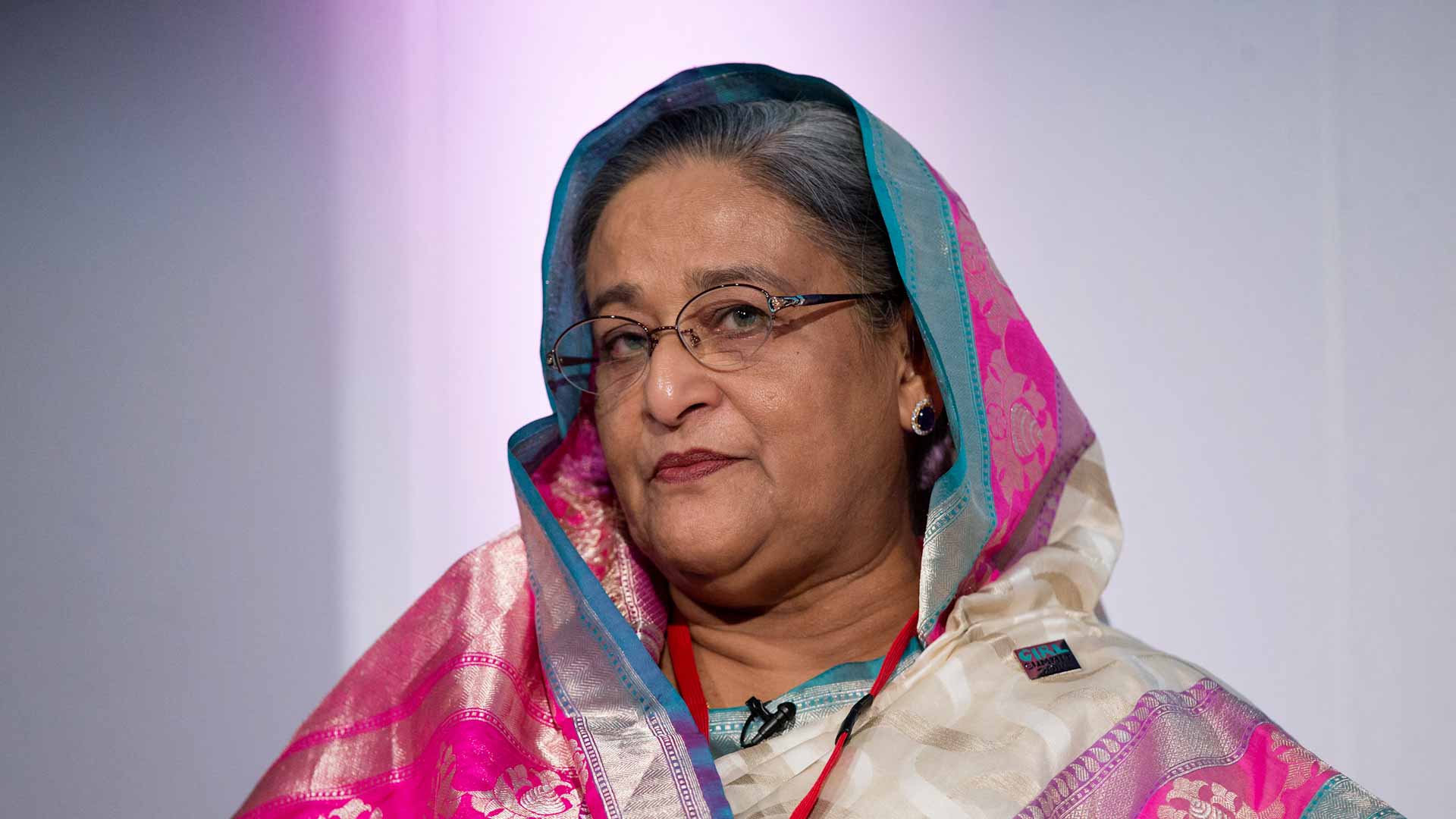
Speaking in parliament on Wednesday, Prime Minister Tarique Rahman placed responsibility squarely on the previous government of Sheikh Hasina – who was removed from power during a popular uprising in 2024 – as well as the caretaker administration that followed it. The unrest that toppled Hasina's government derailed a scheduled measles vaccination campaign for June 2024.
"The autocratic government that we ousted, together with political parties both inside and outside parliament, did not procure vaccines," said Rahman, who assumed office in February.
He added that Bangladesh is receiving support from UNICEF but acknowledged that a shortage of testing kits remains a significant obstacle in tracking the true scale of the outbreak.

 For an optimal experience, please
rotate your device to portrait mode.