
Loading...
Loading...

The achievement ushers in a significant shift in the UAE’s position within the global innovation landscape, from adopting advanced technologies to actively deploying them to generate knowledge-based pharmaceutical solutions and intellectual property.
The candidate, known as ISM0387, is an advanced inhibitor of the PRMT5 enzyme, designed to act through synthetic lethality in tumours associated with MTAP gene deletion. This mechanism enhances its selective activity against cancer cells while minimising its impact on healthy cells.
The compound shows promise in targeting solid tumours, particularly aggressive brain cancers, which are among the most treatment-resistant.
It exhibits advanced properties that enable effective penetration of the blood–brain barrier, alongside strong, dose-dependent efficacy in inhibiting tumour growth in preclinical models. Studies have shown clear tumour suppression when administered at a daily dose of 30 mg/kg for 20 days in animal models.
These findings strengthen its prospects for further development in subsequent clinical phases and increase its potential for treating central nervous system-related diseases.
ISM0387 was developed using Insilico Medicine’s Chemistry42 platform, which integrates more than 40 generative AI models to analyse complex biological and chemical data.
The entire discovery process was carried out within the UAE, from biological target identification and molecular design to optimisation and the final nomination of the preclinical candidate (PCC).
This end-to-end development reaffirms the UAE’s growing capability to deliver the full drug discovery pipeline locally, in line with international standards.
This milestone demonstrates how generative AI can significantly accelerate the drug discovery process. The research team completed the compound discovery phase in about six months, generating and testing more than 90 potential molecules with advanced AI models. Traditionally, this stage alone can take more than four years.
The entire development process, from designing the molecule to selecting it as a drug candidate, was completed in under 12 months. By comparison, conventional drug development can take more than 10 years and cost over $1 billion to bring a single treatment to market.
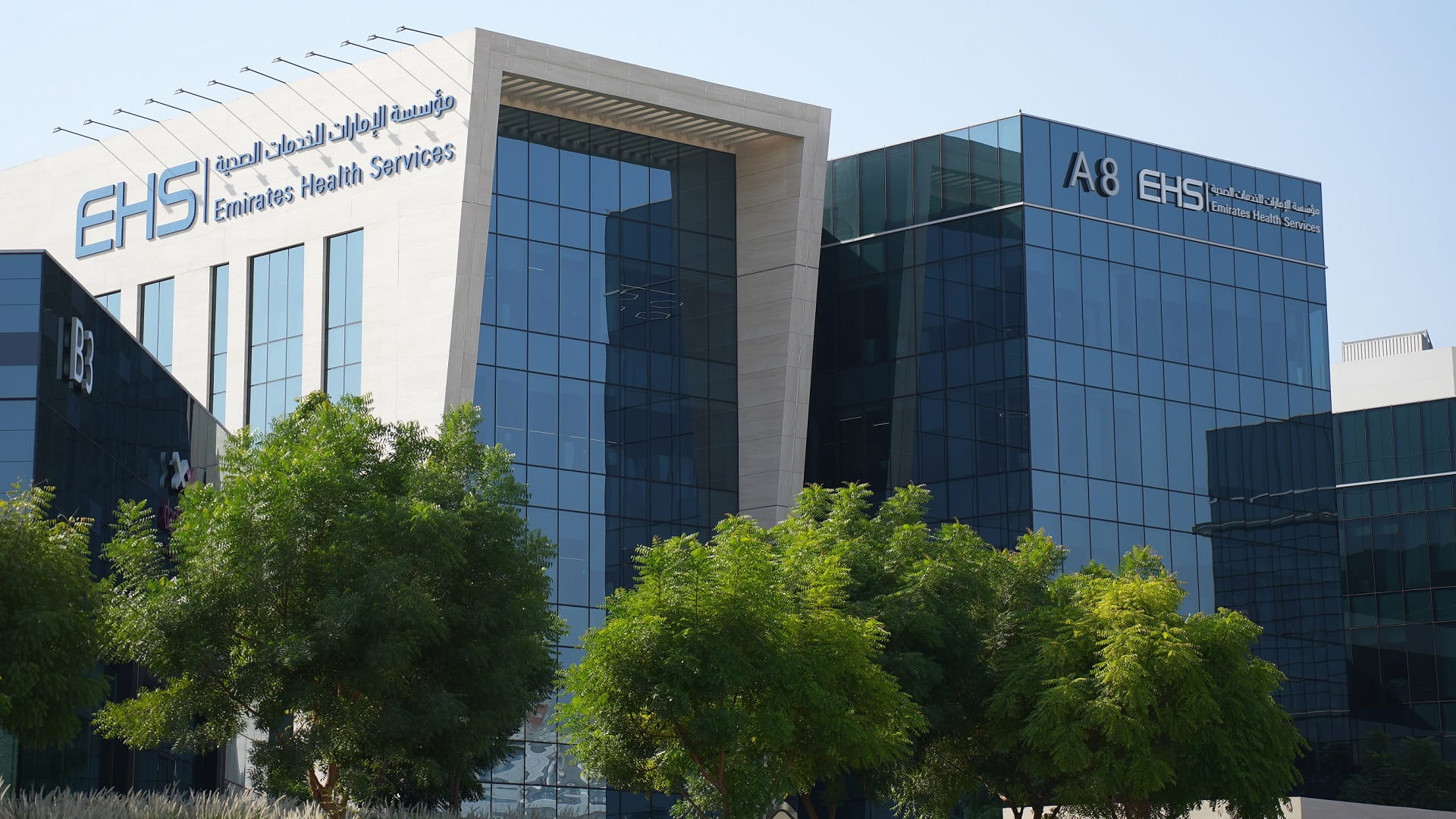
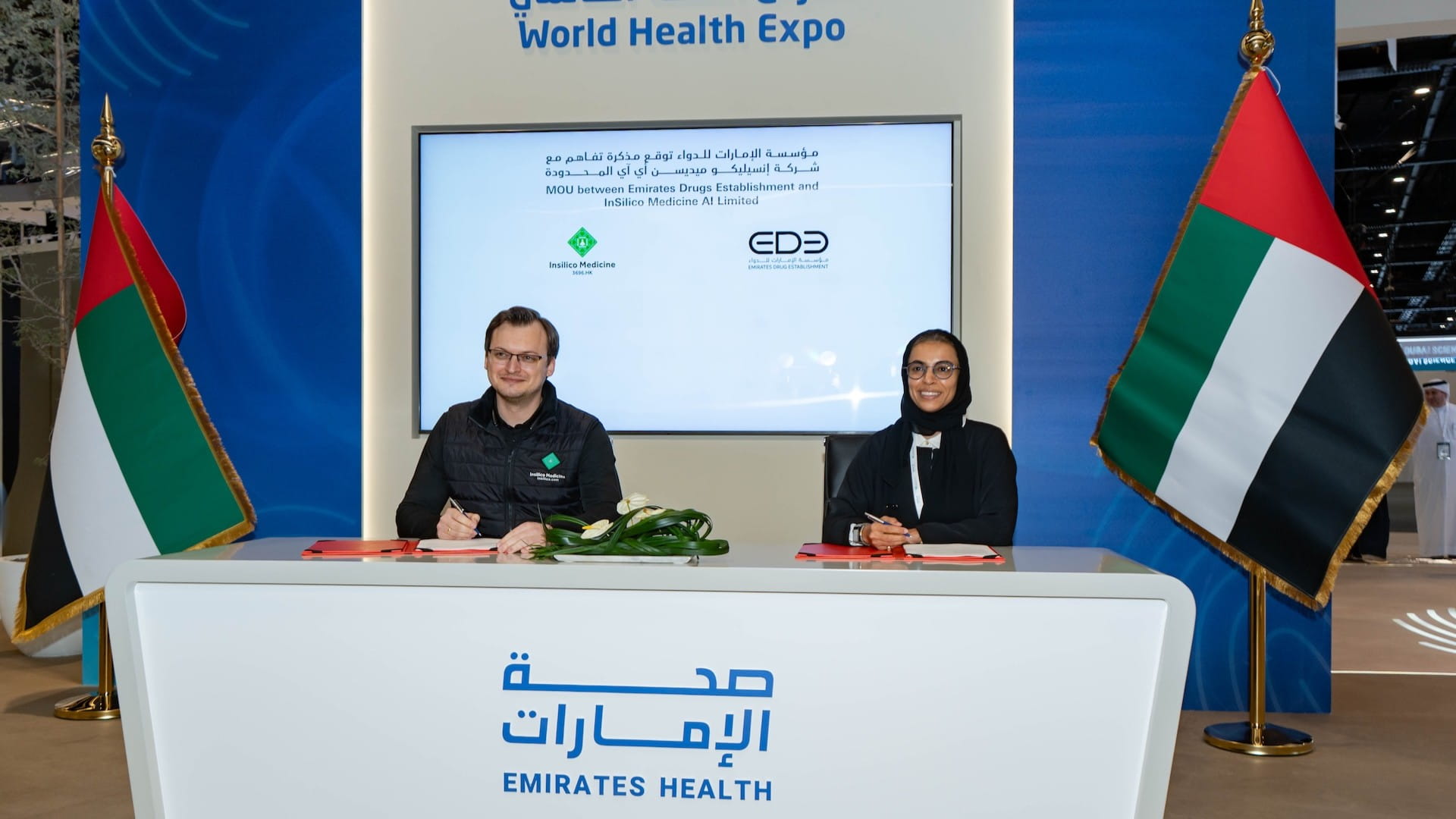
This research programme is the result of sustained scientific efforts led by Insilico Medicine, in conjunction with its ongoing strategic partnership with the Emirates Drug Establishment (EDE). Through its regulatory frameworks, EDE has helped create a flexible environment that supports innovation.
This progress is also supported by a broader national ecosystem, including the development of advanced biotechnology infrastructure and stronger collaboration with key national entities. Together, these efforts are helping to build a connected and globally competitive pharmaceutical innovation sector in the UAE.
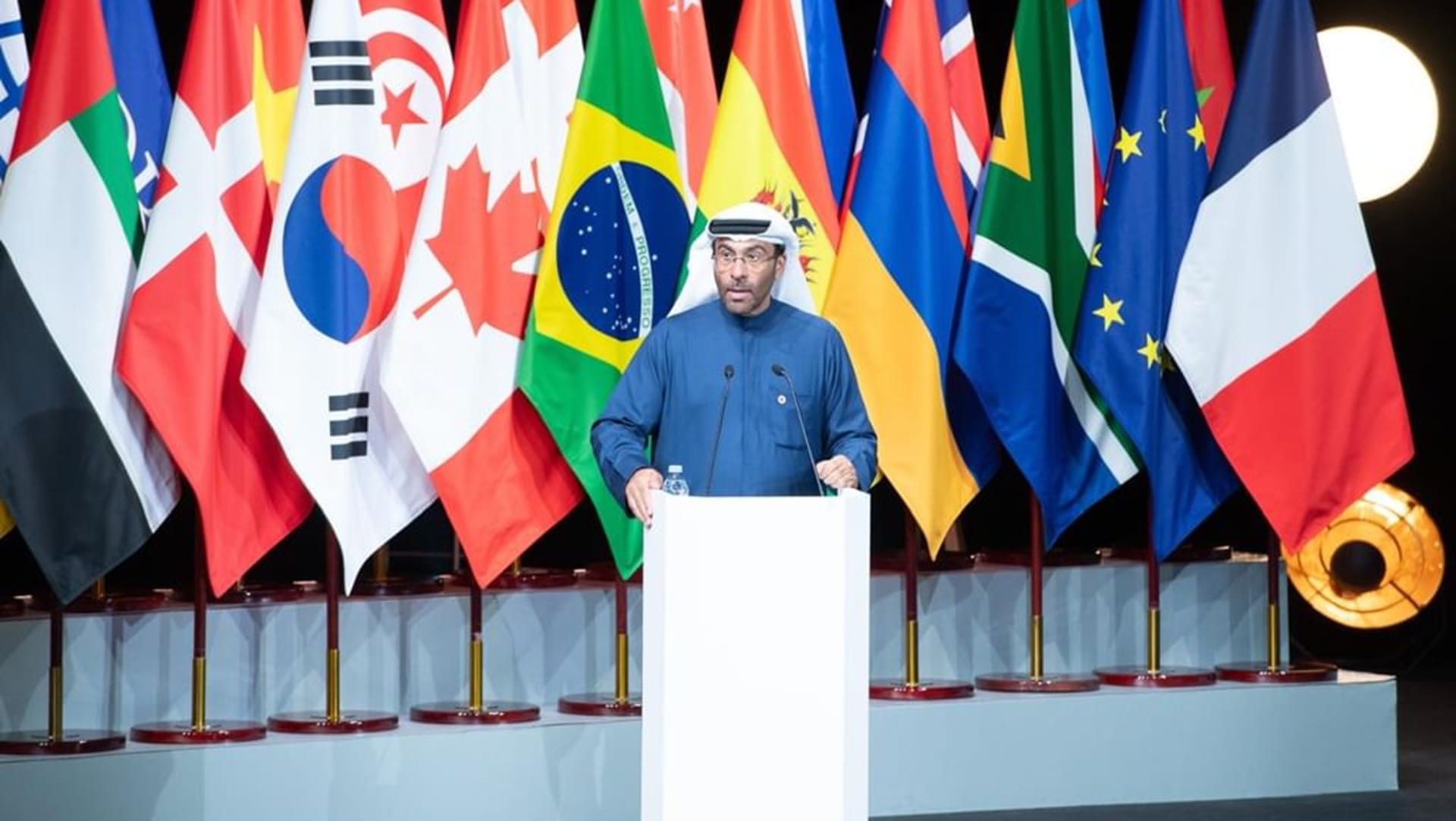
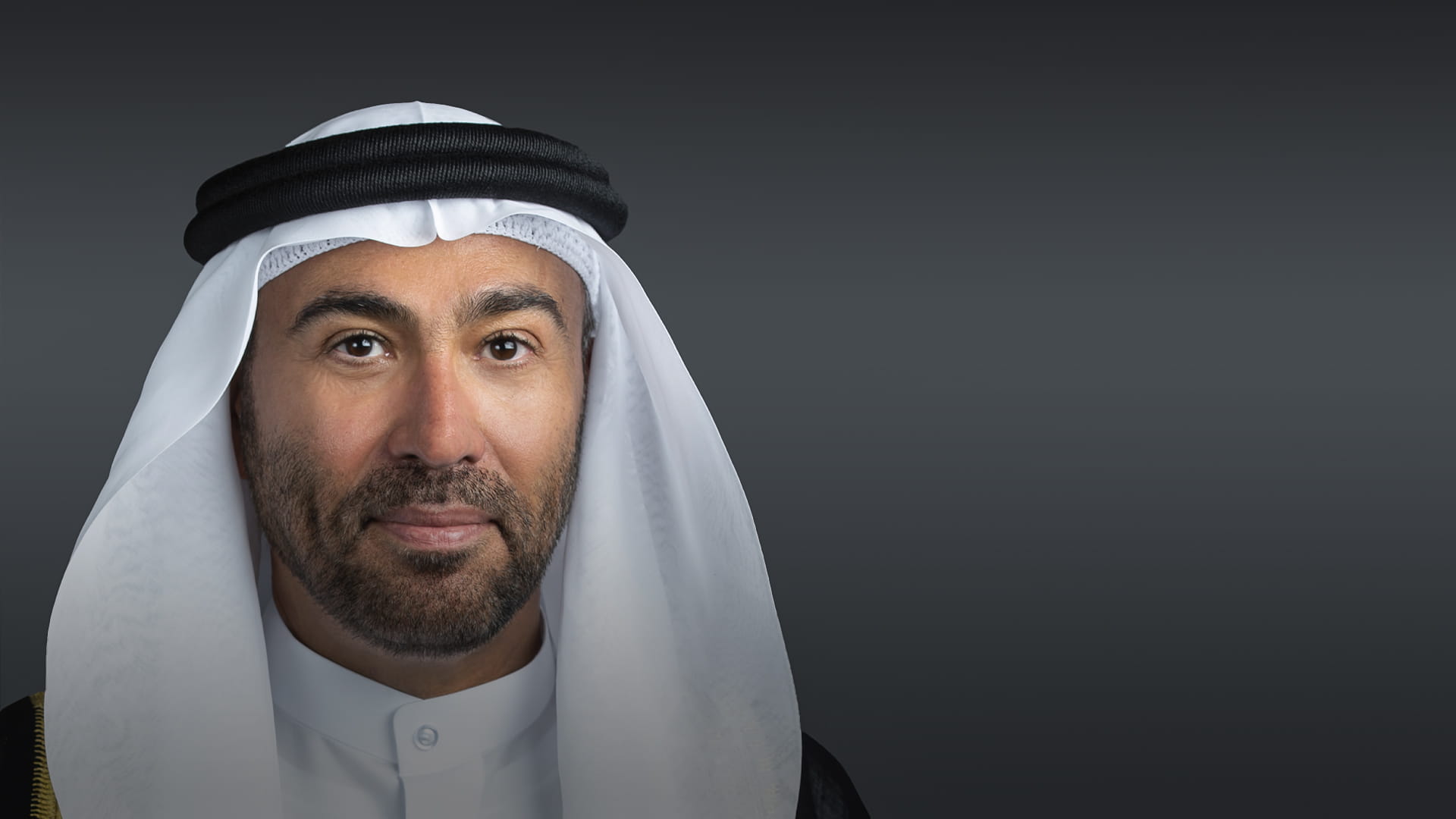
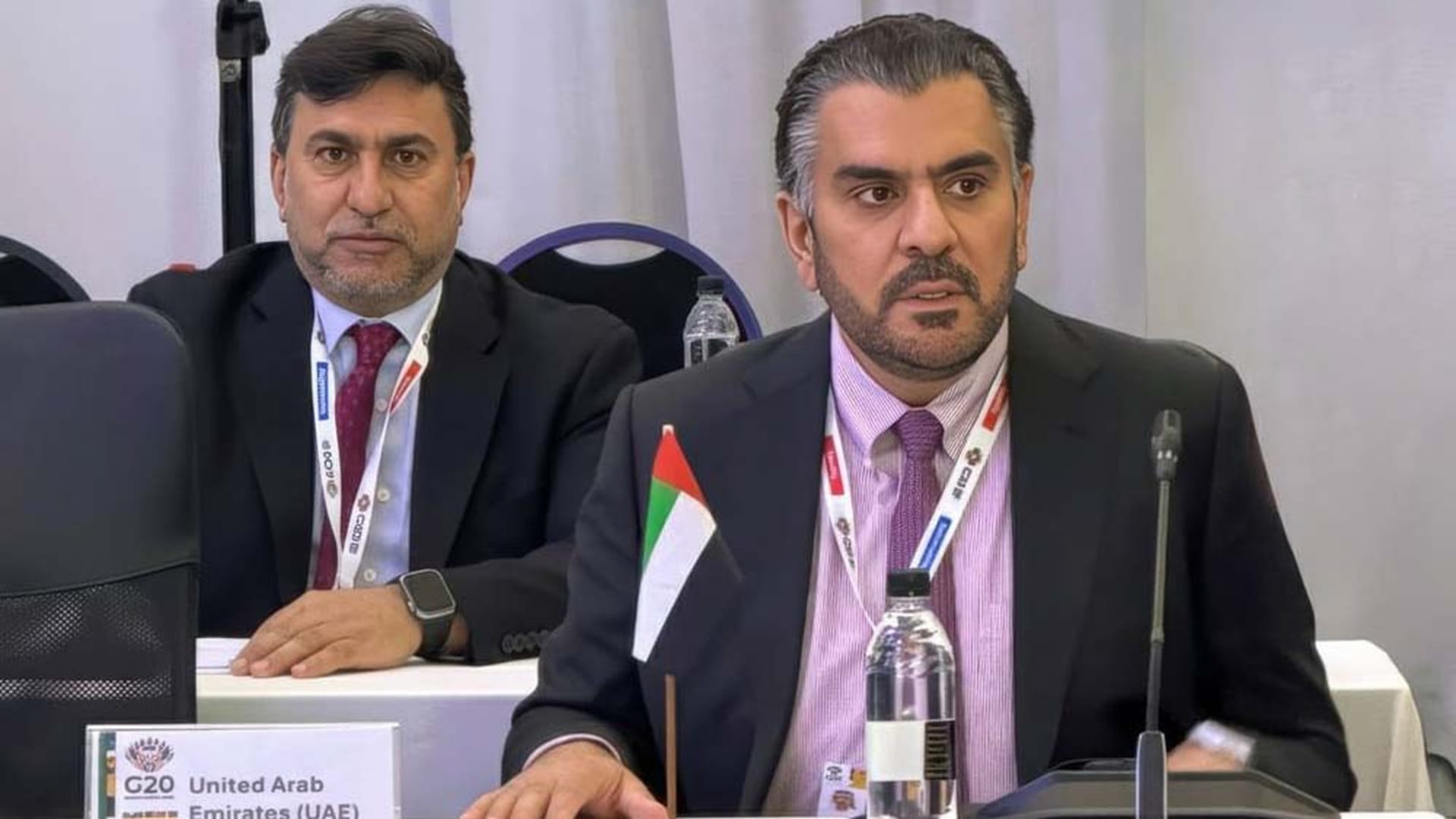
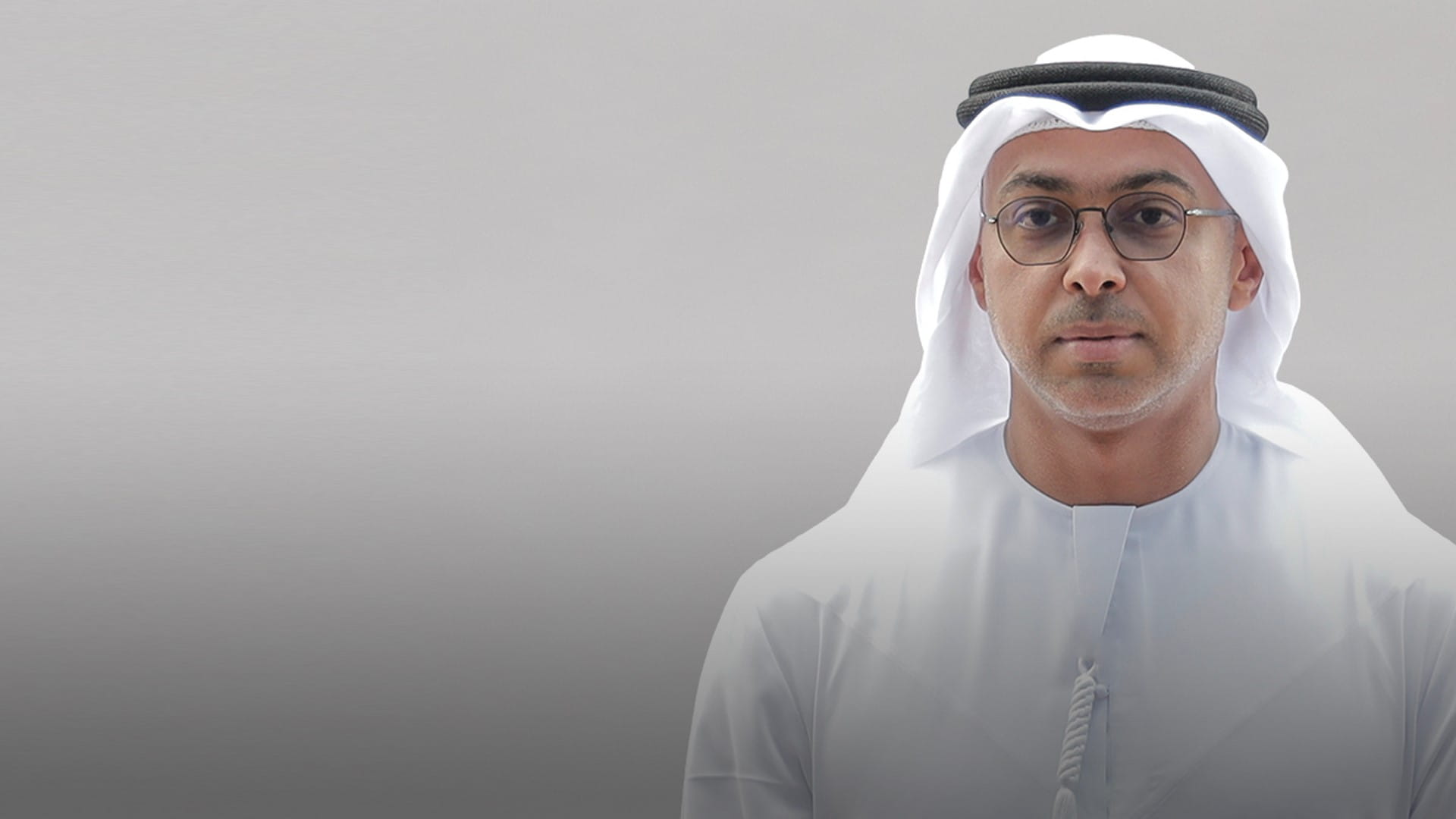
Saeed bin Mubarak Al Hajeri, Minister of State and Chairman of the Emirates Drug Establishment, said this achievement will strengthen the UAE’s position in global biotech value chains. He added that the country is building knowledge-based capabilities to support its role as an active partner in developing pharmaceutical solutions and expanding its global impact.
Al Hajeri added, “This progress demonstrates the maturity of a national model that integrates scientific research with regulatory and investment frameworks. It enables us to translate scientific discoveries into real-world applications more quickly and supports the development of a system capable of competing in high-value sectors.”
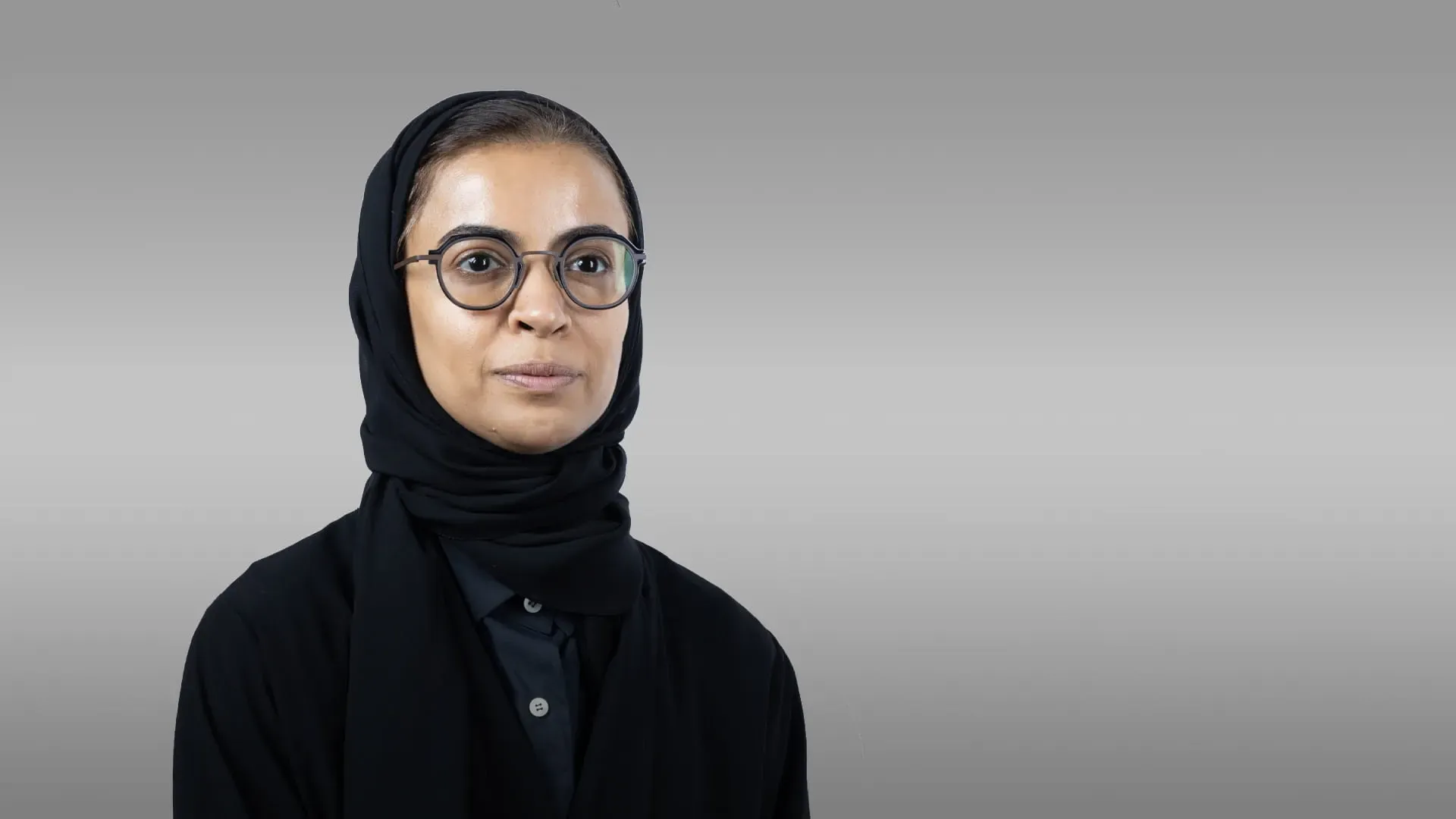
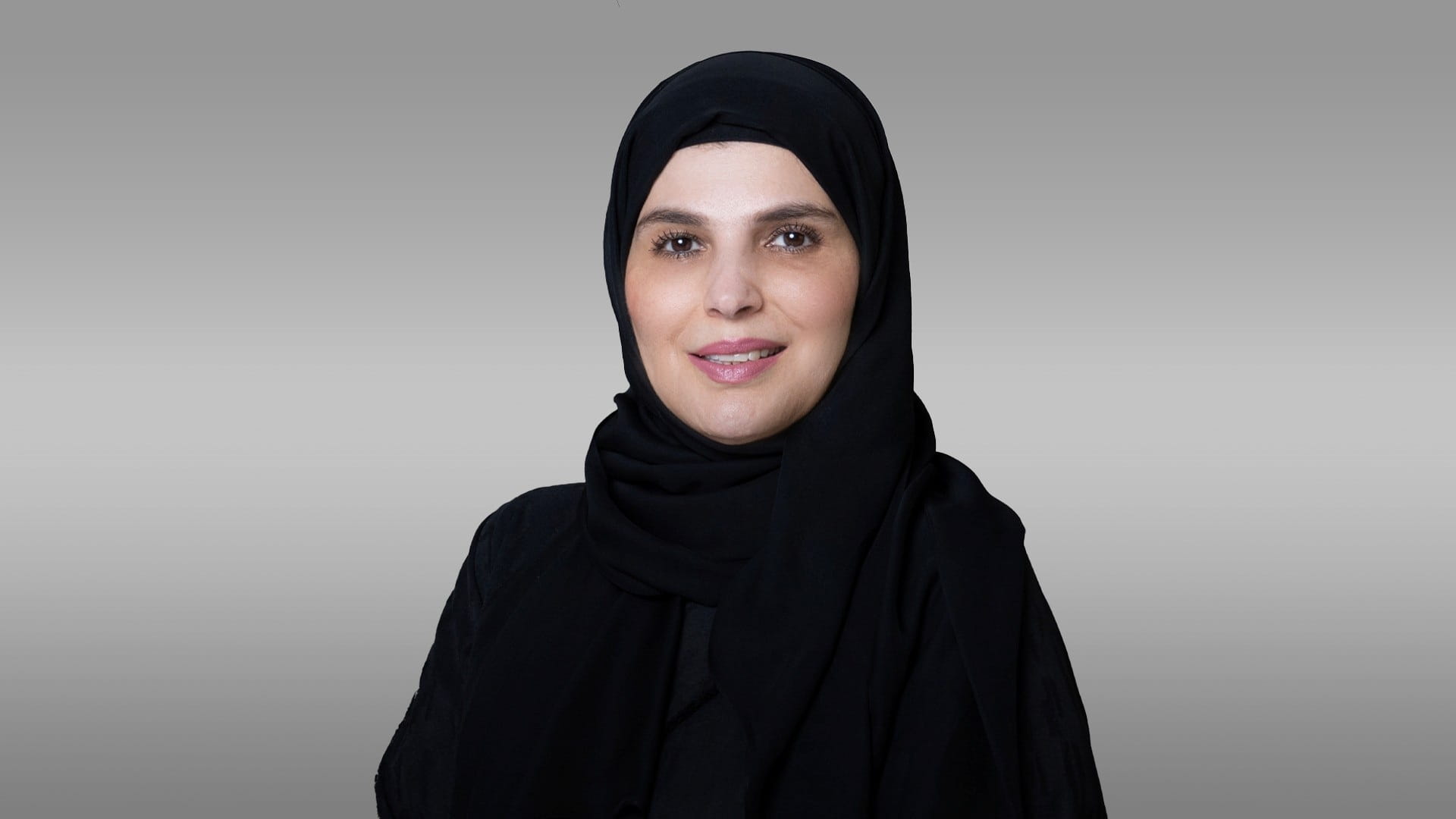
For her part, Dr Fatima Al Kaabi, Director-General of the Emirates Drug Establishment, said this is not just a research achievement but a clear sign of the country’s growing ability to develop medicines locally, supported by advanced technologies that are improving how discoveries are made, turning data into faster, more accurate development decisions while reducing time and cost.
She added that this milestone goes beyond creating new treatments. It reflects the ongoing efforts to build a strong national system that is redefining pharmaceutical security, moving from simply ensuring supply to having the capability to develop and sustain it locally, thereby strengthening the healthcare system’s readiness to respond to future challenges.
Meanwhile, Dr Sheikha Al Mazrouei, Director of the Research and Laboratories Department at the Emirates Drug Establishment, said that the collaboration between the establishment and Insilico Medicine enables the use of generative models and reinforcement learning to analyse biological, chemical, and clinical data. This helps develop drug compounds that are more precise in terms of effectiveness and safety.
Additionally, Dr Alex Aliper, Co-founder and President of Insilico Medicine, said, “This achievement marks a turning point in global drug development and shows how effective generative AI can be in improving drug discovery by reducing time and overcoming traditional challenges.”
He added that what has been achieved in the UAE demonstrates that countries investing in research infrastructure and advanced technologies can deliver world-class treatment solutions in record time.
This achievement also has a human impact, as it paves the way for more precise and effective treatment options for patients in the future. At the same time, it showcases the UAE’s ability to translate advanced technologies into valuable pharmaceutical solutions, strengthening drug security and reinforcing the country’s position as an active hub for knowledge-based and innovation-driven pharmaceutical industries.

 For an optimal experience, please
rotate your device to portrait mode.