
Loading...
Loading...

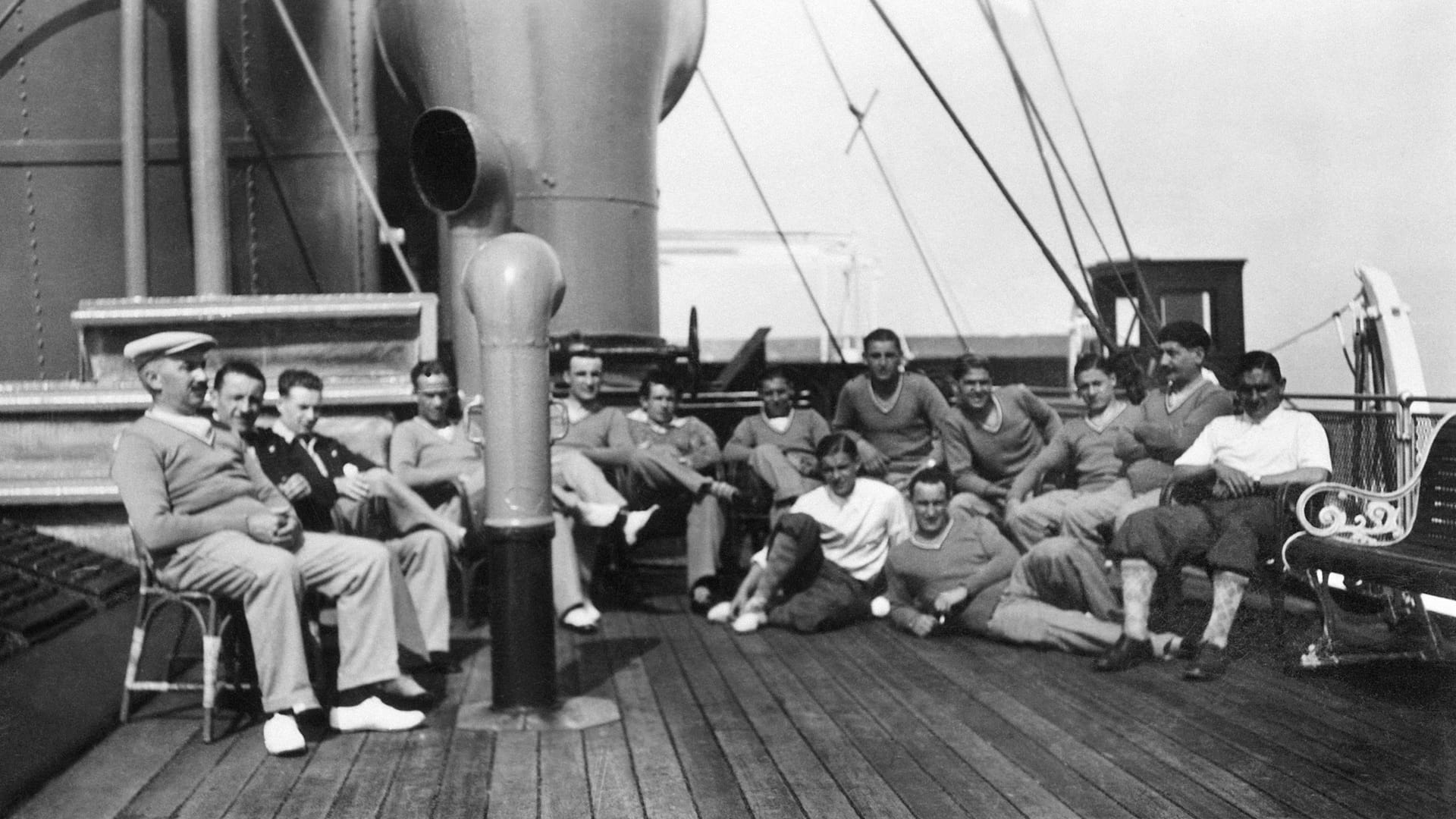
For the first time, qualifying rounds were introduced to determine the 16 finalists. Matches were played across eight cities instead of a single venue as in 1930, and broadcasts were transmitted by radio in 12 participating countries.
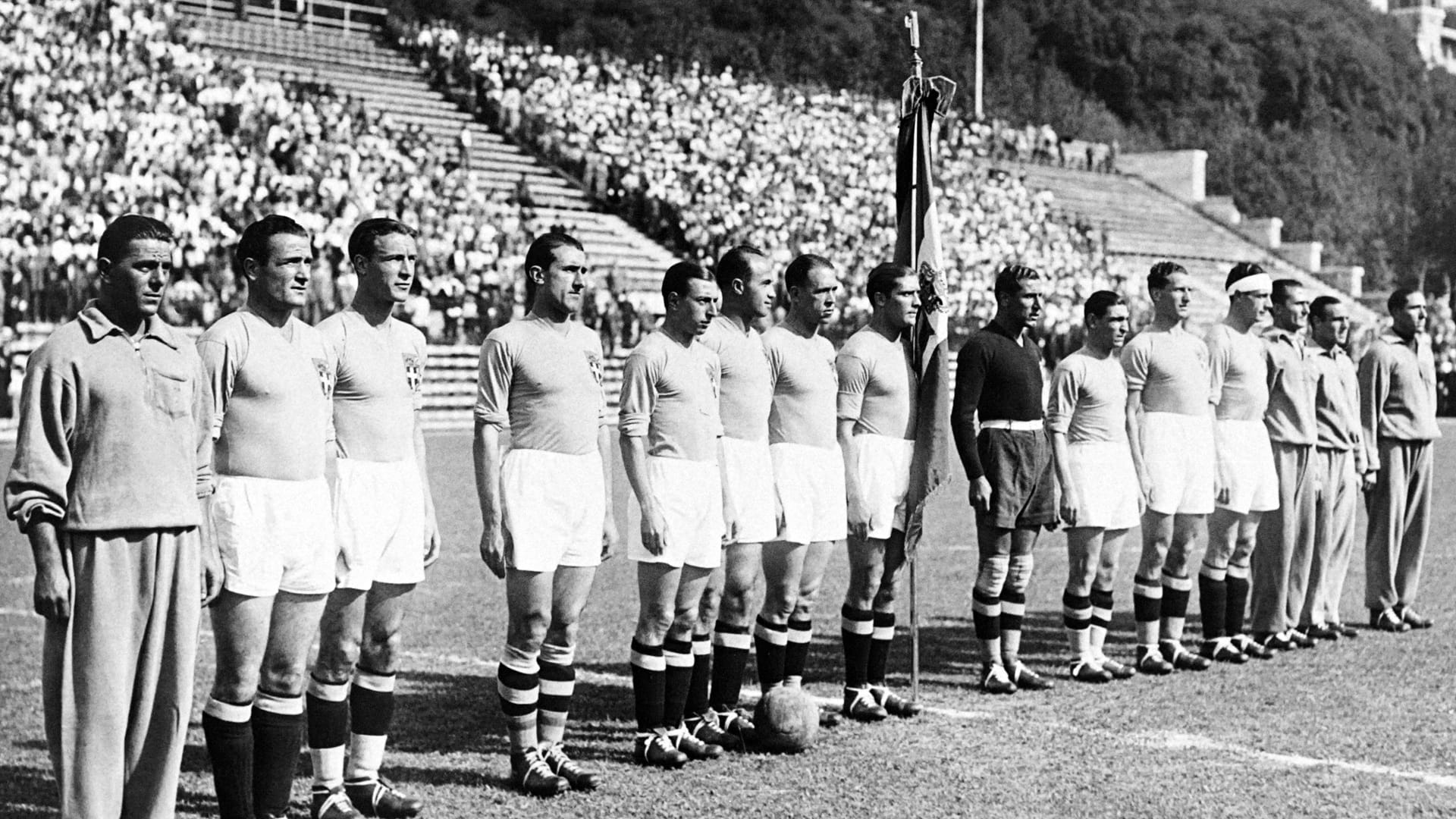
As in Uruguay four years earlier, the hosts lifted the trophy. Raimundo Orsi and Angelo Schiavio scored the decisive goals under legendary coach Vittorio Pozzo, securing a 2–1 extra-time victory over Czechoslovakia in the Rome final. The Czechoslovaks, who had eliminated Germany 3–1 in the semi-finals, settled for runners-up, while Oldřich Nejedlý finished as top scorer with five goals.
After the success of the inaugural edition, 32 teams entered qualifying. Italy had to overcome Greece to reach the finals on home soil. Uruguay, however, did not defend their title, in protest against Italy’s absence from the 1930 tournament. With Brazil and Argentina both sending weakened squads and exiting early, South America’s overall impact was limited.
Between 27 May and 10 June 1934, the tournament featured 12 European teams, two from South America, one from North America, and one from Africa.
Egypt became the first African and Arab nation to participate in the finals. They lost 4–2 to Hungary, with Abdelrahman Fawzi scoring twice, and were eliminated early under the straight knockout format.
Italy’s path was far from easy. With replay rules in place if matches were level after 120 minutes, they ended up playing 210 minutes in less than 24 hours to eliminate Spain in a fierce quarter-final (1–1, then 1–0 in the replay).
After dominating 24 opponents between 1928 and 1933, Austria’s celebrated “Wunderteam” fell 1–0 to Italy in the semi-final in Milan. Czechoslovakia meanwhile defeated Germany 3–1. Some Austrian players were later absorbed into the German national setup after the 1938 annexation of Austria.
Before Austria’s elimination, France had beaten them 3–2 in the round of 16. French staff had instructed players to closely mark star forward Matthias Sindelar. He later died under mysterious circumstances in 1939 at the age of 35, after refusing to play for Nazi Germany.
Fascist Italy, led by Benito Mussolini who had taken power in 1922, used the tournament as a propaganda showcase for the regime.
The “Azzurri”, led by Giuseppe Meazza and Angelo Schiavio and featuring seven foreign-born players, faced Czechoslovakia in front of 55,000 spectators, with Mussolini in attendance.
Czechoslovakia took the lead through winger Antonín Puč in the 69th minute, silencing the stadium. But Raimundo Orsi, once an Argentina international, equalised in the 81st minute to force extra time. Five minutes into the first period of extra time, Angelo Schiavio struck the decisive goal, sending the crowd into celebration.
Schiavio, who had worked in the family clothing trade after losing his father at age 12, spent his entire 16-year career at Bologna despite interest from Juventus and Inter. He later recalled being offered incentives by Inter to switch clubs, but declined, saying loyalty and family mattered more than money.
Midfielder Luis Monti played in the final four years after losing the 1930 final with Argentina, a rare case in international football history. After tensions between Monti and Schiavio, coach Vittorio Pozzo defused the conflict by forcing them to share a room for two months before the tournament.
Pozzo, a former journalist known as the “old maestro”, also revived the careers of players in difficult circumstances—convincing a veteran goalkeeper to delay retirement and bringing in a disciplined fitness regime for the squad. He even tracked down midfielder Attilio Ferraris in a Rome bar after disciplinary issues, offering him a place in the World Cup squad and restoring him to top physical condition.

 For an optimal experience, please
rotate your device to portrait mode.