
Loading...
Loading...

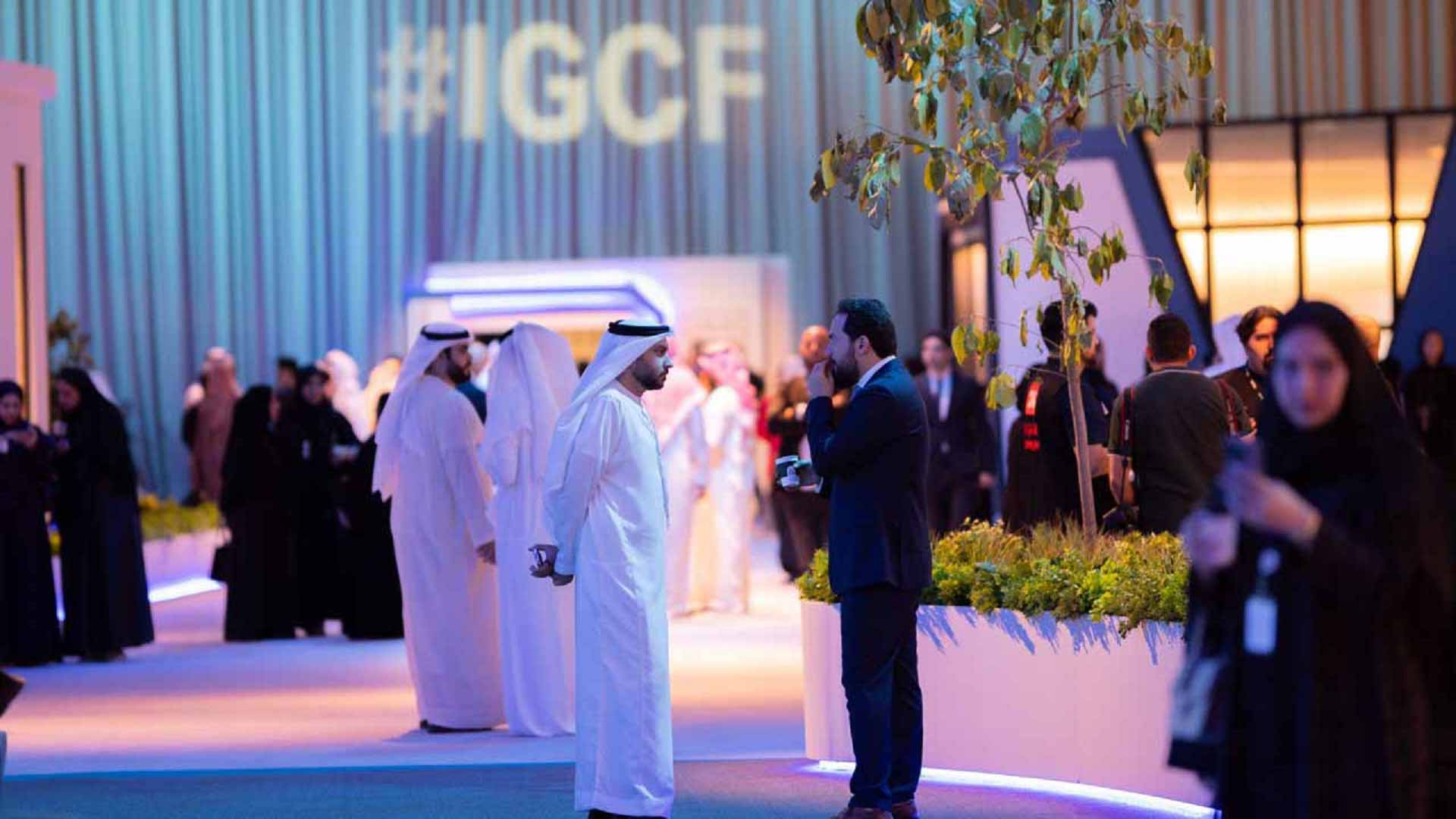
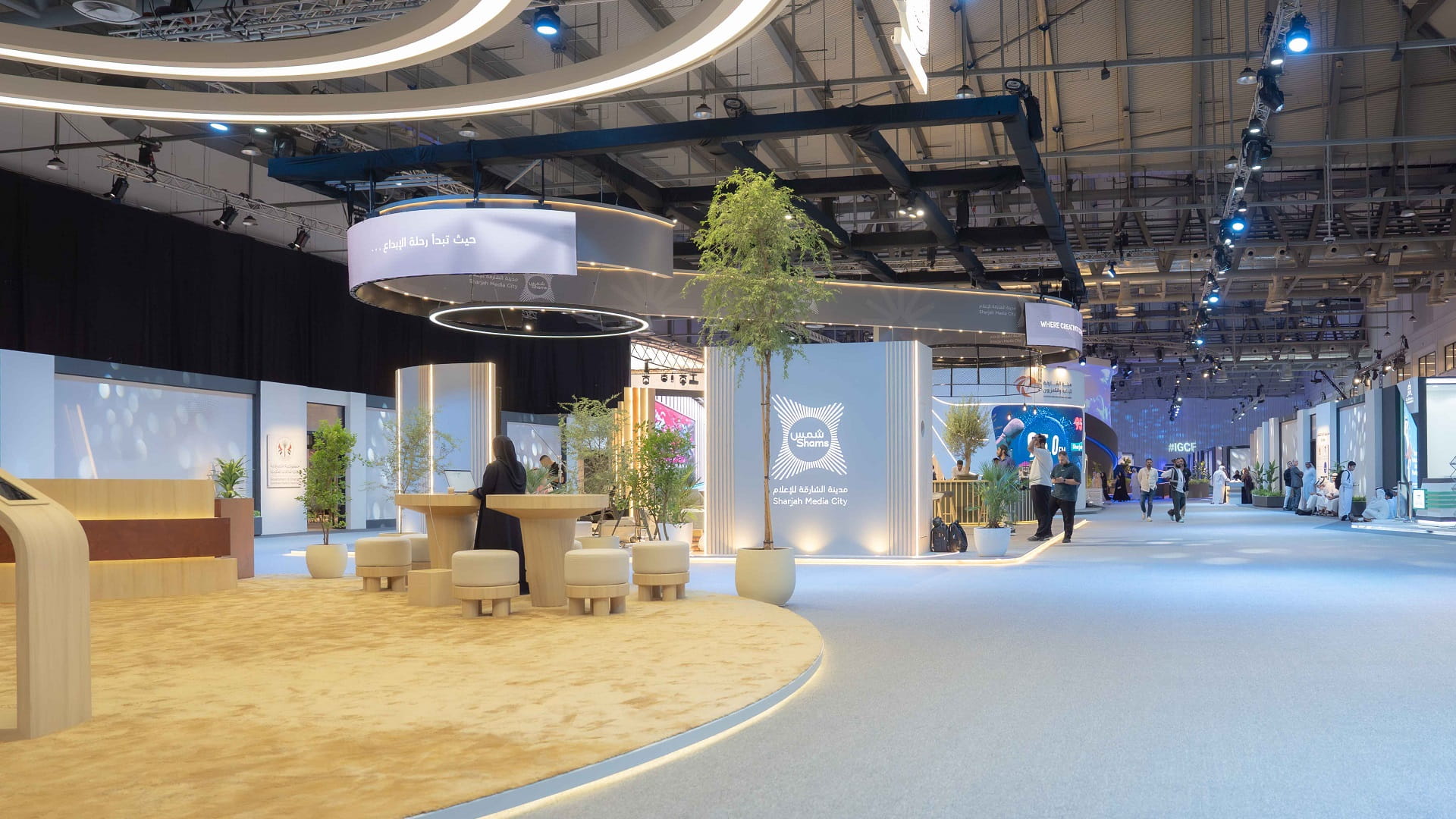
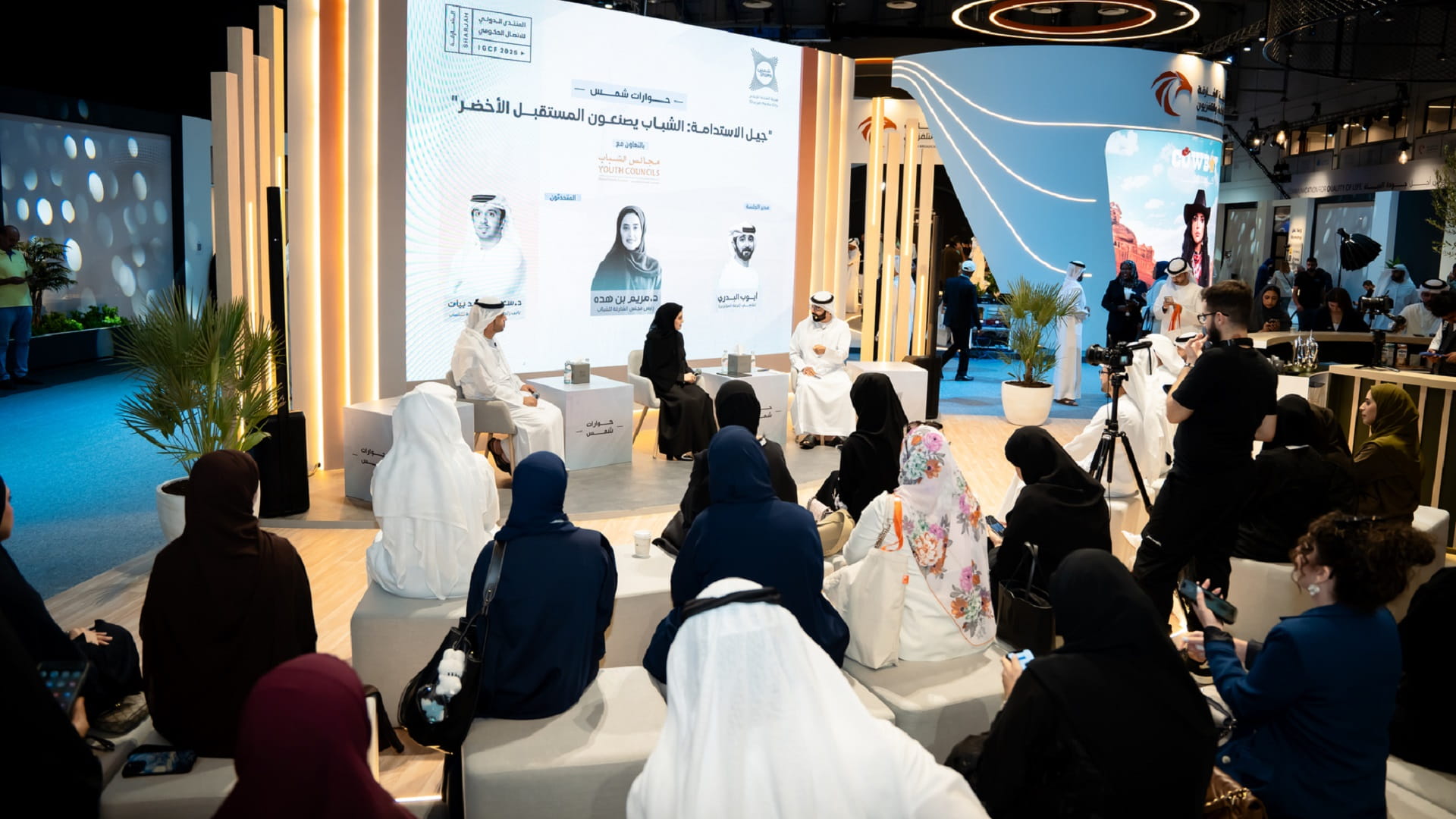
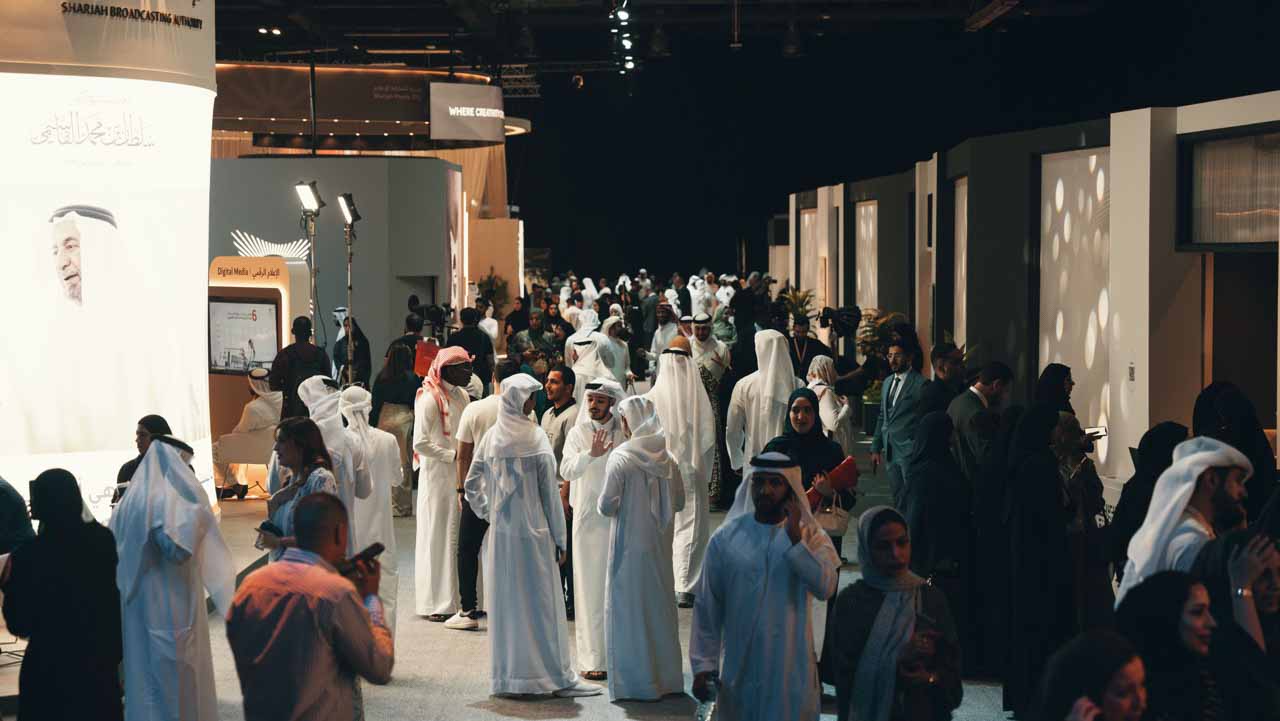
This year’s edition features more than 110 events with 237 speakers from around the world. The programme transforms communication into a practical tool to improve quality of life and promote sustainable partnerships across five key pillars: food security, public health, education, environmental sustainability, and the green economy.
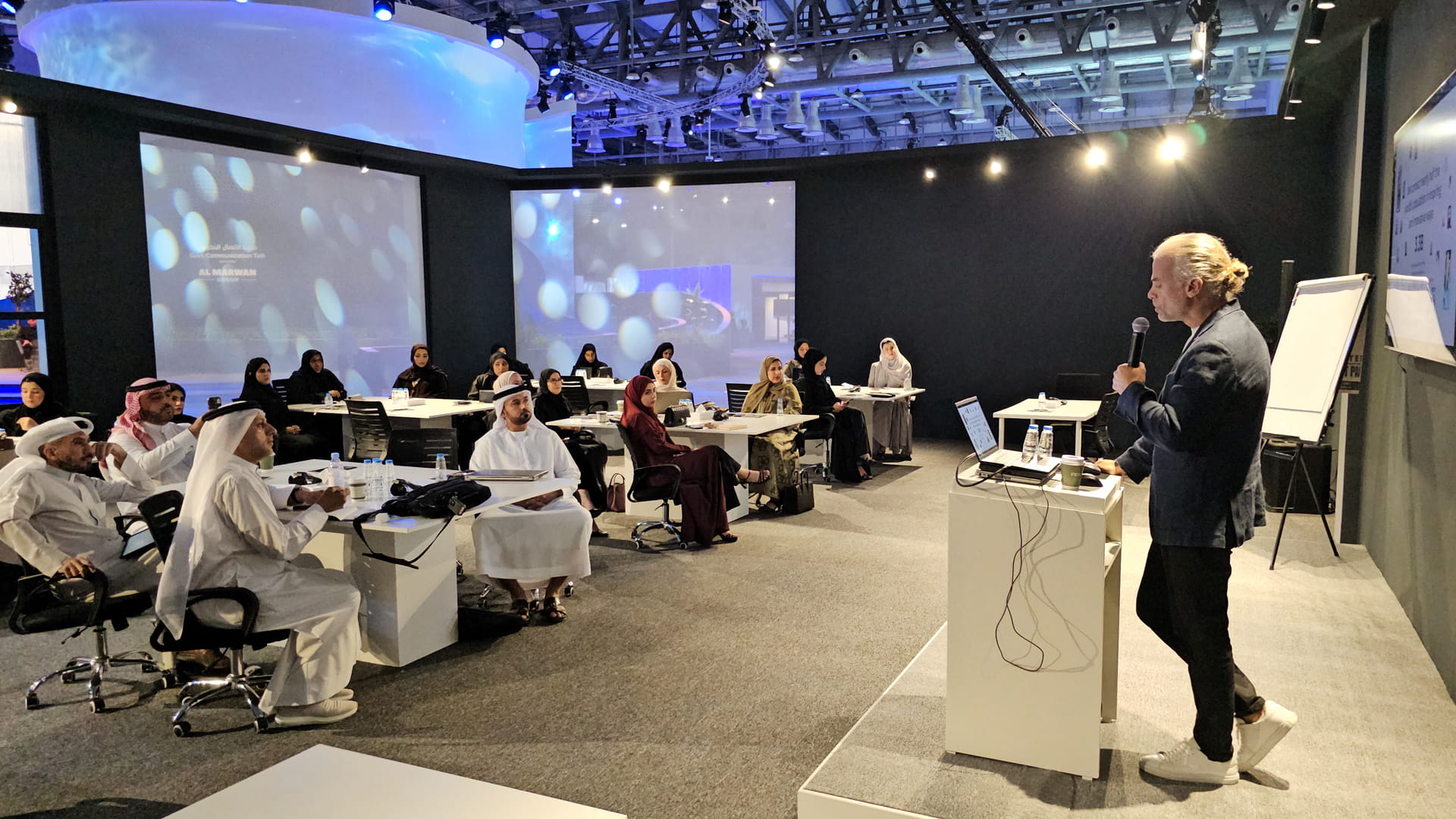
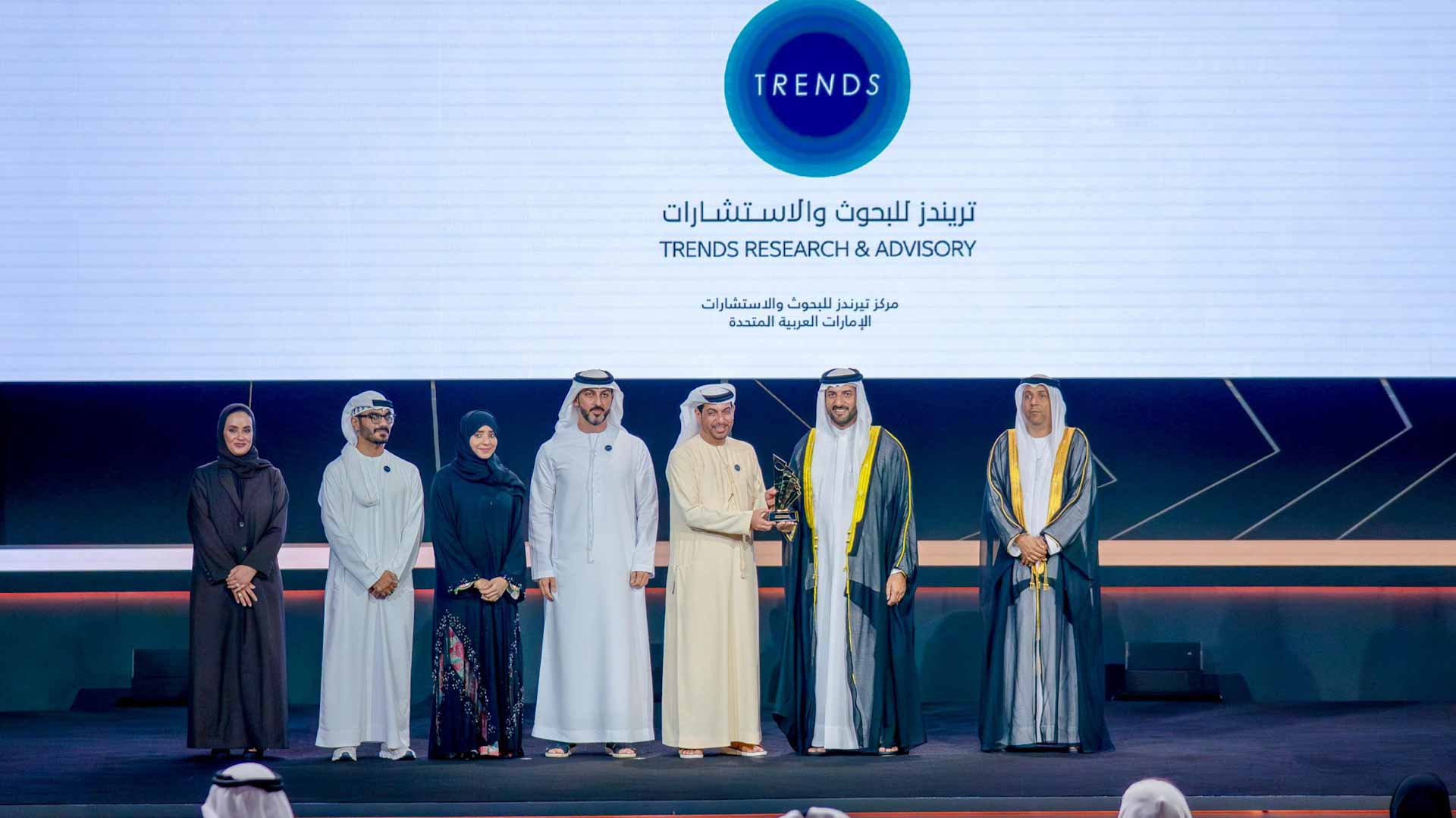
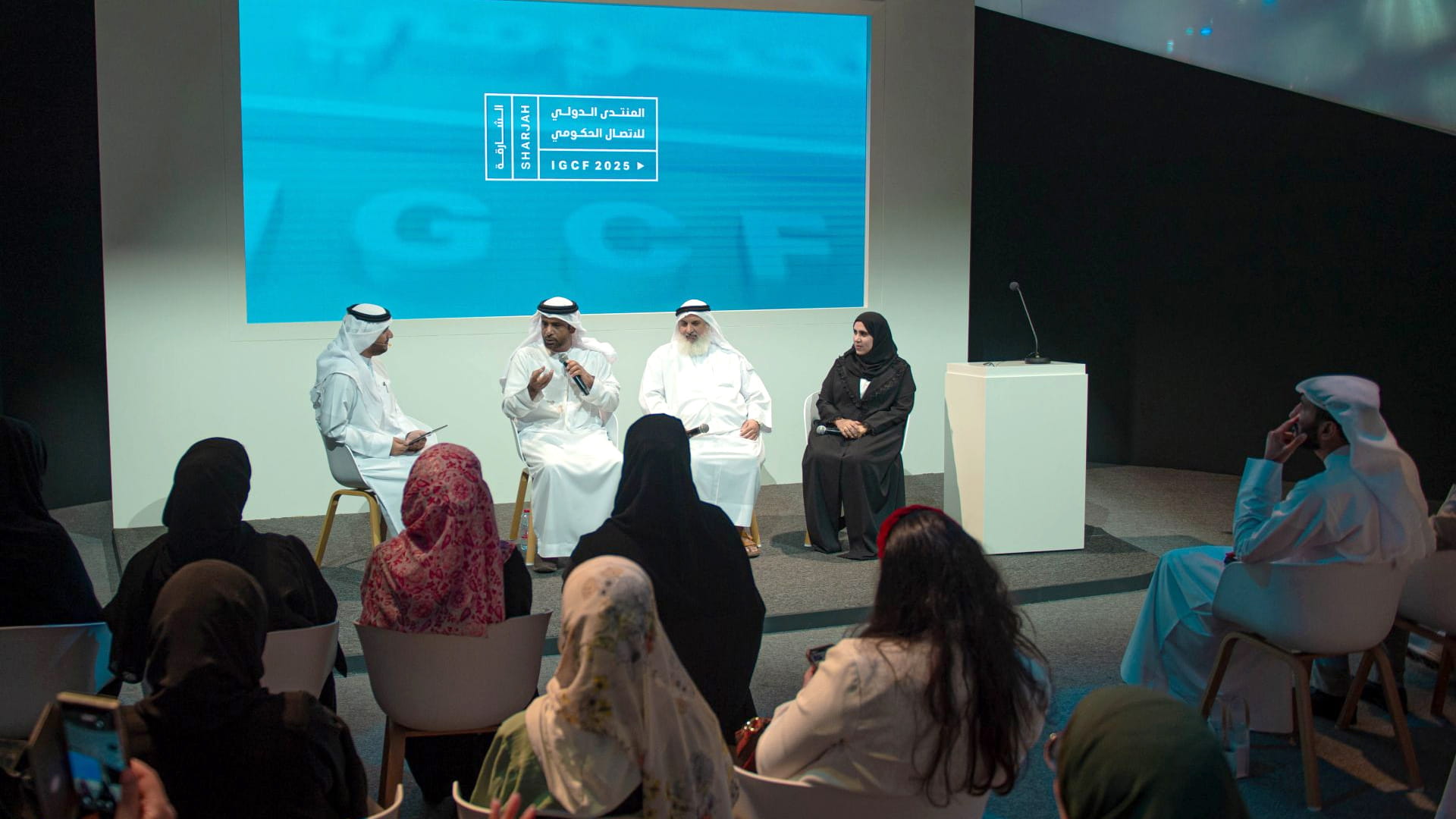
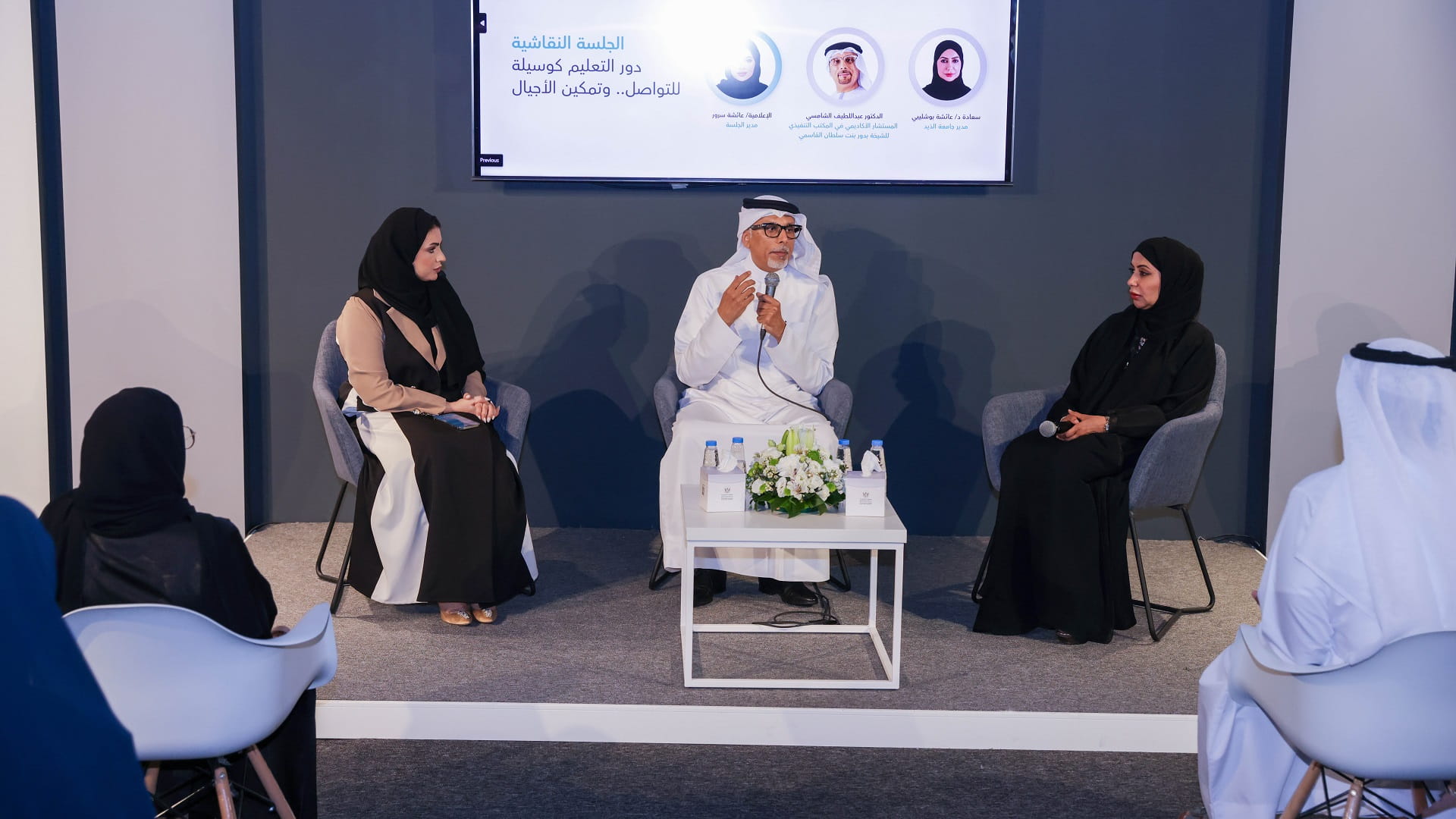
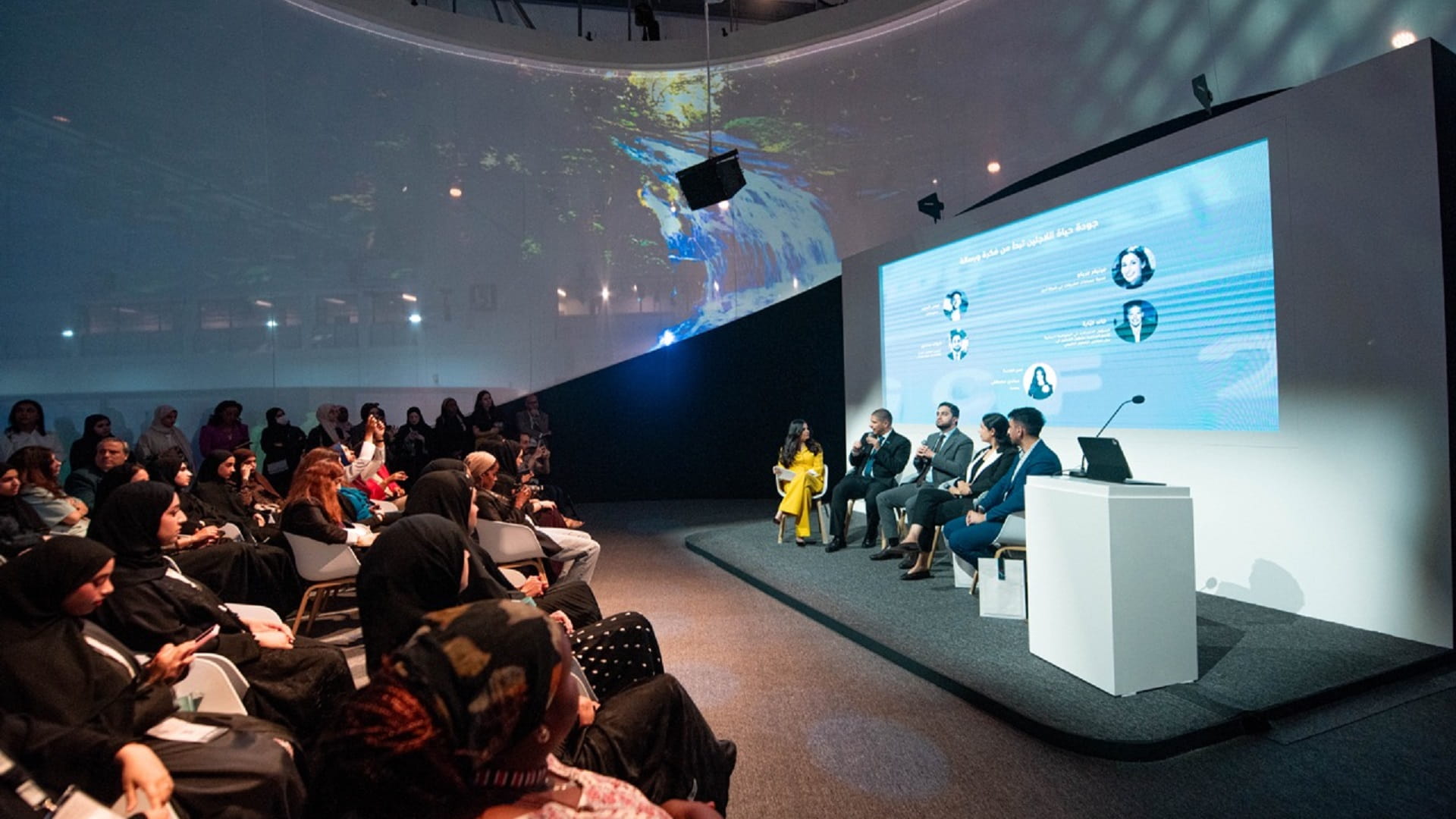
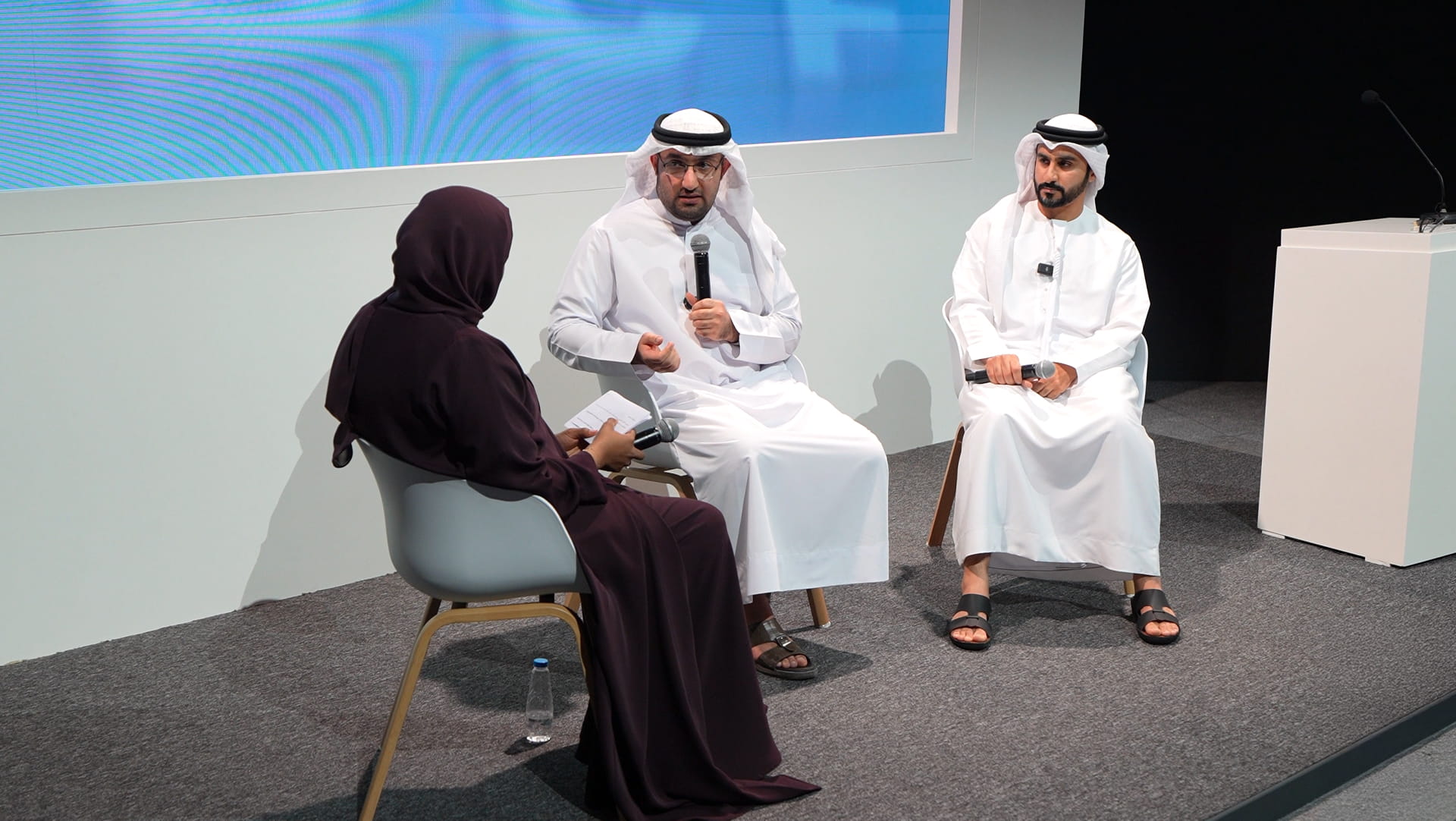
The TRENDS Research & Advisory Hall at the IGCF will host several events related to the theme of the 14th edition. These include a dialogue session titled Communication for Food Security, a symposium on Government Communication as a Tool for Empowering Communities in Addressing Food Crises, and the presentation of an in-depth analytical study titled The Role of Government Communication in Promoting Food Security: The Case of the UAE’s National Food Security Strategy 2051.
Dr. Mohammed Abdullah Al-Ali, CEO of TRENDS Research & Advisory, stated that TRENDS’ participation in IGCF 2025 reflects the centre’s commitment to supporting IGCF’s outcomes and global recommendations. He emphasised that this year’s agenda tackles five key issues, most notably food security, examining how communication can help develop sustainable, practical solutions to achieve it.
He noted that global food security challenges are intensifying. While ensuring food supplies remains a government responsibility, individual behaviour and consumption patterns have become central to shaping sustainability's future. FAO reports indicate that approximately 1.3 billion tonnes of food are wasted annually. This number is almost one-third of global production and is enough to feed hundreds of millions suffering from chronic hunger.
Dr Al-Ali added that amid accelerating climate and economic crises, concerns about their direct impact on food security are growing. He said this underscores the need for effective government communication tools to guide societies toward adaptation and innovative responses by raising public awareness of food challenges, coordinating national efforts to
combat food poverty, and promoting sustainable local production as a first line of defence against global market volatility.
Fahad Al-Mahri, Head of TRENDS Dubai Sector, explained that TRENDS’ participation as a strategic partner includes organising the session, Communication for Food Security, which will highlight the vital role of government communication and media in promoting positive attitudes toward food, such as reducing waste, rationalising consumption, and encouraging local production as a cornerstone of quality of life and social stability.
He added that the symposium—Government Communication as a Tool for Empowering Communities in Addressing Food Crises—will address how government communication has become central to helping communities understand food risks and respond to them by building transparent and proactive communications that connect global crises with local solutions.
Al-Mahri further noted that TRENDS’ participation includes presenting an in-depth analytical study on the UAE’s experience with the National Food Security Strategy 2051 as a successful model that can be replicated regionally and globally. The study analyses the government communication strategies used to engage the Emirati community on food and resource issues. It evaluates their effectiveness in achieving behavioural change and desired economic and social outcomes.

 For an optimal experience, please
rotate your device to portrait mode.