
Loading...
Loading...

He noted that this achievement is the result of many years of meticulous excavation efforts, carried out under the guidance of His Highness Sheikh Dr Sultan bin Mohammed Al Qasimi, Supreme Council Member and Ruler of Sharjah, who has closely followed this file.
His Excellency Issa Yousef stated that the inclusion of Faya on UNESCO’s World Heritage List is an important milestone and the fruit of many years of archaeological excavations, conducted under the direction of His Highness the Ruler of Sharjah, who has overseen this file and the excavation works at the site.
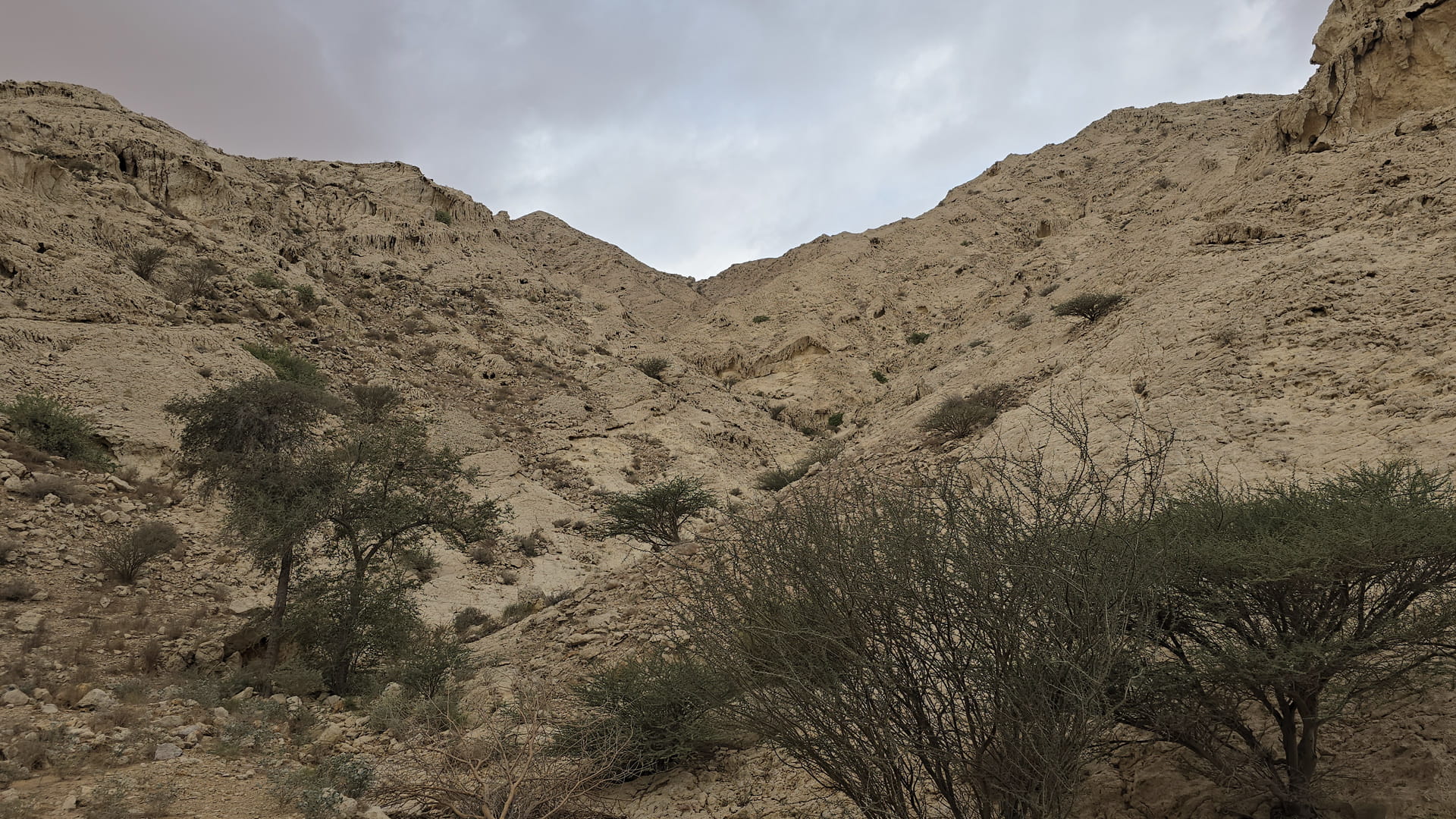
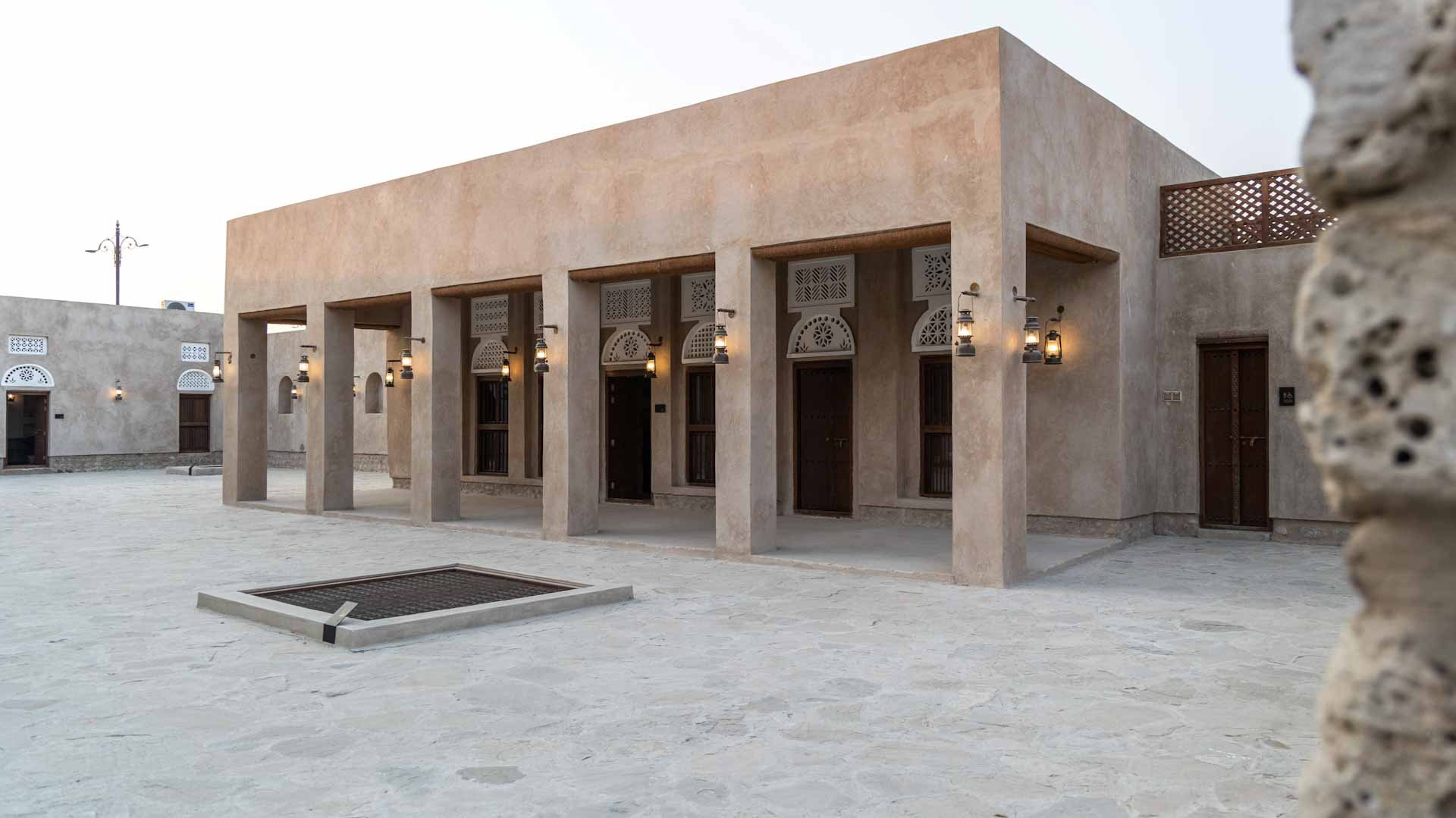
In statements to “Sharjah 24”, His Excellency explained that the inscription of Faya on the World Heritage List represents the highest level that countries can reach in documenting sites on the World Heritage List. He described Faya as one of the most important archaeological natural landscapes in the world, preserving rare evidence of human settlement dating back more than 210,000 years, making it the oldest known human presence outside Africa.
The Director General of the Sharjah Archaeology Authority pointed to the importance of these discoveries, which tell the story of human settlement in the region. Among the findings are archaeological evidence and stratified layers at the site dating back to the Stone Ages and to before 5,000 BC. These findings demonstrate that people did not rely solely on gathering, but that animals such as sheep, cattle and goats had already been domesticated during that period.

 For an optimal experience, please
rotate your device to portrait mode.