
Loading...
Loading...

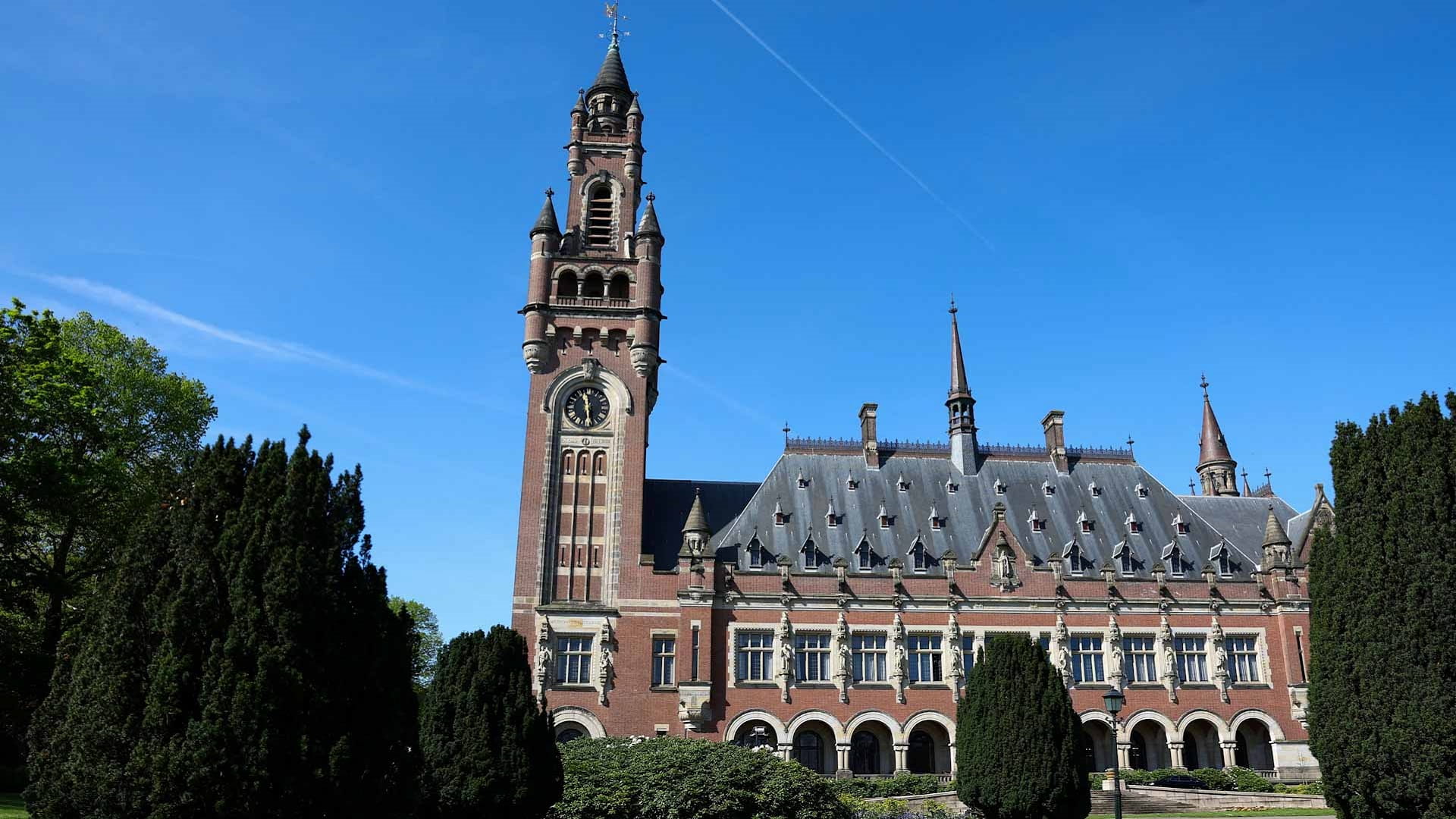
The case was filed in 2019 by The Gambia at the International Court of Justice (ICJ), accusing Myanmar’s authorities of violating the UN Genocide Convention during the 2017 crackdown by the military on the Rohingya population.
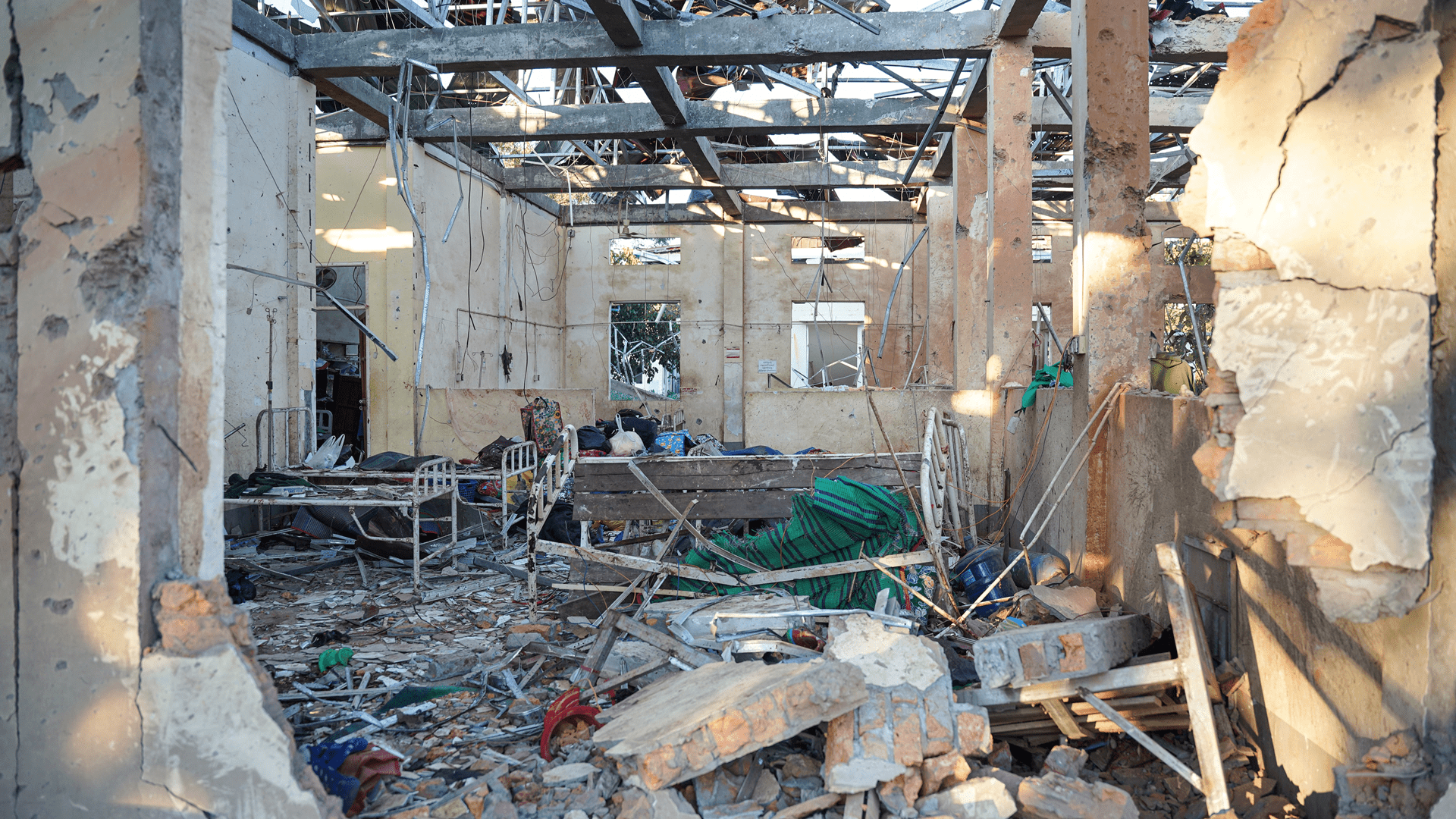
During the violence, hundreds of thousands of Rohingya Muslims fled Myanmar, with witnesses reporting killings, rape, and arson targeting the minority. The crisis forced large numbers of refugees to seek safety across the border in Bangladesh.
In response to the allegations, the ICJ ruled in 2020 that Myanmar must “take all measures within its power” to prevent acts of genocide against the Rohingya.
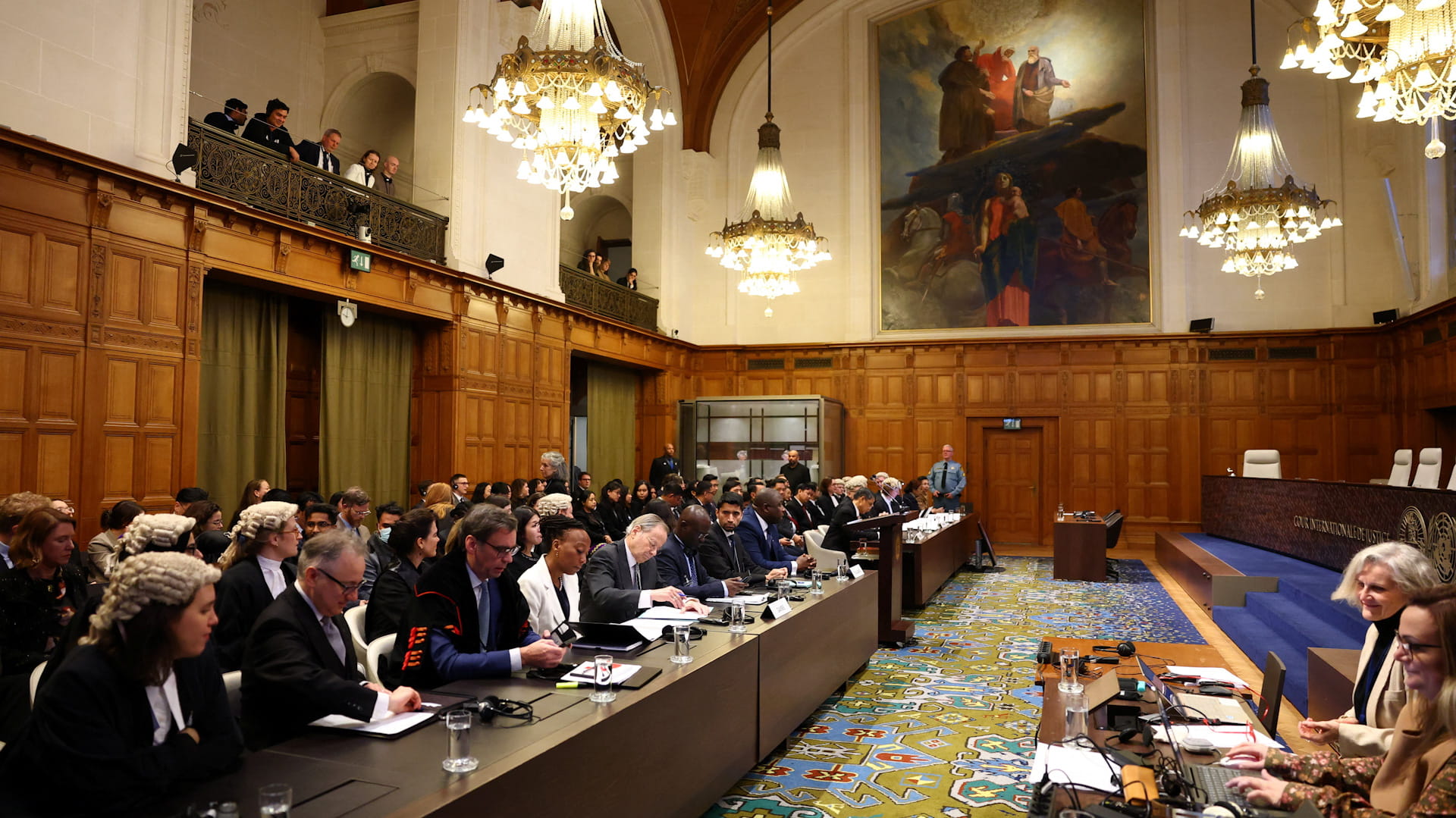
In a press release, the Hague-based court said the public hearings will run from January 12 to 29, 2026. The hearings will focus on the merits of the case and include the examination of witnesses and expert testimony presented by both parties. Some witness hearings will be held behind closed doors.
The Gambia has asked the court to rule that Myanmar breached its obligations under the 1948 UN Genocide Convention, seeking reparations for victims and guarantees that such atrocities will not be repeated.
According to the UN refugee agency, more than one million Rohingya remain in makeshift camps in neighbouring Bangladesh after fleeing the 2017 crackdown in Myanmar.
While ICJ rulings are legally binding and not subject to appeal, the court has no direct mechanism to enforce its judgments.

 For an optimal experience, please
rotate your device to portrait mode.