
Loading...
Loading...

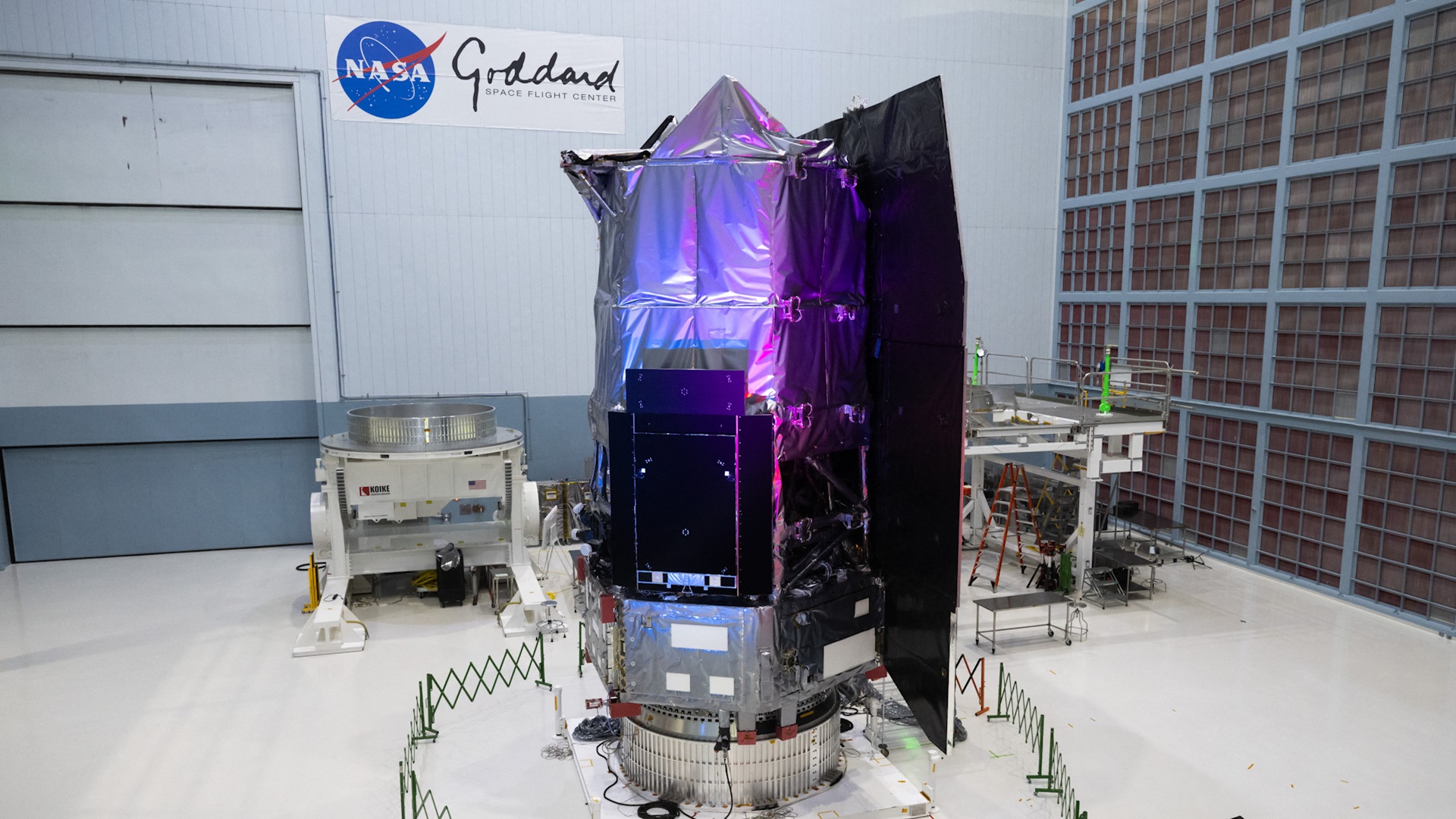
Pandora, weighing approximately 325 kilograms, will spend one year in orbit studying at least 20 known exoplanets. Using a 45-centimetre-wide telescope, the satellite will observe these distant worlds as they transit across their host stars. Such transits allow scientists to analyse how starlight filters through planetary atmospheres, helping identify their chemical compositions.
According to NASA, Pandora will monitor the brightness of host stars in visible light while simultaneously collecting infrared data. This multiwavelength approach will help scientists distinguish stellar activity from planetary atmospheric signals, improving the accuracy of exoplanet characterisation. The mission will focus on planets with atmospheres dominated by water or hydrogen, providing insights into their structure and potential habitability.

 For an optimal experience, please
rotate your device to portrait mode.