
Loading...
Loading...

Adjusted mission timeline
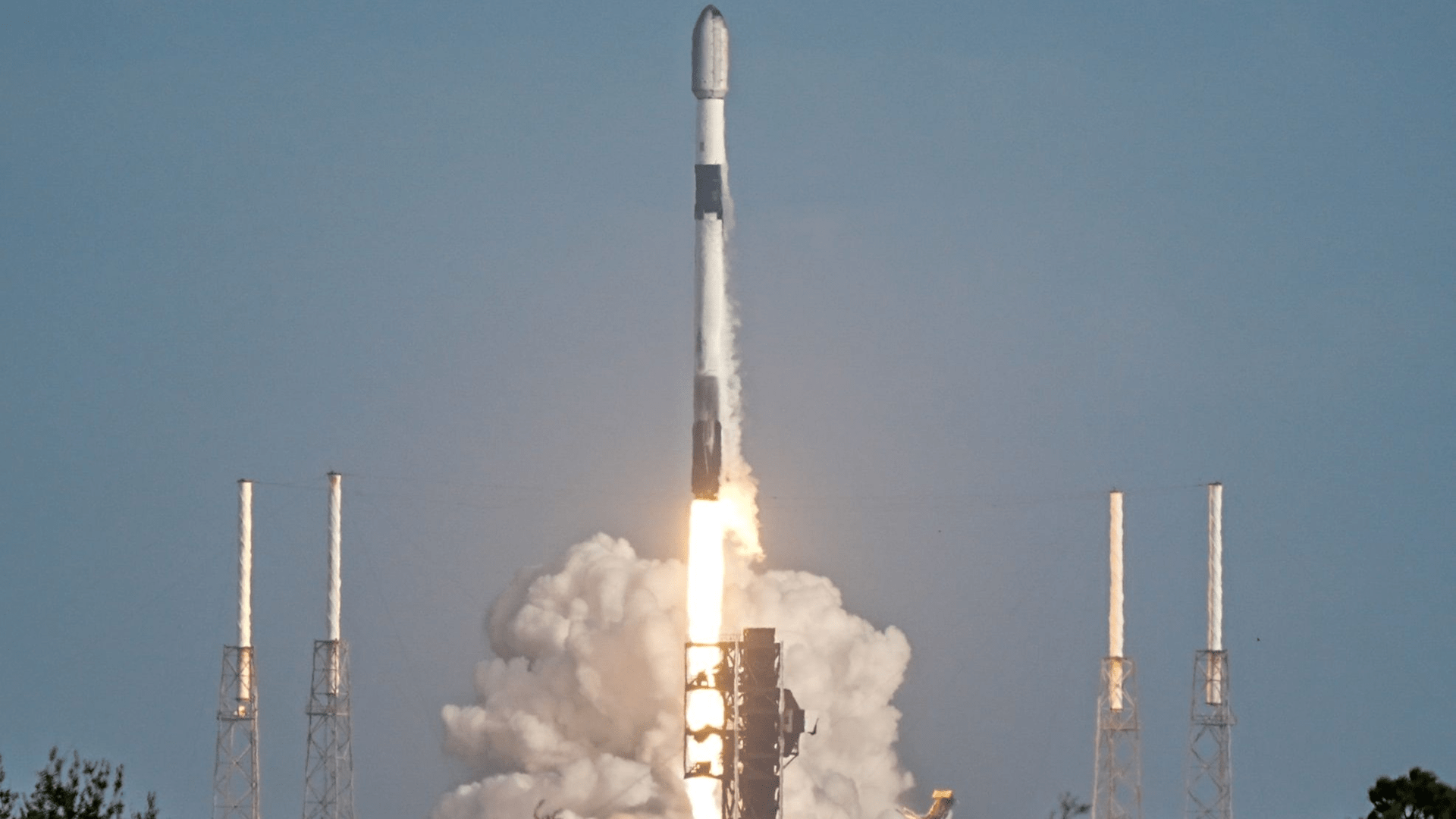
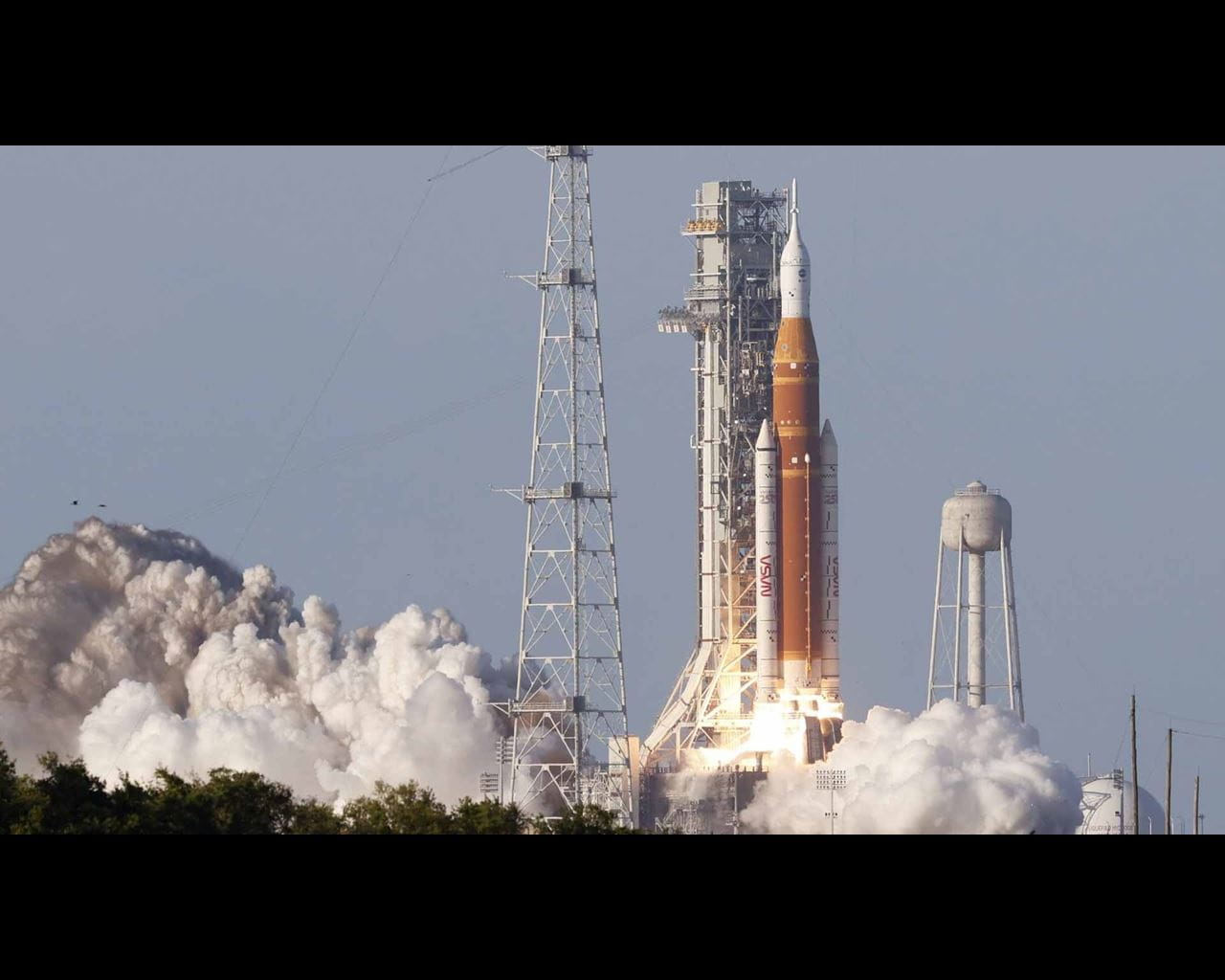
Repeated delays have affected Artemis 2, originally scheduled for February but now postponed to April. This mission is designed to achieve the first flyby of the Moon in over 50 years.
Under the new plan, Artemis 3 will no longer aim for a lunar surface landing but will focus on rendezvous in low-Earth orbit with at least one lunar lander. The subsequent Artemis 4 mission will target a lunar landing in early 2028, with the possibility of a second landing later in the year. Isaacman noted, "We’re not necessarily committing to launching two missions in 2028, but we want the opportunity to do so."
“Back to Basics” approach
Isaacman emphasized that increasing the cadence of Artemis launches is crucial for building institutional knowledge, mirroring the approach of the Apollo programme. He said, "Mercury, Gemini, Apollo, through the shuttle programme—our average launch cadence was closer to three months, not three years. Launching every three years, your skills atrophy, you lose muscle memory."
Earlier this week, Artemis 2 experienced a setback when NASA rolled back the SLS rocket and Orion spacecraft to investigate issues and perform necessary repairs.
The global space context
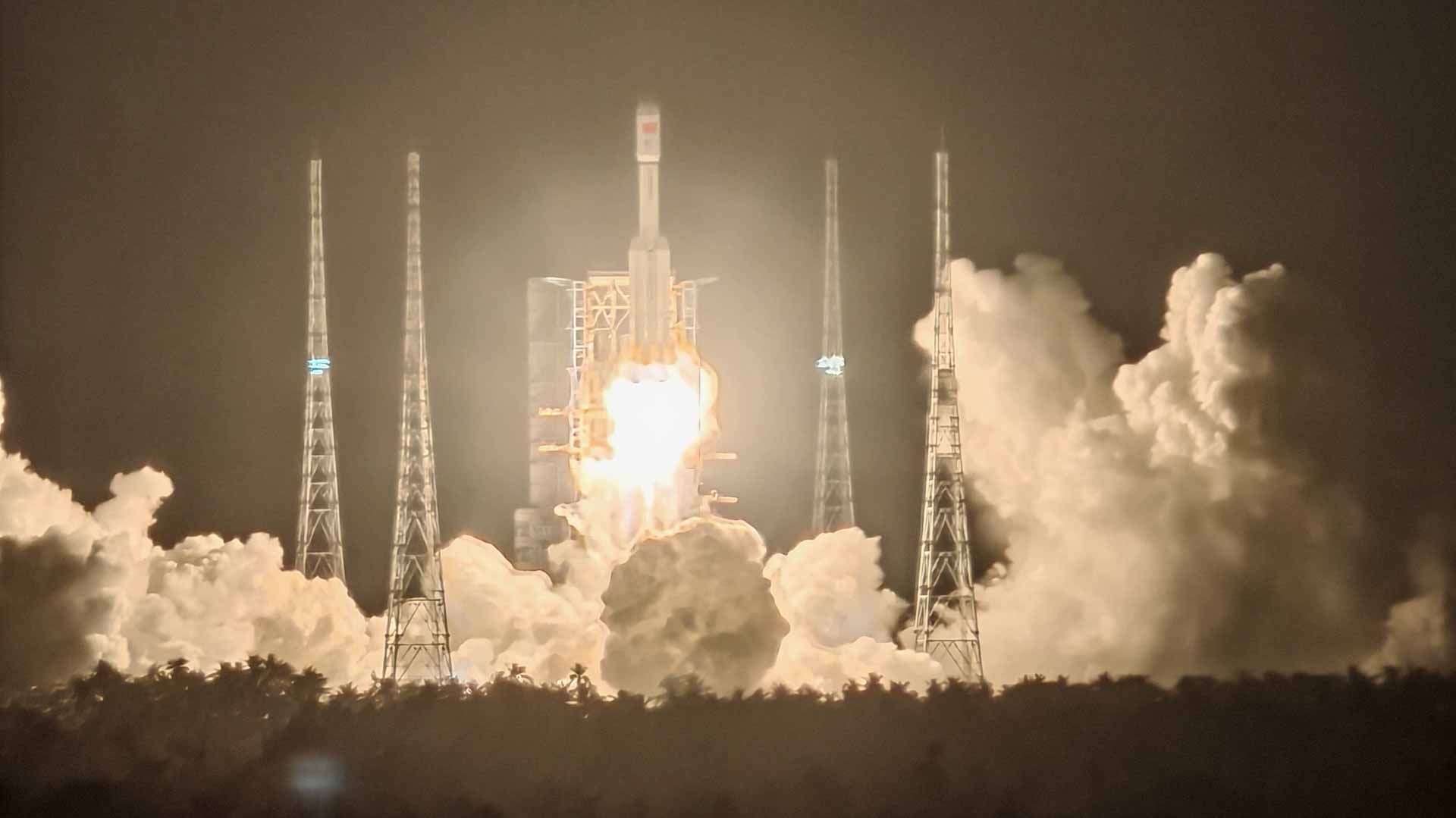
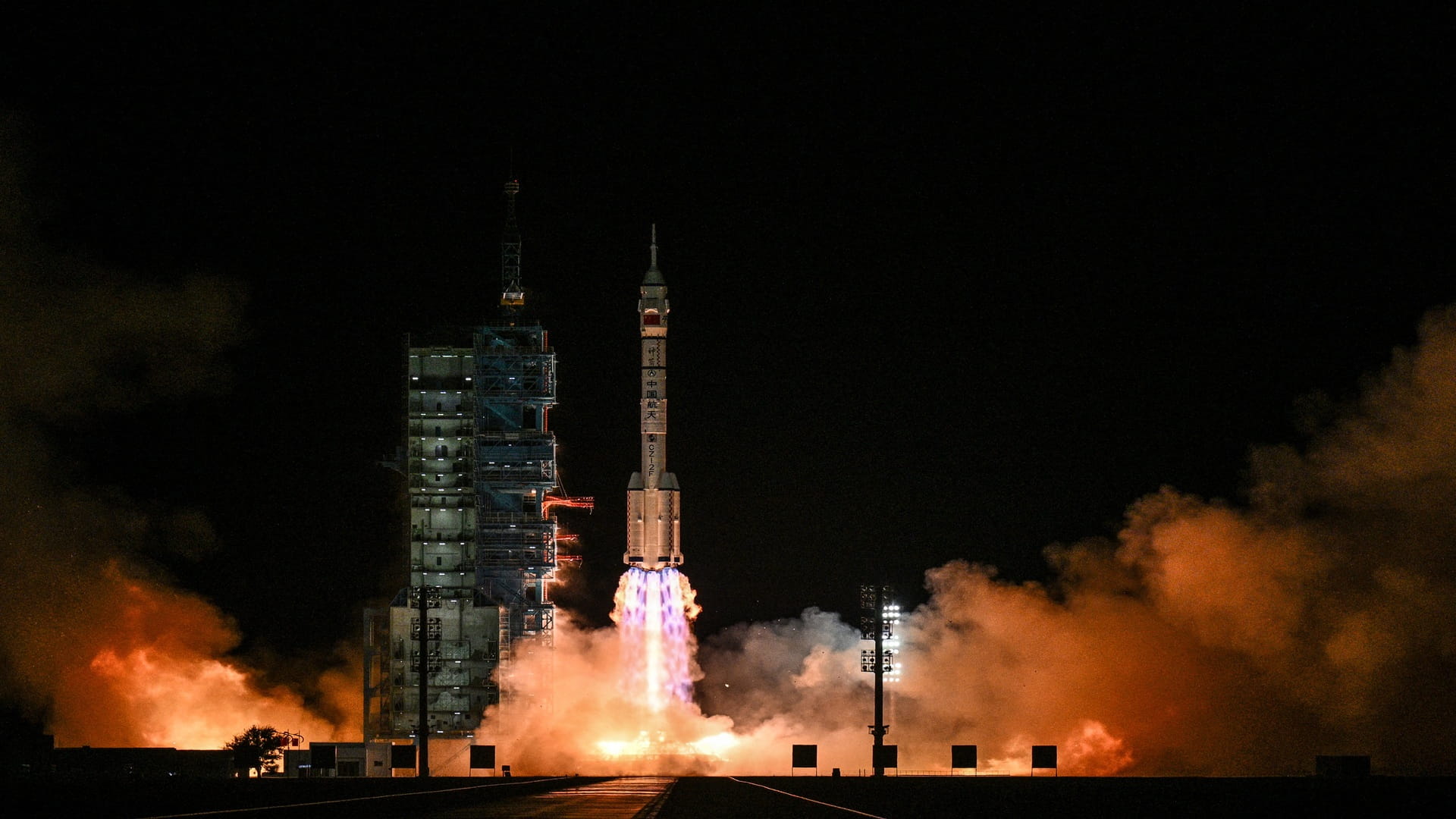
President Donald Trump had announced plans for Americans to return to the Moon, and NASA now faces competition from China, which targets a crewed lunar mission by 2030. China’s Chang’e 7 mission will explore the Moon’s south pole in 2026, and tests of its crewed spacecraft Mengzhou are also planned this year. On the concept of a “space race,” Isaacman noted, "Competition is good. We’re pursuing a common-sense approach to achieve the objective, whether we had a great rival or not."
Private sector support
NASA’s private partners, SpaceX and Blue Origin, are developing the lunar landers for Artemis. Both companies expressed support for NASA’s plans on social media, with Blue Origin stating, "We’re all in!" and SpaceX adding that it "shares the same goal as NASA of returning to the Moon with a permanent presence as expeditiously and safely as possible," noting that frequent human exploration flights help establish a sustainable presence for humans in space.

 For an optimal experience, please
rotate your device to portrait mode.