
Loading...
Loading...

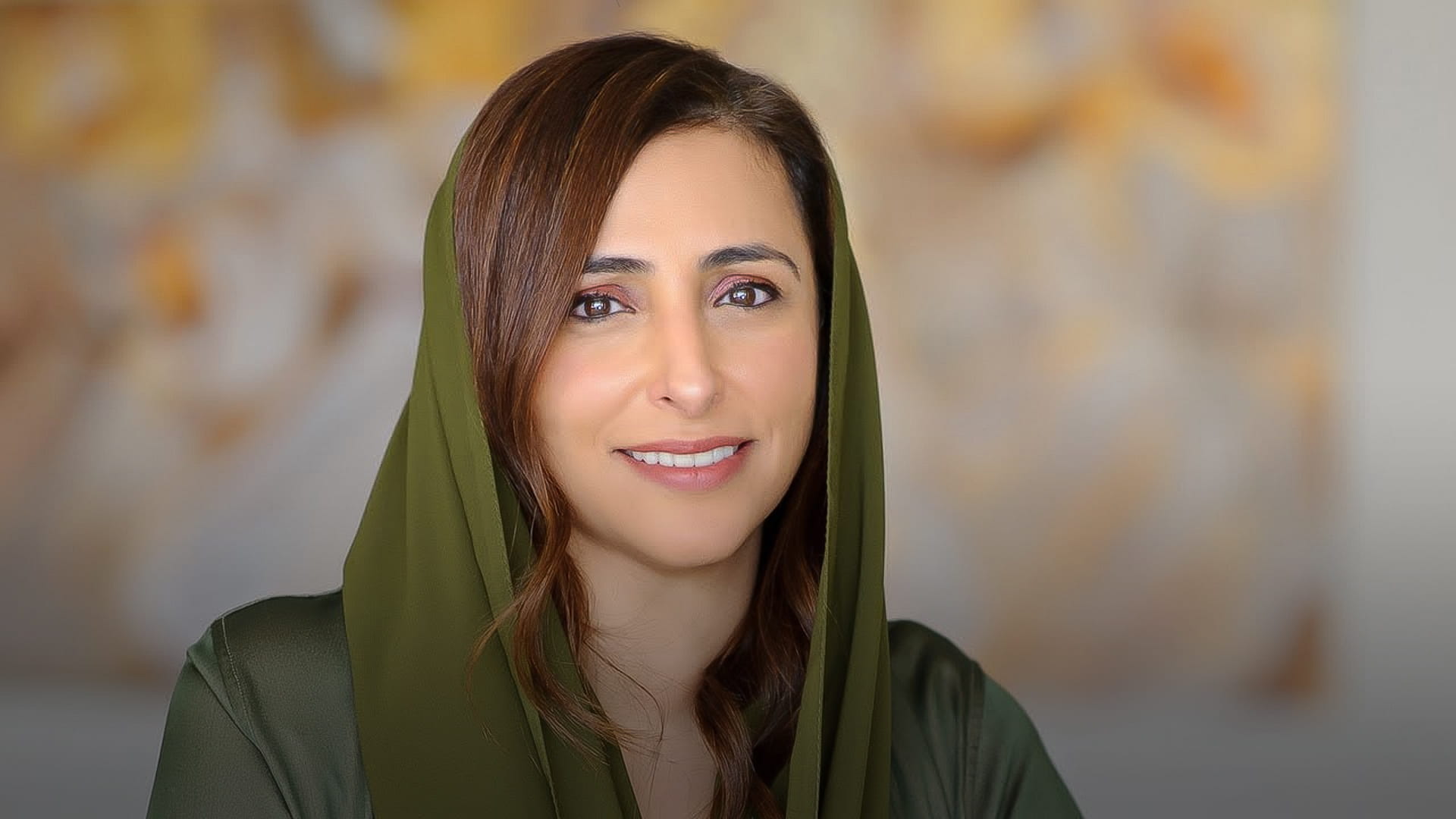
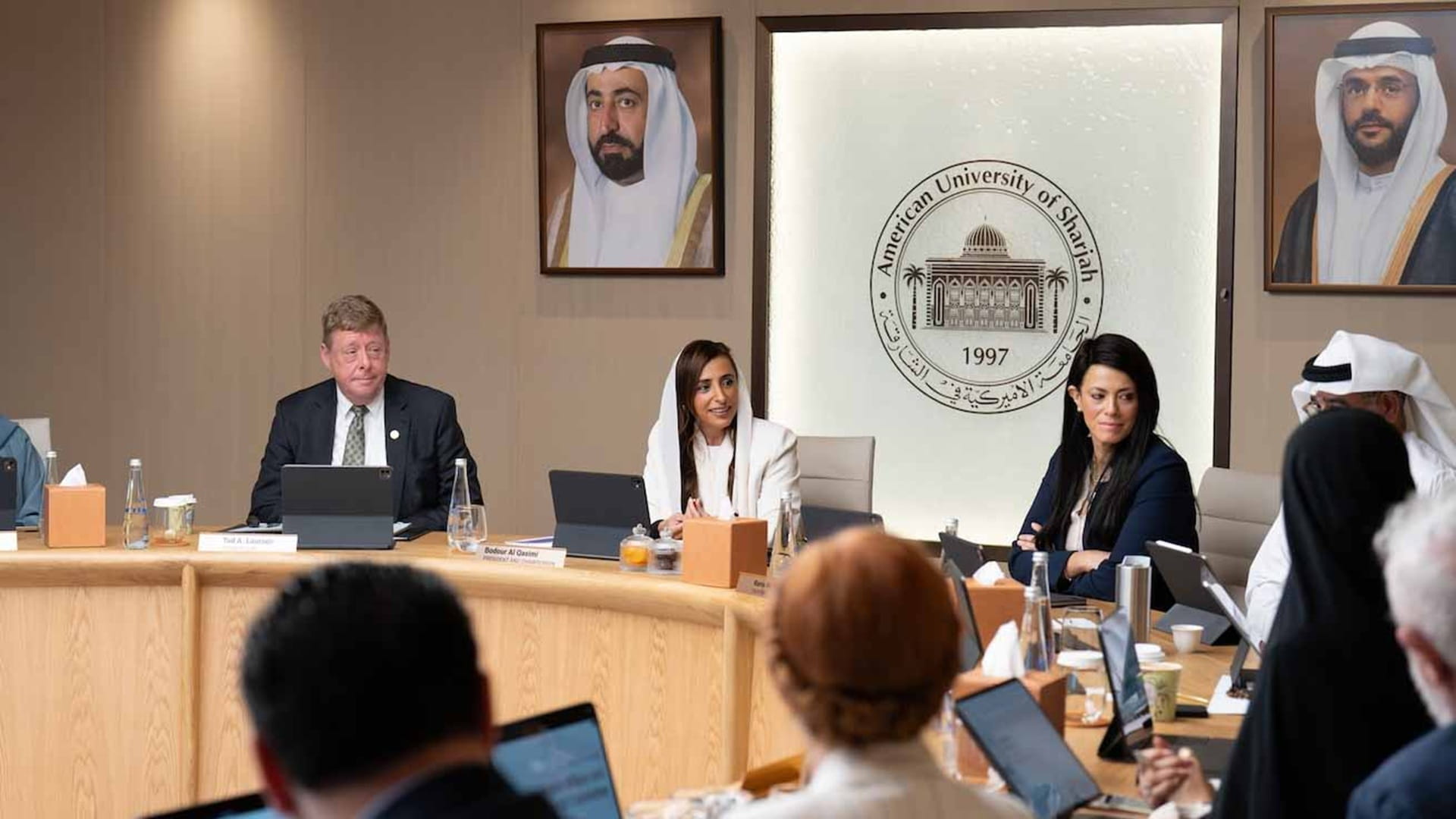
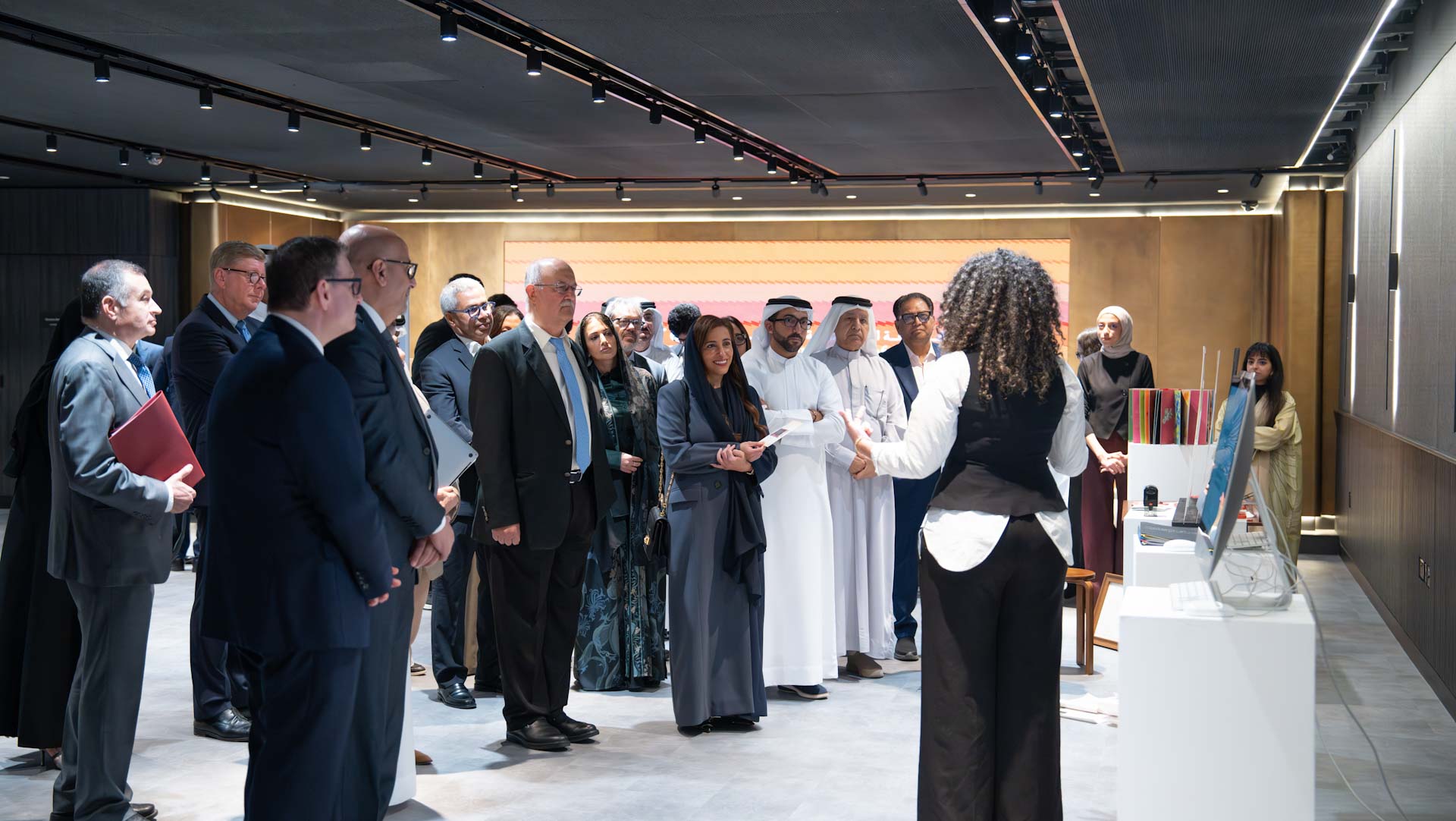
The announcement was made by Her Highness Sheikha Bodour bint Sultan Al Qasimi, Ambassador for the Faya World Heritage Property, during the official ceremony marking Faya’s inscription on the UNESCO World Heritage List. The ceremony, held in Sharjah last week, marked a historic milestone recognising decades of archaeological and scientific research that have reshaped global understanding of early human occupation in Arabia.
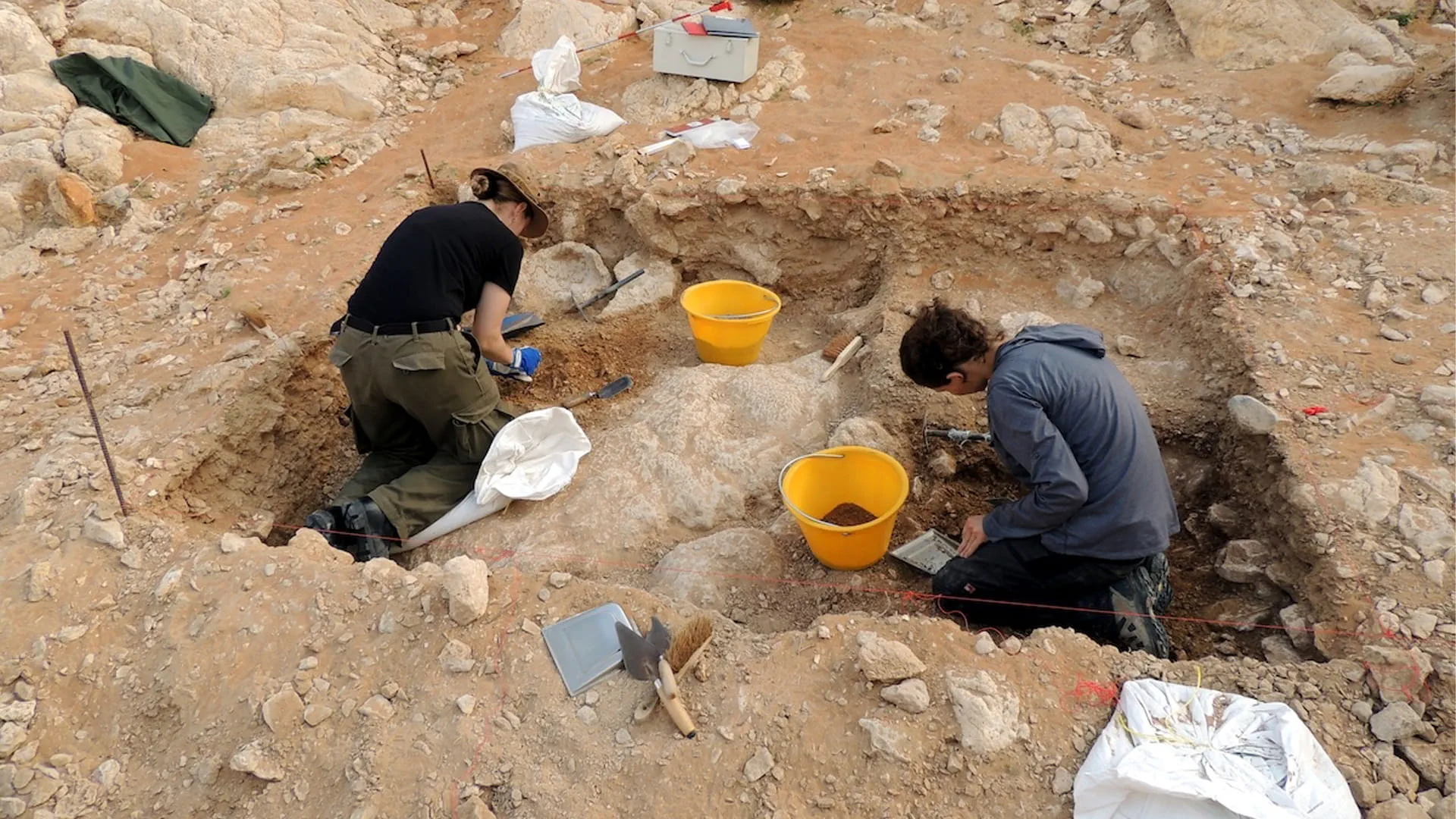
Administered by the Sharjah Archaeology Authority (SAA) in coordination with the Faya World Heritage Property Scientific Committee, the Faya Research Grant will run from 2026 to 2028, with a total investment of AED 2 million. The programme supports high-impact, independent research that strengthens the scientific foundations of Faya’s Outstanding Universal Value and positions Sharjah as a global hub for heritage science, prehistoric research, and knowledge production.
“The inscription of the Faya Palaeolandscape on the UNESCO World Heritage List was not an endpoint but a responsibility,” said Her Highness Sheikha Bodour bint Sultan Al Qasimi, Ambassador of the Faya World Heritage Property. “Through the Faya Research Grant, Sharjah is making a deliberate investment in scientific inquiry — in rigorous research, international collaboration, and the next generation of researchers. Faya continues to expand what we know about early human migration, adaptation, and innovation, and this programme ensures that its contribution to global knowledge remains active, credible, and enduring.”
His Excellency Eisa Yousif, Director-General of the Sharjah Archaeology Authority (SAA), noted: “The launch of the Faya Research Grant provides a clear operational framework for advancing scientific research at the site over the coming years. By combining multi-year funding with logistical and institutional support, the programme creates the conditions for rigorous fieldwork, analytical depth, and high-quality scholarly outputs. It also enables us to align research activity directly with the long-term management and scientific priorities of the Faya World Heritage Property, while ensuring that new knowledge continues to inform both international scholarship and local capacity building.”
Online applications for the Faya Research Grant, along with further details, are available at https://jebelfaya.ae/faya-research-grant/. The application deadline is 1 March 2026, with funded research activities commencing in 2026.
The Faya Research Grant comprises three complementary funding streams that support both sustained scientific inquiry and targeted research interventions. These include a long-term research grant spanning three years, focused on reconstructing ancient environments and prehistoric human settlement at Faya; six short-term research grants supporting specialised archaeological, palaeoenvironmental, digital heritage, and conservation studies; and a dedicated mentoring fellowship for Emirati youth, delivered in collaboration with the University of Tübingen, to develop national expertise through structured international training and fieldwork.
With an annual allocation of AED 2M, the grant combines financial support with infrastructure and logistical assistance from the Sharjah Archaeology Authority, enabling researchers to focus resources on scientific analysis, peer-reviewed publications, and high-quality datasets. All funded projects must be fully independent and contribute directly to advancing scientific understanding of the Faya Palaeolandscape.
The programme is open to international researchers and institutions, with eligibility requirements including a doctoral qualification, a strong publication record, and demonstrated experience in prehistoric archaeology or palaeoenvironmental research. Preference will be given to proposals that actively engage local researchers and institutions, thereby reinforcing Sharjah’s commitment to collaborative and inclusive knowledge production.
Through this initiative, Sharjah continues to translate World Heritage recognition into sustained scientific leadership, transforming the Faya Palaeolandscape into a living laboratory for international research collaboration, heritage science, and the development of future generations of archaeologists and researchers.

 For an optimal experience, please
rotate your device to portrait mode.


.jpeg?h=1079&w=1920&hash=059175F456ABFC7904270A162FBBFFAC)