
Loading...
Loading...

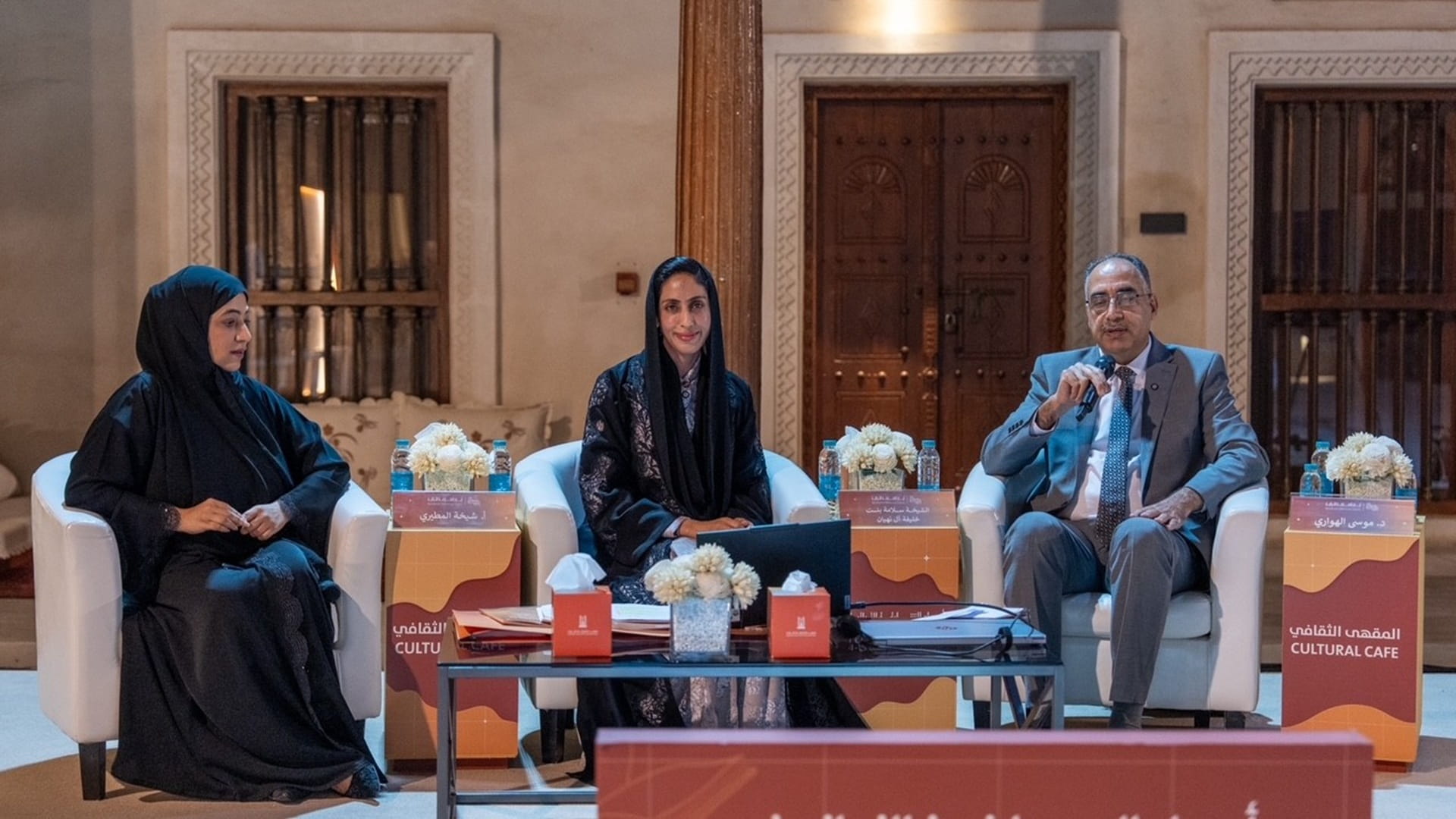
Dr Mousa Al Hawari, Education Content Development Official at the department, said it is one of the UAE’s leading cultural institutions, playing a central role in shaping the cultural scene through a network of world-class museums and heritage sites, including Louvre Abu Dhabi, Zayed National Museum, and sites in Al Ain and Al Dhafra.
Al Hawari noted that the merger of the culture and tourism sectors strengthened integration, enhanced the visitor experience, and reinforced Abu Dhabi’s status as a cultural capital and regional hub, while embedding local culture within the broader development vision.
He explained that the department established the country’s first specialised cultural education division, offering programmes and seminars on history and heritage, forming specialist teams, and organising training courses for young people to promote knowledge transfer and community engagement.
Examples were presented of transforming heritage sites into interactive educational platforms, such as Qasr Al Hosn with digital experiences and learning libraries, Al Jahili Fort linked to the legacy of Sheikh Zayed, and Al Muwaiji and Al Ain museums, which provide historical narratives that strengthen students’ connection to national leadership history.
Al Hawari added that cultural education is now a core component of cultural institutions, integrated with school curricula. Zayed National Museum, for example, offers an educational experience based on the “narrative of place”, alongside expanding digital cultural content through applications and technology platforms.
He said the department seeks to reach all audience groups by blending modern and traditional music, presenting cultural artworks and textiles on Saadiyat Island, and working with the Ministry of Education on storytelling development, cultural guide training, and curriculum design.
Sheikha Salama bint Khalifa Al Nahyan stressed the importance of raising students’ awareness of cultural heritage, linking curricula to national heritage, and enabling museums to serve as open learning environments connecting past and present.
She highlighted the UAE’s success in registering 14 heritage elements, participating with a UNESCO pavilion in Japan, launching an English-language educational resource for Al Ain cultural sites with the Ministry of Education, publishing multiple cultural books, and introducing the UAE’s first specialised educational platform, reflecting the country’s strong global cultural presence.

 For an optimal experience, please
rotate your device to portrait mode.