
Loading...
Loading...

Voting outcome
The draft resolution, submitted by the Kingdom of Bahrain, received support from 11 member states. However, both the Russian Federation and the People’s Republic of China exercised their veto powers, while Pakistan and Colombia abstained from voting.
Bahrain’s response
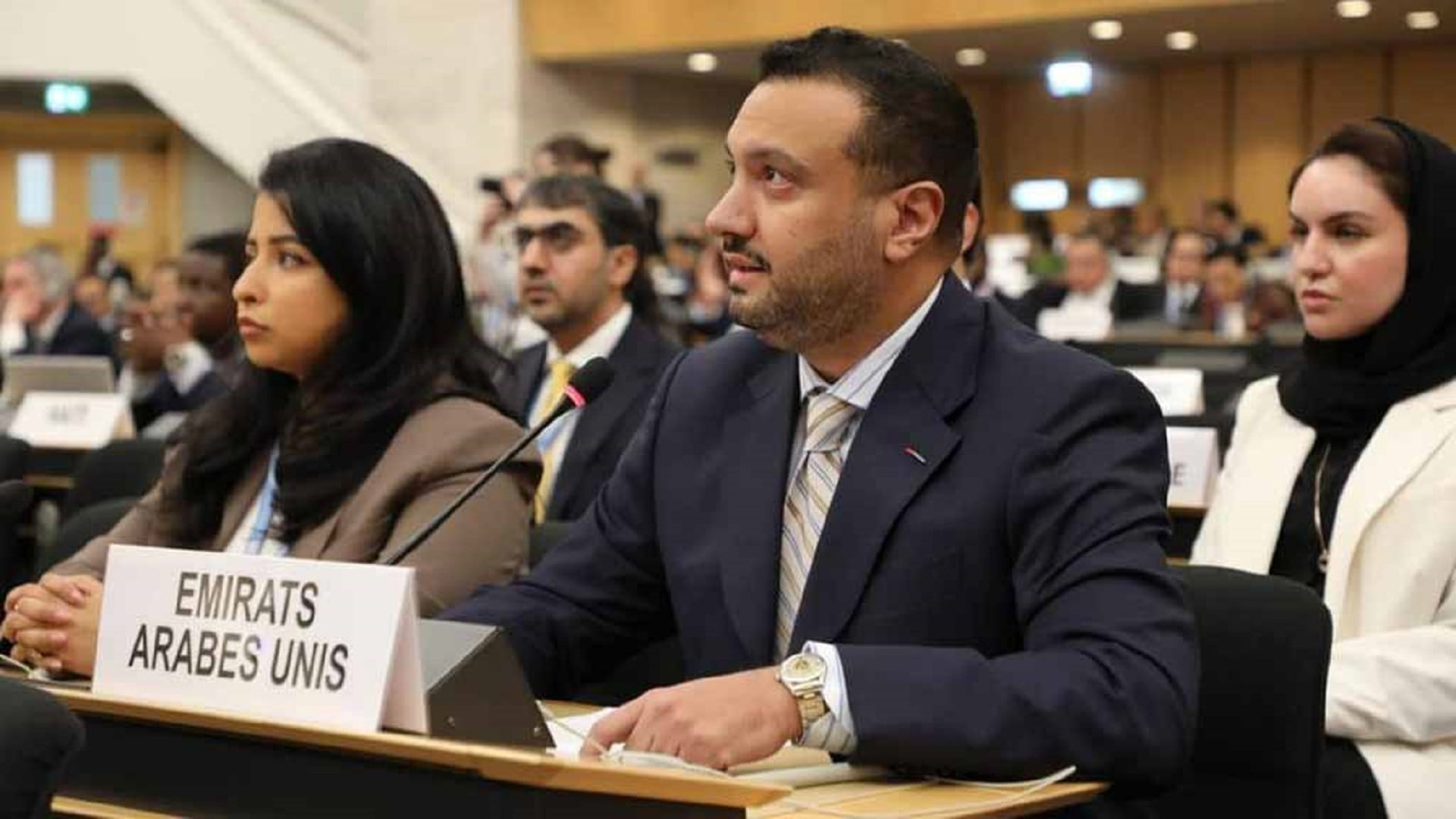
Dr Abdullatif bin Rashid Al Zayani, Minister of Foreign Affairs of Bahrain, expressed deep regret over the Security Council’s failure to adopt the resolution. He highlighted that Iran’s continued interference in international navigation requires a firm international response, warning that inaction could have serious consequences for global security.
Iran’s threats to navigation
Al Zayani described Iran’s threats as a “documented negative approach,” emphasizing that Iran has no right to close the Strait of Hormuz or block vital resources. He underlined that Bahrain’s draft resolution aligns with international law, including the United Nations Convention on the Law of the Sea.
International responsibility
The Bahraini Foreign Minister reminded the international community that the Gulf states are a key source of global energy, making the Strait of Hormuz a shared international responsibility.
Key provisions of the draft resolution
The amended Bahraini draft condemned attacks and threats targeting commercial vessels, holding Iran responsible for undermining maritime security and threatening global trade and energy supplies. It called for the immediate cessation of all attacks and obstruction attempts, respect for international law and freedom of navigation, coordination by concerned states to defend commercial ships including escorts when needed, and protection of civilian infrastructure, including oil, gas, and water facilities.
Broader security concerns
The resolution also raised concerns over potential threats to the Bab al-Mandab Strait, noting that attempts to disrupt navigation in these critical waterways pose a serious threat to international security.

 For an optimal experience, please
rotate your device to portrait mode.