
Loading...
Loading...

While Iran submitted a new proposal this week to reopen the strategic Strait of Hormuz, Trump reportedly expressed doubts about Tehran’s sincerity in negotiations. According to the The Wall Street Journal, he instructed national security officials to prepare for a prolonged blockade aimed at pressuring Iran to abandon its nuclear programme.
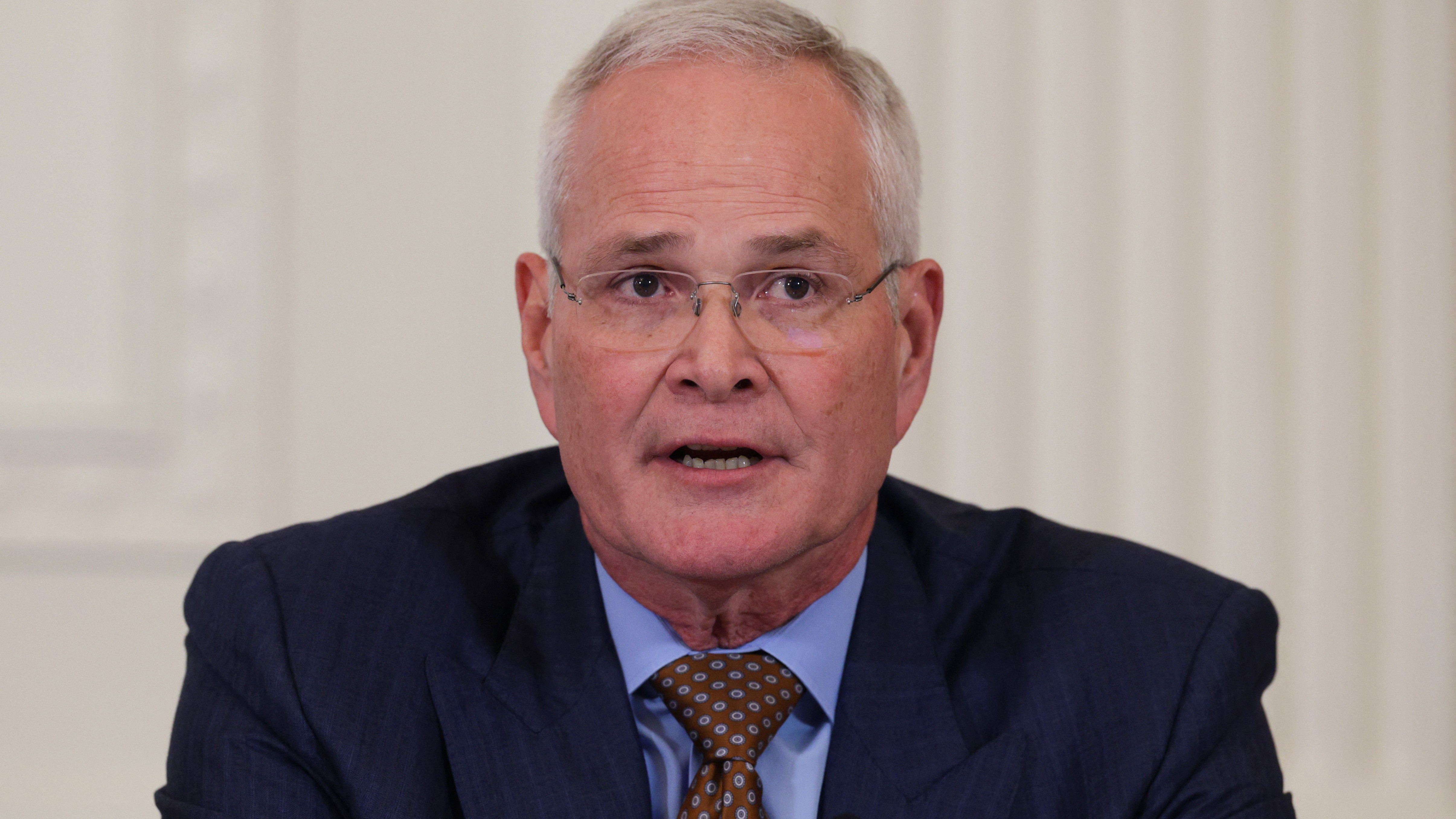
During a meeting with oil executives on Tuesday, Trump discussed measures to stabilise global oil markets and options to sustain the blockade for months while minimising the impact on American consumers, according to a White House official speaking anonymously.
Axios reported that Admiral Brad Cooper, head of US Central Command, would brief Trump on potential military action. The report suggests the administration is seriously considering resuming large-scale operations, which had paused more than three weeks ago for negotiations.
Trump previously described the blockade as more effective than bombing, stating it would continue until a deal addressing Iran’s nuclear ambitions is secured. In a post on Truth Social, he criticised Iran’s handling of negotiations and urged it to reach a non-nuclear agreement.
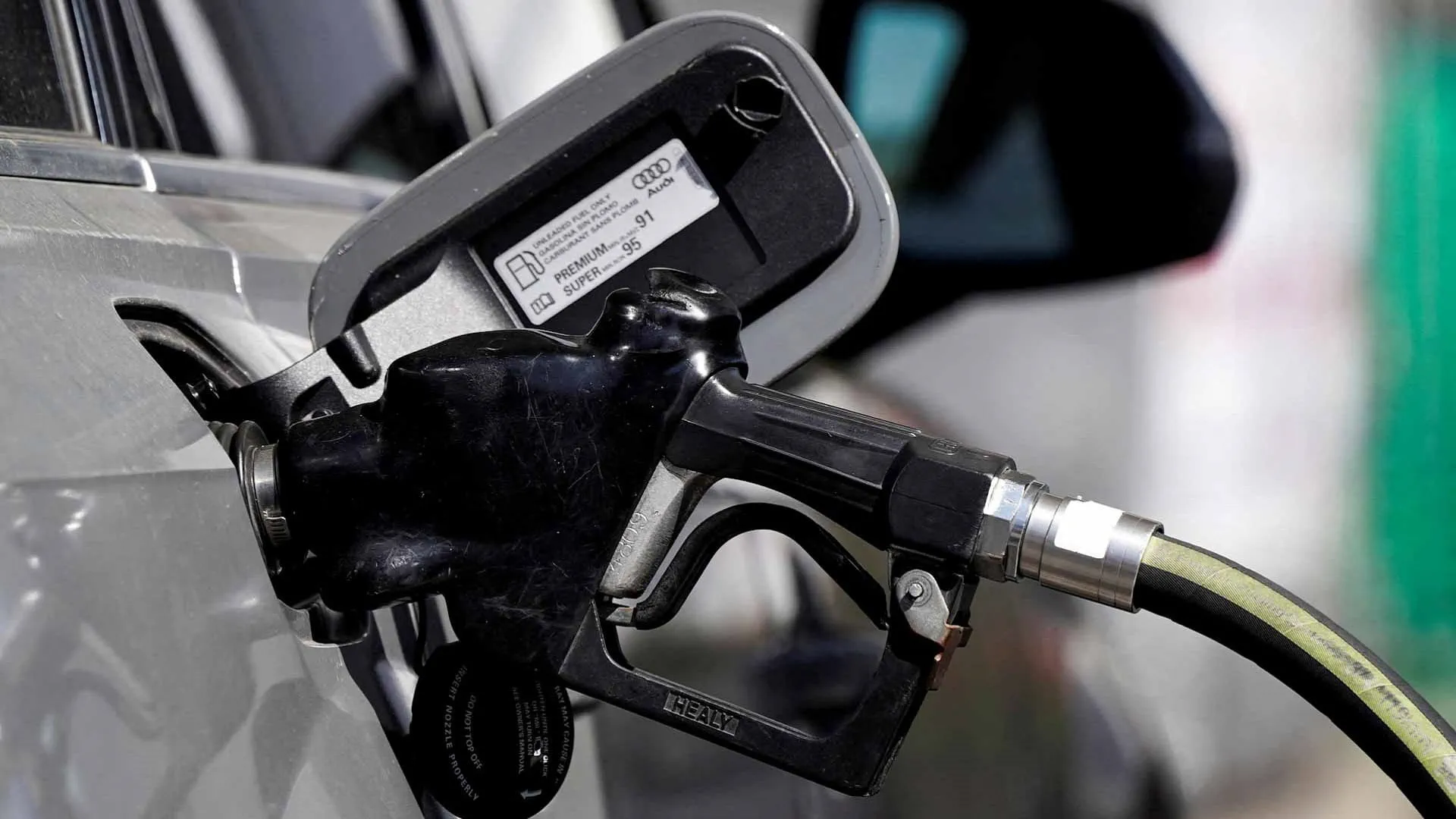
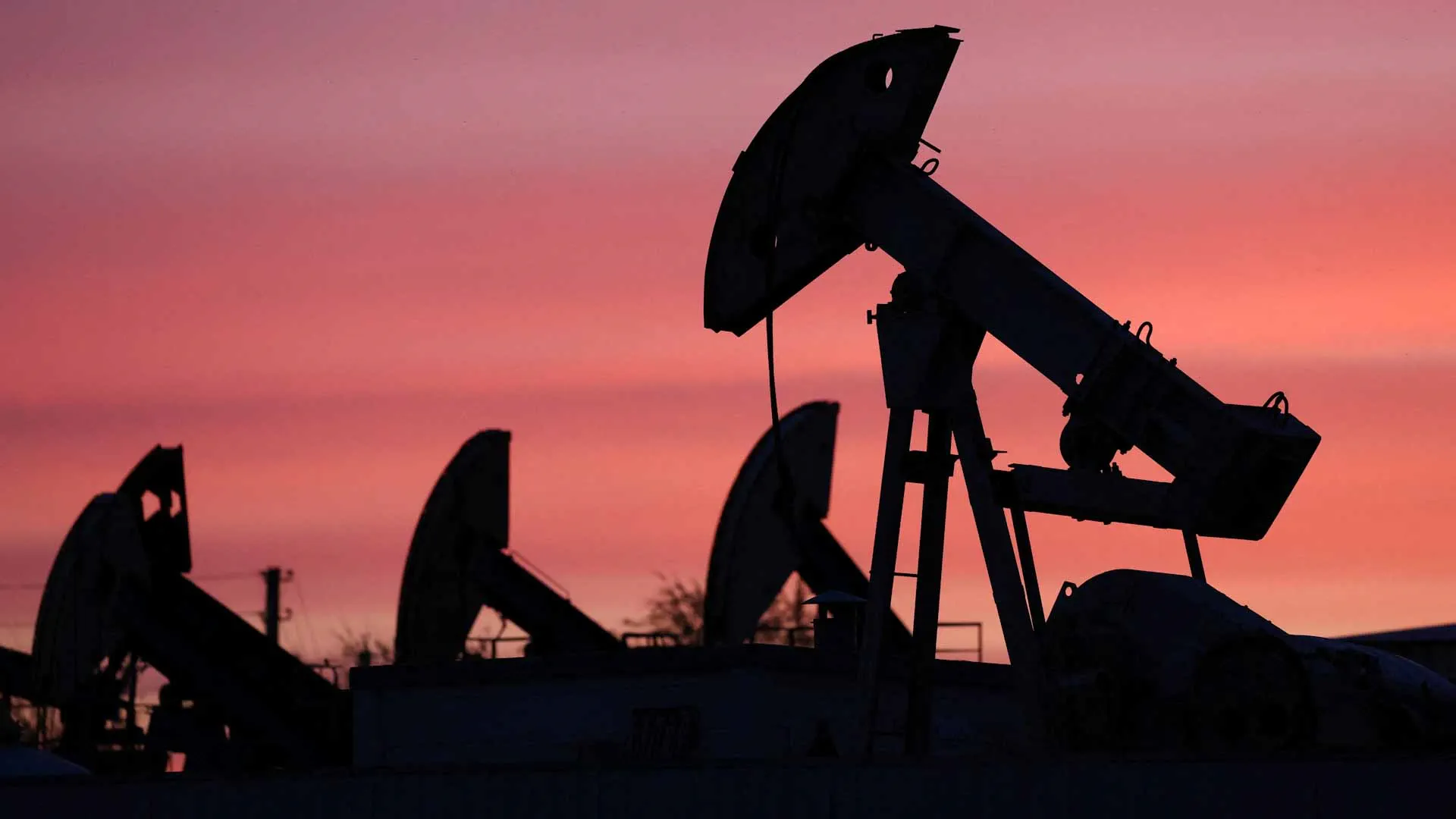
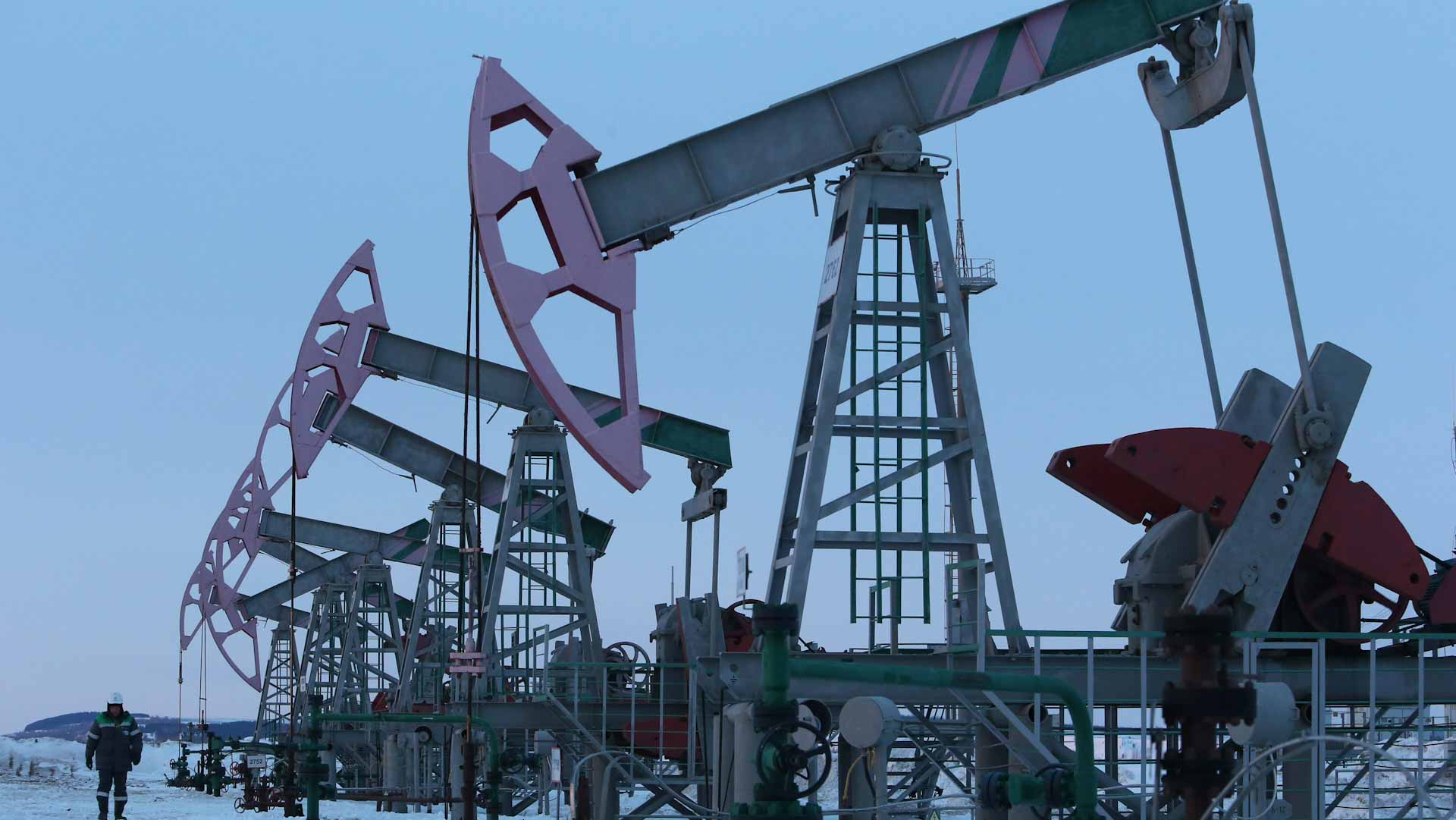
Concerns over a prolonged closure of the Strait of Hormuz—through which around one-fifth of global oil and gas supplies pass—pushed crude prices to their highest level since 2022 following Russia’s invasion of Ukraine. Brent crude rose 7.1 percent to $126.41 per barrel, while West Texas Intermediate increased 3.4 percent to $110.31 before easing slightly.
Analysts noted that markets are increasingly expecting a longer crisis than initially anticipated, with sentiment shifting from optimism to concern as negotiations appear stalled.
Equity markets declined across Asia, with Tokyo, Hong Kong, Seoul, and Mumbai each falling more than 1 percent. Other markets, including Sydney, Taipei, Bangkok, Manila, and Jakarta, also recorded losses, while Shanghai, Singapore, and Wellington posted gains.
In Europe, Paris dropped after data showed zero economic growth in France during the first quarter, Frankfurt also declined, and London remained flat.
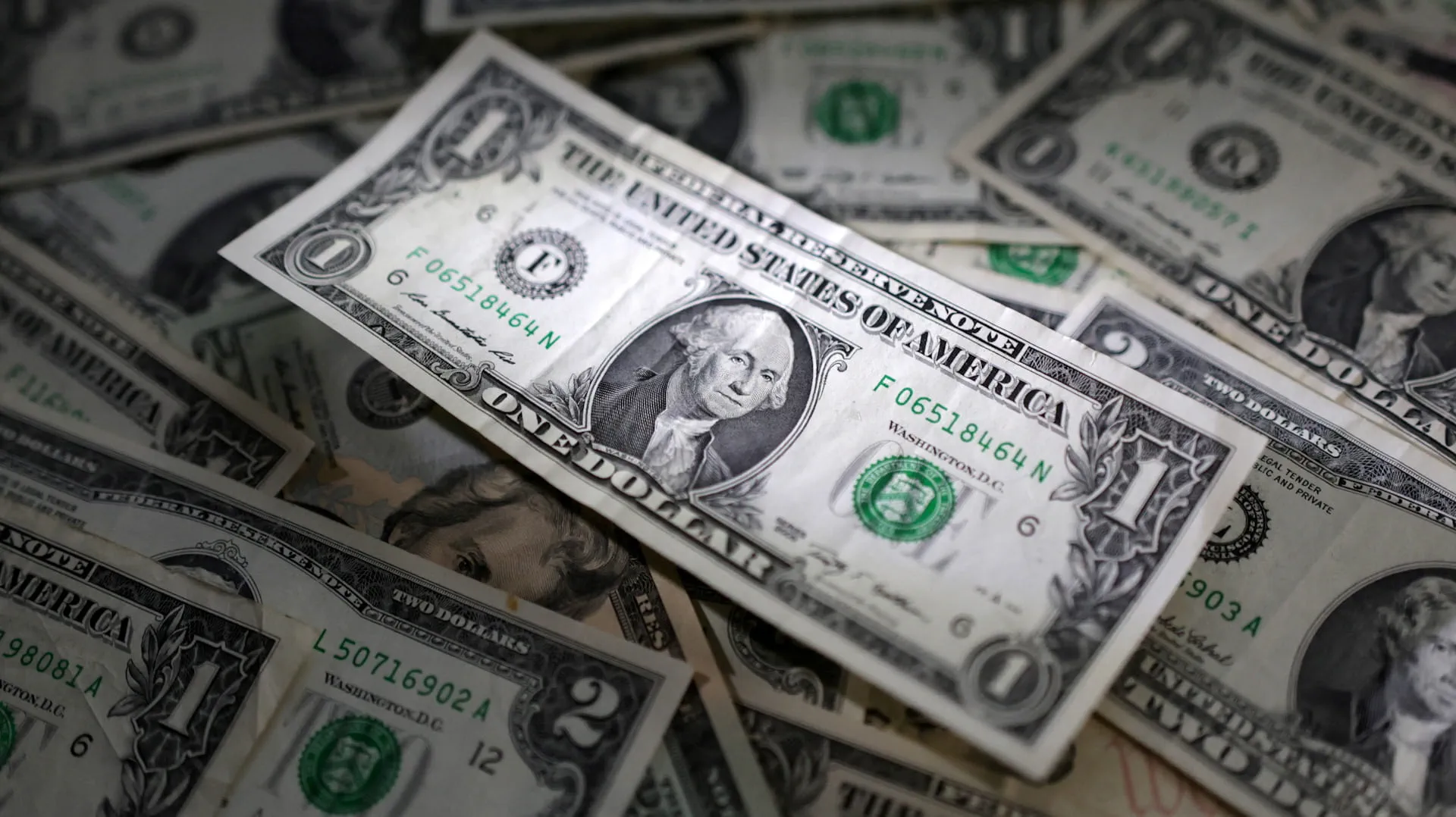
The US dollar strengthened against other currencies, benefiting from its status as a safe-haven asset during geopolitical uncertainty.
In recent weeks, stock markets had been supported by a resurgence in AI-related investments. South Korea’s Kospi index reached record highs, driven by strong performance in the technology sector.
Samsung Electronics reported a 750 percent surge in operating profit to a record level, supported by strong demand for AI-related chips, and projected continued growth in the coming months. This followed strong earnings from major tech firms including Microsoft, Meta, and Alphabet.
Investors are also closely watching the US Federal Reserve’s policy direction after four members dissented in a recent decision to hold interest rates steady due to inflation concerns linked to rising energy costs. Three opposed including an easing bias in the policy statement, while a fourth member, Trump appointee Stephen Miran, advocated for a quarter-point rate cut.
The latest meeting marked the final one chaired by Jerome Powell, with Kevin Warsh expected to assume leadership next month. Trump has frequently criticised Powell for not reducing borrowing costs more quickly during his presidency.

 For an optimal experience, please
rotate your device to portrait mode.