
Loading...
Loading...
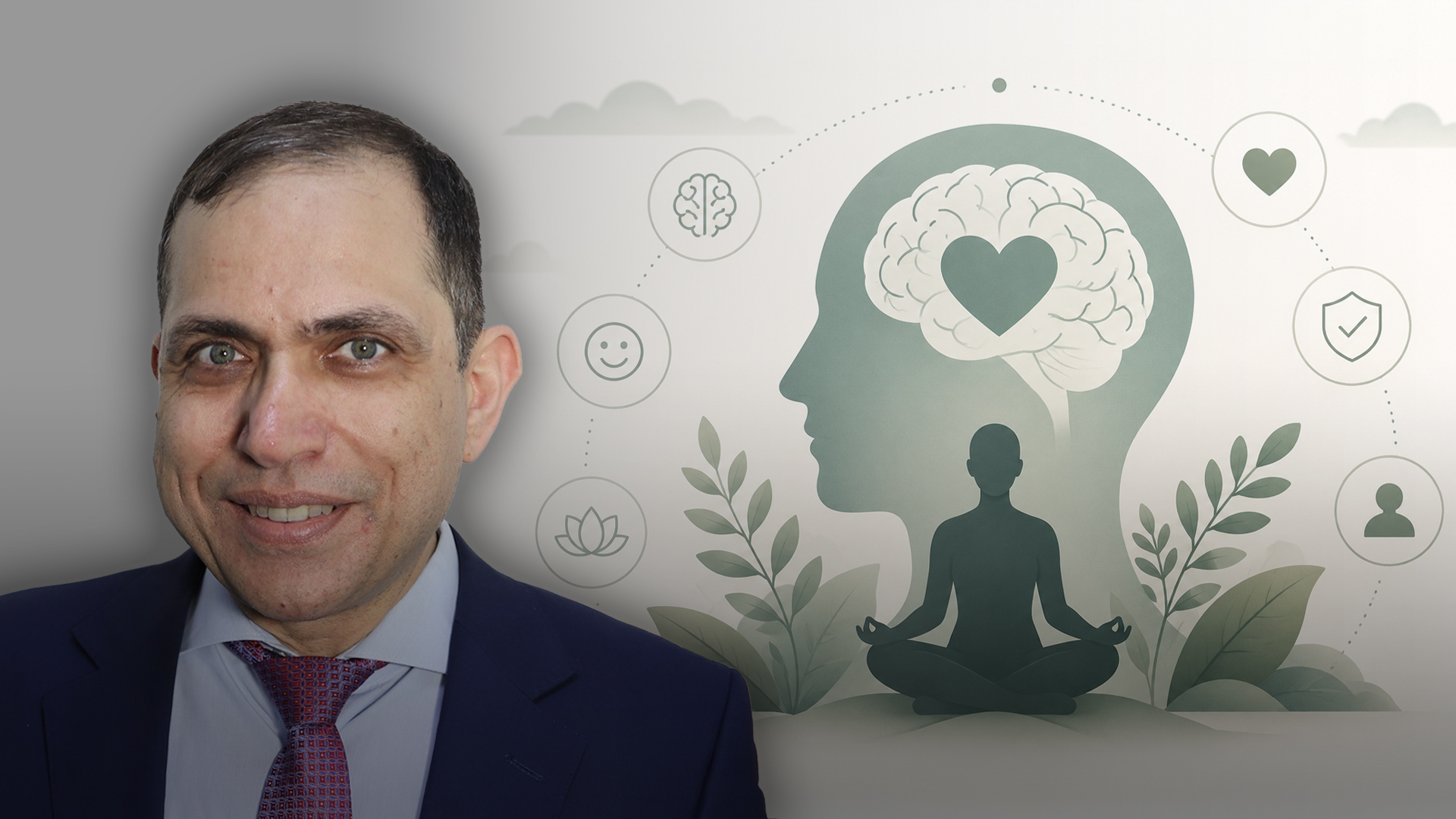
Modern psychology offers helpful ways to understand how we respond to stress. One such framework is Polyvagal Theory, developed by Professor Stephen Porges. It suggests that our nervous system is constantly scanning for cues of safety or danger, shaping how we feel and behave. At times, we may feel calm, connected, and open to others. At other times, we may become anxious and reactive or withdraw and shut down when overwhelmed. While this model is best understood as a helpful guide rather than a definitive explanation, it reminds us of something important: our reactions are often physiological, not personal weaknesses.
This is where self-regulation becomes vital. Self-regulation is the ability to notice what is happening within us and gently guide ourselves back toward balance. It is found in simple but powerful acts: slowing the breath, pausing before responding, grounding ourselves in the present moment, or reaching out to someone we trust. These are not complicated techniques, but they require awareness. Many cultural and spiritual practices already cultivate this awareness, whether through moments of prayer, reflection, or quiet stillness during the day. In these pauses, the body finds safety again.
Yet self-regulation alone is not enough. It helps us respond in the moment, but what sustains us over time is self-care. Self-care is broader and more intentional. It is the daily commitment to living in a way that supports our wellbeing before stress becomes overwhelming. It includes caring for the body through rest and movement, nurturing the heart through meaningful relationships, and strengthening the spirit through reflection, gratitude, and connection to purpose. In this sense, self-care is not indulgence, rather it is responsibility. It reflects an understanding that we cannot give to others from a place of depletion: You can’t pour from an empty cup!
An important insight from Polyvagal Theory is that regulation is relational as well as individual: a calm presence, kind words, or simply being with someone can help them feel safe. So let us remember that caring for ourselves is a continuous, intentional practice grounded in awareness of our bodies, emotions, and needs, expressed through small daily choices. It is sustained by connection to our values, faith, and others. By caring for ourselves, we not only improve our own wellbeing but also foster supportive, resilient communities where others can feel safe and whole.

 For an optimal experience, please
rotate your device to portrait mode.