
Loading...
Loading...

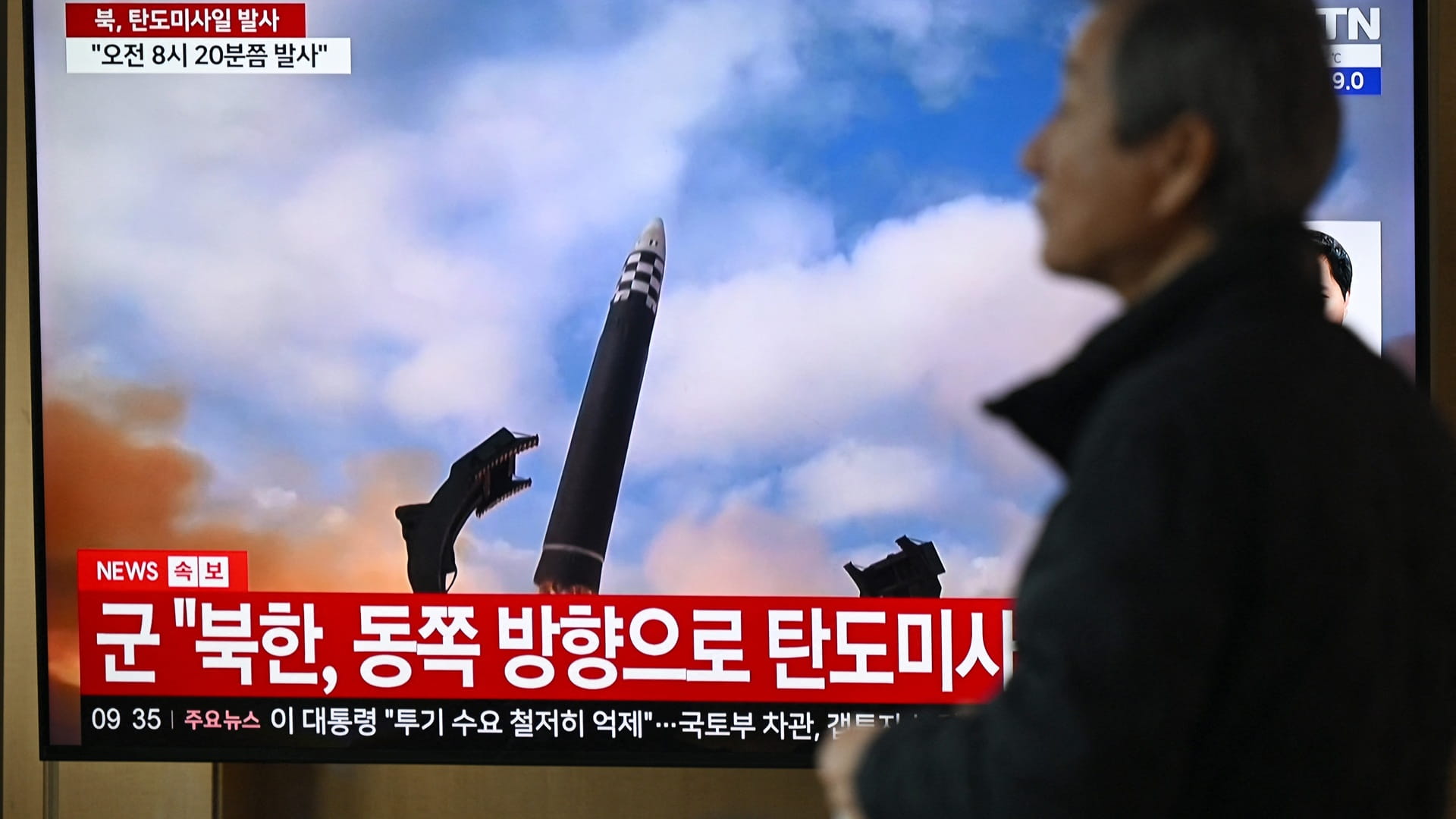
North Korea threatened to leave the Nuclear Non-Proliferation Treaty (NPT) in 1993 before officially withdrawing from it in 2003.
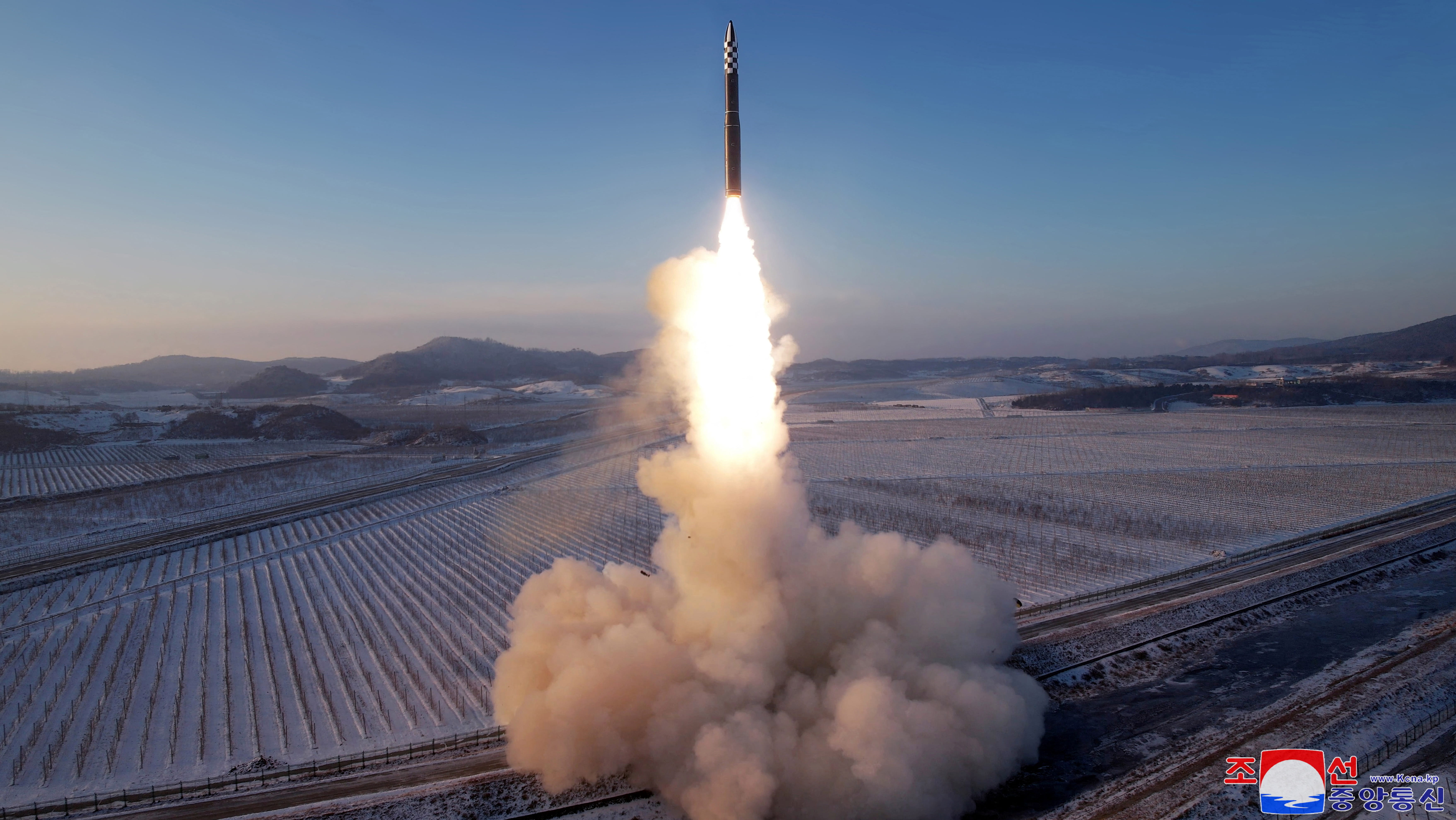
Since then, the country has carried out six nuclear tests, triggering extensive international sanctions, and is believed to possess dozens of nuclear warheads.
Member states of the NPT are currently holding a review conference of the landmark treaty at the United Nations.
During the meeting, North Korea’s chief UN envoy Kim Song accused the United States and countries aligned with it of “groundlessly” challenging North Korea’s sovereign rights and current status, according to a statement published by the Korean Central News Agency.
“The status of the Democratic People’s Republic of Korea as a nuclear-armed state will not change based on external rhetorical claims or unilateral desires,” Kim said, using North Korea’s official name.
He further stressed that the country “will not be bound by the Non-Proliferation Treaty under any circumstances whatsoever.”
Kim added that North Korea’s position as a nuclear state has been “enshrined in the constitution,” including clearly stated principles governing the use of nuclear weapons.
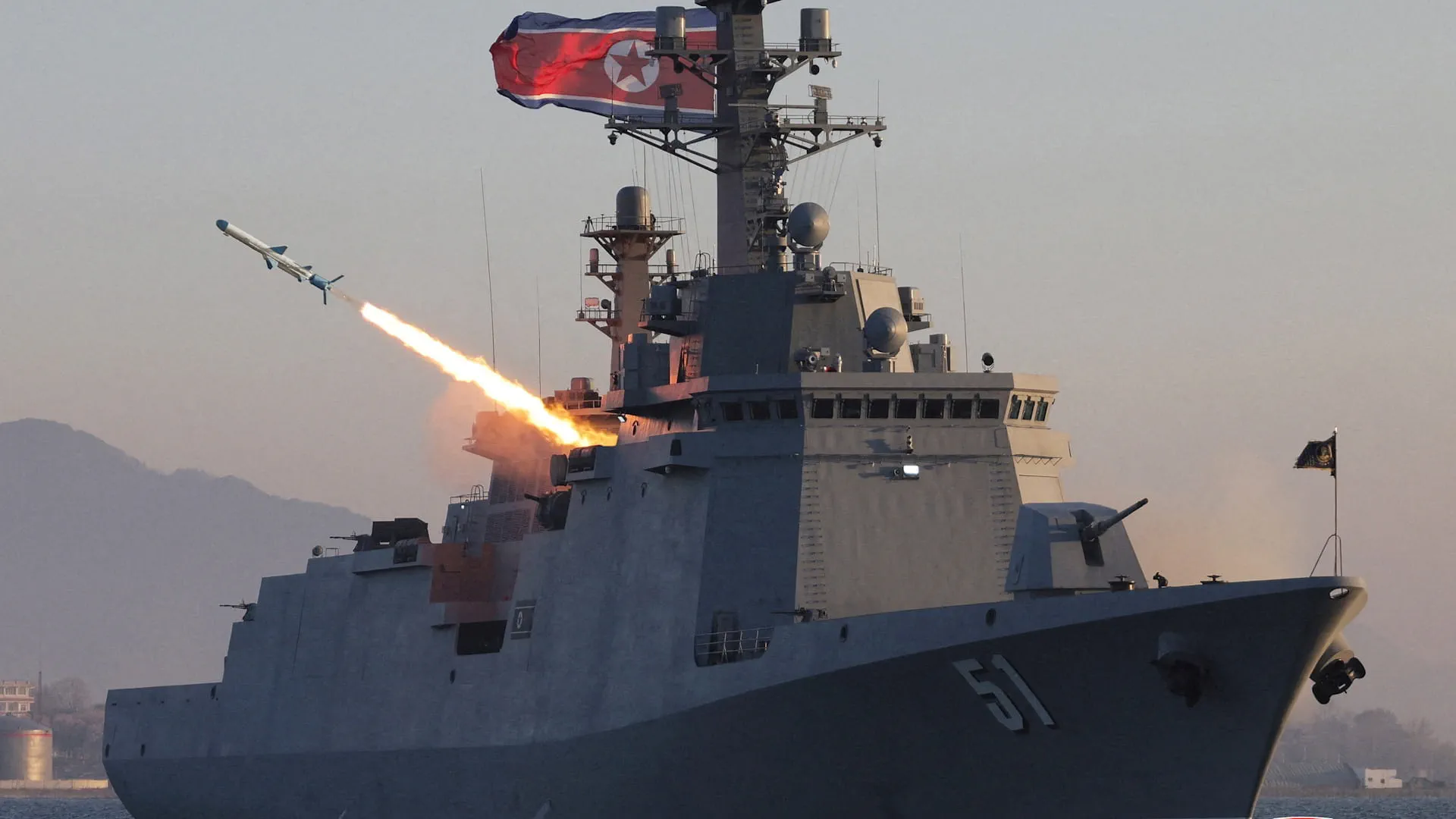
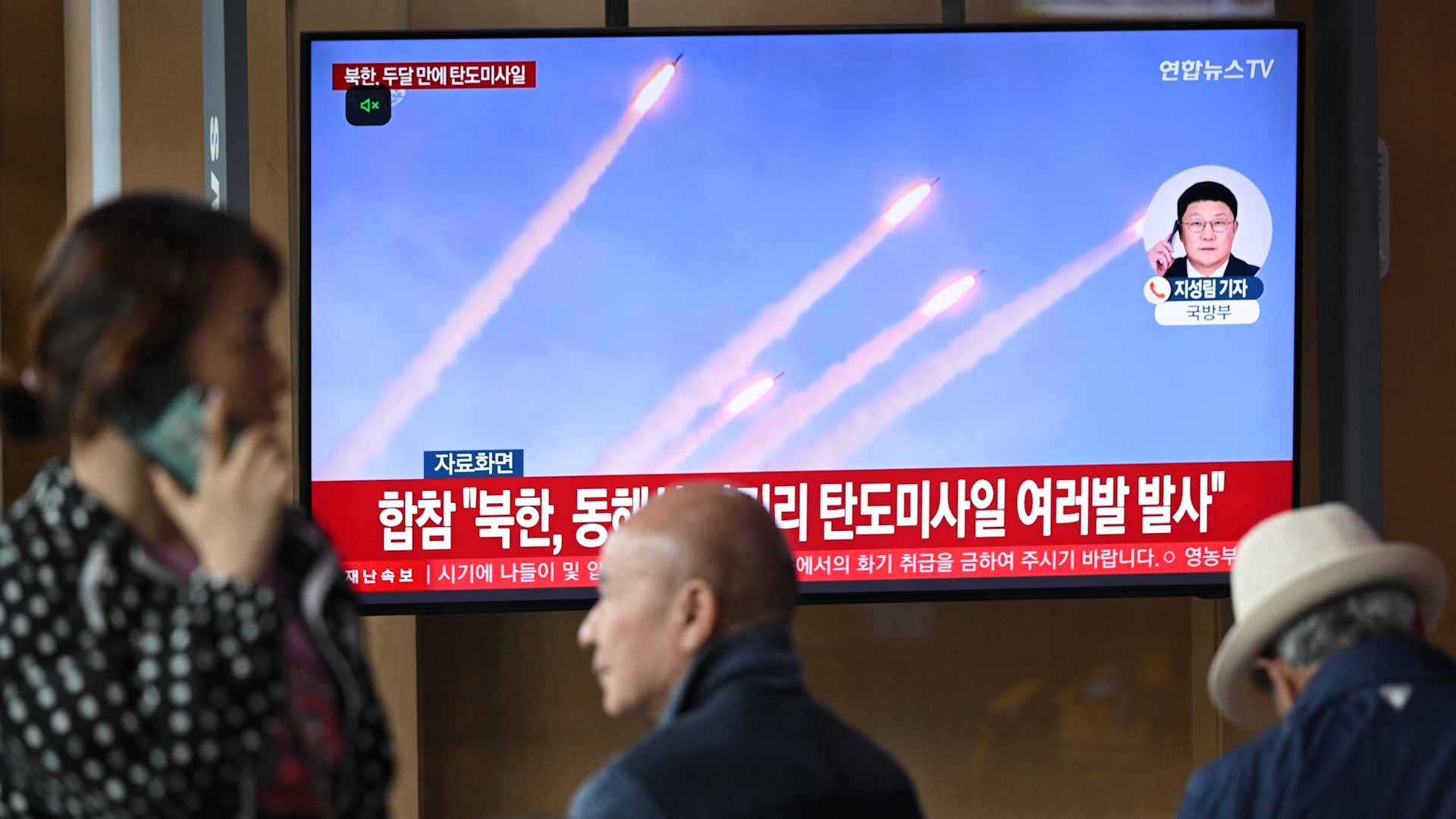
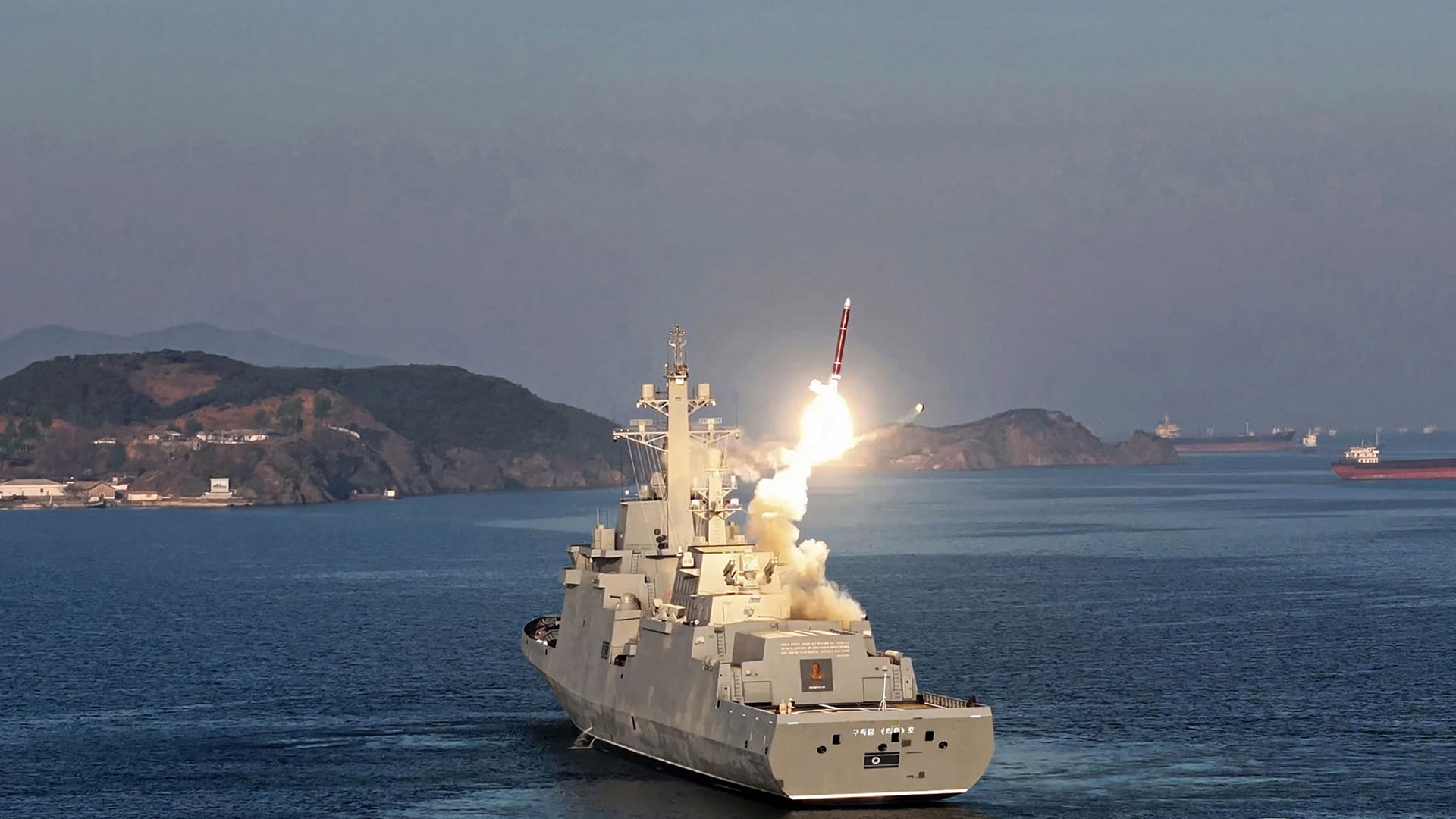
Pyongyang has repeatedly declared that it will never abandon its nuclear arsenal, calling its nuclear path “irreversible” and pledging to further strengthen its military capabilities.
The NPT entered into force in 1970 and has been signed by nearly every country worldwide, with notable exceptions including North Korea, Israel, India and Pakistan.
The treaty seeks to prevent the spread of nuclear weapons, promote global nuclear disarmament and encourage cooperation on peaceful civilian nuclear programmes.
UN Secretary-General Antonio Guterres warned during the opening of the review session last week that the spirit of the treaty is gradually “eroding.”
“Commitments remain unfulfilled. Trust and credibility are wearing thin. The drivers of proliferation are accelerating,” he said.
According to the Stockholm International Peace Research Institute (SIPRI), the world’s nine nuclear-armed states -- Russia, the United States, France, the United Kingdom, China, India, Pakistan, Israel and North Korea -- possessed a combined 12,241 nuclear warheads as of January 2025.
SIPRI noted that the United States and Russia together control nearly 90 percent of the world’s nuclear weapons and have undertaken extensive modernisation programmes in recent years.
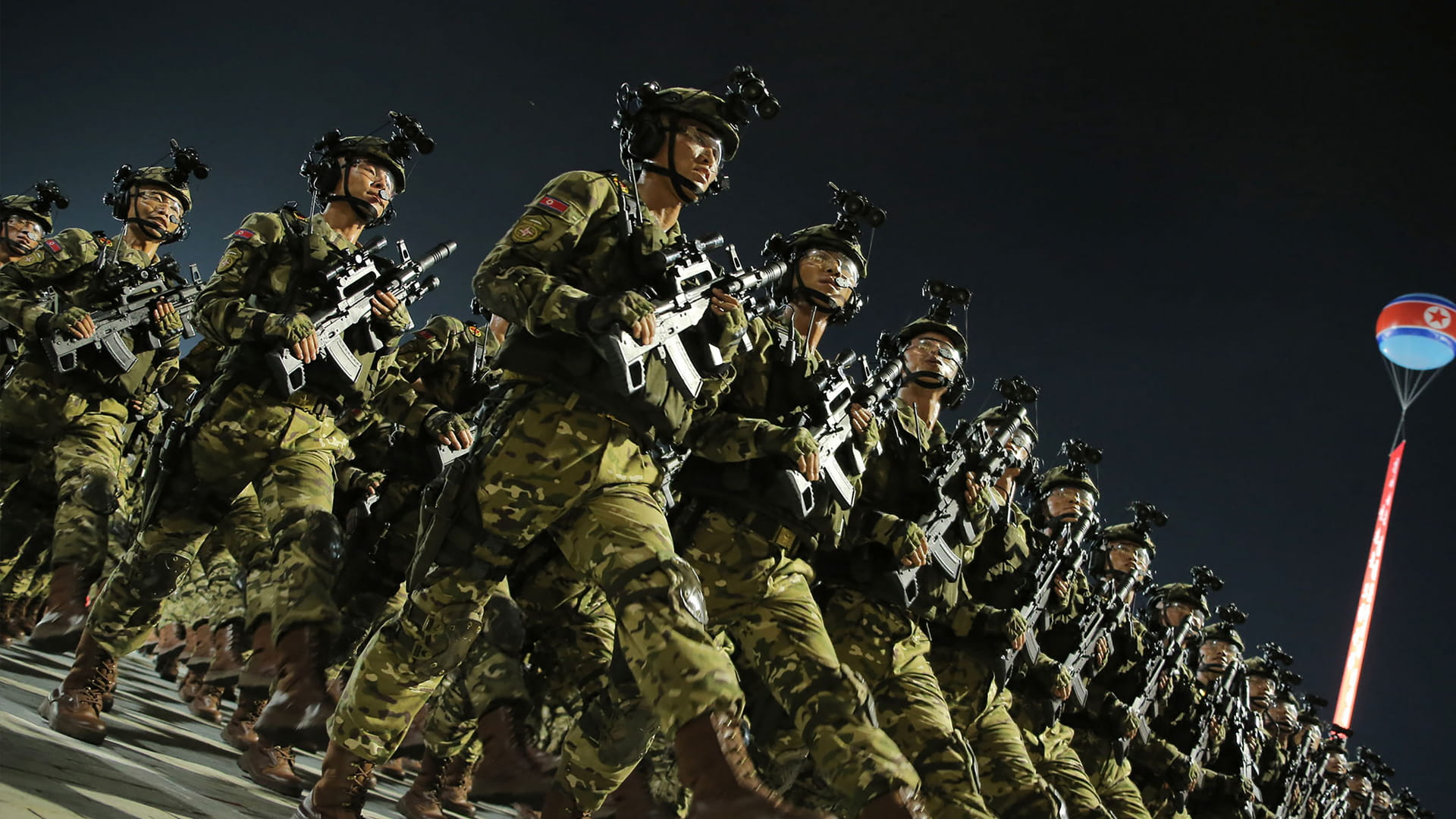
Pyongyang has also deployed ground troops and supplied artillery shells in support of Russia’s invasion of Ukraine. Observers believe North Korea is receiving military, economic and technical support from Moscow in exchange.

 For an optimal experience, please
rotate your device to portrait mode.