
Loading...
Loading...

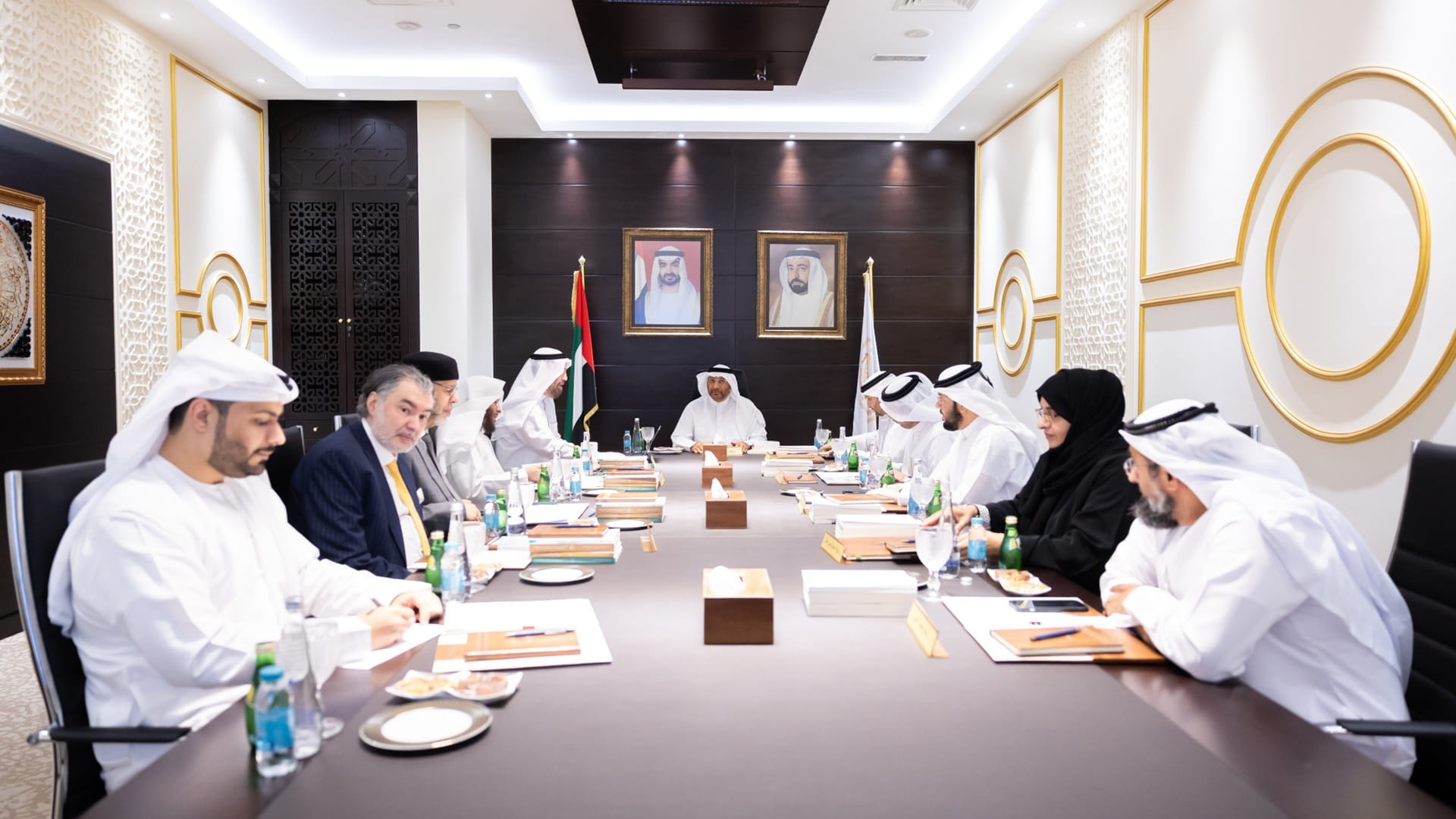
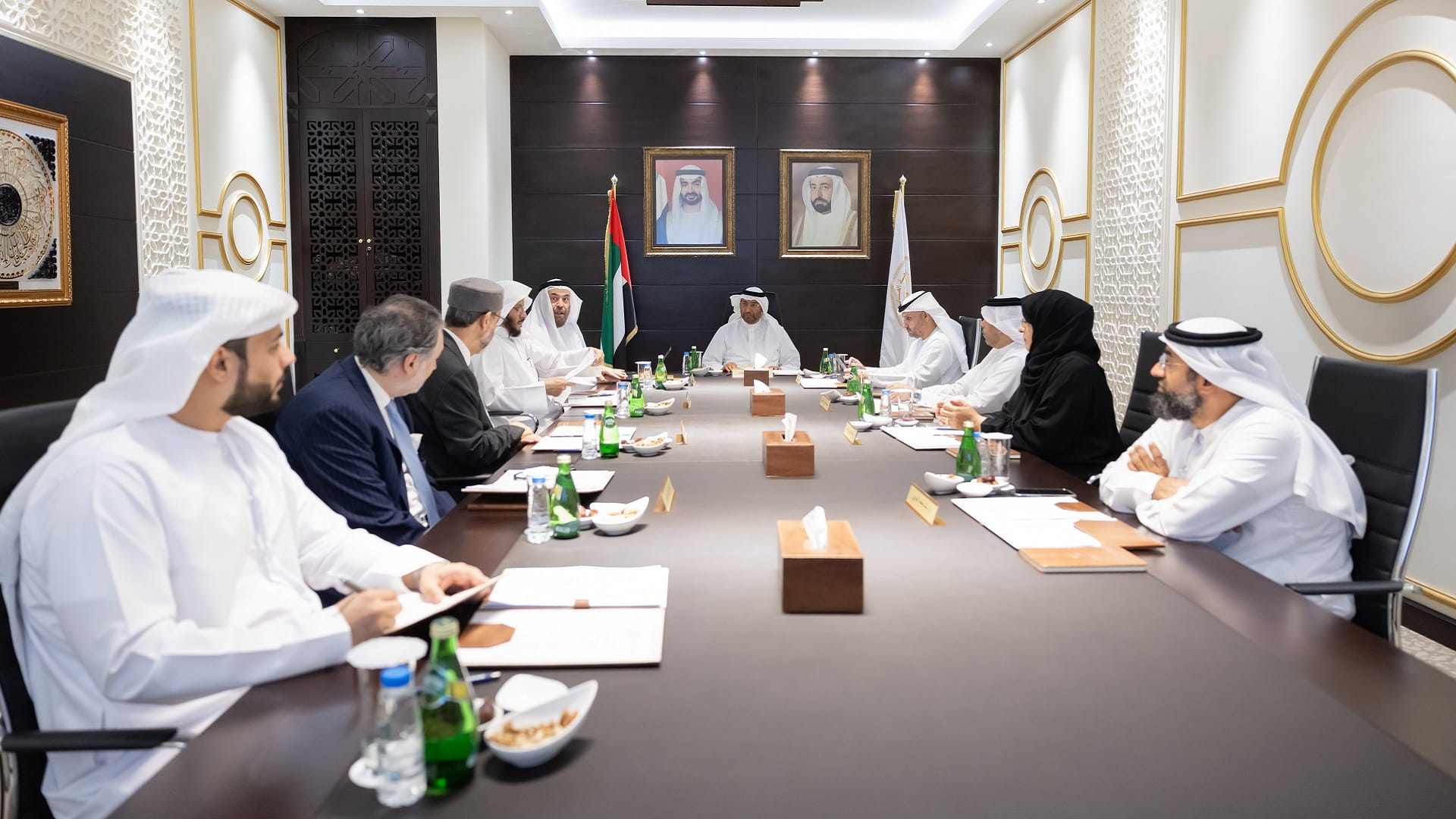
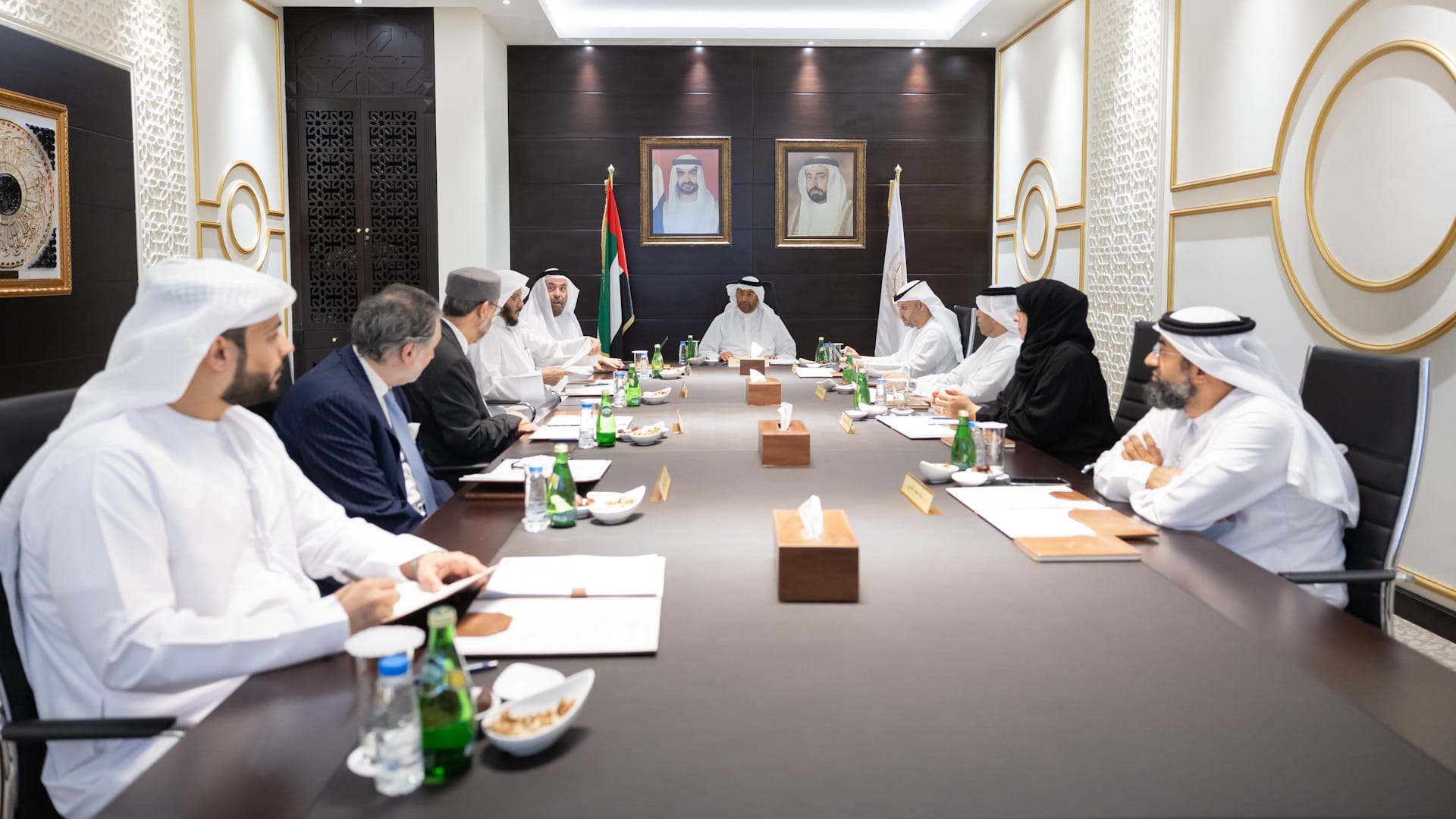
On behalf of himself and the members of the Board, His Excellency the President of the University expressed his deepest gratitude and appreciation to His Highness Sheikh Dr Sultan bin Mohammed Al Qasimi, Supreme Council Member, Ruler of Sharjah, and Founder of Al Qasimia University. He commended His Highness's generous patronage and continuous support for the university, which has contributed to solidifying its academic and humanitarian mission based on moderation and balance, enhancing its academic leadership, and elevating the quality of its educational programmes to prepare graduates qualified to serve their communities and contribute to the development of their nations.
His Excellency Jamal Salem Al Tarifi affirmed that Al Qasimia University continues its mission of preparing qualified professionals equipped with knowledge, awareness, and human values, contributing to the service of their communities and the advancement of development in their countries.
His Excellency Professor Dr Awad Al Khalaf, Chancellor of the University, presented a comprehensive overview of the annual report for the 2025/2026 academic year. The report highlighted the university's most significant achievements in education and learning, the development of postgraduate programs, and the launch of a new Master's programme in Tafsir (Quranic exegesis) and Hadith studies, commencing in the next academic year. The new programme follows the university's approval by the Commission for Academic Accreditation at the Ministry of Higher Education and Scientific Research, joining the two existing Master's programmes at the College of Graduate Studies and Scientific Research: a Master's in Fiqh (Islamic jurisprudence) and its principles, and a Master's in Arabic Language and Literature. The presentation also addressed the memoranda of understanding signed with several international and local institutions, in addition to current indicators that represent a comprehensive framework for developing academic and administrative performance in the areas of education, learning, scientific research, governance, institutional effectiveness, and community service. This framework aims to enhance the quality of graduates and keep pace with the trends in higher education and the demands of the future.
The meeting addressed the strategic performance indicators for the first year of the university's 2025–2030 strategic plan, which reflected significant growth in the quality of educational and research outputs and strengthened the university's position as an attractive learning environment for students from around the world, with students representing 136 nationalities.
The board discussed several items on its agenda, including reports from the Finance Committee, the Academic Affairs Committee, and the Compliance and Audit Committee, as well as reports from the Recruitment and International Relations Committee. The council also approved a number of academic promotions across several of the university's colleges.

 For an optimal experience, please
rotate your device to portrait mode.