
Loading...
Loading...

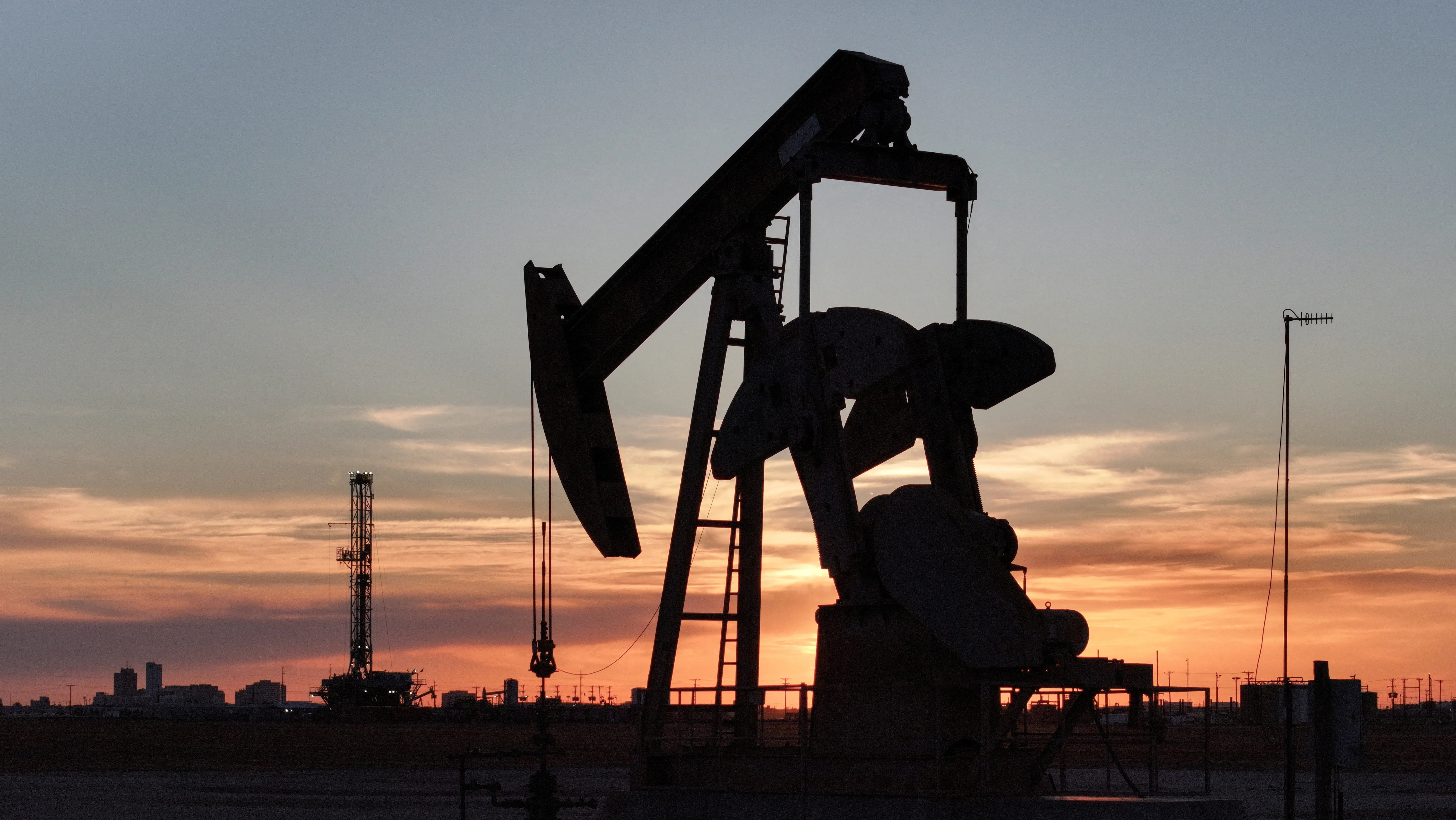
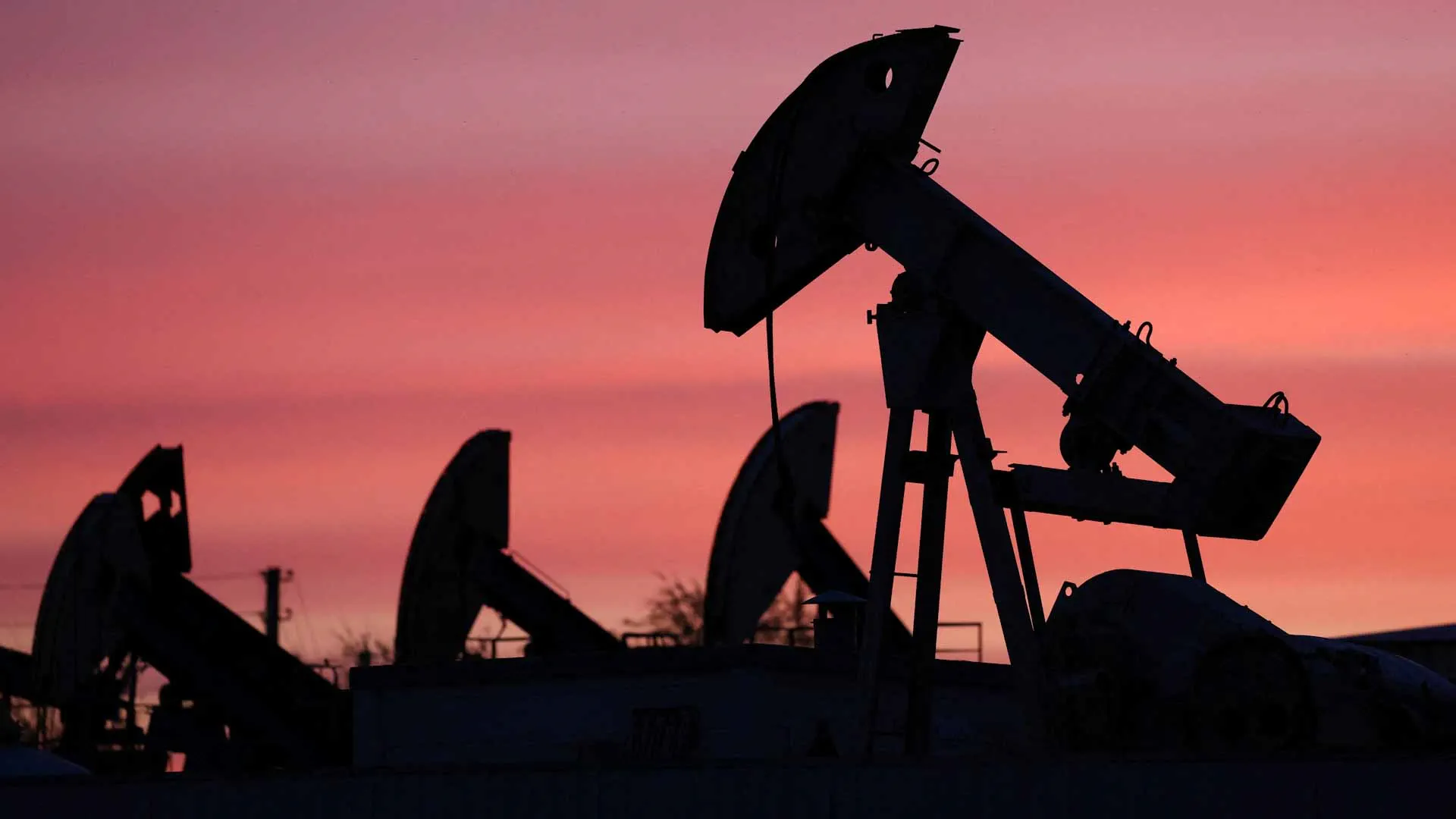
Crude prices have experienced sharp swings since the US president ordered the removal on Saturday of Nicolas Maduro, his counterpart in Caracas, and declared that Washington would oversee the country while demanding “total access” to its key natural resource. Prices dropped by as much as two percent on Tuesday and by around one percent on Wednesday after Trump revealed the latest development.
“The Interim Authorities in Venezuela will be turning over between 30 and 50 MILLION barrels of high-quality, sanctioned oil to the United States of America,” Trump wrote on his Truth Social platform. “This oil will be sold at its market price, and that money will be controlled by me, as President of the United States of America, to ensure it is used to benefit the people of Venezuela and the United States.”
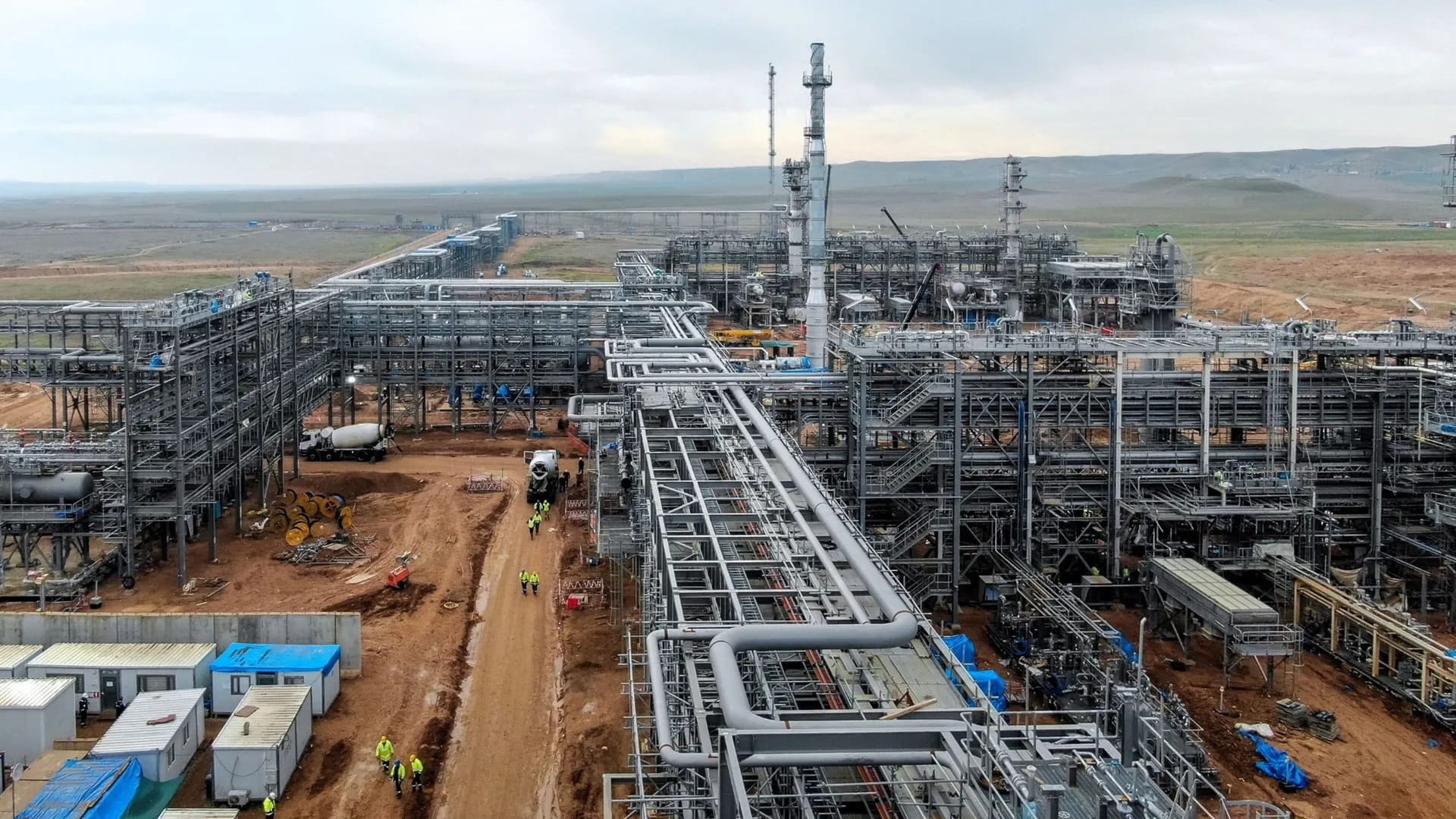
Analysts said the planned shipments reduced the risk of output cuts in Caracas due to limited storage capacity, easing supply concerns. However, they added that the broader outlook still points toward lower oil prices, particularly as the market remains well supplied after OPEC+ agreed to increase production. Although Venezuela holds around one-fifth of the world’s oil reserves, observers cautioned that a rapid production ramp-up would be constrained by aging infrastructure, weak prices, and political uncertainty.
Equity markets moved unevenly after a strong start to the year that has already seen Seoul join London and New York in reaching record highs, driven by continued enthusiasm for artificial intelligence-related investments. South Korea’s Kospi index extended its gains on Wednesday, while markets in Sydney, Singapore, Shanghai, Wellington and Jakarta also advanced.
By contrast, Hong Kong (the Special Administrative Region) slipped, alongside Taipei and Manila, while Tokyo retreated after China imposed stricter export controls on products shipped to Japan that could have potential military applications.
Despite rising geopolitical tensions, analysts remain positive about equity prospects this year. Michael Brown of Pepperstone said investors remain focused on a strong bull case underpinned by resilient economic growth and solid earnings, similar to the forces that lifted markets last year. He also pointed to expectations of significantly looser monetary and fiscal conditions over the coming 12 months, adding that the market’s “path of least resistance” remains upward, with any pullbacks likely to present buying opportunities.
At around 0230 GMT, West Texas Intermediate was down 1.2 percent at $56.47 per barrel, while Brent North Sea crude fell 1.0 percent to $60.10. In equities, Tokyo’s Nikkei 225 declined 0.5 percent to 52,257.11, Hong Kong’s Hang Seng Index dropped 1.0 percent to 26,431.70, and Shanghai’s Composite edged up 0.1 percent to 4,088.40. In currency markets, the euro rose to $1.1700, the pound climbed to $1.3511, and the dollar strengthened to 156.68 yen, while euro/pound ticked up to 86.60 pence. In the US and Europe, New York’s Dow closed 1.0 percent higher at 49,462.08, and London’s FTSE 100 gained 1.2 percent to finish at 10,122.73.

 For an optimal experience, please
rotate your device to portrait mode.