
Loading...
Loading...

The European Commission, which concluded negotiations a year ago, along with countries like Germany and Spain, argue the deal is crucial for opening new markets. It is seen as a way to offset losses from US tariffs and reduce dependence on China by securing access to critical minerals.
Critics, led by France—the EU’s largest agricultural producer—warn that the agreement will increase imports of cheaper food products, including beef, poultry, and sugar, potentially undercutting domestic farmers.
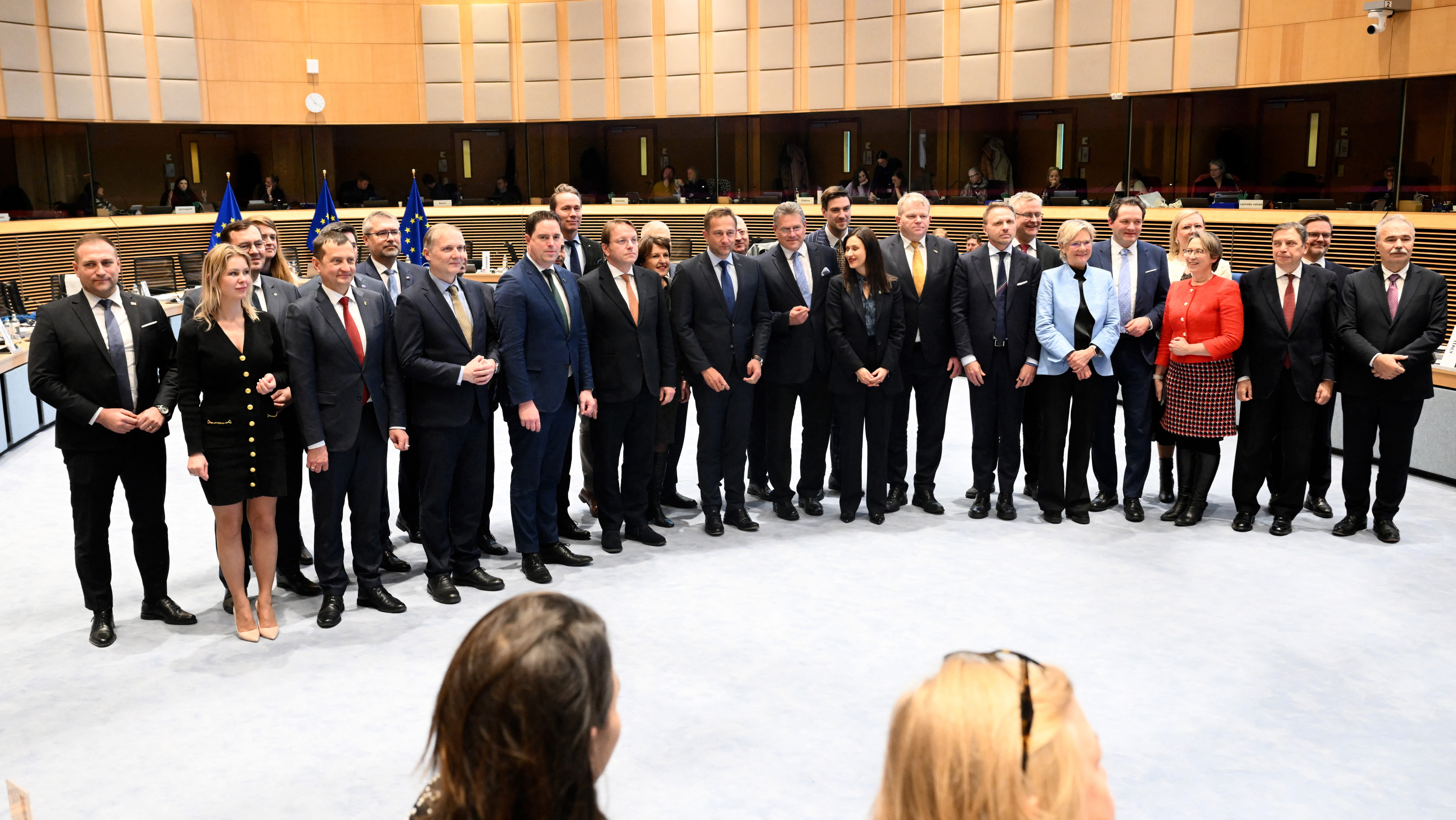
On Friday, ambassadors from the EU’s 27 member states signaled their governments’ positions. At least 15 countries, representing 65% of the EU population, voted in favor, meeting the threshold for approval. EU capitals have until 5 p.m. Brussels time (1600 GMT) to submit written confirmation of their votes.
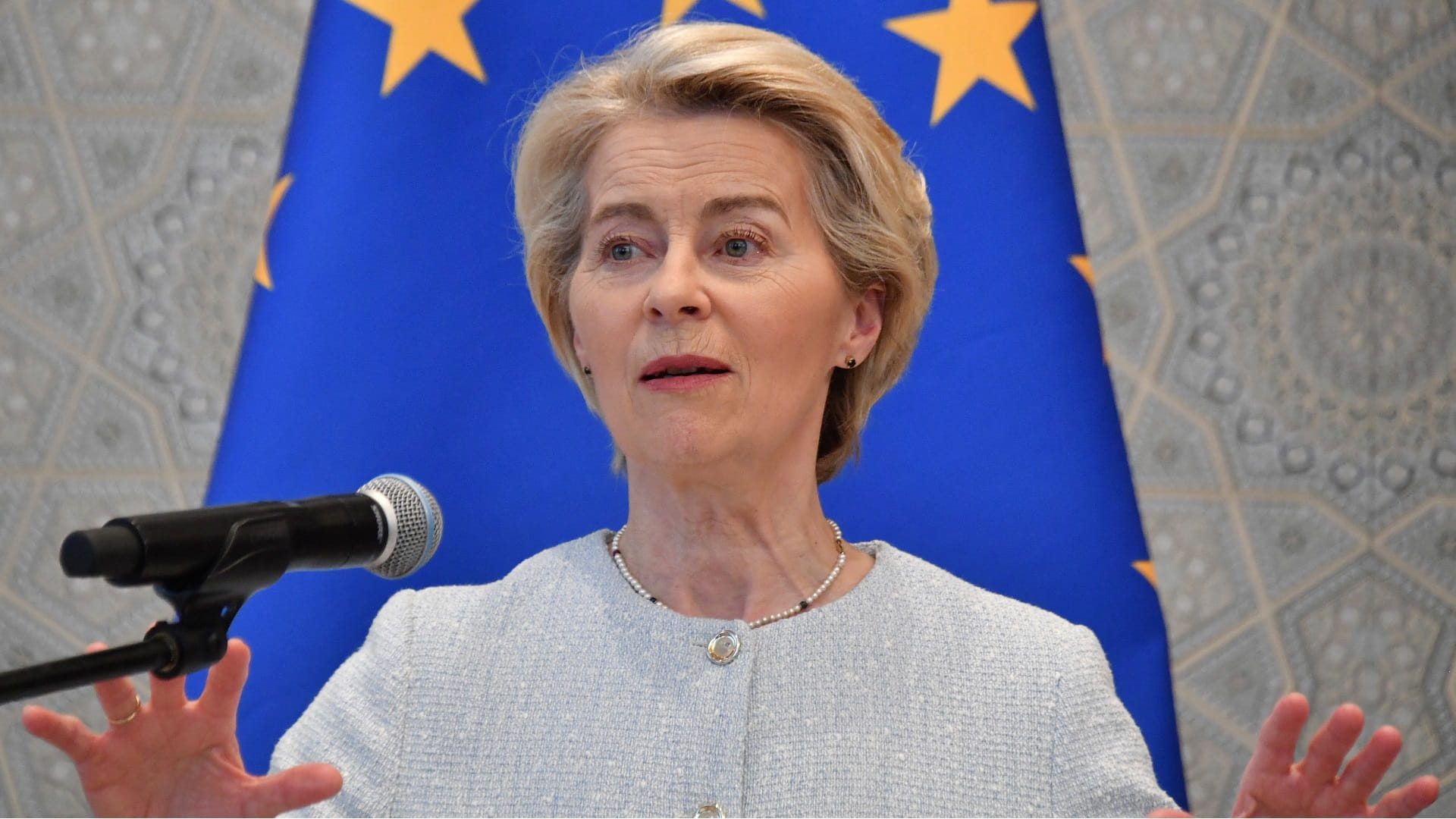
Following approval, Commission President Ursula von der Leyen can sign the agreement with Mercosur partners—Argentina, Brazil, Paraguay, and Uruguay—potentially as soon as next week.

 For an optimal experience, please
rotate your device to portrait mode.