
Loading...
Loading...

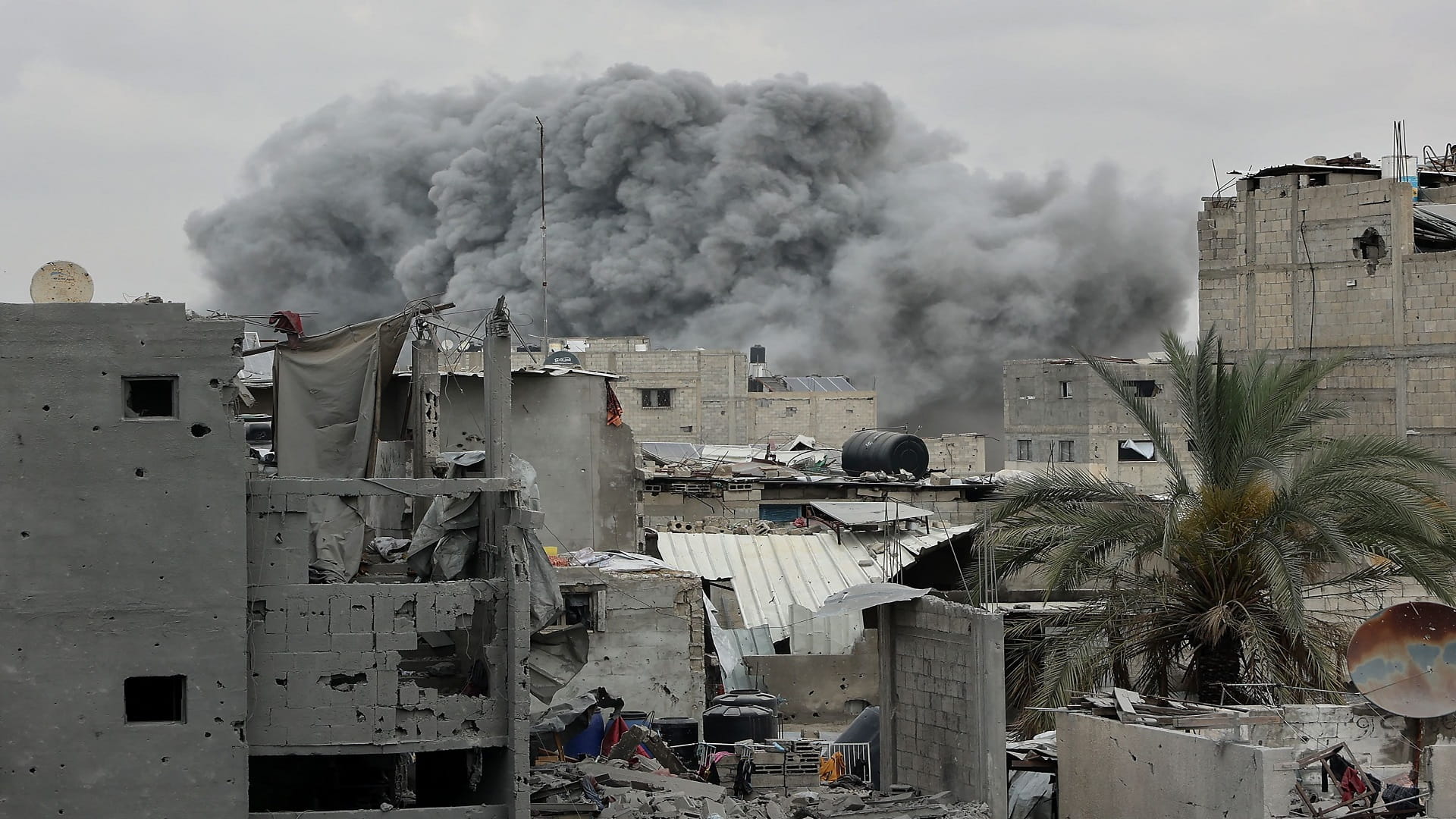
This came in a statement delivered in the presence of Permanent Representative of the United Arab Emirates to the United Nations Office and Other International Organisations in Geneva. Ghebreyesus noted that missile attacks on the UAE resulted, according to reports, in the deaths of 8 people and the injury of 158 others, while at least two people were killed in the Sultanate of Oman due to a missile strike, and two paramedics in Kuwait were injured by shrapnel that struck their ambulance centre.
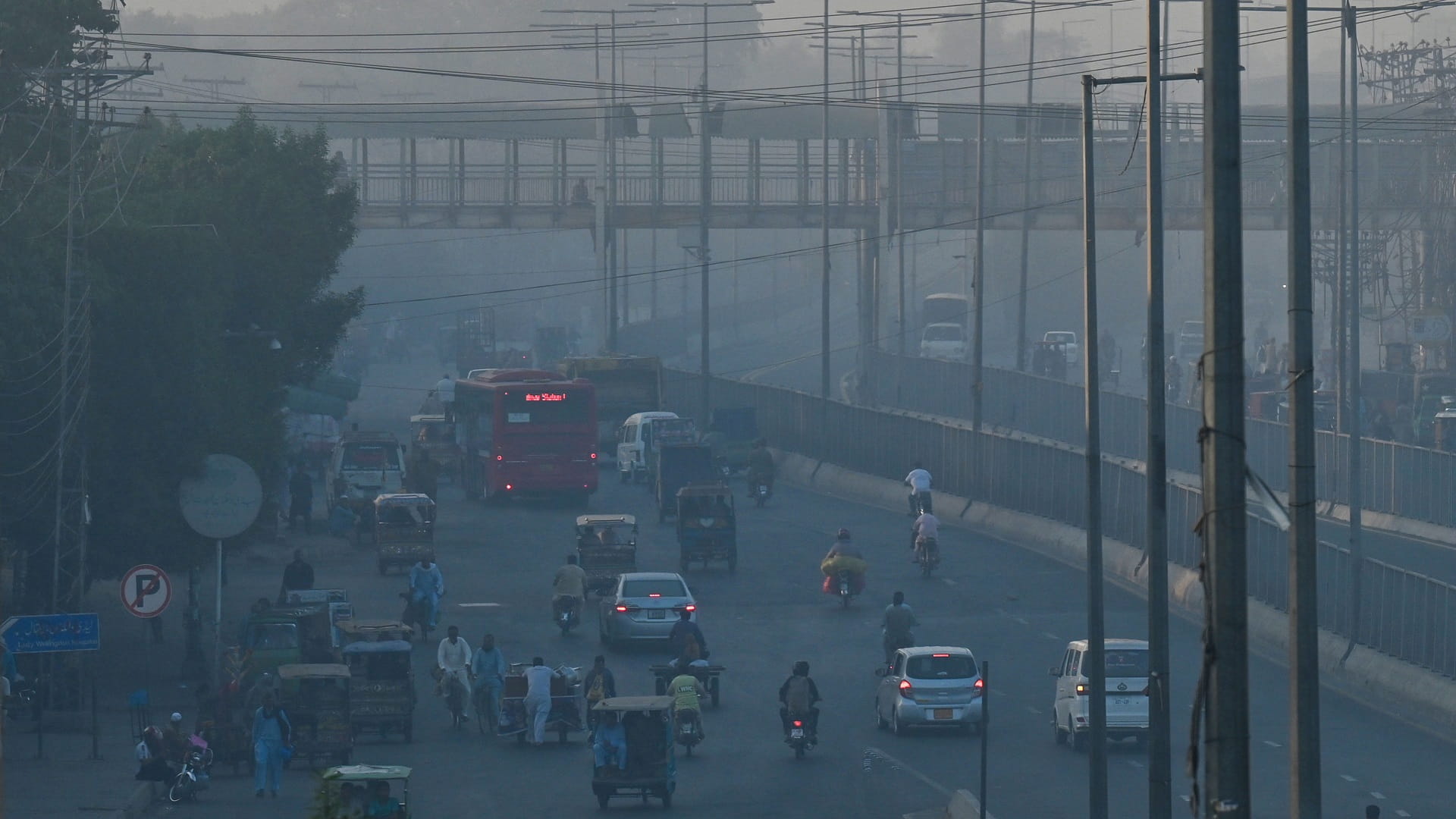
He explained that energy facilities have been targeted across various parts of the region, including in Qatar and Saudi Arabia, warning of growing concerns in the UAE and the wider region that such attacks could lead to respiratory problems caused by inhaling toxic smoke from fires. He also pointed out that damage to desalination plants threatens water supplies, while individuals’ mental health is coming under increasing strain.
The World Health Organization expressed strong condemnation of these acts and deep concern over the ongoing humanitarian consequences they impose.
During a productive meeting with Ambassador Jamal Al Musharakh, the wide-ranging health impacts of the escalation in the UAE and across the region were discussed. The Director-General commended the resilience of the UAE and its Arab neighbours in facing repeated and blatant missile attacks.
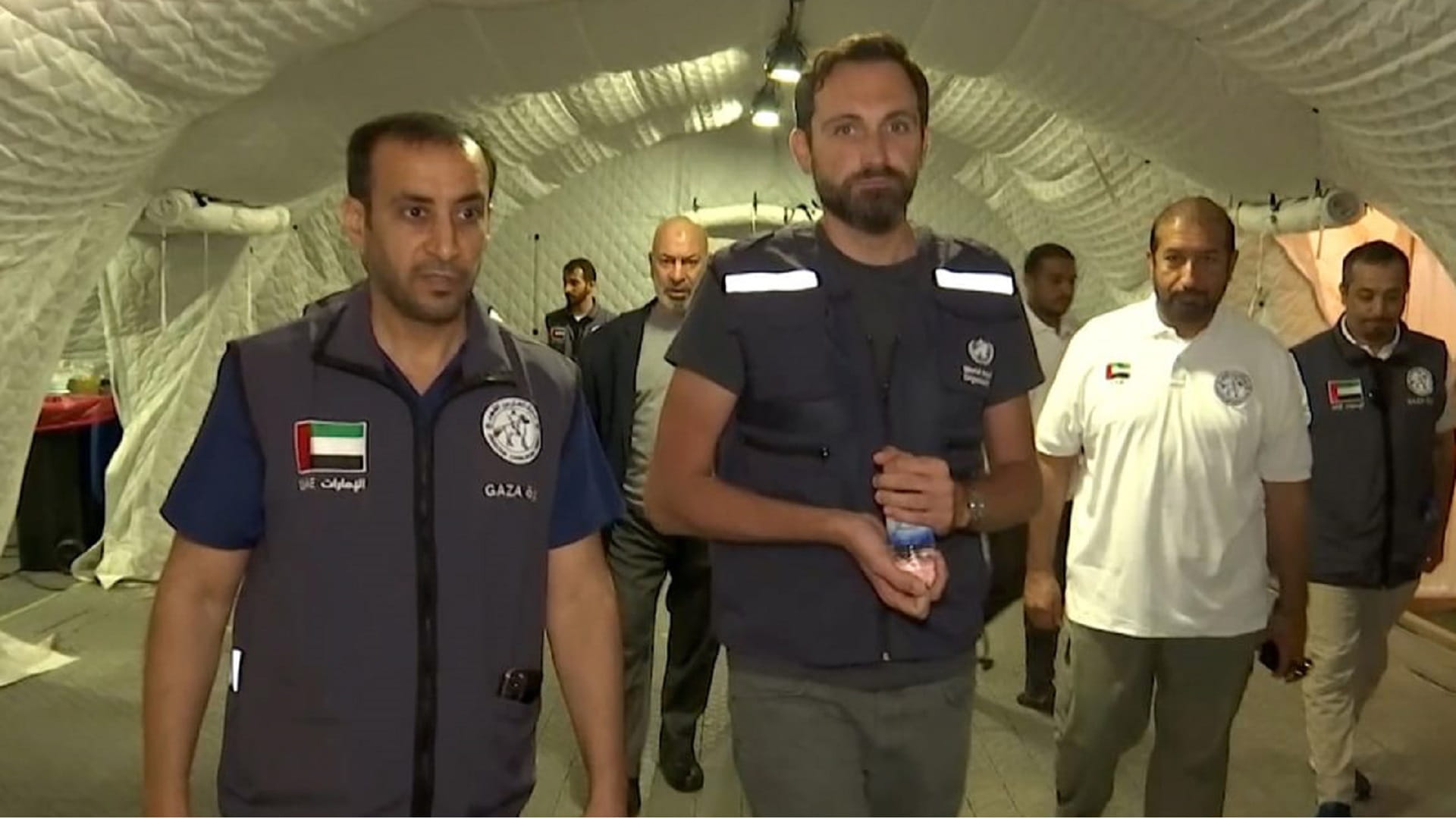
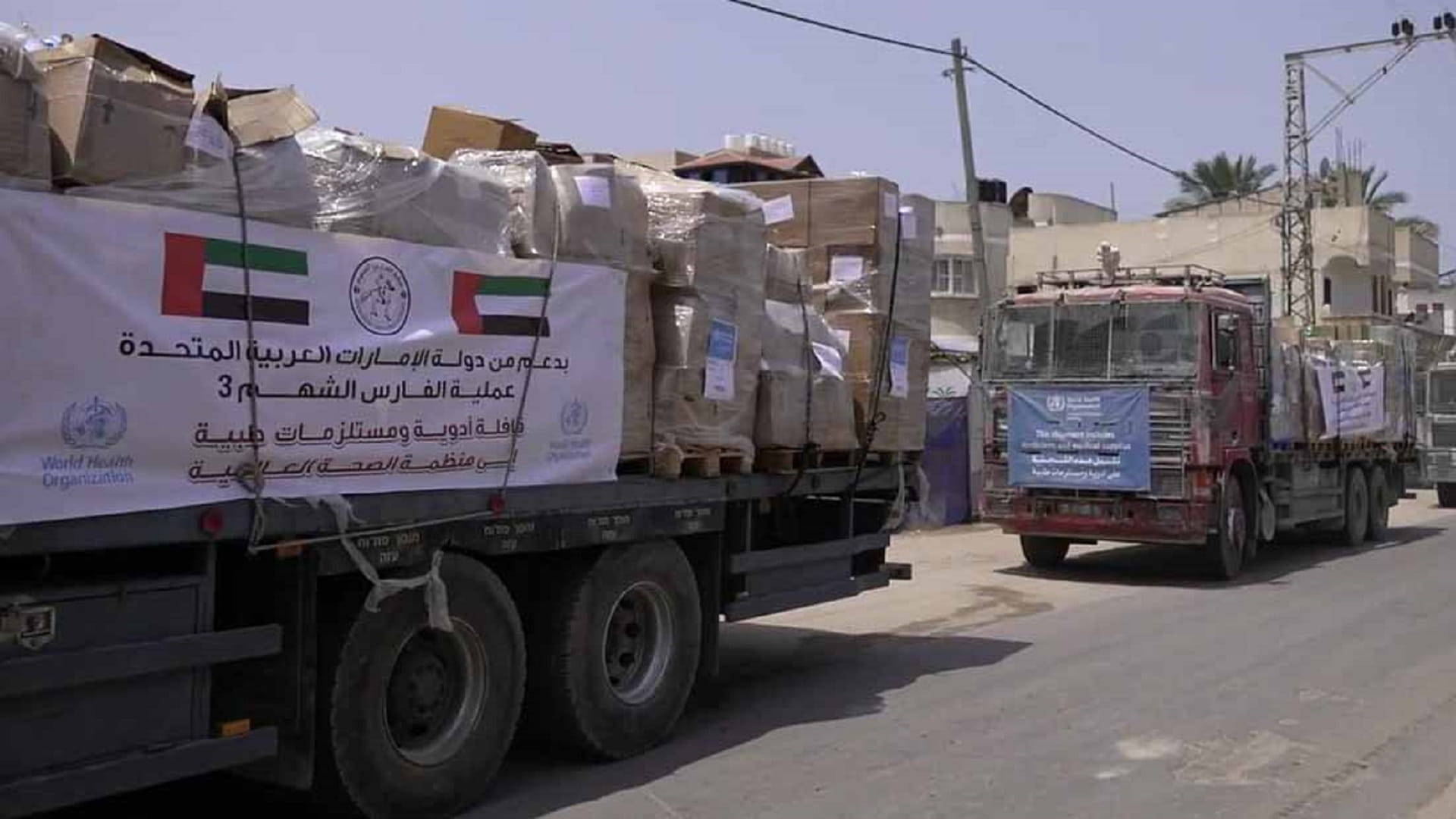
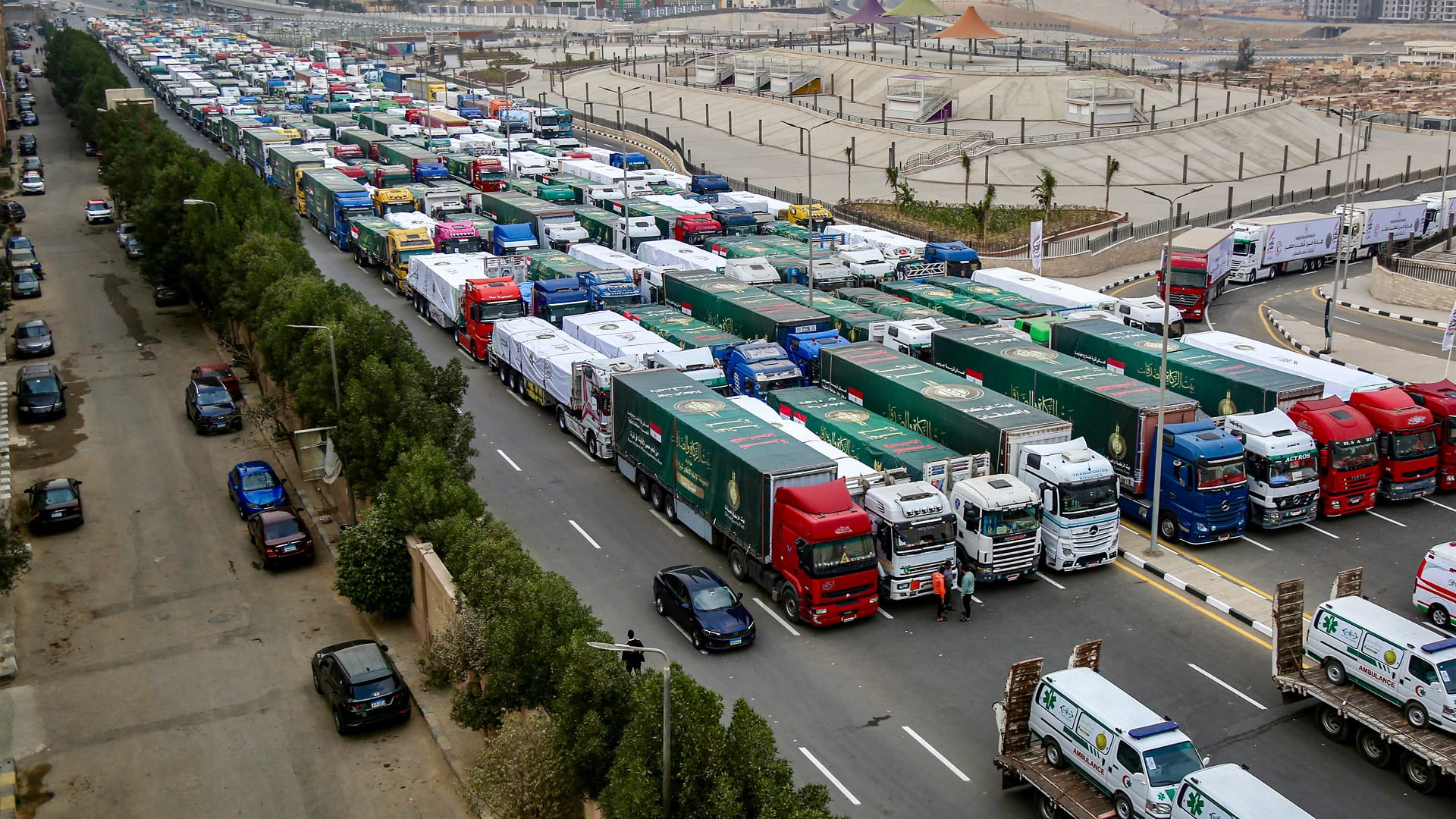
Both sides also emphasised the vital role played by the WHO Hub for Global Health Emergencies Logistics, based in Dubai, in delivering medical supplies across the Middle East, Africa, and Asia, expressing appreciation for the UAE’s continued support in maintaining this essential humanitarian corridor.
They agreed on the urgent need to strengthen multilateral action to safeguard the health and well-being of all those affected by conflicts, including addressing both physical and mental health challenges, as well as risks arising from pandemics and other crises.

 For an optimal experience, please
rotate your device to portrait mode.