
Loading...
Loading...

The Strait of Hormuz, through which around one-fifth of global oil supplies typically pass, has seen increased tension in recent weeks. Iran has slowed maritime traffic and introduced additional measures affecting transit, further pressuring already constrained flows.
Despite tensions, Iran continued exporting crude oil to Asia, helping to ease global supply concerns. Analysts say these flows, including shipments tracked to countries such as India, have helped maintain a fragile balance in the market.
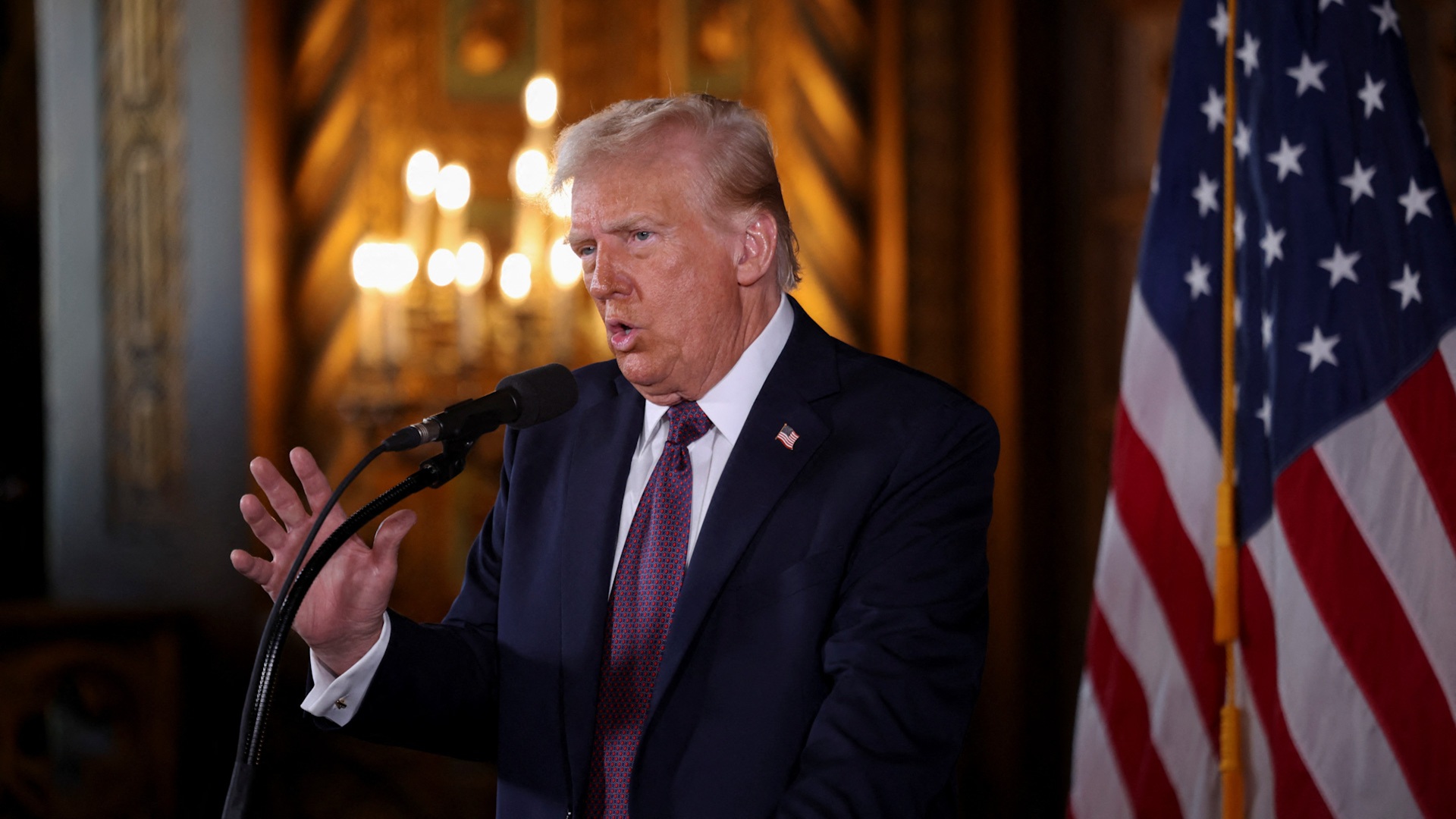
Oil prices rose sharply after the blockade announcement, with benchmark crude climbing above $100 per barrel in early Asian trading. Market observers expect continued volatility amid persistent supply uncertainty.
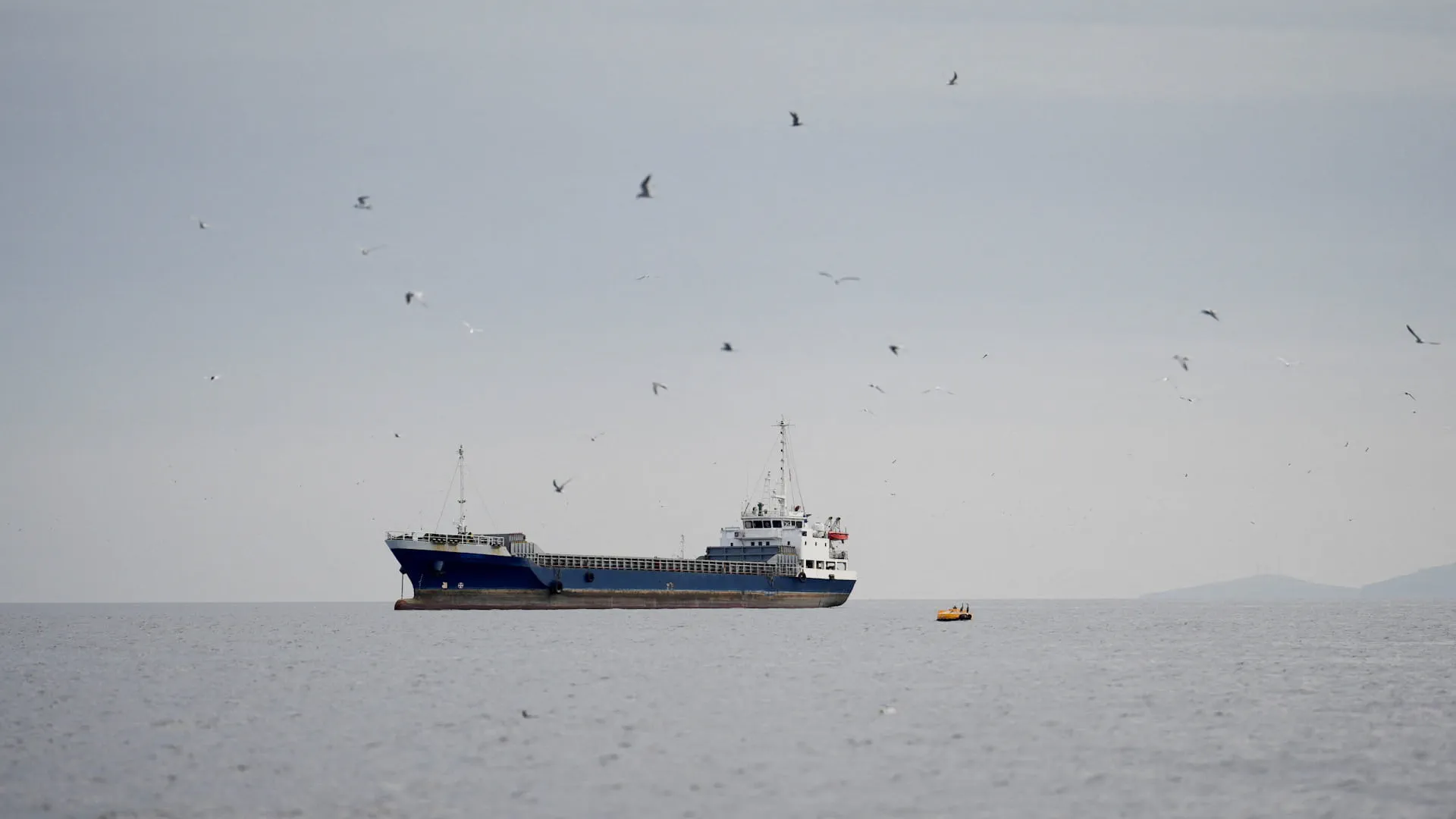
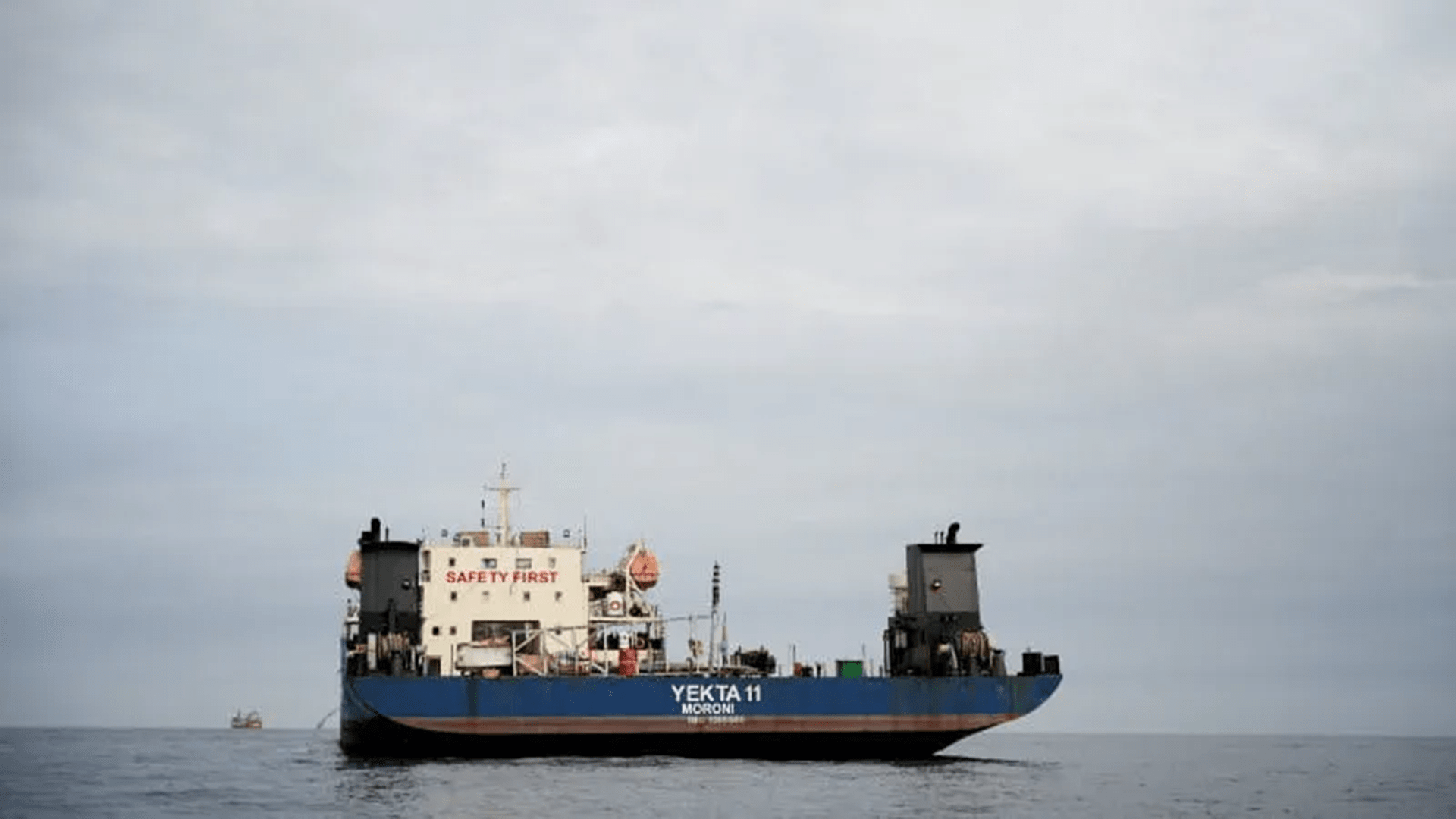
A significant share of Iran’s oil exports has been carried by a so-called “dark fleet” of tankers operating outside standard regulatory oversight. These vessels have enabled Tehran to maintain exports despite sanctions by obscuring ownership, routes and cargo details.
Policy analysts and international observers warn that the blockade could raise legal issues under maritime law and risk escalating tensions with major importers of Iranian oil, such as China and India. Governments in the region have expressed concern about the potential impact on global trade and energy security.
Data from commodity-tracking firms indicate that Iran has maintained relatively strong export levels in recent weeks, even as other Gulf producers face disruptions. Analysts say the country has developed a decentralised and resilient system to maintain oil flows under pressure.
Experts warn that the blockade could have wider economic consequences if rising oil prices fuel inflation and unsettle financial markets. Attention is now focused on how global markets and major energy consumers respond to the evolving situation.

 For an optimal experience, please
rotate your device to portrait mode.