
Loading...
Loading...

Despite the escalation, hopes for a potential agreement to end the seven-week crisis continued to support Asian equity markets, even as Tehran announced it is not currently planning to participate in upcoming peace talks.
On Friday, crude prices dropped sharply while US and European stock markets rallied after Iran allowed vessels to pass again through the strategic waterway — which typically handles around one-fifth of global oil and LNG shipments — following a ceasefire between Israel and Lebanon.
US President Donald Trump told AFP that a deal was “very close,” stating there were no remaining sticking points with Tehran. However, Iran rejected the claim, insisting its enriched uranium stockpile would not be transferred “anywhere.”
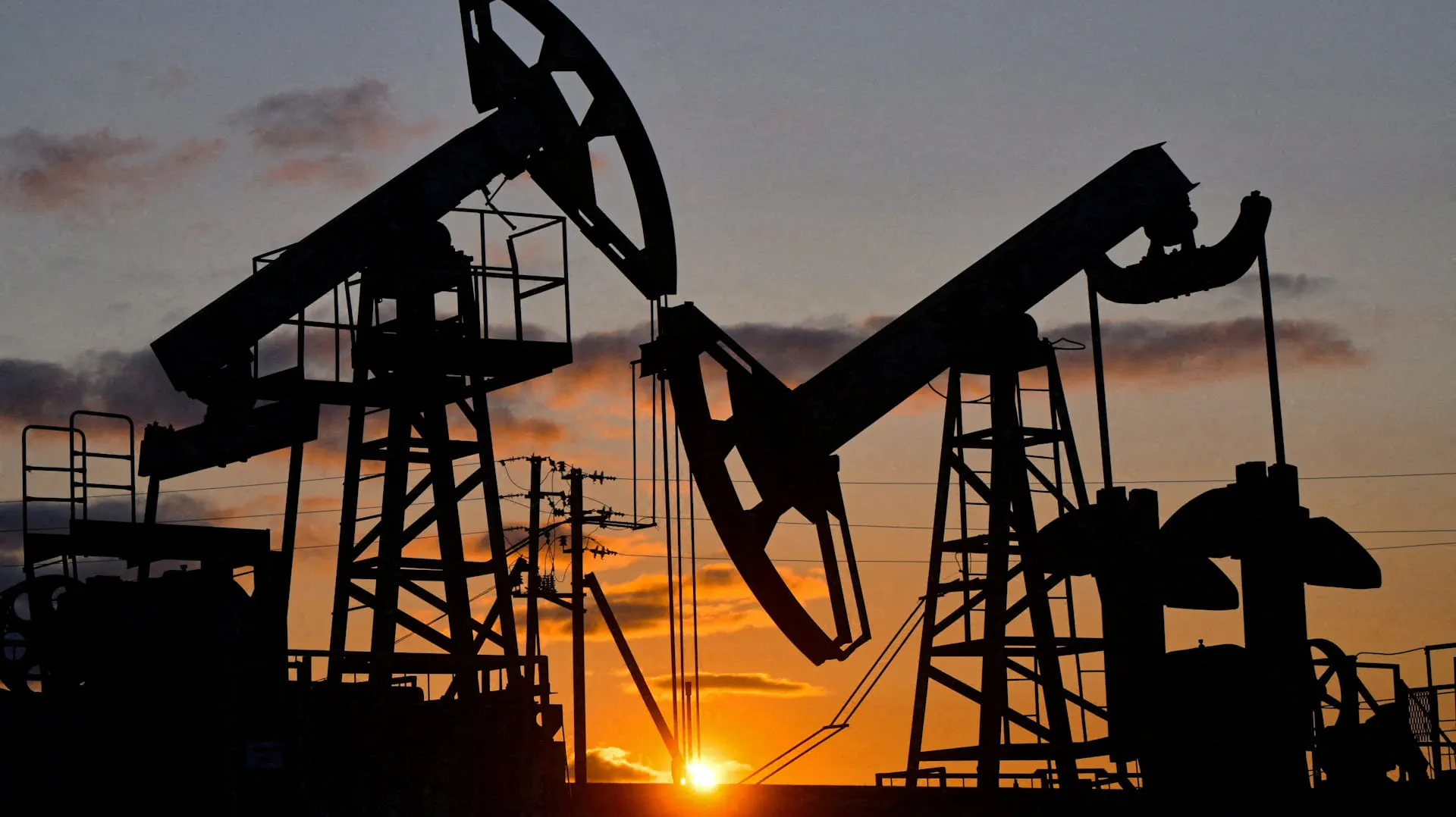
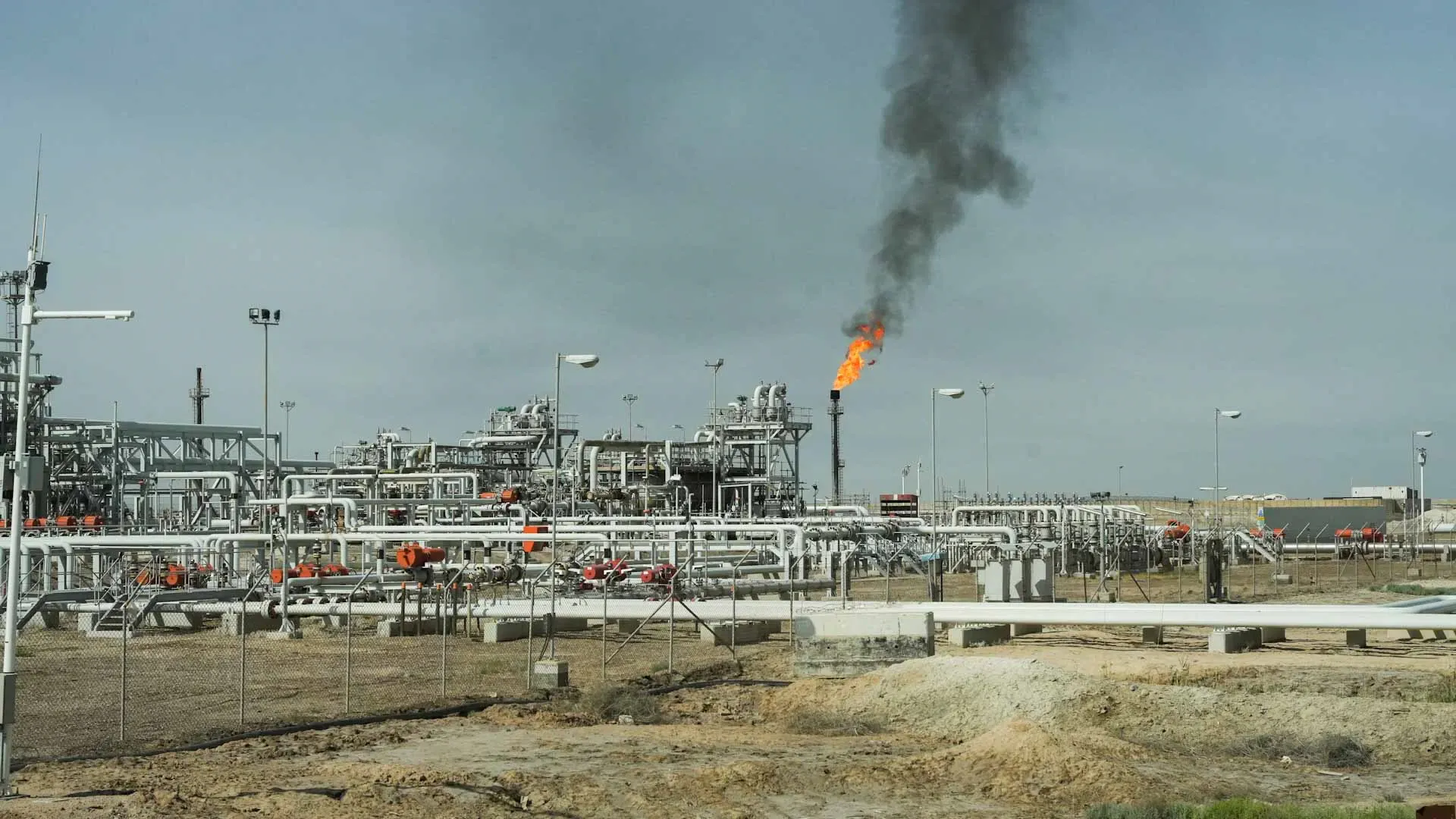
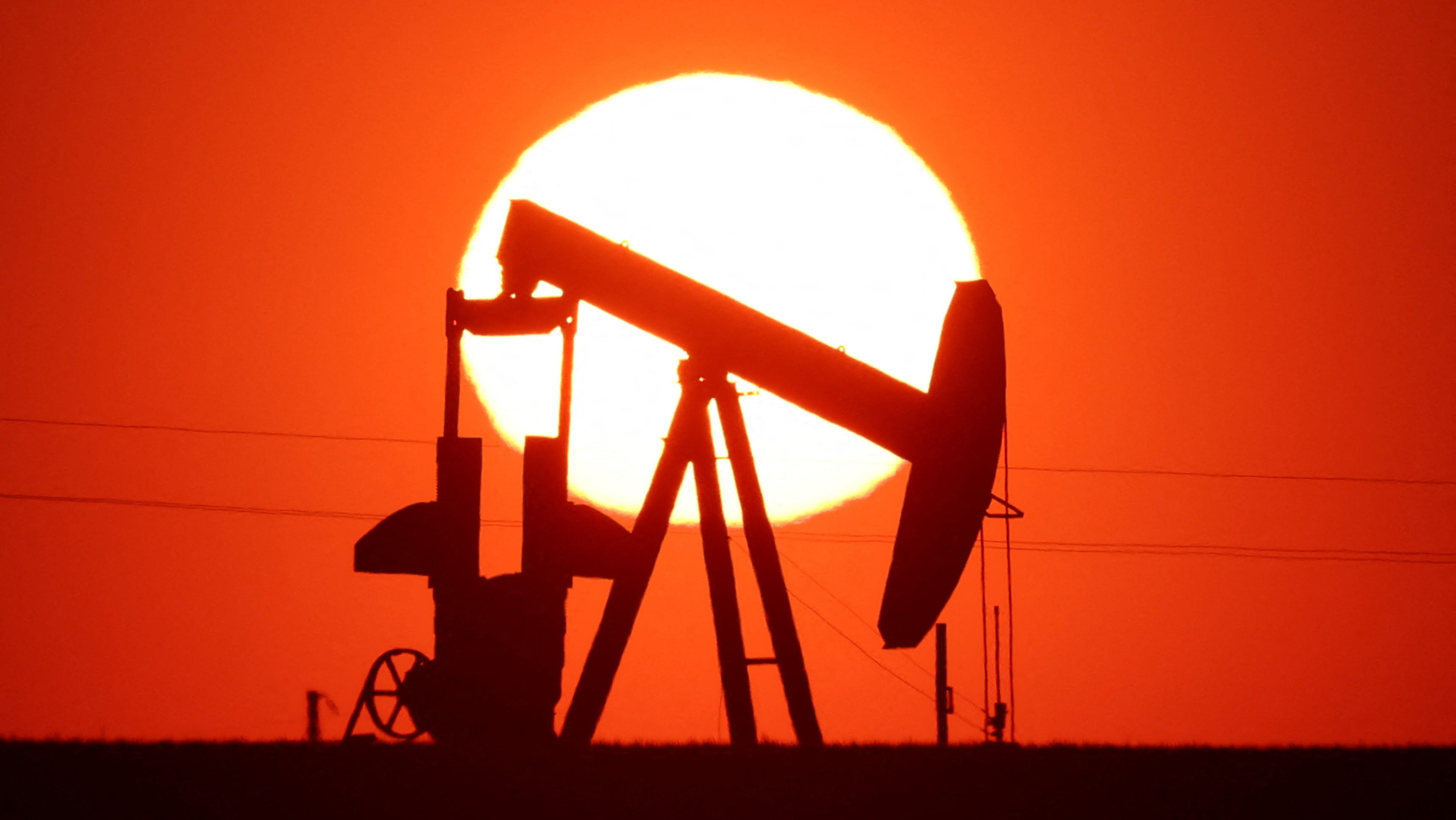
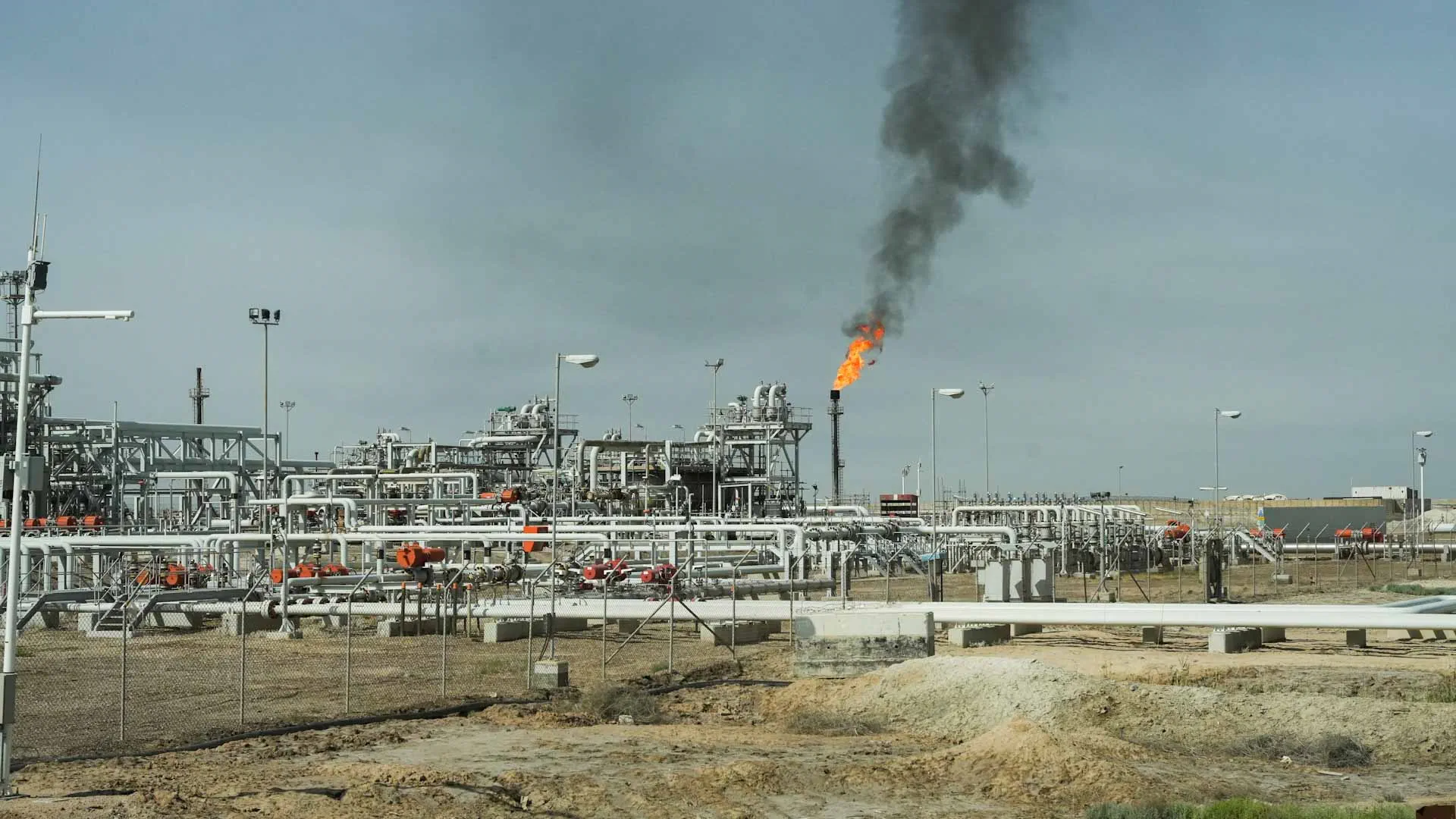
US benchmark West Texas Intermediate fell by more than 11 percent, while Brent crude dropped nine percent.
Both oil benchmarks rebounded sharply on Monday ahead of the end of a two-week ceasefire, driven by the continued US blockade and an incident in which a US destroyer fired upon and seized an Iranian vessel attempting to bypass it. Tehran warned of retaliation.
WTI surged by more than seven percent at one stage, while Brent climbed over six percent.
The blockade of Iranian ports remains a major sticking point in negotiations. Iran’s state broadcaster IRIB, citing official sources, reported that there are currently no plans to join the next round of Iran-US talks scheduled in Pakistan.
Meanwhile, the Fars and Tasnim news agencies quoted unnamed sources as saying the overall atmosphere for negotiations is “not very positive,” adding that lifting the US blockade is a prerequisite for further talks.
So far, only one negotiating session — lasting 21 hours — has taken place in Islamabad on April 11, ending without a breakthrough, although efforts to prepare for further discussions have continued.
Trump reiterated in a social media post that the US is offering a “very fair and reasonable deal,” while also renewing threats against Iran’s infrastructure if negotiations fail.
Iran’s Revolutionary Guards warned that any vessel attempting to pass through the Strait of Hormuz without permission would be considered cooperating with the enemy and could be targeted.
Foreign Ministry spokesman Esmaeil Baqaei described the US blockade as a “violation” of the ceasefire.
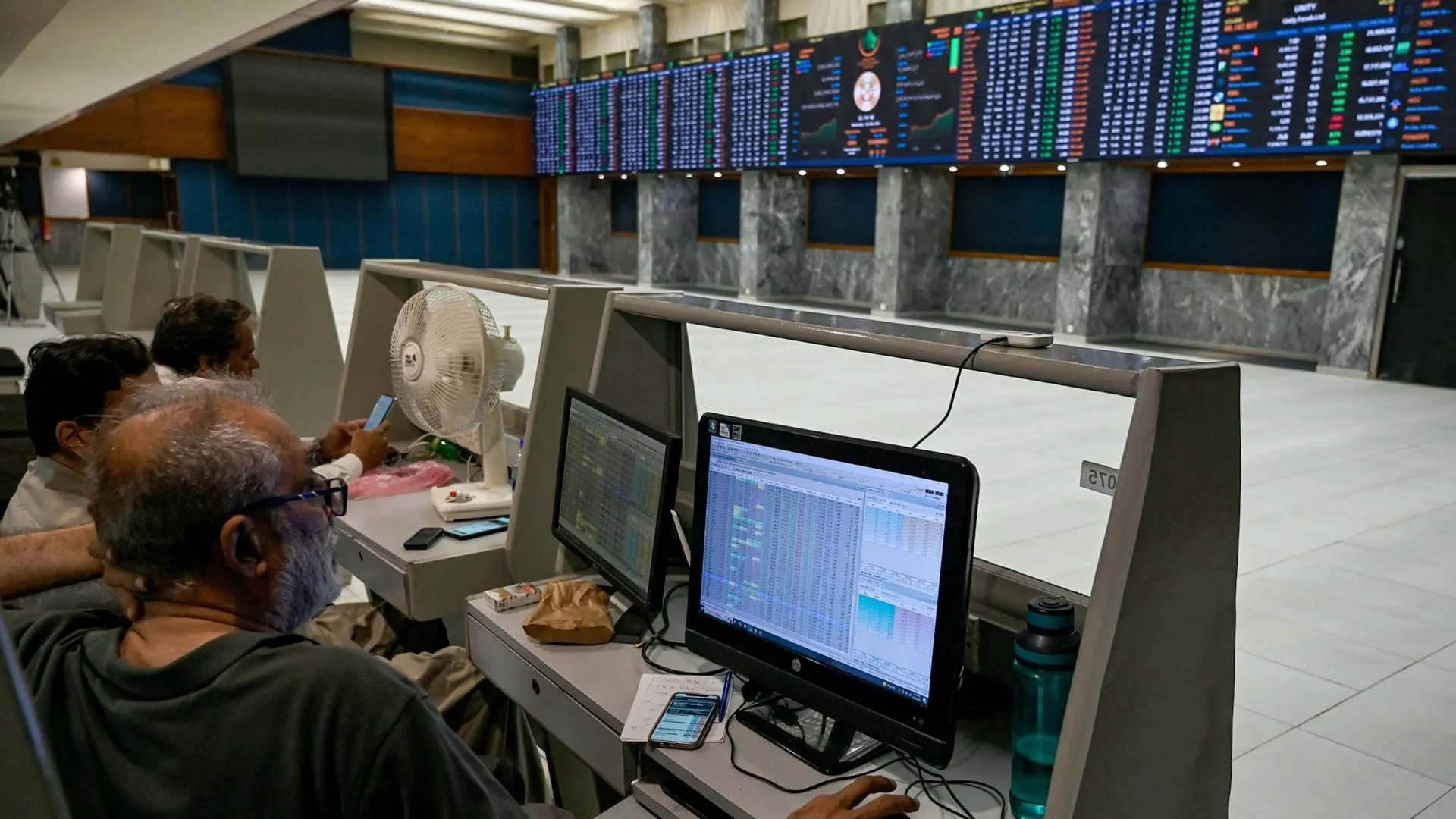
Asian stock markets rose, following record highs in the S&P 500 and Nasdaq in New York. Gains were recorded across Tokyo, Hong Kong, the Special Administrative Region of China, Seoul, Shanghai, Sydney, Singapore, Mumbai, Wellington and Manila, supported by a renewed tech rally that had dominated global markets before the conflict began on February 28.
However, European markets opened lower, with London, Paris and Frankfurt declining.
The US dollar, which had weakened sharply on Friday after serving as a safe haven during the crisis, strengthened again against major currencies.
Chris Weston of Pepperstone said traders are evaluating whether the ceasefire can be preserved through ongoing diplomatic efforts this week, while adjusting expectations regarding the likelihood of further military escalation.
He noted that Trump’s recent social media posts raised the possibility of renewed conflict, though some investors viewed them as a strategic negotiating tactic ahead of diplomatic talks.
Weston added that markets recognise any path toward a formal agreement is unlikely to be straightforward and remains vulnerable to sudden changes in sentiment. He stressed that without a comprehensive agreement on Iran’s nuclear programme, the ceasefire will remain fragile.

 For an optimal experience, please
rotate your device to portrait mode.