
Loading...
Loading...

Investor sentiment was also supported by reports that Israel and Lebanon had agreed to begin direct negotiations, boosting optimism for easing tensions that have weighed on a fragile ceasefire between Washington and Tehran.
The United States continues to enforce a blockade on Iranian ports following unsuccessful negotiations in Islamabad over the weekend. However, Trump said a new round of discussions could happen within the next two days.
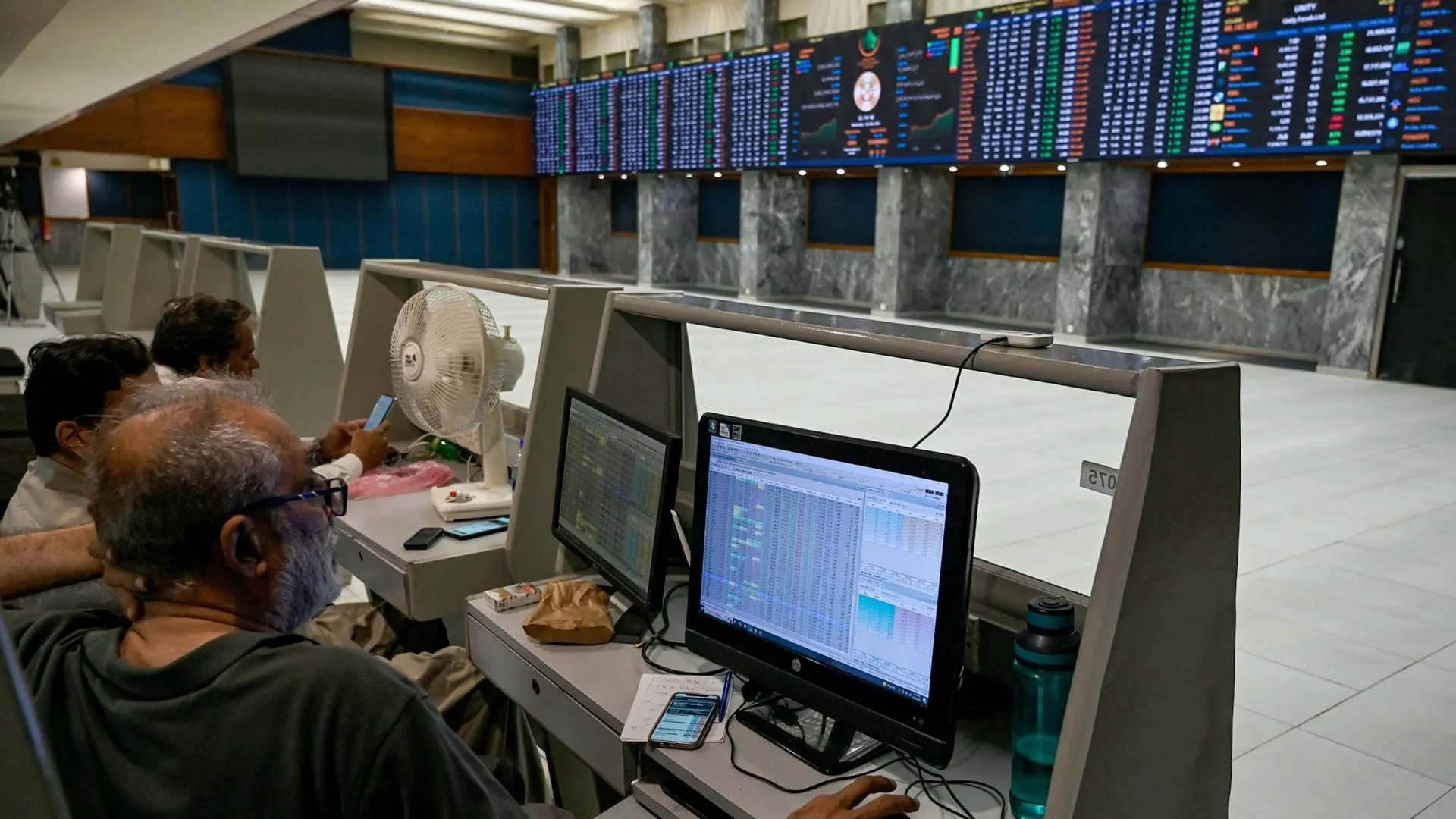
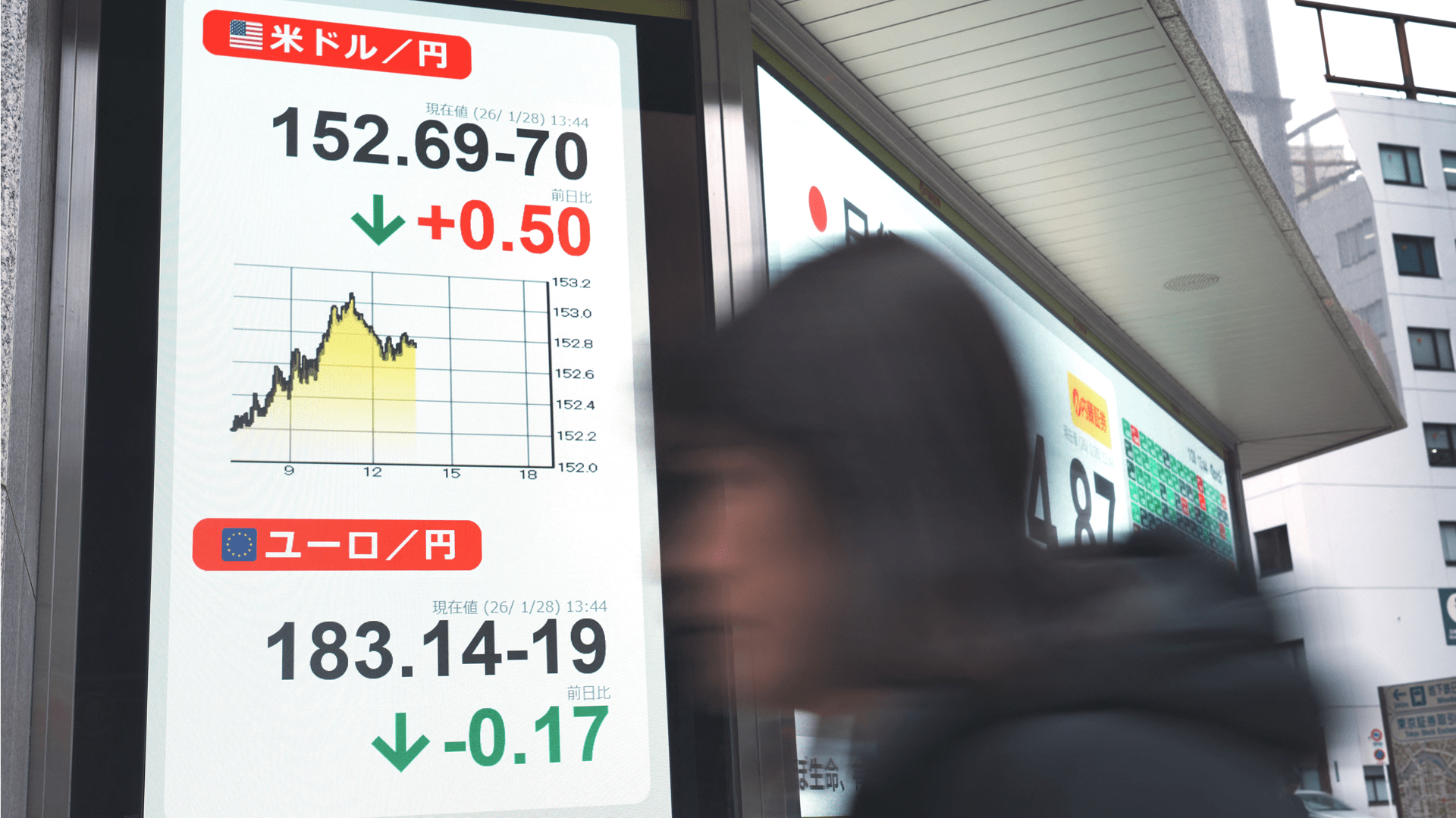
Equity markets extended gains following the remarks, building on a broader rally driven by hopes that the six-week conflict may be nearing an end. Wall Street indexes posted strong advances, with the Nasdaq and S&P 500 recovering to near pre-war levels and approaching record highs.
Asian markets followed the upward trend, led by gains in Seoul. The Kospi rose around three percent, approaching its historic peak. Markets in Tokyo, Hong Kong, Sydney, Taipei, Singapore, and Manila also recorded solid gains.
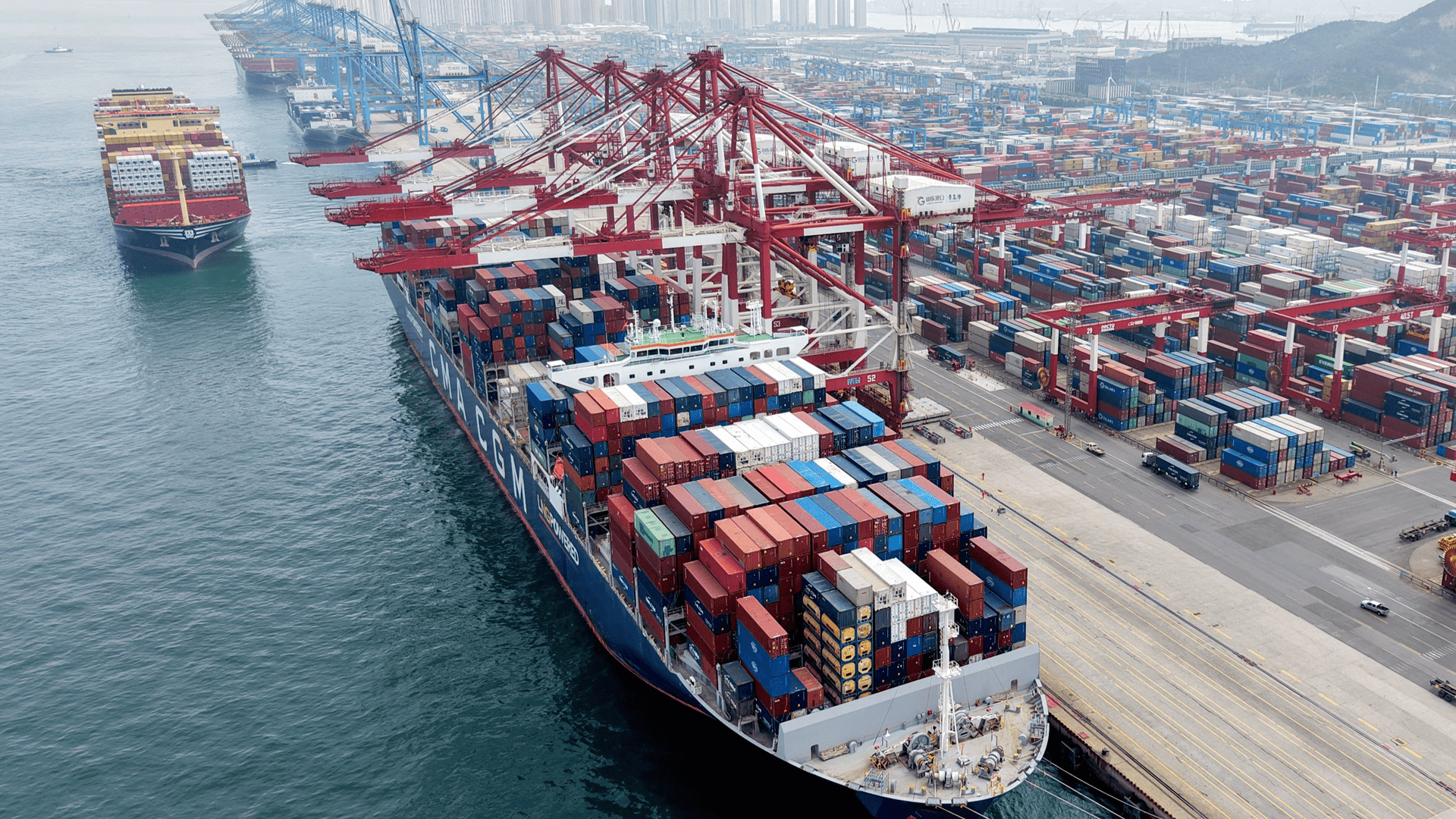
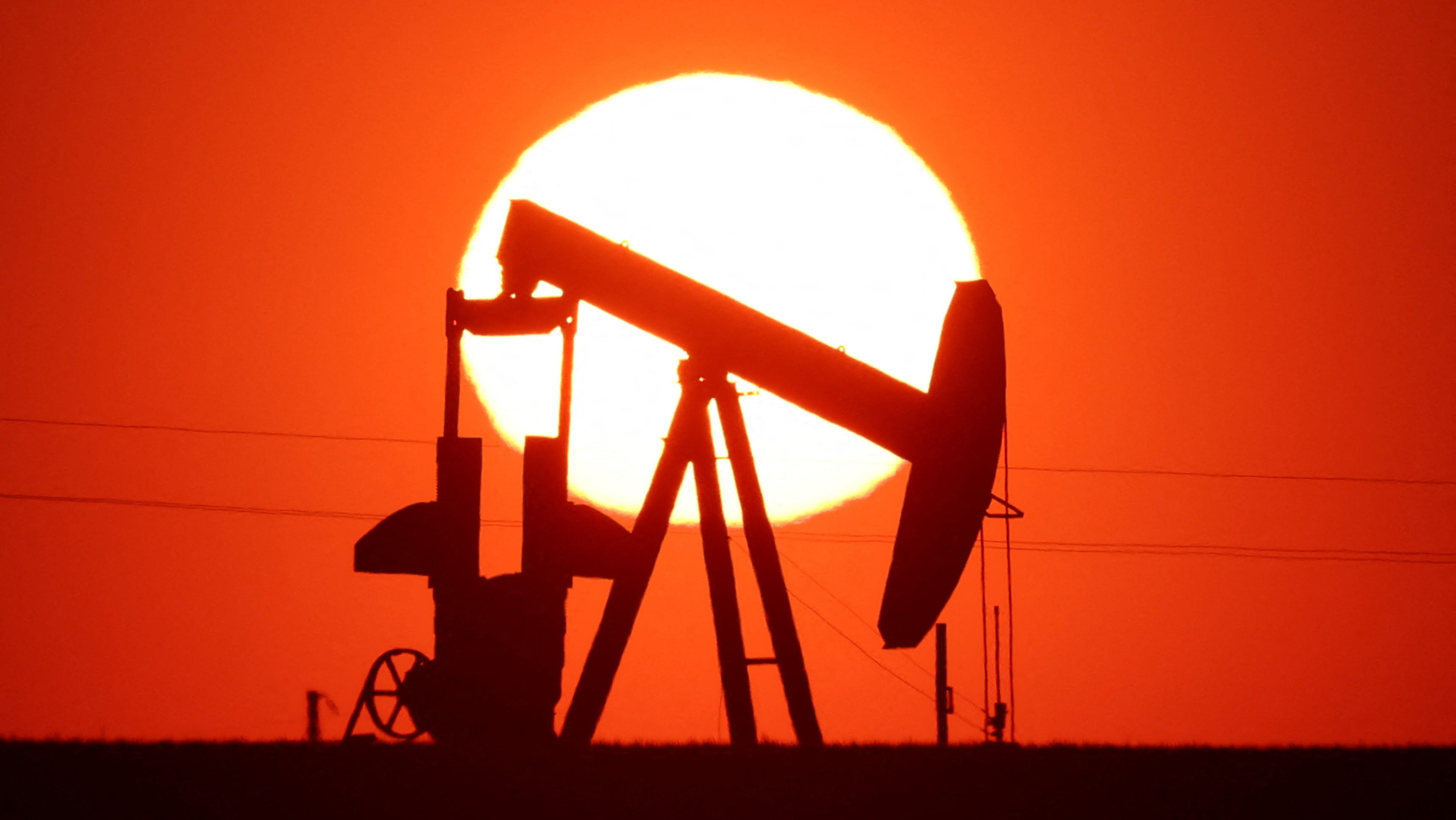
Oil prices continued to fall after sharp losses in the previous session, when West Texas Intermediate dropped about eight percent and Brent crude declined more than four percent.
Market optimism was further reinforced by diplomatic developments between Israel and Lebanon following talks in Washington, marking a rare step towards dialogue between the two sides, which have been in conflict for decades. Lebanon was drawn into the broader war after Hezbollah launched attacks in support of Iran, prompting an Israeli ground operation.
Analysts noted that expectations of diplomatic progress have helped push oil prices lower and supported equity markets, reflecting continued sensitivity to geopolitical developments.
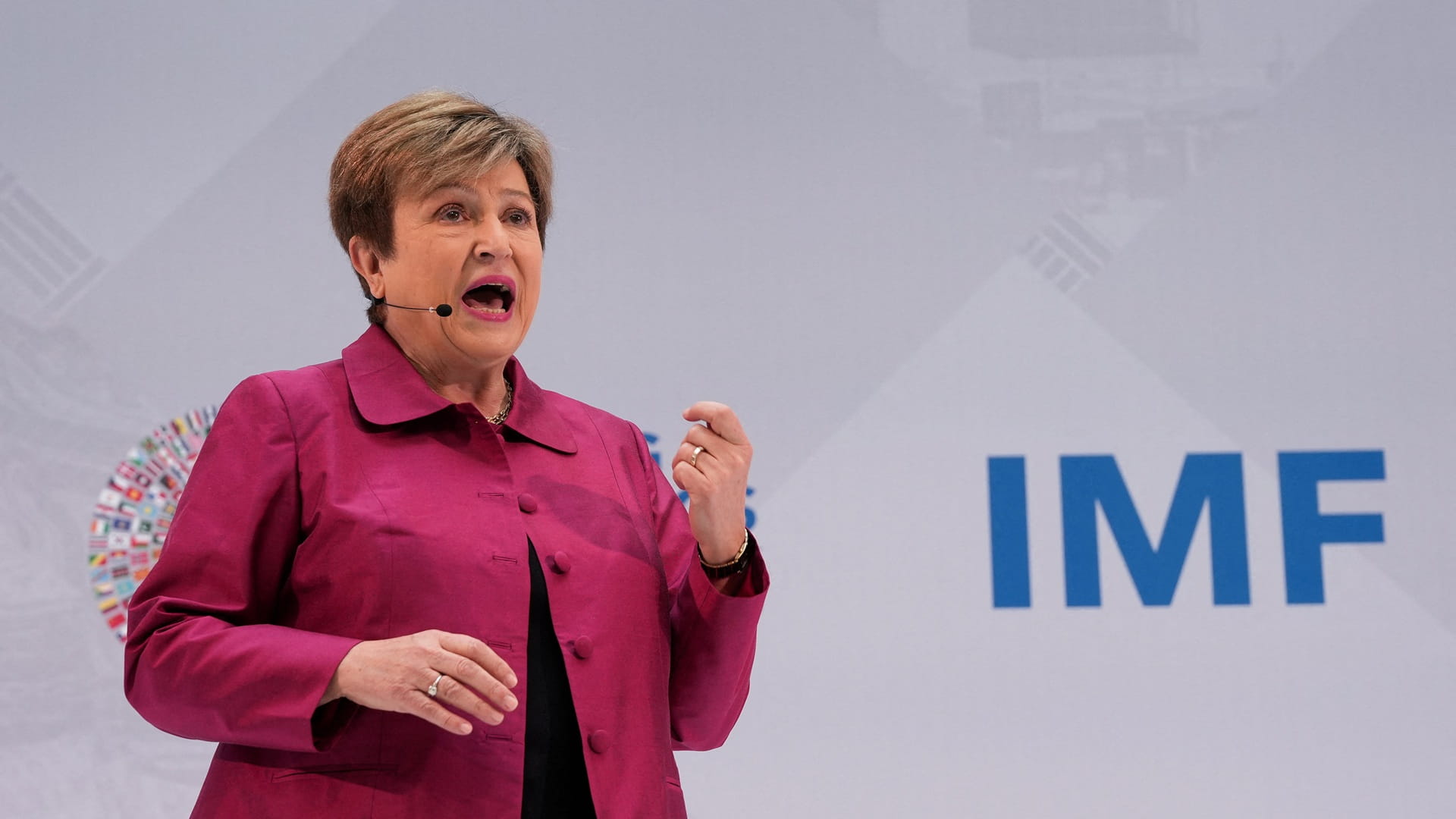
The International Monetary Fund on Tuesday lowered its global growth forecast for 2026 to 3.1 percent from a previous estimate of 3.3 percent, warning that the ongoing conflict could disrupt the global economy. It indicated that growth could have been revised upward in the absence of the war.
Despite the improved market sentiment, observers cautioned that uncertainties remain over the outcome of any potential agreement and the timeline for restoring full oil production capacity.

 For an optimal experience, please
rotate your device to portrait mode.