
Loading...
Loading...

The initiative allocates AED1 billion to support international cooperation in space research and development, reflecting the UAE’s commitment to strengthening its position as a global hub for space technologies and industries and to enhancing its competitiveness in the global space economy.
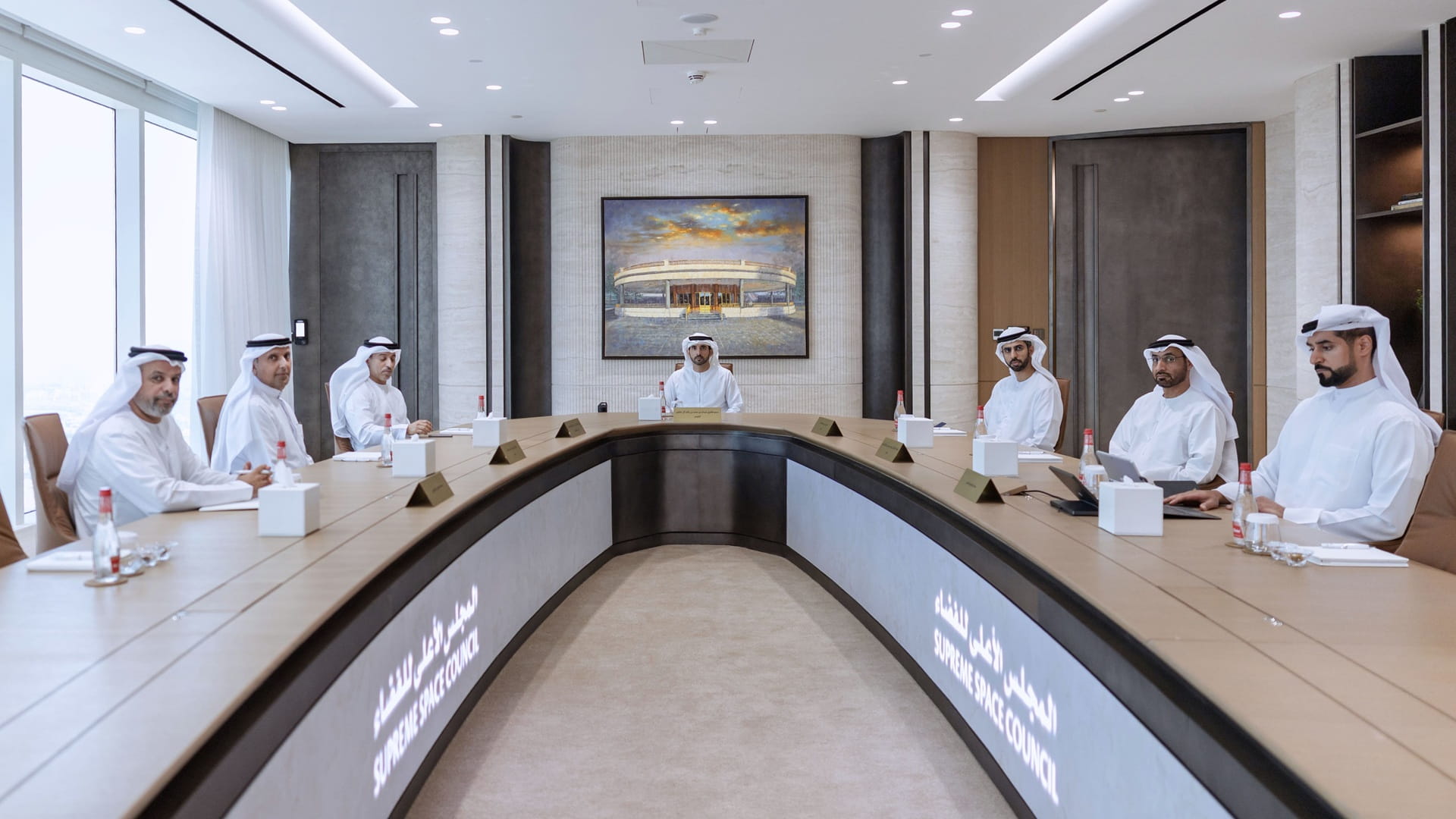
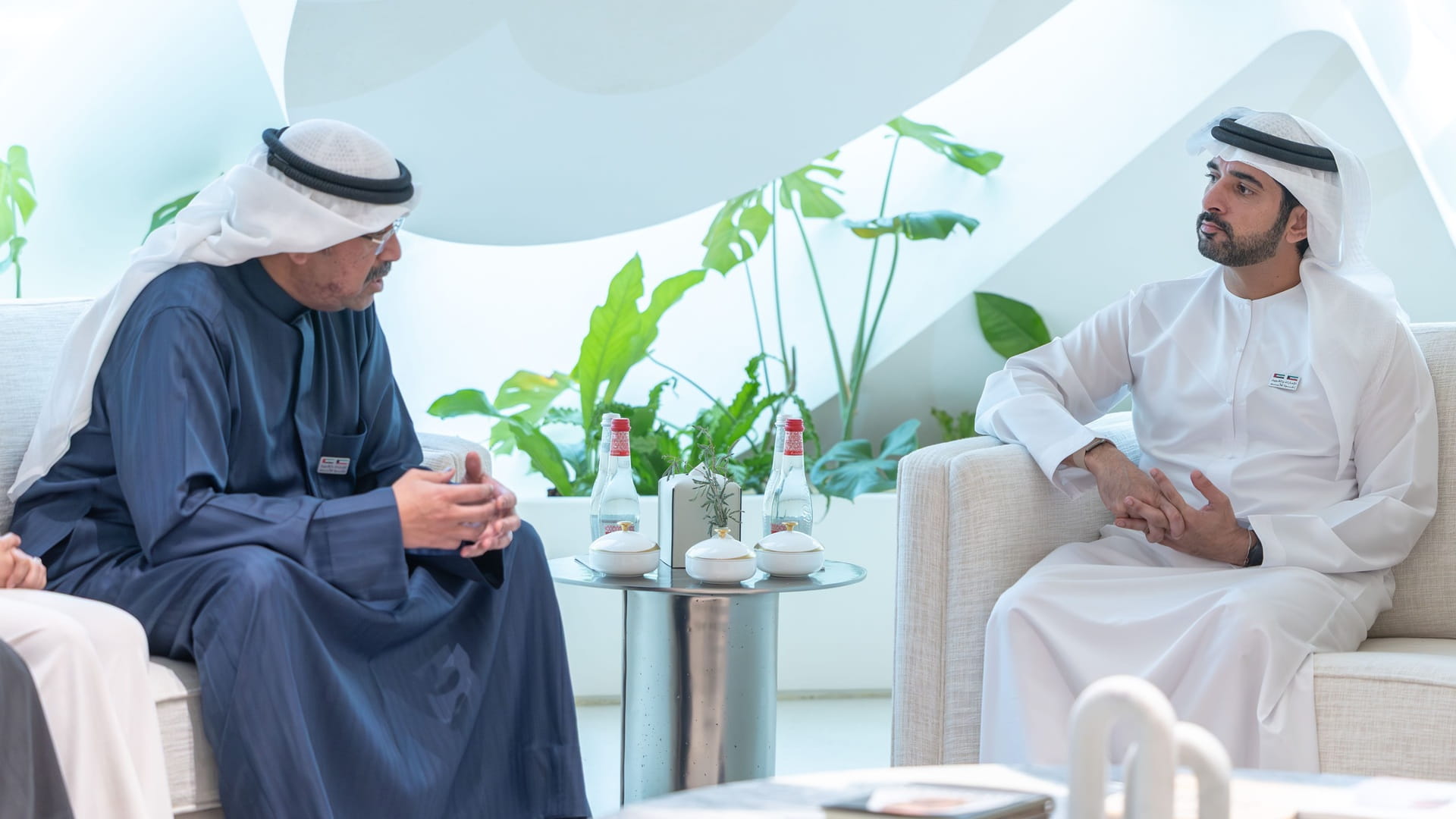
His Highness Sheikh Hamdan bin Mohammed affirmed that the UAE’s space sector is a key strategic sector supporting a knowledge- and innovation-based national economy. He noted that the programme will contribute to localising advanced technologies, empowering national talent, and connecting UAE-based research institutions with their global counterparts through projects with sustainable economic and technological impact, as well as partnerships based on innovation and the exchange of expertise.
He also stressed the importance of continuing efforts to strengthen the UAE’s position among the world’s leading space economies, in line with the objectives of the National Space Strategy 2031, recently launched by His Highness Sheikh Mohammed bin Rashid Al Maktoum, Vice President, Prime Minister and Ruler of Dubai. These objectives include doubling the returns of the space economy, increasing the sector’s added value by 60% and nurturing national capabilities in space research, development and manufacturing.
The launch of the International Space Cooperation Programme supports the UAE’s strategic direction for the space sector, which focuses on building a resilient national space ecosystem that attracts investment and ensures sustainability by developing national capabilities. The strategy seeks to diversify sources of knowledge and technology, strengthen global leadership in space partnerships and market access, and develop space infrastructure and facilities that meet the highest international standards.
The programme aims to develop an advanced model for international space cooperation, based on strategic partnerships among research institutions, academic entities and national and global companies. The objective is to accelerate the development of advanced space technologies, expand knowledge transfer and transform research and development outcomes into applications and industries that deliver sustainable economic value.
The programme also marks a new phase in the UAE’s leadership in the space sector, focusing on patent development, technology localisation and the qualification of specialised talent. It prioritises high-growth, high-impact sectors, contributing to the transformation of innovation into integrated space industries with tangible economic impact, while fostering an attractive environment that attracts leading global talent and high-quality investment. This will further enhance the UAE’s competitiveness in global markets and help it keep pace with the rapid growth of the international space economy.
The meeting also highlighted the programme’s important role in advancing the national space economy amid continued growth in the global space sector, valued at approximately $613 billion in 2024 and projected to reach nearly $780 billion by 2033. This growth further strengthens opportunities for the UAE to expand its presence in future space markets and technologies.
Salem Humaid Al Marri, Director-General of the Mohammed Bin Rashid Space Centre, and Amer Al Sayegh Al Ghaferi, Assistant Director-General of the Aerospace Engineering Sector at the Mohammed Bin Rashid Space Centre, also provided an update on the UAE’s participation in the Artemis programme, highlighting the country’s contribution to developing the infrastructure required to support a sustained human presence on the Moon.
During the meeting, Dr Hamdullah Mohib, CEO of Orbitworks, highlighted the company’s potential to anchor the UAE’s emergence as a global leader in AI-enabled space intelligence. Dr Mohib outlined Orbitworks’ vision for a sovereign satellite constellation, built and operated in the UAE, to position the nation to capture significant international opportunities and establish a world-leading capability in space-based intelligence.
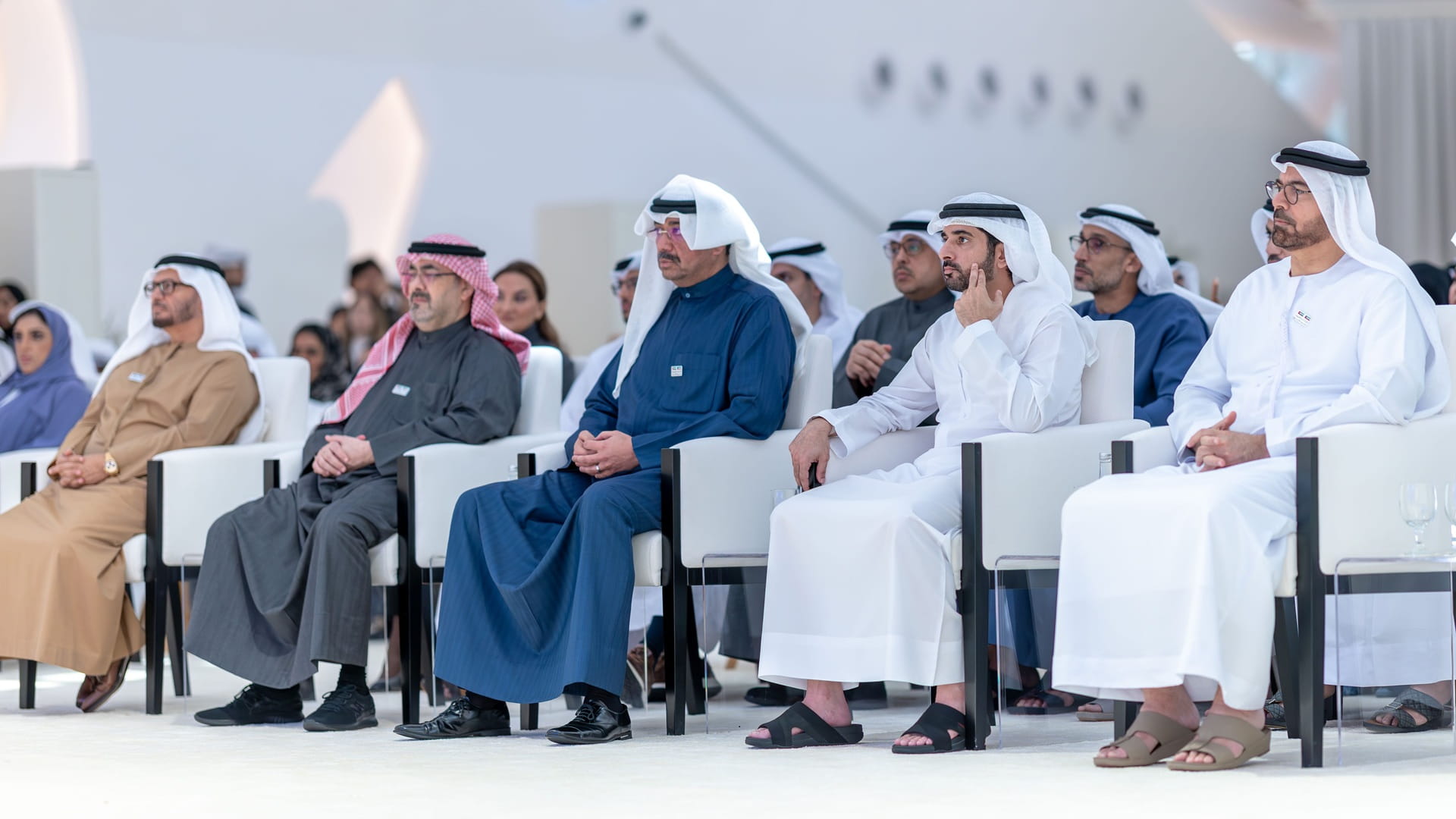
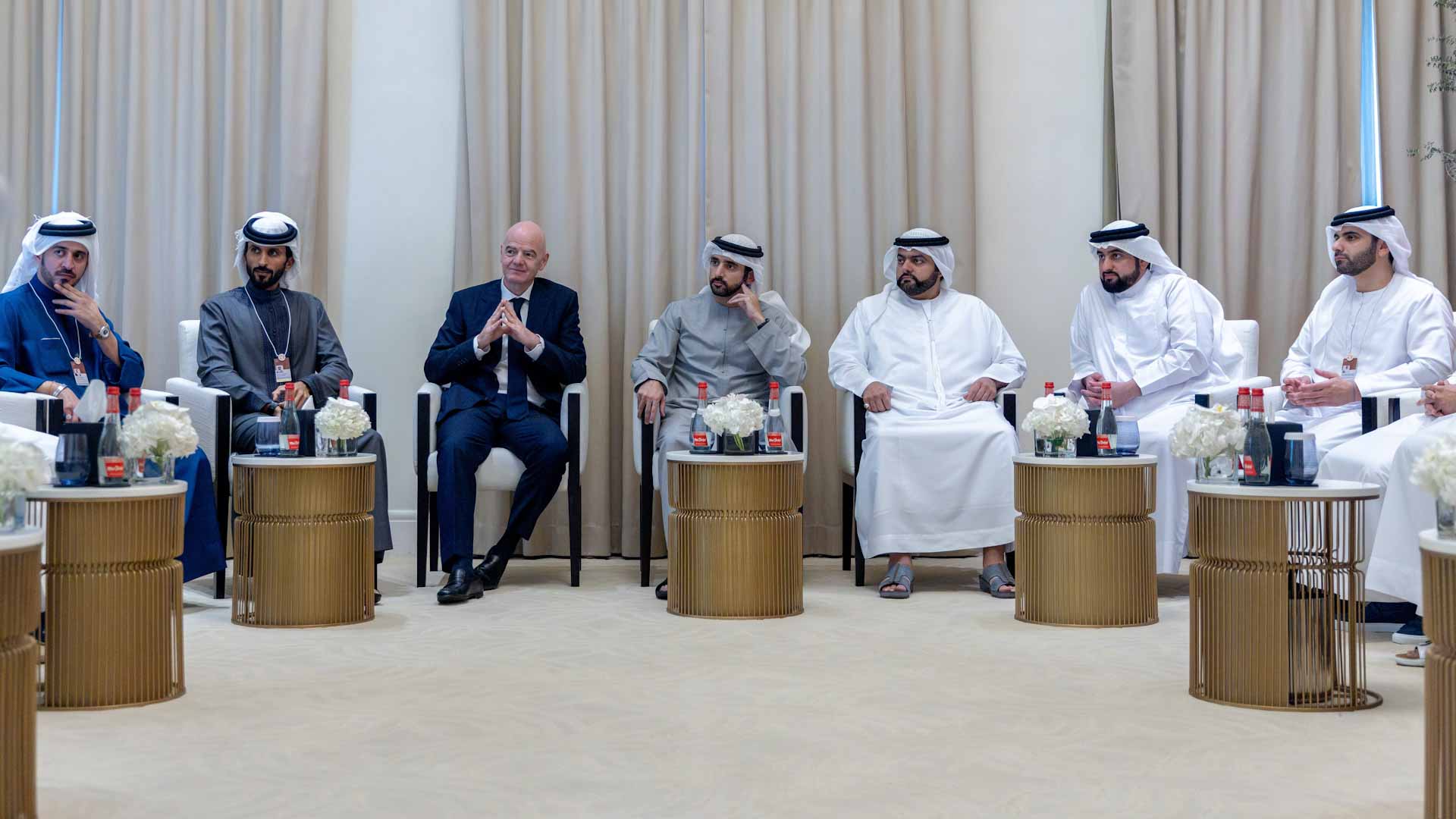
The meeting was attended by Dr Ahmad Belhoul Al Falasi, Minister of Sports, Secretary-General of the Supreme Space Council and Chairman of the UAE Space Agency; Omar Sultan Al Olama, Minister of State for Artificial Intelligence, Digital Economy and Remote Work Applications; Lieutenant General Talal Humaid Belhoul, Vice President of the Mohammed Bin Rashid Space Centre; Major General Dr. Mubarak Saeed bin Ghafan Al Jabri, Assistant Under-Secretary for Support and Defence Industries at the Ministry of Defence; Salem Butti Al Qubaisi, Director-General of the UAE Space Agency; and Ibrahim Hamza Al Qasim, Deputy Director-General of the UAE Space Agency.

 For an optimal experience, please
rotate your device to portrait mode.