Loading...
Loading...

The investigation comes after a hantavirus outbreak aboard the MV Hondius cruise ship, which departed from the southern Argentine city on April 1, resulted in three deaths and sparked a global health scare.
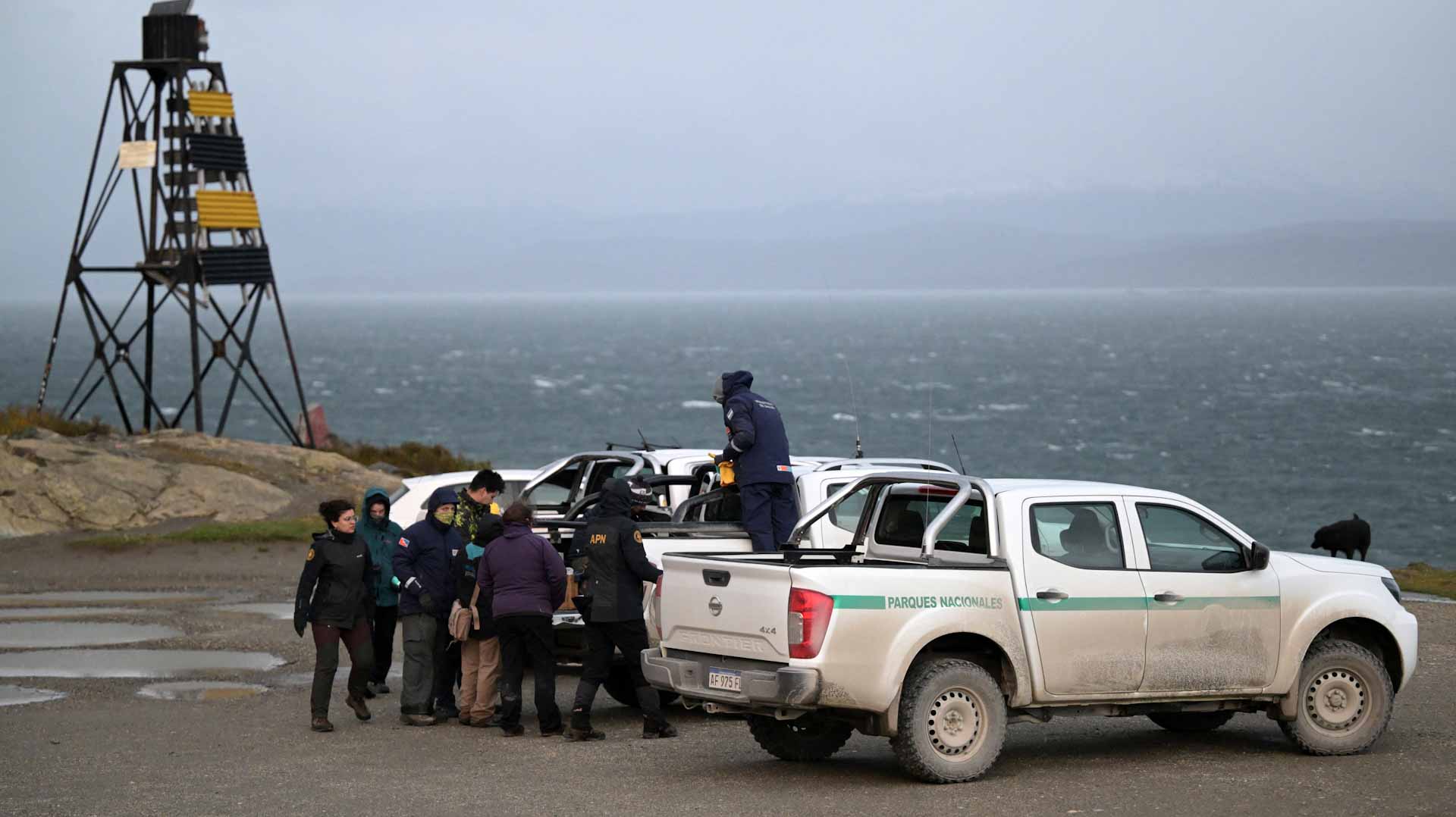
Starting Monday, biologists from Buenos Aires began a multi-day operation to place traps at various locations across the southern island of Tierra del Fuego in an effort to determine whether local rodents carry the Andes strain of hantavirus — the only known strain capable of spreading between humans.
The rare respiratory disease, which currently has no cure, is typically transmitted through the urine, saliva, and feces of infected rodents.
Biologists and national park personnel, equipped with masks and gloves, installed dozens of small rectangular metal cages along trails outside Ushuaia as nightfall approached.
Additional traps were deployed inside Tierra del Fuego National Park, a 70,000-hectare (173,000-acre) area of forests, lakes, and mountains located about 15 kilometres (nine miles) from the city.
According to a local healthcare source, the team installed up to 150 traps.
Provincial authorities stressed that Tierra del Fuego has not recorded any hantavirus cases since mandatory reporting was introduced 30 years ago, unlike northern provinces such as Rio Negro and Chubut.
Local scientists believe it is more likely that infections linked to the cruise ship outbreak originated in another region.
Two victims of the hantavirus outbreak aboard the vessel — a married Dutch couple — had spent four months travelling across Argentina, including trips to Chile and Uruguay.

 For an optimal experience, please
rotate your device to portrait mode.