
Loading...
Loading...

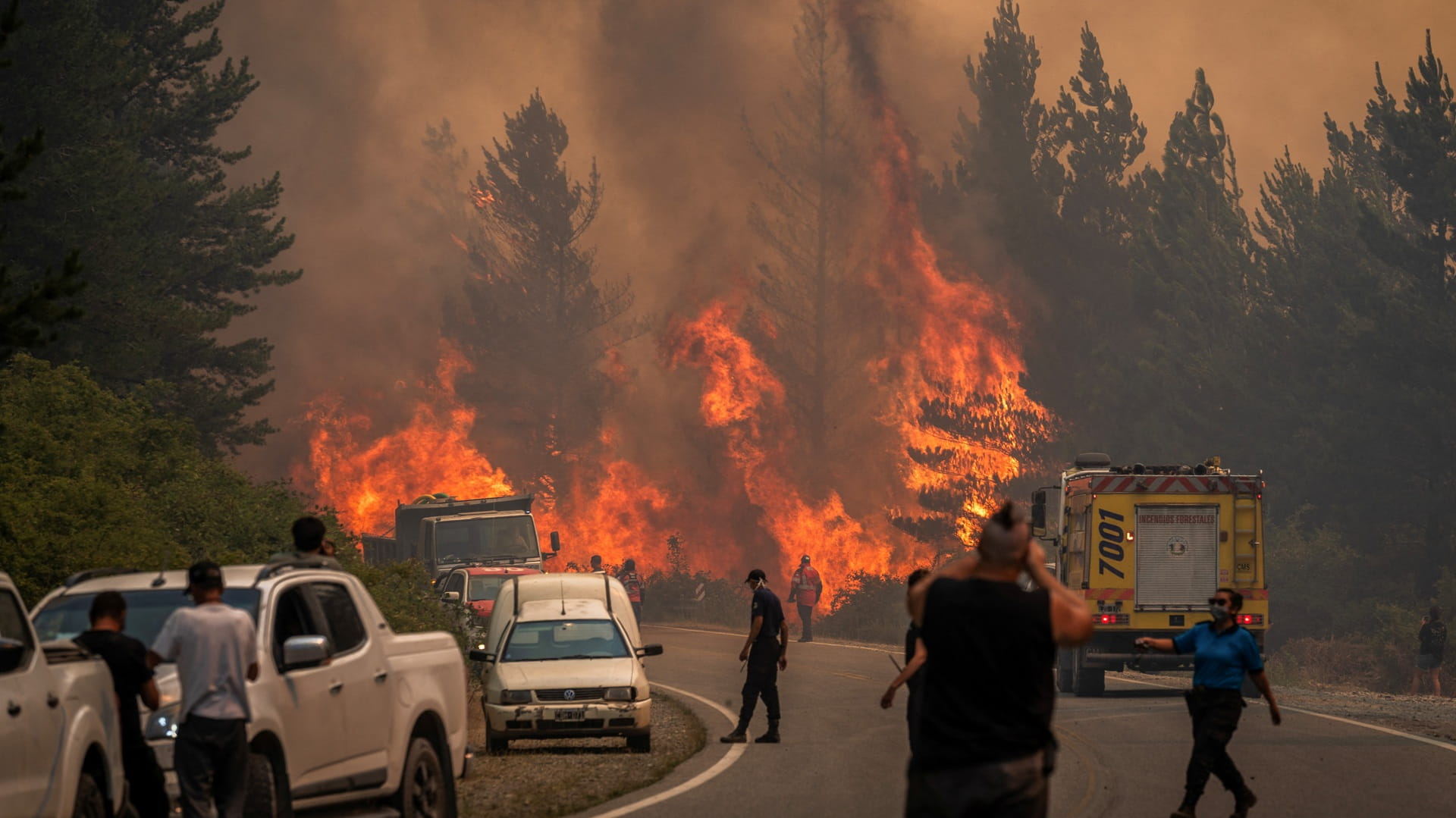
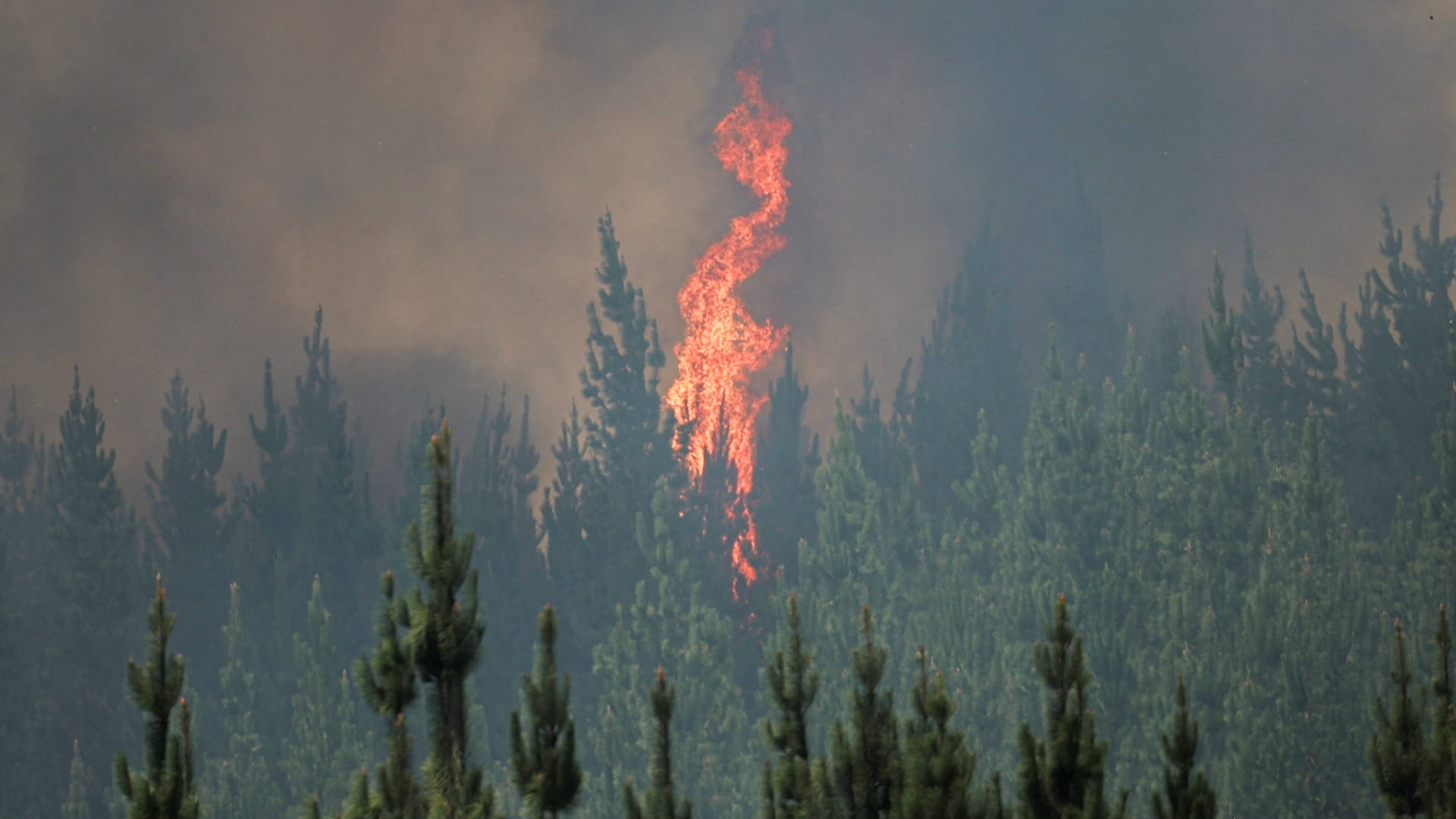
The summer-season fires across both South American countries killed about two dozen people, destroyed hundreds of homes, displaced thousands of residents, and threatened some of the oldest trees in the world. Tens of thousands of hectares were burned.
In a statement accompanying its report, WWA said parts of Chile and Argentina are experiencing drier summers and more frequent fire-prone weather due to carbon emissions. Researchers concluded that human-driven climate change made the weather conditions linked to the recent fires approximately 2.5 to 3 times more likely.
The WWA is an international scientific group that evaluates the role of climate change in extreme weather events.
According to the report, fires spread through Chile’s Biobio and Nuble regions and Argentina’s Chubut province. The blazes also threatened a Patagonian national park that is home to tree species capable of living for more than 3,000 years.
Study co-author Clair Barnes of the Centre for Environmental Policy at Imperial College London said early summer rainfall in the affected areas has decreased by up to 25% due to fossil fuel burning and the resulting greenhouse gas emissions that warm the planet.
Researchers said fire risk was further intensified by the drying effects of the La Niña weather pattern. The report also pointed to higher wildfire danger linked to plantations of non-native pine trees, which are highly flammable, in both affected regions.
Scientists also highlighted reduced funding for fire prevention and response systems in Argentina under budget-cutting President Javier Milei. During an online press conference, Juan Antonio Rivera of the Argentine Institute for Snow, Glacier and Environmental Sciences (IANIGLA) said that when governments downplay human-caused climate change and deprioritise nature, fires can cause greater damage than necessary.

 For an optimal experience, please
rotate your device to portrait mode.