
Loading...
Loading...
At that moment, I was reminded of Bertrand Russell’s famous statement: “The fundamental cause of the trouble is that in the modern world the stupid are cocksure while the intelligent are full of doubt.” While the quote sounds quite harsh, it captures an important psychological foundation. The need to have an opinion on everything often arises from a deep human desire for certainty, control, and validation. For some individuals, expressing strong opinions becomes less about knowledge and more about identity and self-worth. Vocalising judgments can create a sense of importance, relevance, or authority, sometimes compensating for underlying insecurity.
Modern psychology offers several explanations for this phenomenon. One of the most well-known is the Dunning–Kruger effect, a cognitive bias in which individuals with limited knowledge or competence in a subject tend to overestimate their understanding. Because they lack sufficient expertise, they are also unable to recognise the gaps in their own knowledge. Ironically, the less informed a person is, the more confident they may appear. By contrast, individuals with genuine expertise are often more cautious because they are more aware of complexity, uncertainty, and the limitations of current knowledge.
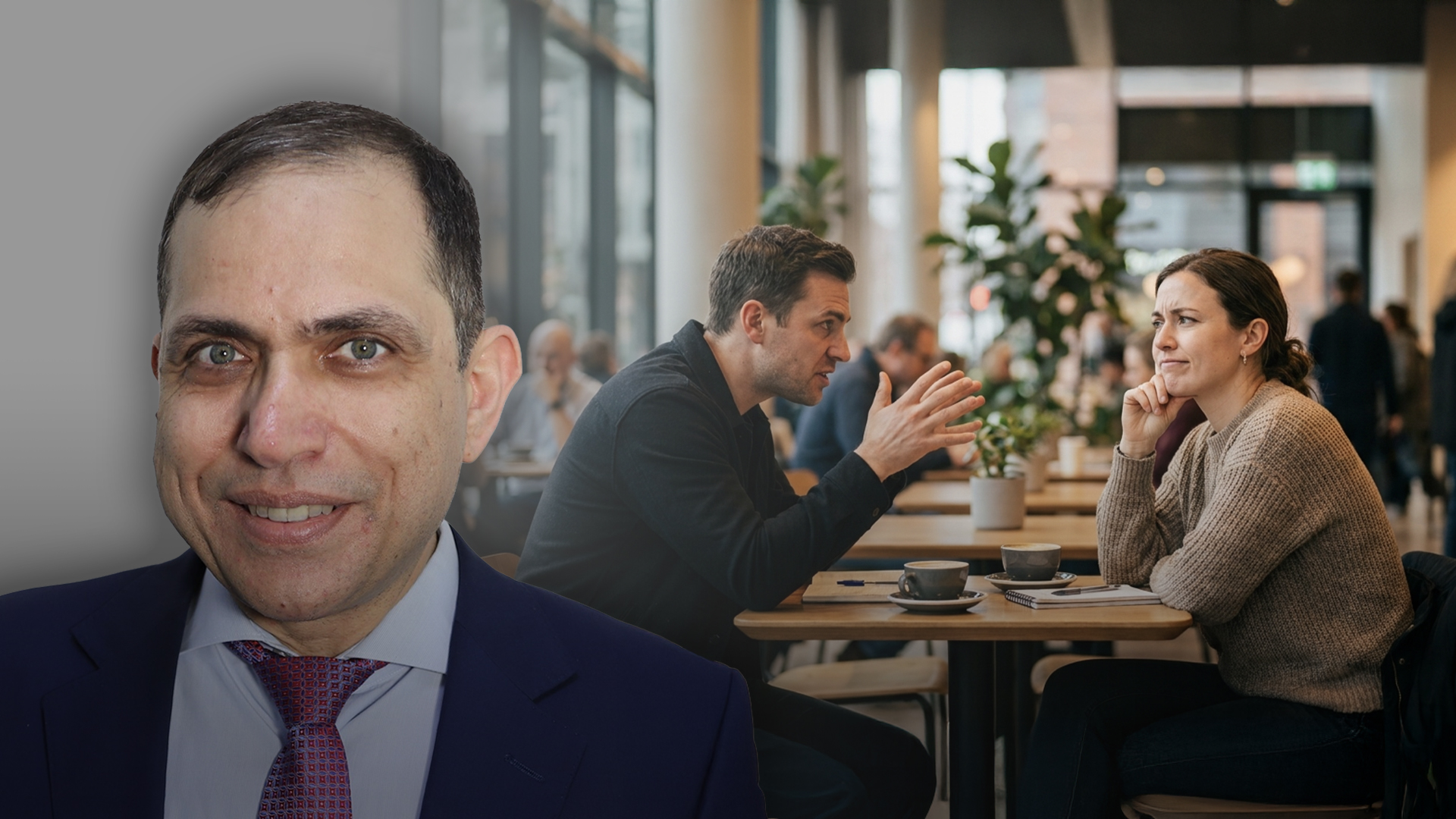
In the age of social media, people increasingly feel pressured to express opinions on everything, while silence is often mistaken for ignorance or indifference. Social identity theory suggests that individuals adopt the beliefs of groups with which they identify, making opinions emotionally tied to identity and belonging. Social media further intensifies this by rewarding certainty, outrage, and rapid reactions over reflection and nuance. As people become emotionally invested in their viewpoints, disagreements are more likely to be perceived as personal attacks rather than intellectual discussions. Combined with confirmation bias, this culture of constant judgment contributes to polarisation, hostility, emotional exhaustion, and reduced empathy in both personal and social relationships.
Having no opinion on a topic does not mean lacking intelligence or awareness. Sometimes it reflects an understanding that complex issues cannot be fully understood through superficial knowledge. Intellectual humility is a sign of psychological maturity. There is value in selectively disengaging from unnecessary debates, particularly in a world saturated with noise and outrage. Mental energy is limited, and constantly reacting to every controversy can lead to stress, emotional exhaustion, and cognitive overload.
Yet complete indifference is equally unhealthy. Society depends on thoughtful engagement with important social, ethical, and scientific issues. The problem is not having opinions but believing one must possess absolute certainty about every subject.
On many occasions, friends and family ask for my opinion on issues ranging from diet to sports. When I hesitate, they often respond, “But you are a doctor, even a professor. Surely you must have an opinion.” My answer is usually the same: it is precisely because of my professional background that I avoid giving uninformed opinions. Wisdom is not demonstrated by speaking on every issue, but by knowing when to speak, when to listen, and when to admit uncertainty.

 For an optimal experience, please
rotate your device to portrait mode.