
Loading...
Loading...

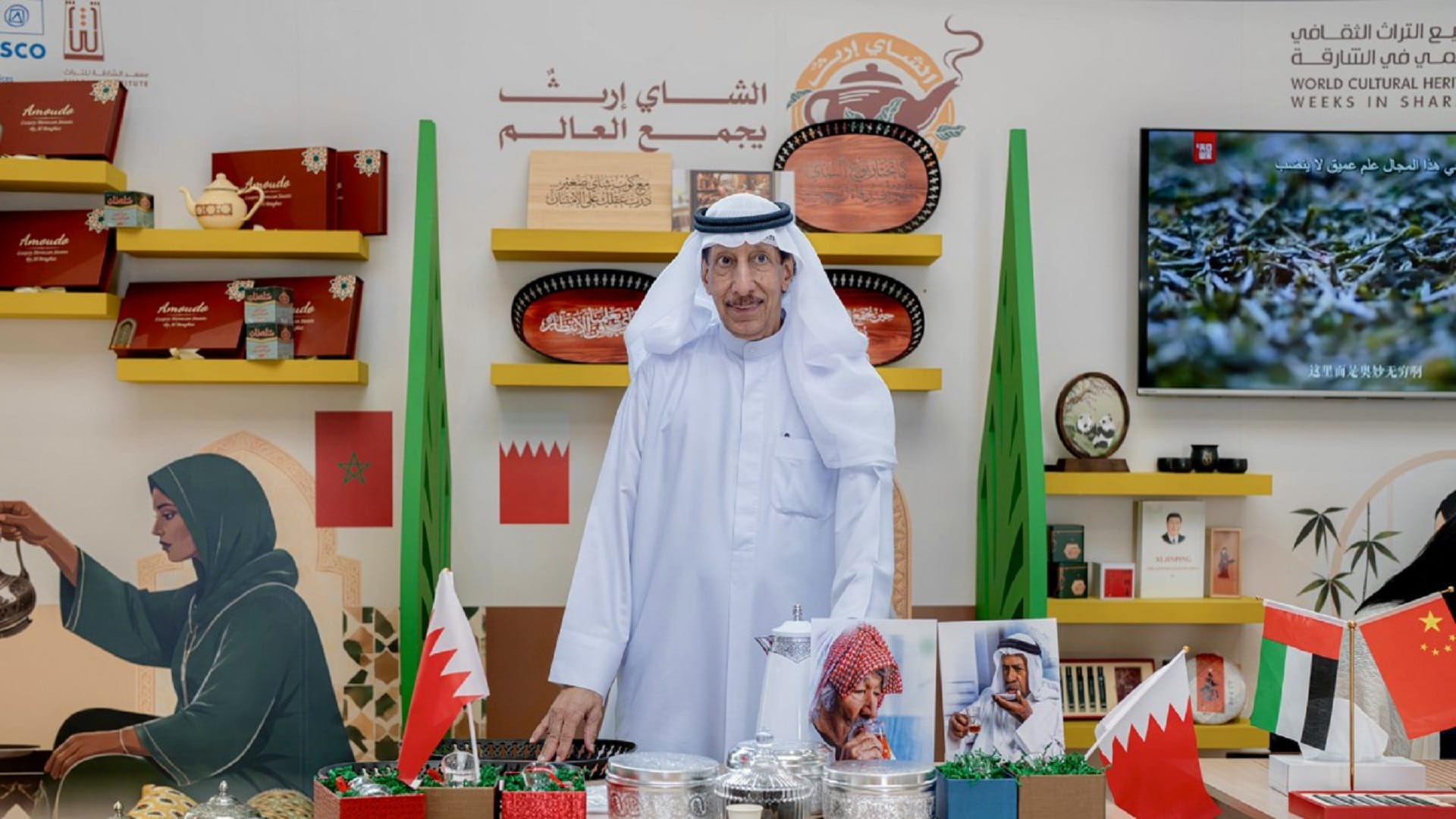
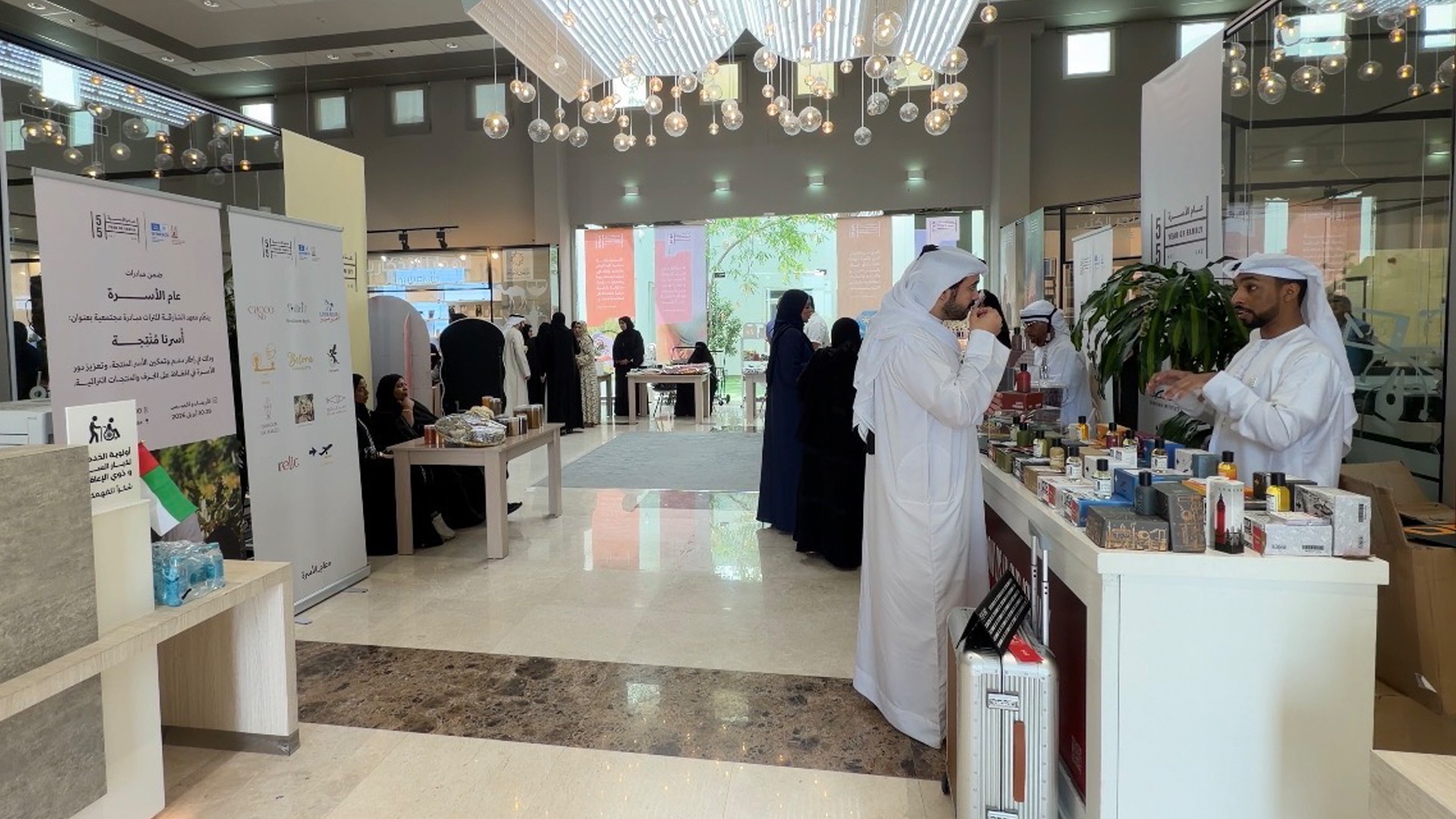
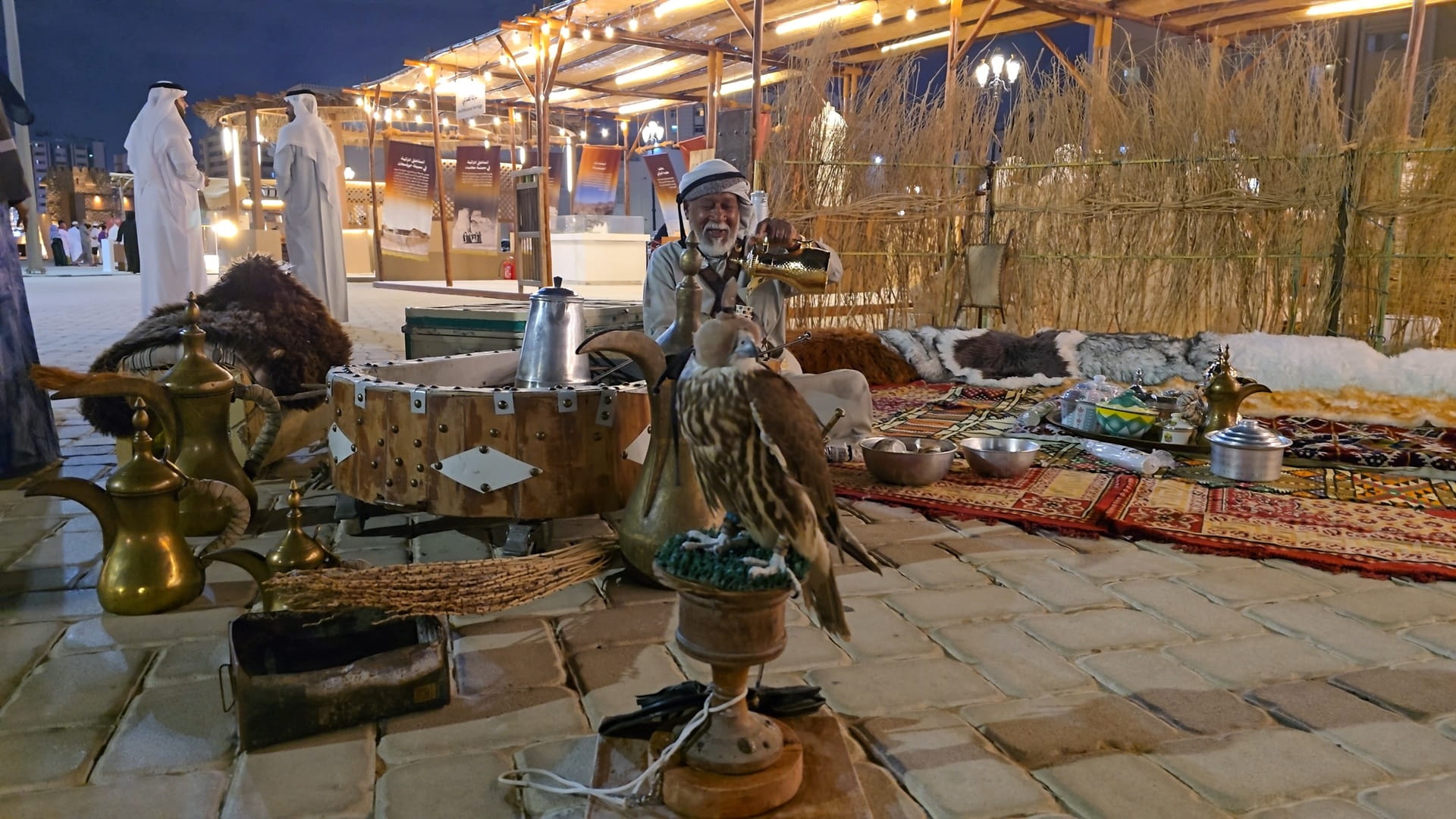
The event, staged in the institute’s main atrium between 18 and 21 May, offered an immersive cultural experience exploring tea’s place in the memory and social customs of communities around the world. The programme attracted strong public attendance and featured international participation, highlighting tea as a shared human heritage and a symbol of cultural exchange and connection.
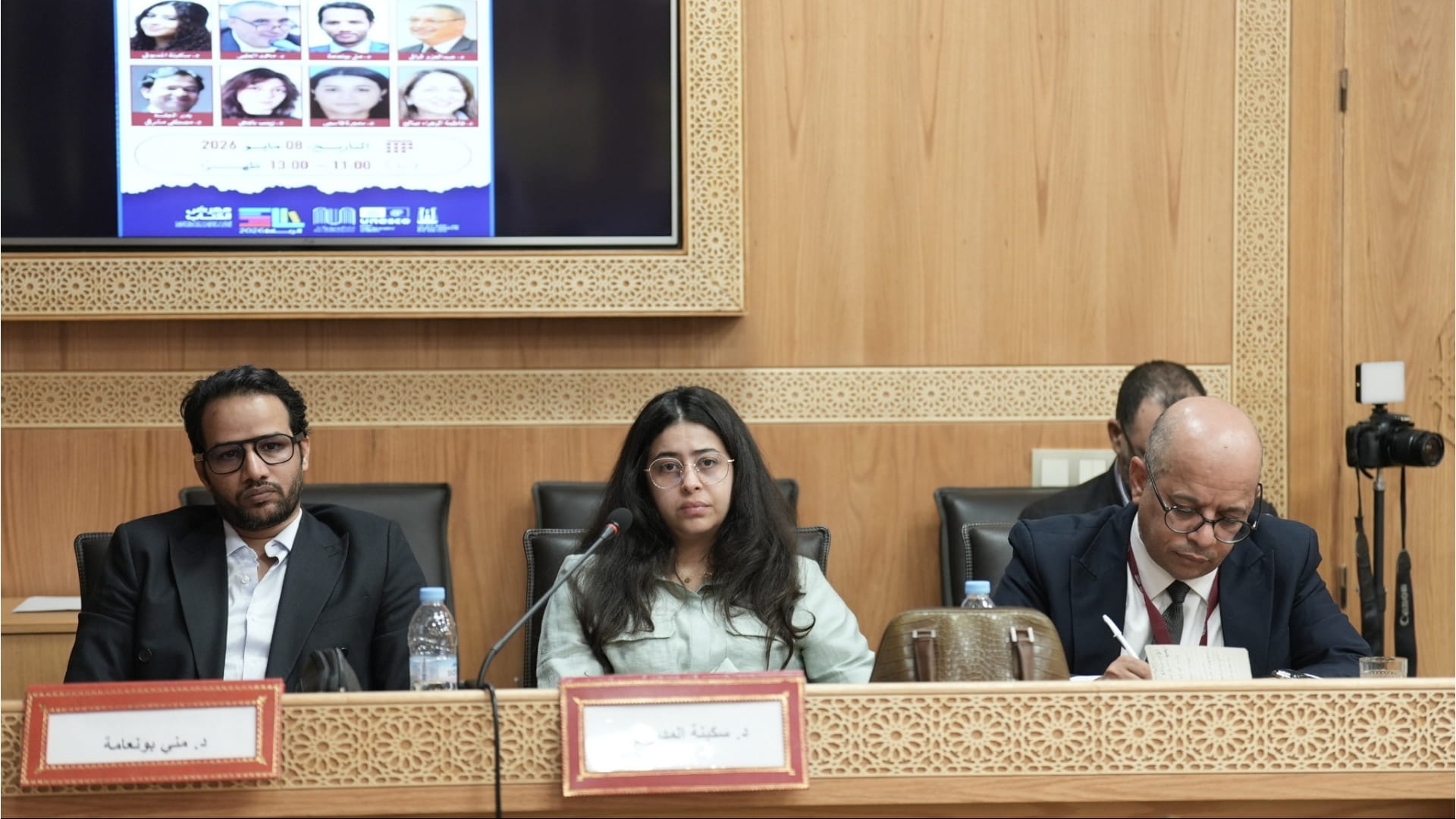
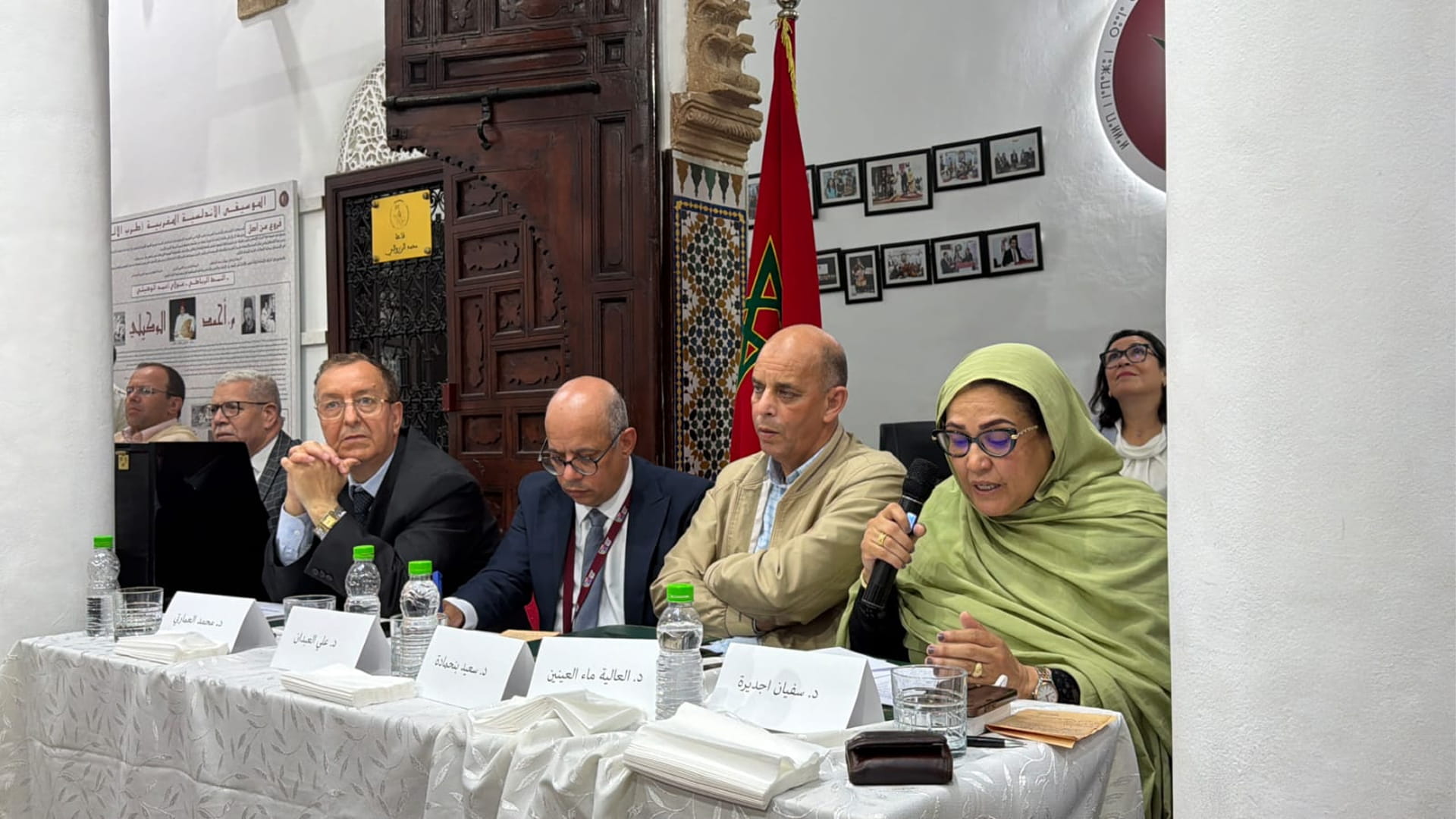
Aisha Ghabesh, Director of Events and Activities at the institute, said the programme featured notable contributions from Bahrain, China, India, and Morocco, along with other participating countries.
She noted that these contributions enriched panel discussions and accompanying activities, while a dedicated exhibition showcased global tea traditions and customs. Visitors were able to explore how preparation and serving rituals differ across cultures and how tea has become deeply embedded in social identity and heritage worldwide.
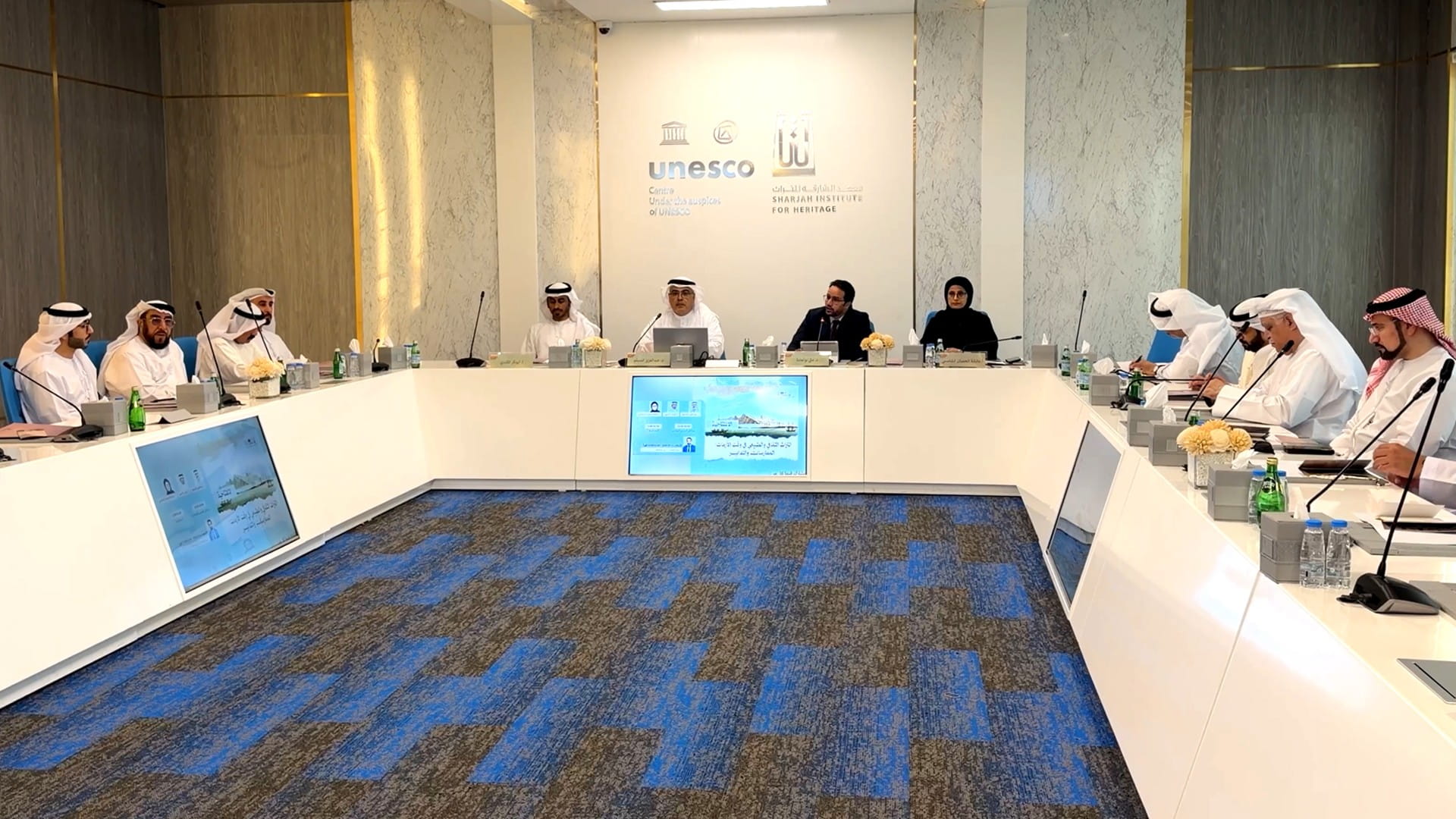
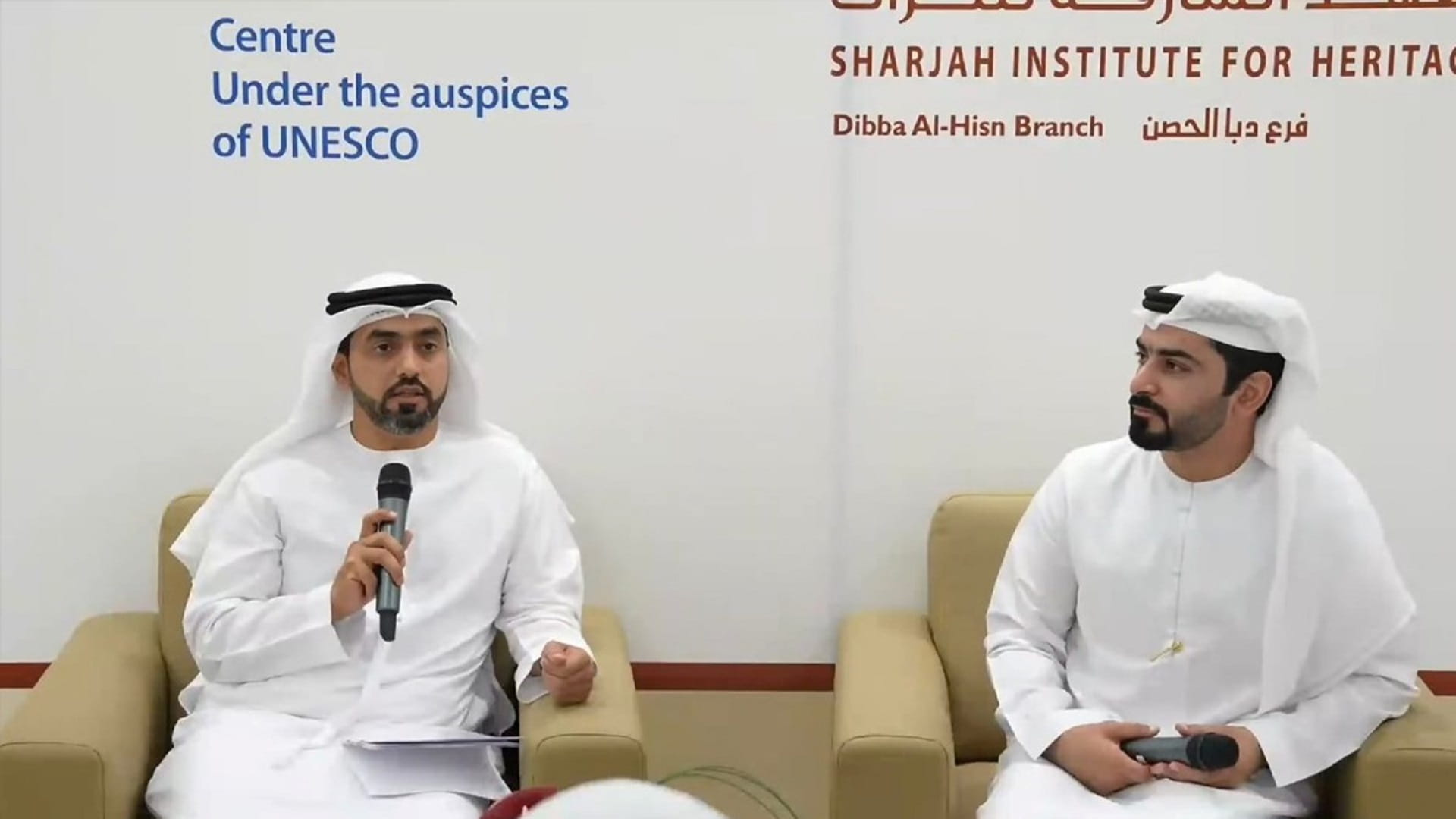
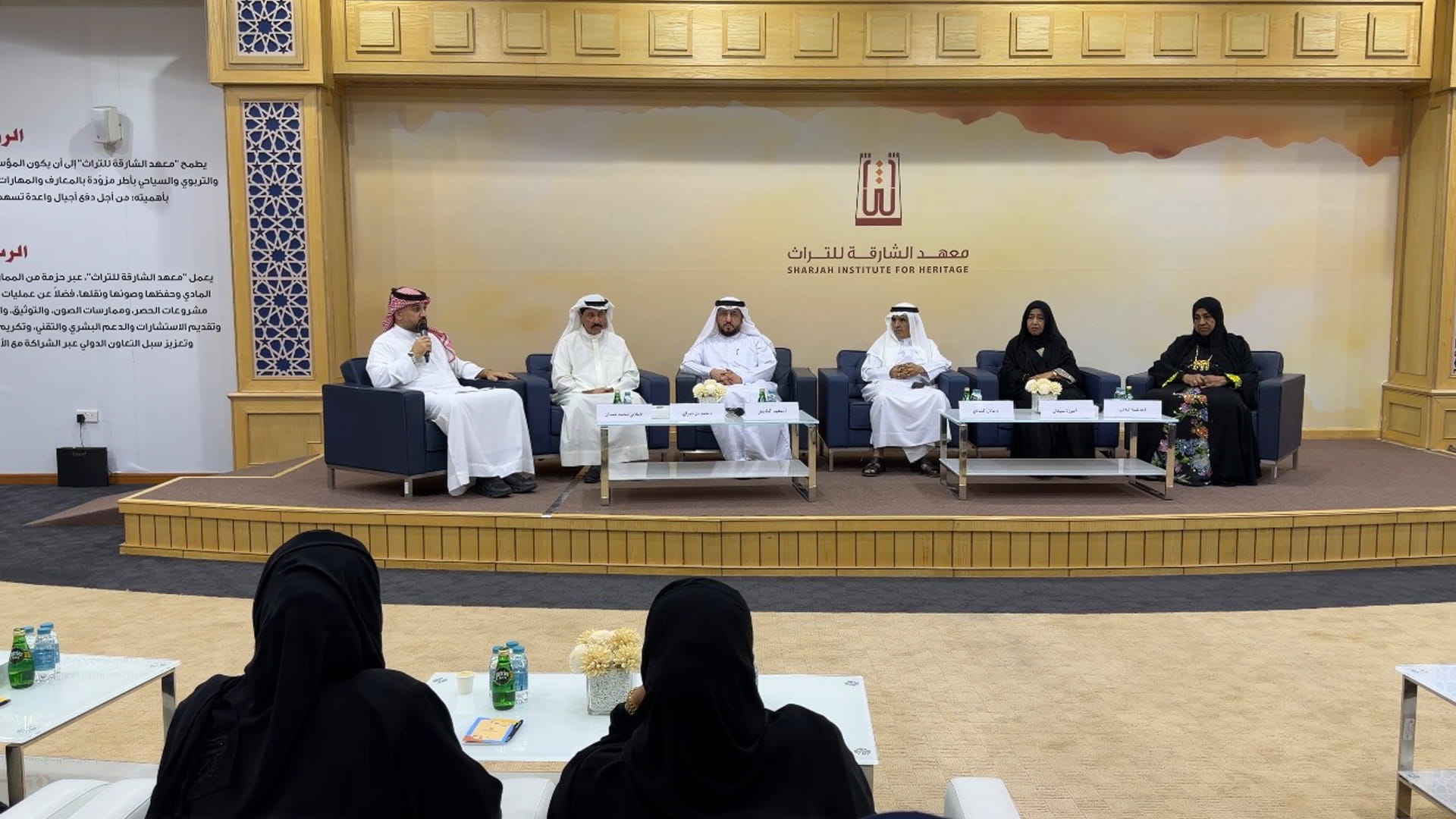
The main panel discussion, also titled “Tea: A Heritage that Brings the World Together”, brought together researchers and heritage specialists from Bahrain, Iraq, China and the UAE.
The session examined the cultural and social dimensions of tea, particularly its role in oral traditions and majlis culture as a space for dialogue and human connection.
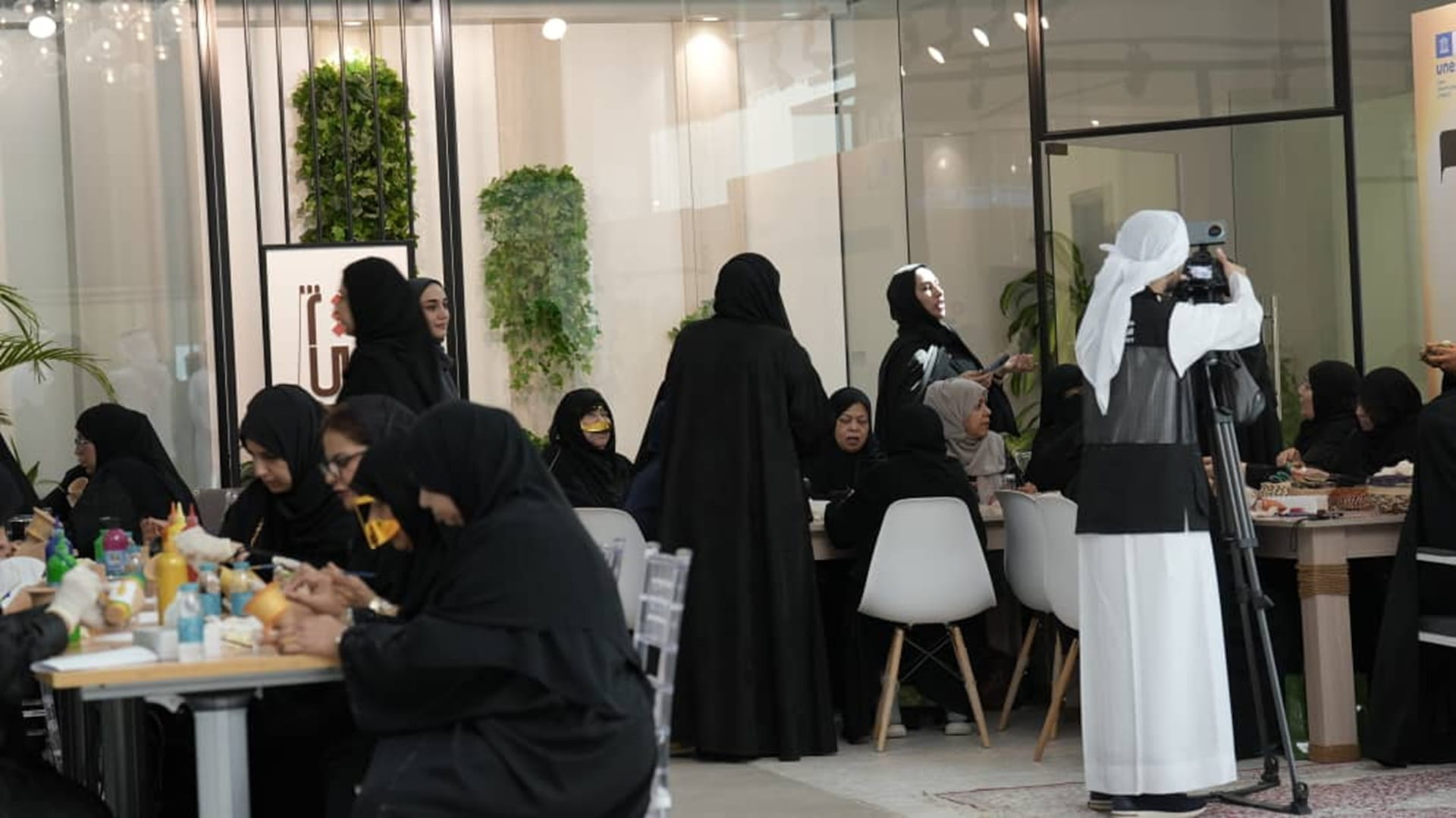
Across the four days, the programme also included educational and heritage workshops that introduced visitors to the history of tea, preparation techniques, and traditions in different societies. Cultural performances by various Arab communities in the UAE added a celebratory dimension to the event.
Ghabesh highlighted a significant public turnout throughout the programme, noting strong engagement from both visitors and heritage enthusiasts.
She said the response reflected growing public interest in cultural initiatives that celebrate shared human heritage and promote dialogue between communities.
She added that such initiatives reflect the institute’s commitment to delivering high-quality cultural programmes that highlight elements of our shared global heritage.
The activities, she said, reinforce Sharjah’s position as a platform for cultural dialogue and knowledge exchange between societies through events that balance authenticity with openness to global traditions.

 For an optimal experience, please
rotate your device to portrait mode.