
Loading...
Loading...

“It has been devastating,” said Officer Warrell Nicholson, speaking by phone from the Black River police station, a building that suffered damage but has nonetheless become a refuge for residents seeking shelter.
Footage from the region shows felled trees, smashed cars, downed power lines, and destroyed homes — a grim portrait of wreckage that is only beginning to emerge, as assessment efforts are hampered by the widespread loss of power and communication across the Caribbean island.
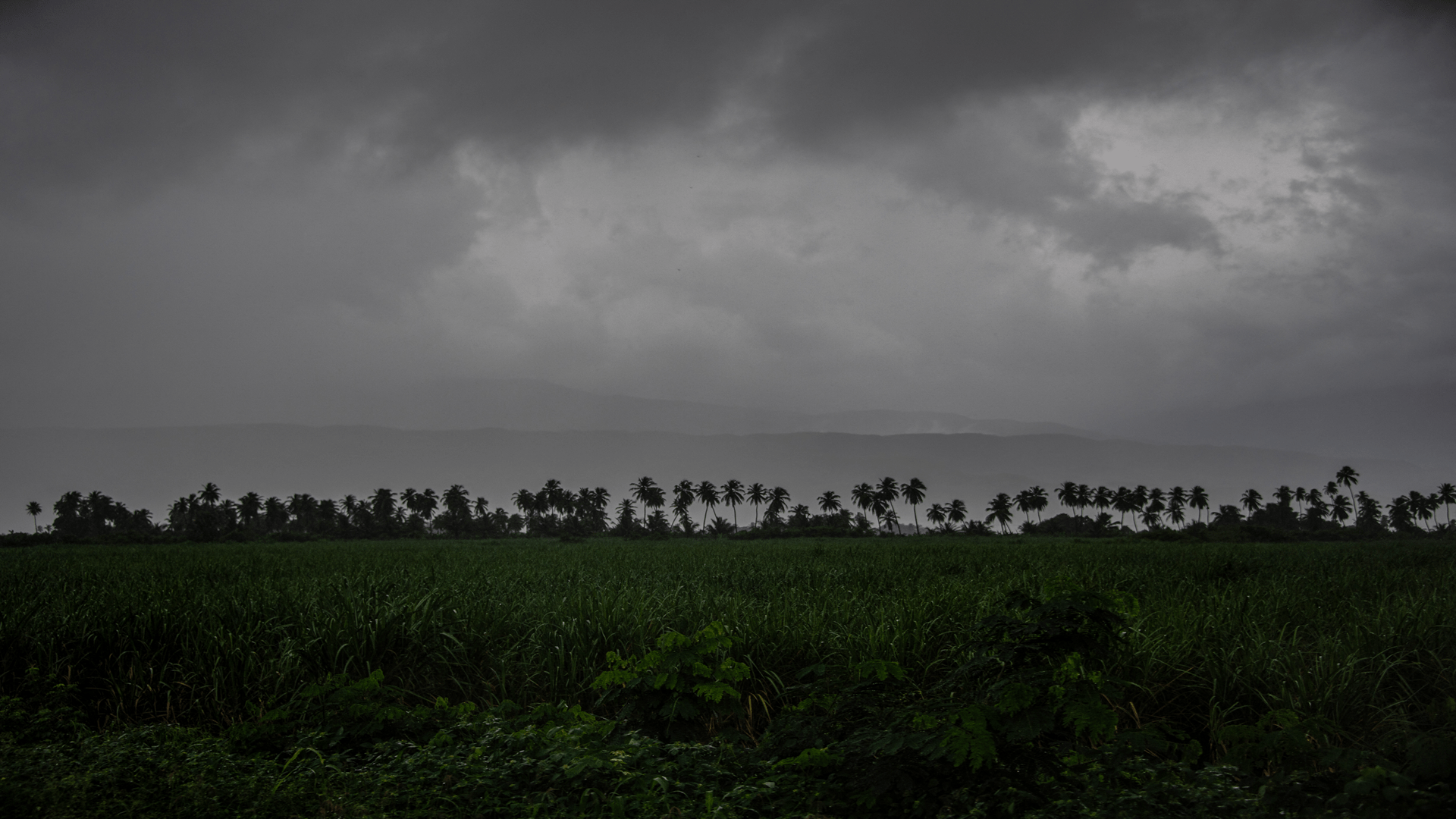
Hurricane Melissa struck Jamaica as a ferocious top-level storm, with sustained winds reaching 185 miles (295 kilometres) per hour and torrential, life-threatening rainfall inundating the nation.
Further up the coast from Black River, Andrew Houston Moncure sought shelter at home with his wife and 20-month-old son, at one point retreating to the shower with pillows and blankets to place as many walls as possible between them and the raging storm.
Although no stranger to hurricanes, Houston Moncure admitted, “It’s never been this bad.”
“It was the most terrifying experience, especially with my son,” he said. “The pressure is so low you struggle to breathe, and it just sounds like a freight train going over you,” he added, his voice trembling with emotion.
He said the roof of the hotel kitchen was blown away, yet the owners are doing their utmost to prepare and distribute food to locals before it spoils.
“We are the lucky ones,” he added. “When you look up into the hill, you just see boarded houses that are collapsed. It’s gonna be a long road back.”
In Seaford Town, Christopher Hacker’s hilltop restaurant in western Jamaica now lies in ruins. “Everything is gone,” he said.
As both a restaurateur and a farmer, he shared images of his banana fields flattened by the storm.
“It will take a lot to recover from this,” he said.
“Catastrophic is a mild term,” said Coleridge Minto, head of the Saint Elizabeth Division of Jamaica’s police, in an update from the area. “The situation here is devastating. We need all the help that we can.”
Jamaican Prime Minister Andrew Holness has declared the island nation, famed for tourism, a “disaster area” in the wake of Hurricane Melissa, which matched the 1935 record for the most intense storm ever to make landfall.
Approximately 70 percent of the country remains without electricity. In Bluefields, Houston Moncure said residents were relying on a pick-up truck to charge battery packs and using a portable Starlink internet kit to stay connected.
“Our generator got hit by a tree. There’s no communication. I have the only Starlink in the area,” he said, describing the situation as “catastrophic.”
“Today we’re just trying to care for the people who are here, take care of ourselves, and take care of each other.”
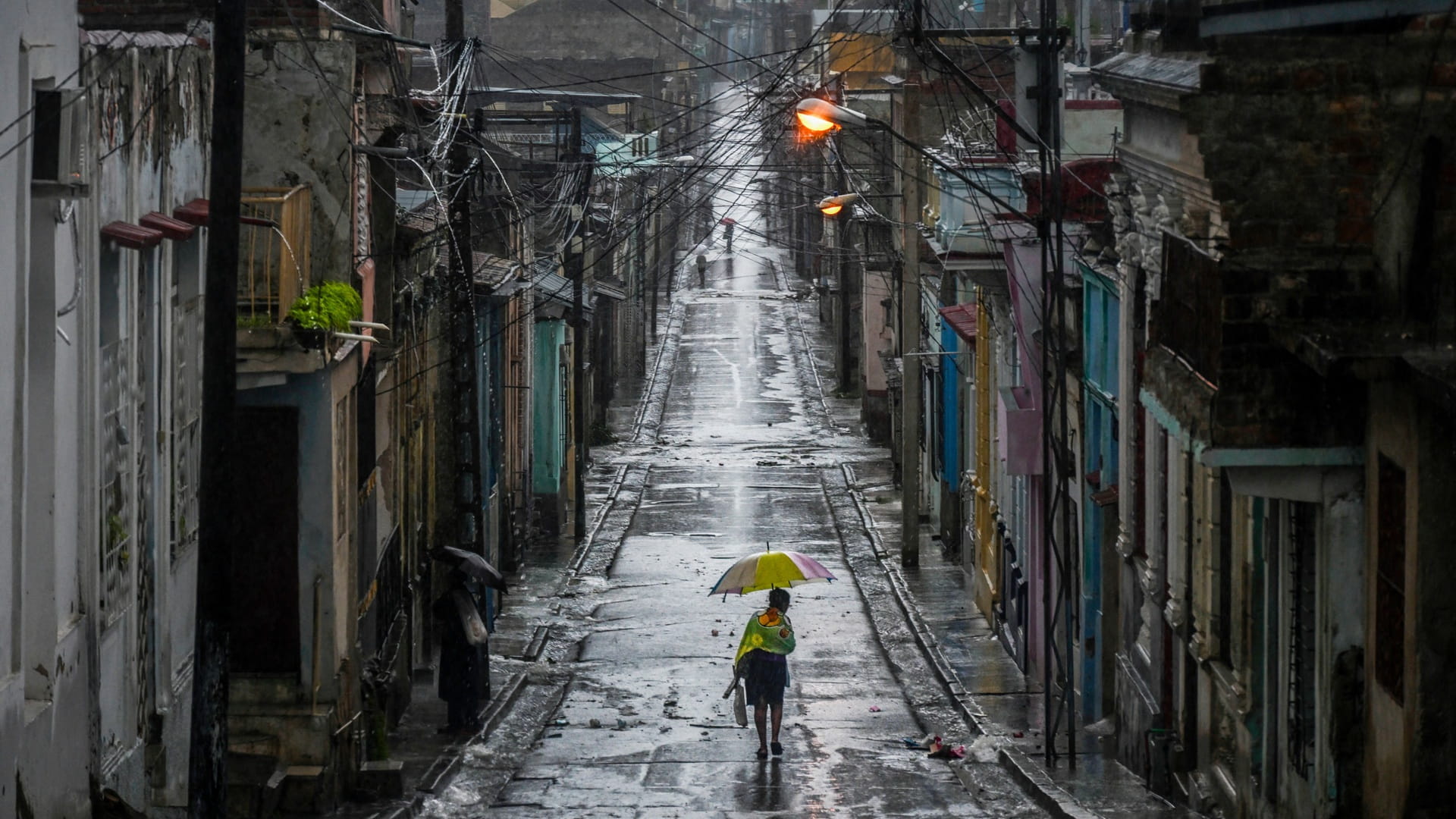
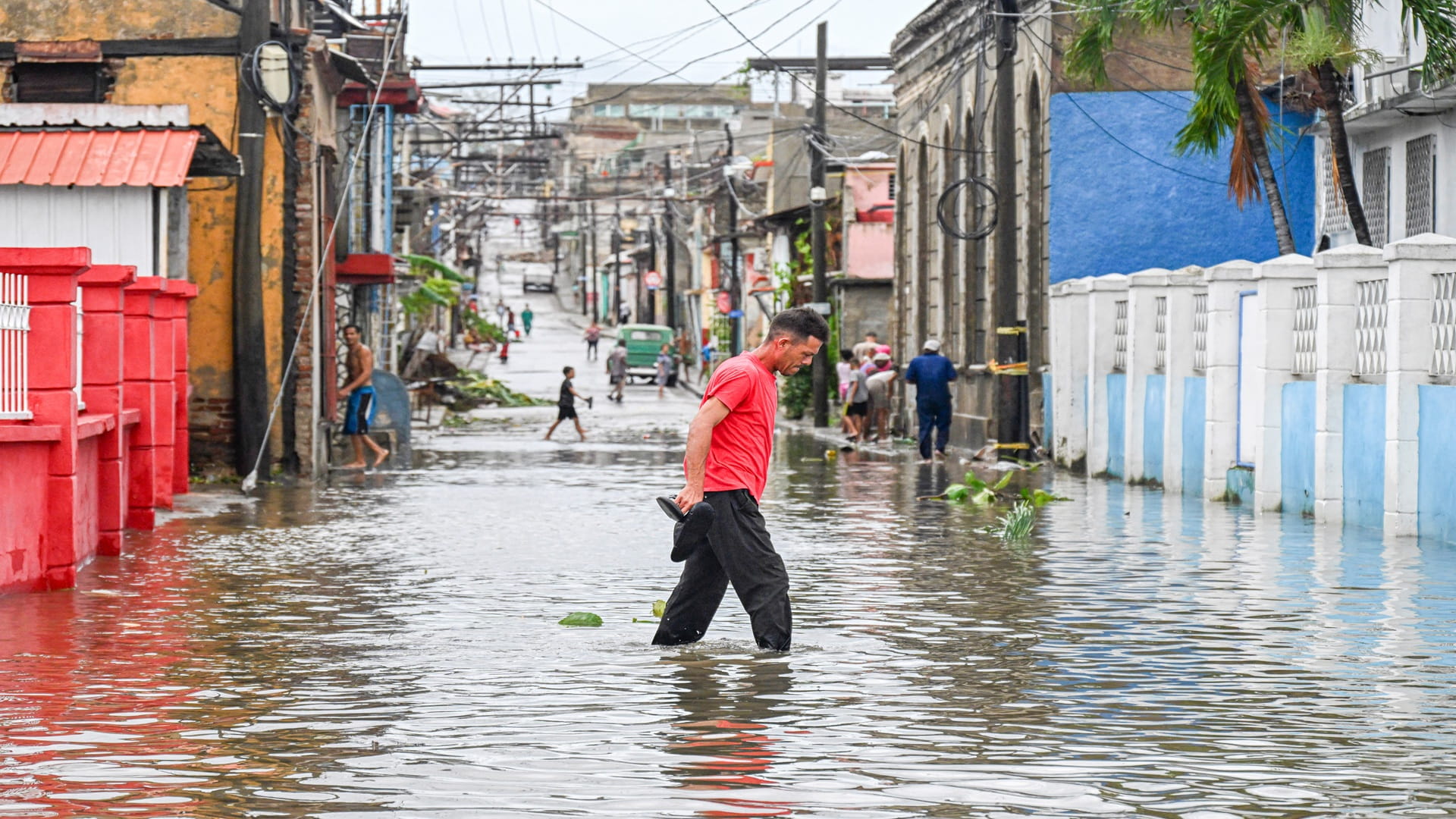
Melissa departed Jamaica late on Tuesday, though heavy rain continued as the storm moved on to Cuba, where residents were also enduring flooded homes, blocked streets, and widespread infrastructure damage.
Desmond McKenzie, the Jamaican minister coordinating the emergency response, reported extensive destruction, including damage to hospitals, warning that recovery would be arduous.
Yet amid the devastation came a small sign of hope: three babies were delivered during the storm, McKenzie revealed during a briefing.
“We are a great country,” he said. “Despite our challenges, we rise to the occasion.”

 For an optimal experience, please
rotate your device to portrait mode.