
Loading...
Loading...

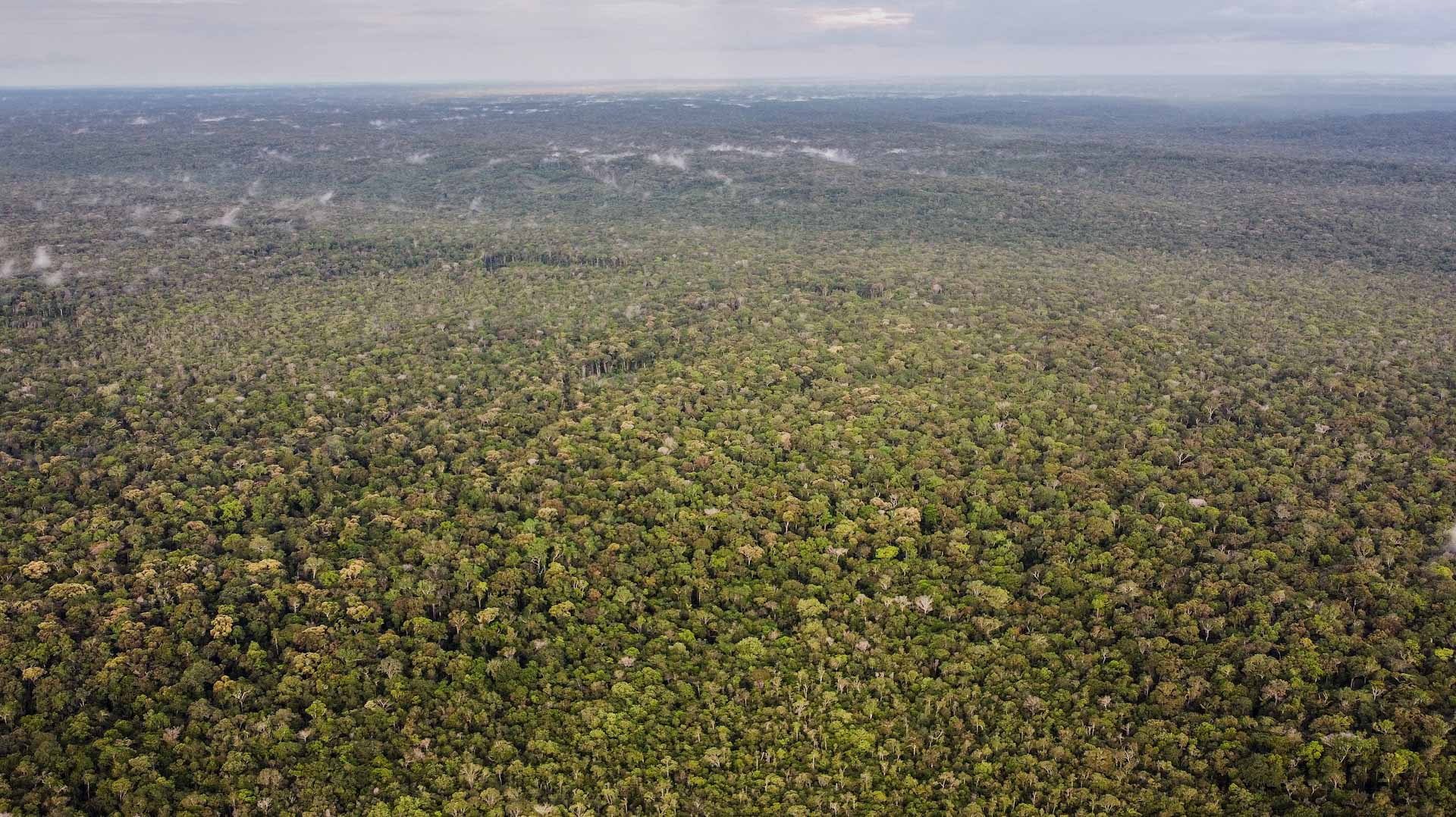
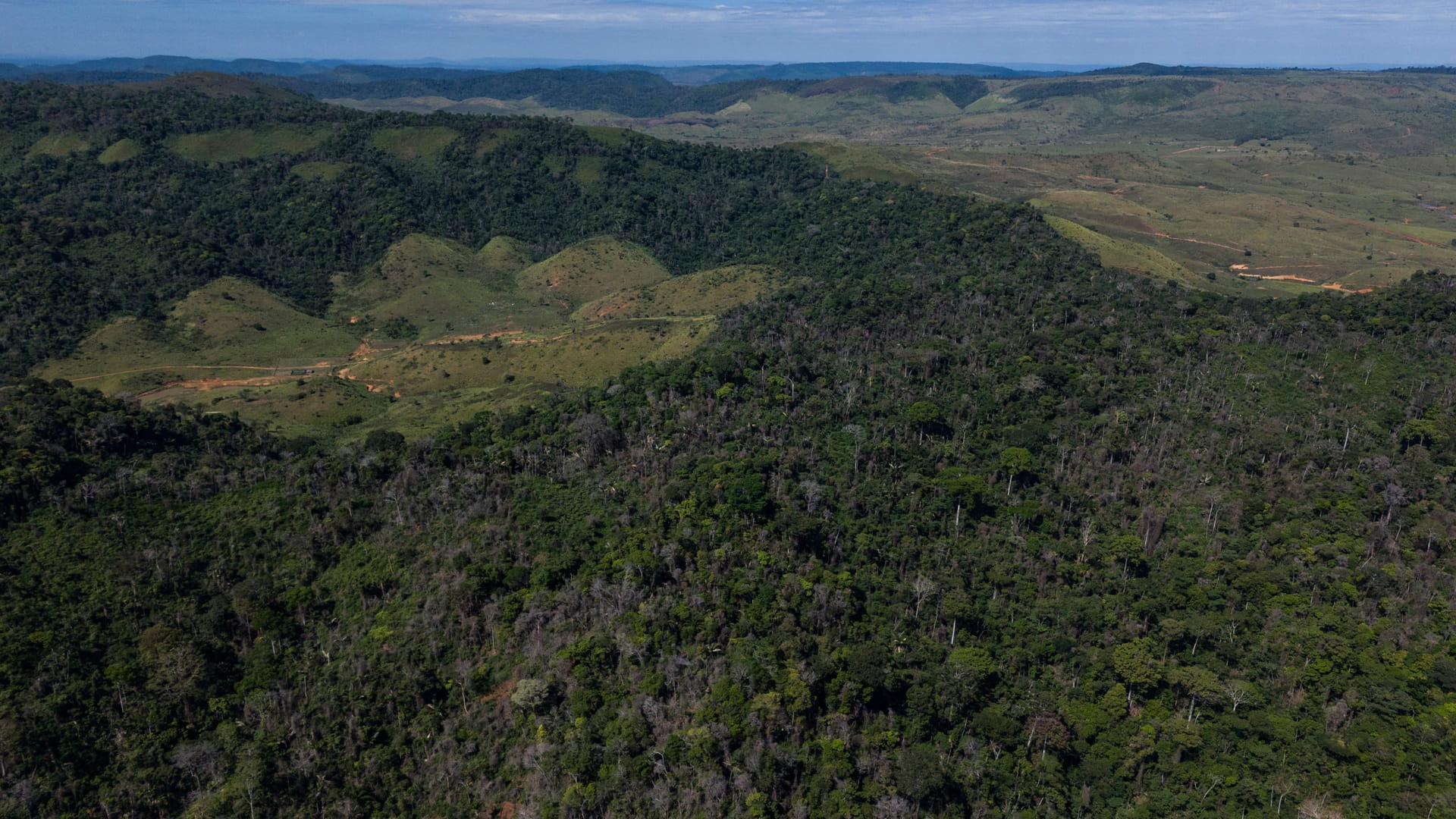
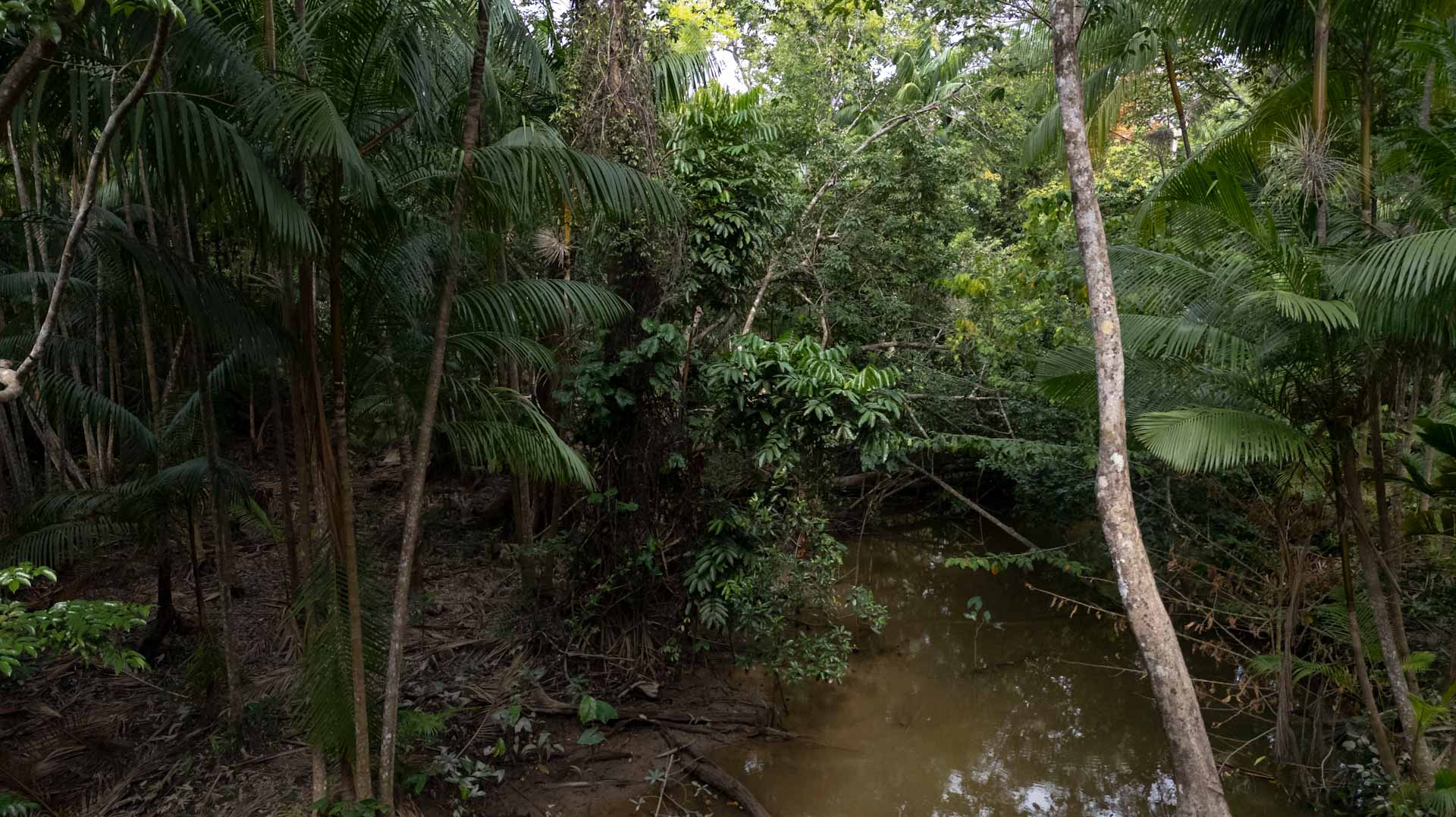
Around 4.3 million hectares of tropical primary rainforest were lost last year, marking a 36 percent decline compared with 2024. Researchers noted that while this represents a significant year-on-year improvement, it still reflects a level of destruction far above long-term sustainability targets. Global forest loss remains well above the threshold needed to meet international goals for halting and reversing deforestation by 2030.
Much of the global slowdown was linked to reduced forest loss in Brazil, which contains the world’s largest tropical rainforest. Brazil recorded a 41 percent drop in forest loss excluding fires, reaching its lowest level on record. Researchers associated this decline with stronger environmental enforcement and renewed government action against illegal deforestation.
Similar improvements were observed in Colombia, where forest loss fell by 17 percent, marking one of its lowest levels in recent years. Indonesia also saw an increase in forest loss, though rates remained significantly below those recorded a decade ago. Malaysia showed signs of stabilisation, suggesting that policy measures in several countries are helping to curb deforestation trends.
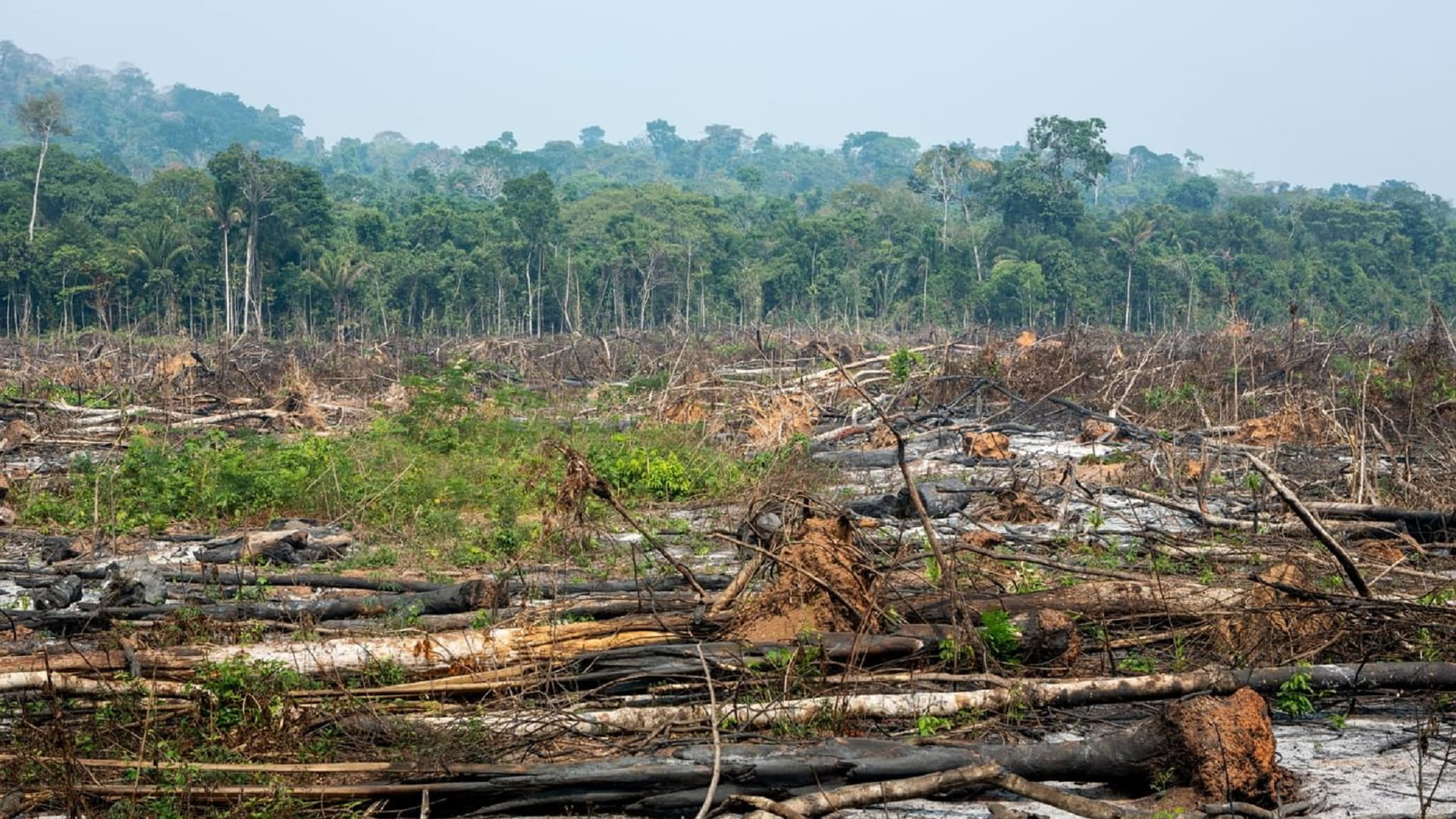
However, forest loss remained elevated in parts of South America, Central Africa and Madagascar, where pressures from agriculture and land use change continue to drive deforestation.
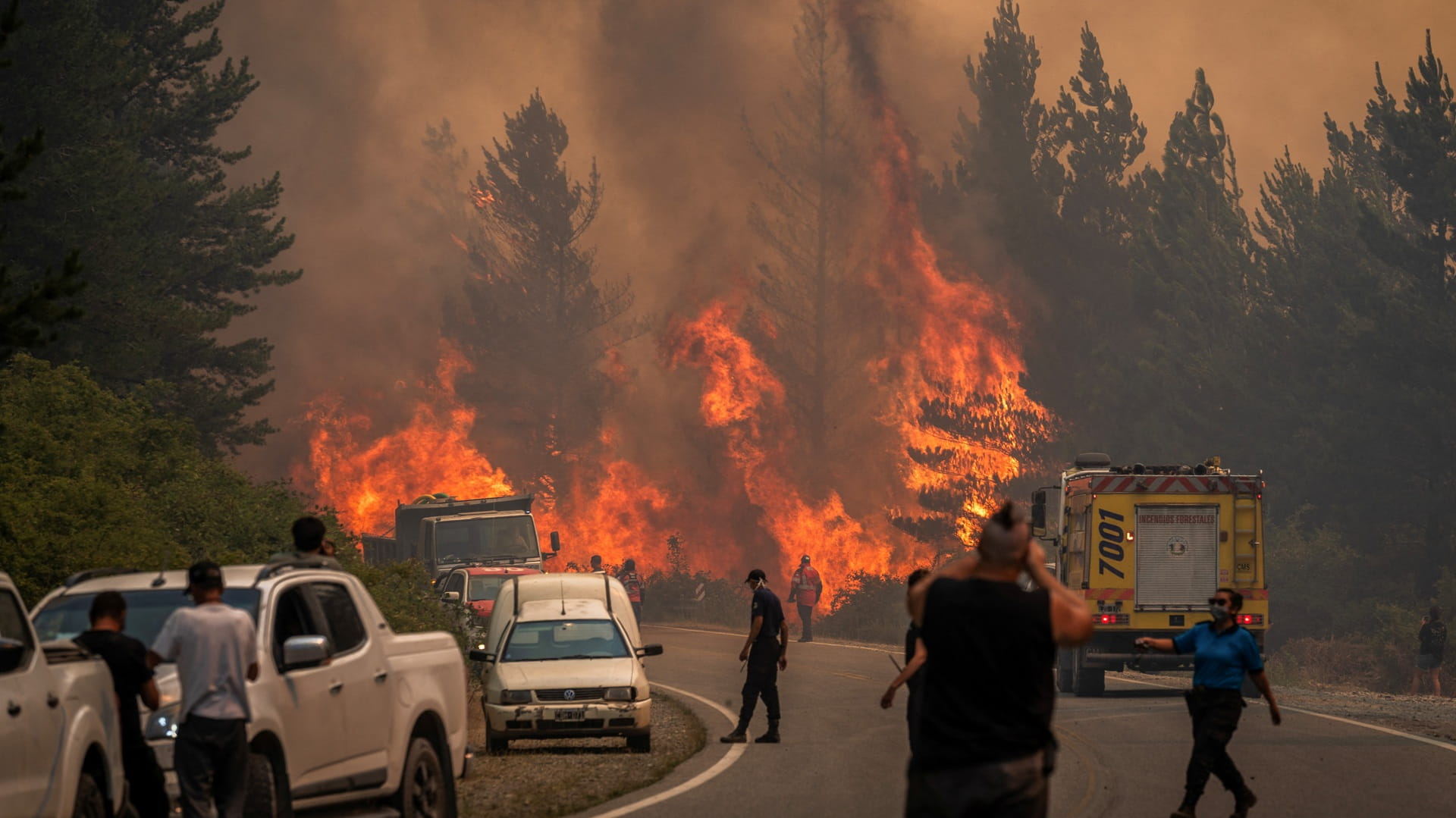
Agricultural expansion remains the leading cause of tropical forest loss, particularly for cattle ranching and soy cultivation. At the same time, fires played a major role globally, accounting for around 42 percent of tree cover loss.
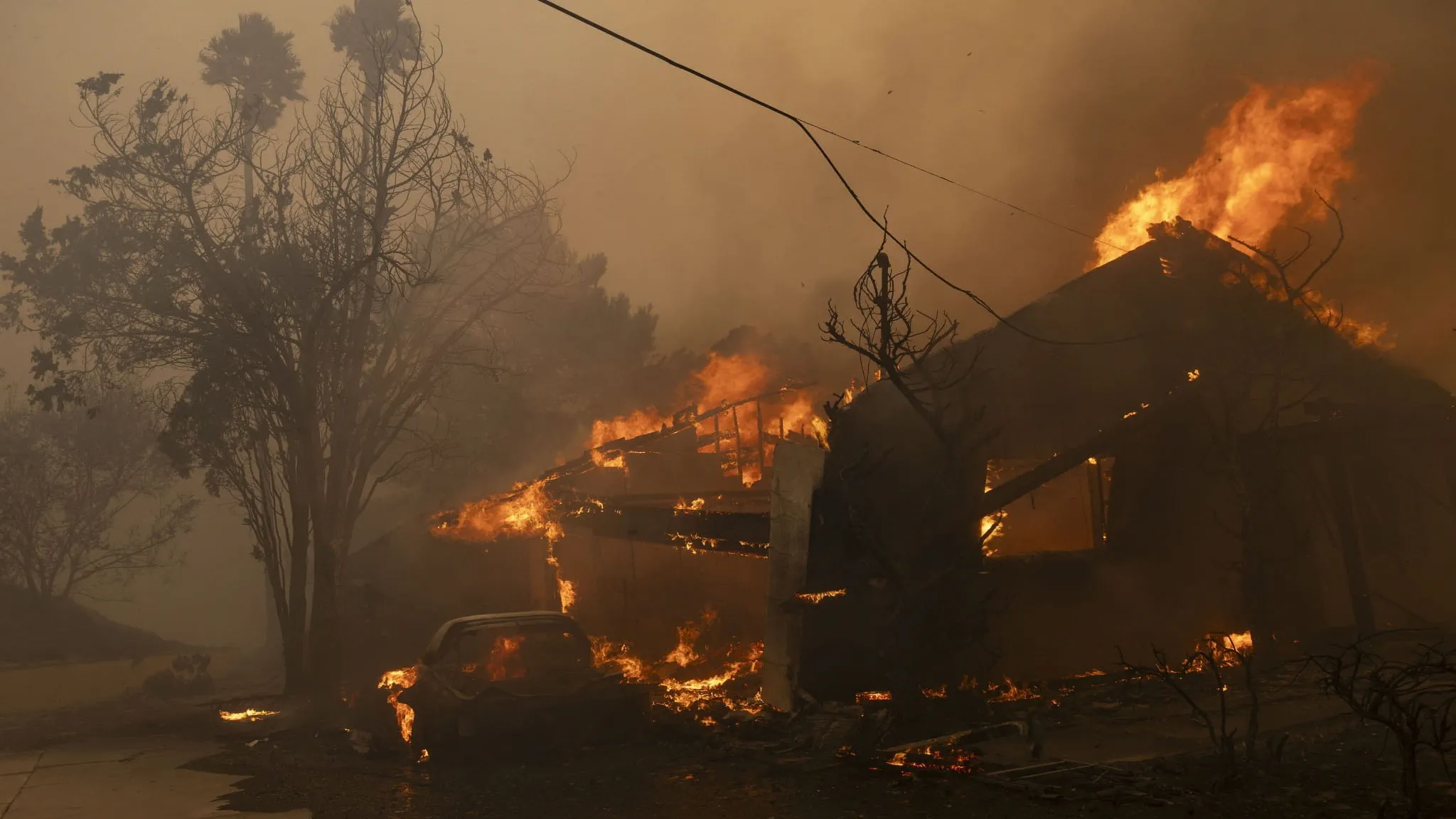
Researchers highlighted that fire activity has intensified in recent years, with climate change contributing to longer and more severe fire seasons. Warmer and drier conditions, including those linked to El Niño patterns, are expected to increase risks of heatwaves, droughts and wildfires.
Experts warned that despite recent gains, forest protection efforts remain fragile. Climate change and land clearing are combining to increase fire risk, while extreme fire years can quickly reverse progress. Researchers described the situation as increasingly unstable, with seasonal fire patterns shifting toward more persistent and widespread forest emergencies.

 For an optimal experience, please
rotate your device to portrait mode.