
Loading...
Loading...

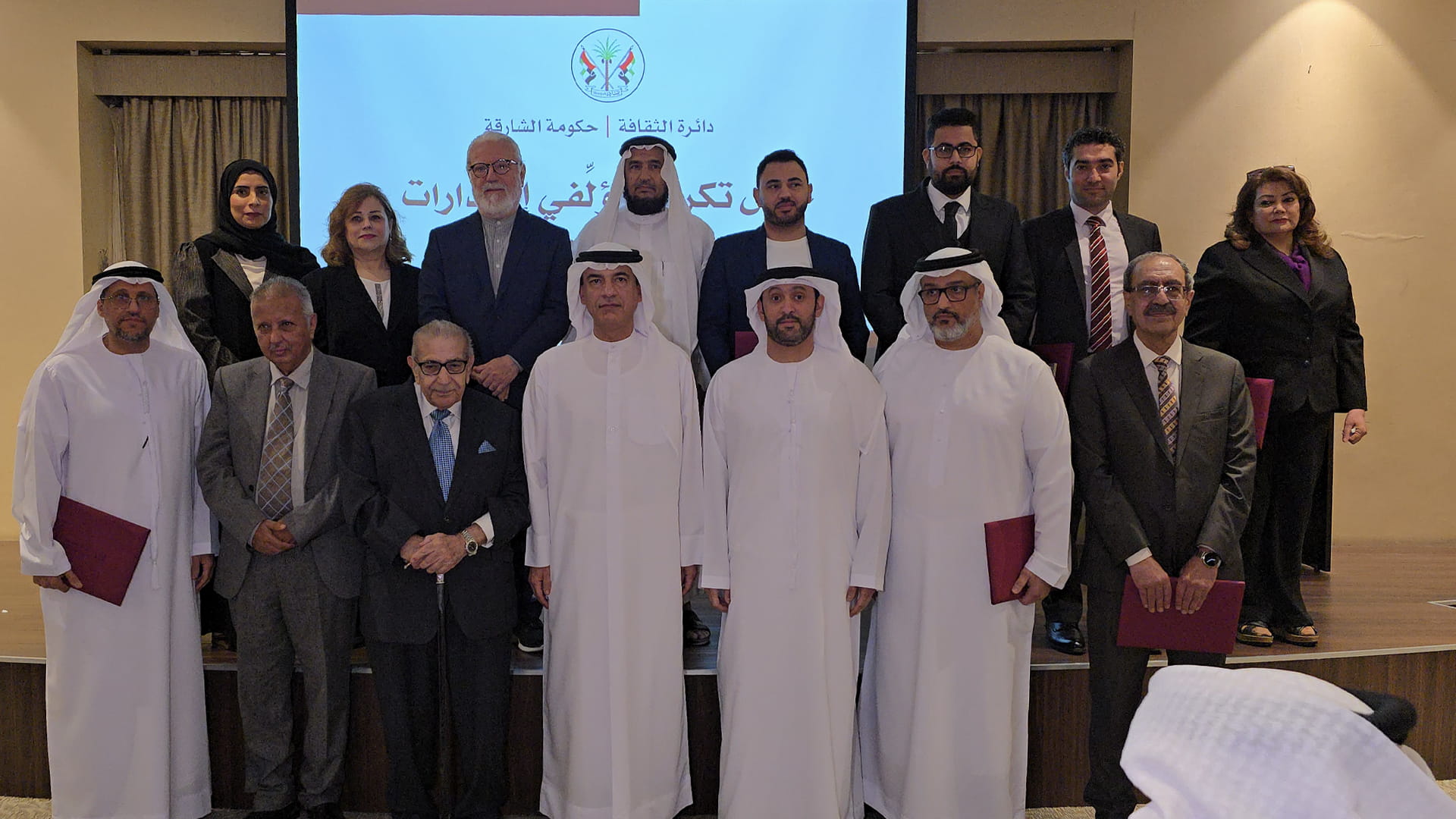
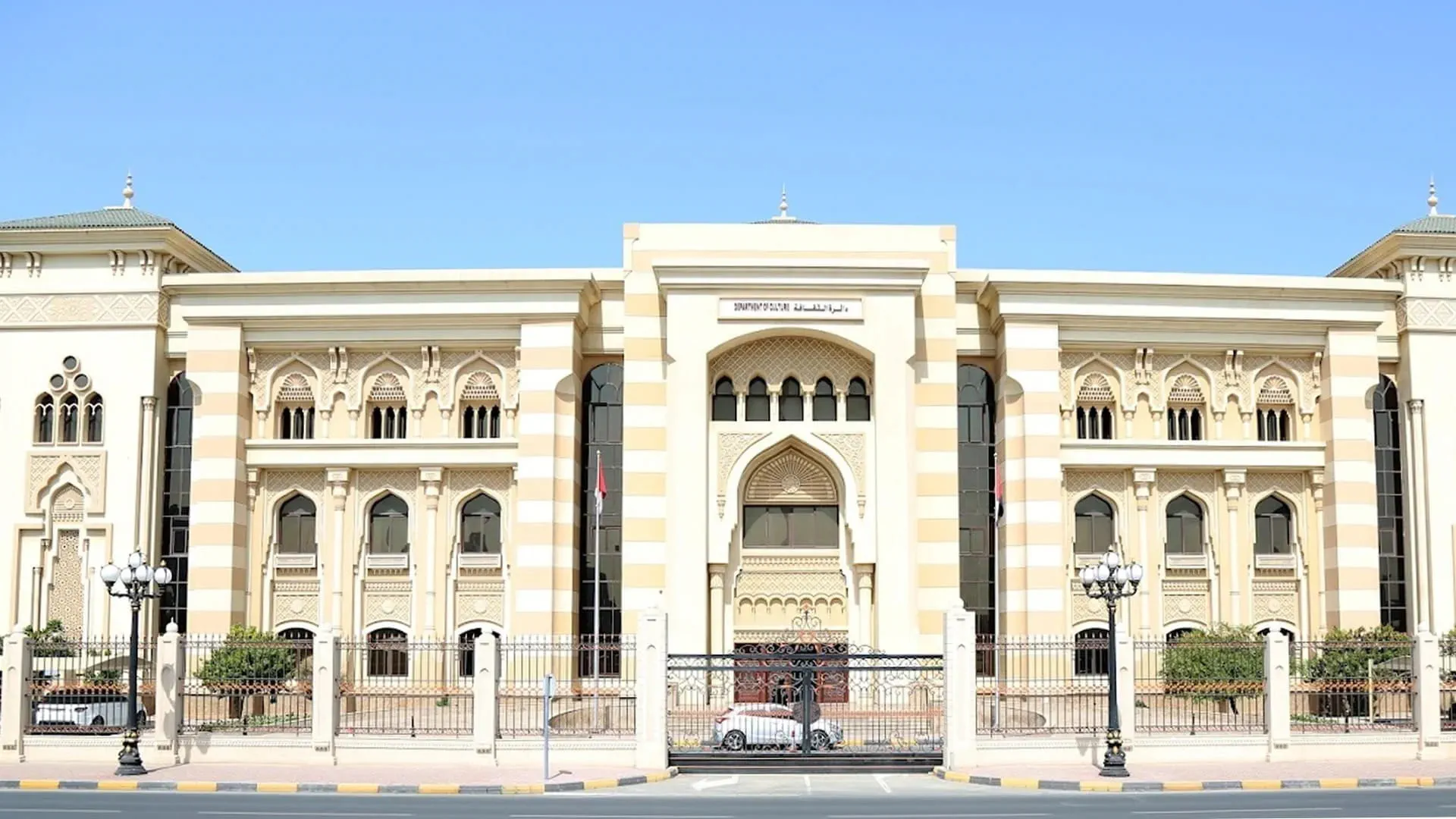
The announcement followed a meeting conducted by the General Secretariat with the award’s judging committee at the Department of Culture. This meeting was convened to review the committee’s report, which detailed the judging mechanism and identified the names of the winners.
Azzedine Bourka won the first place from Morocco for his research “Manifestations of Heritage and Moving Identity in Contemporary Arab Visual Patterns: A Cultural Approach”, the second place was won by Ahmed Gamal Eid from Egypt for his research “Visual Memory: Arab Heritage in the Manifestations of Contemporary Plastic Art”, while the third place was won by Riad Ben Haj Ahmed from Tunisia for his research “The Image of the Horse in Contemporary Arab Arts: Towards Deconstructing the Symbol and Creating a Different Discourse”.
Mohammed Al Qasir, Director of the Department of Cultural Affairs at the Department of Culture and Secretary-General of the Award, said: “The Sharjah Award for Critical Research in Fine Arts is proceeding in a new cycle, confirming the importance of His Highness the Ruler of Sharjah for this field of knowledge that sheds light on Arab fine arts from various critical aspects. Based on His Highness’s vision, the Award has established a specialized critical culture that is the first of its kind in the Arab world in the field of fine art.”
Al Qasir added: “With the announcement of the winners of the award in its sixteenth session, the Arab critical library has enriched the scene with more than fifty critics through broad and diverse participations. This session received research from various Arab countries in a scene that reflects the uniqueness of this award and its distinction in its artistic and creative presentation at the level of the Arab world.”
The Secretary-General of the Award pointed to the great efforts made by the current session’s judging committee, which included: Dr. Farid Al-Zahi from Morocco, Dr. Iyad Hussein Abdullah from Iraq, and Dr. Mohammed Abdul Rahman Hassan from Sudan. He explained that the committee had established a precise mechanism for judging and had selected the winning research according to scientific and critical criteria, which were based on the extent to which the researchers represented the title of the sixteenth session, the depth of their approach to the intellectual and cognitive axis of the award, in addition to the clarity of the methodology, the consistency of the results with the premises, and the soundness of the language in terms of grammar, morphology, and spelling accuracy.
The report indicated that the committee discussed and evaluated 46 candidates for this year’s award, a number that reflects the dynamism of visual arts criticism in the Arab world and expresses the general level of the nominated research.
The report noted that the issue of drawing inspiration from heritage in contemporary Arab visual art is one of the central issues in Arab culture since its initial crystallization, as it is a culture based on identity and difference. It explained that the issue raised in this session is one of the most important intellectual and artistic problems raised by the Sharjah Prize for Research in Visual Criticism, and the research addressed it from each of its angles and perspectives.

 For an optimal experience, please
rotate your device to portrait mode.




.jpg?h=1080&w=1920&hash=3EA342EDF545F6B12549F03104975D82)