
Loading...
Loading...

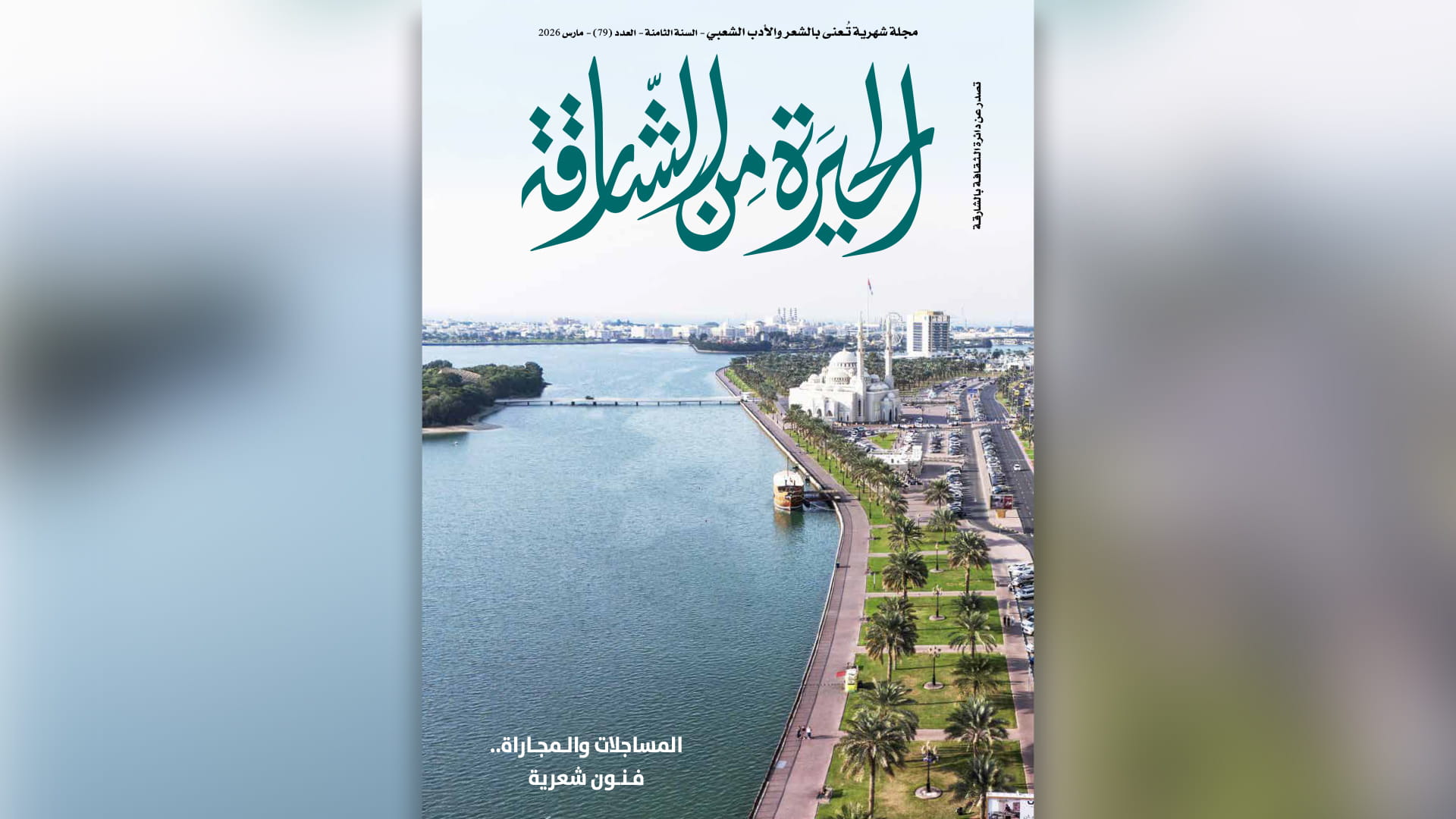
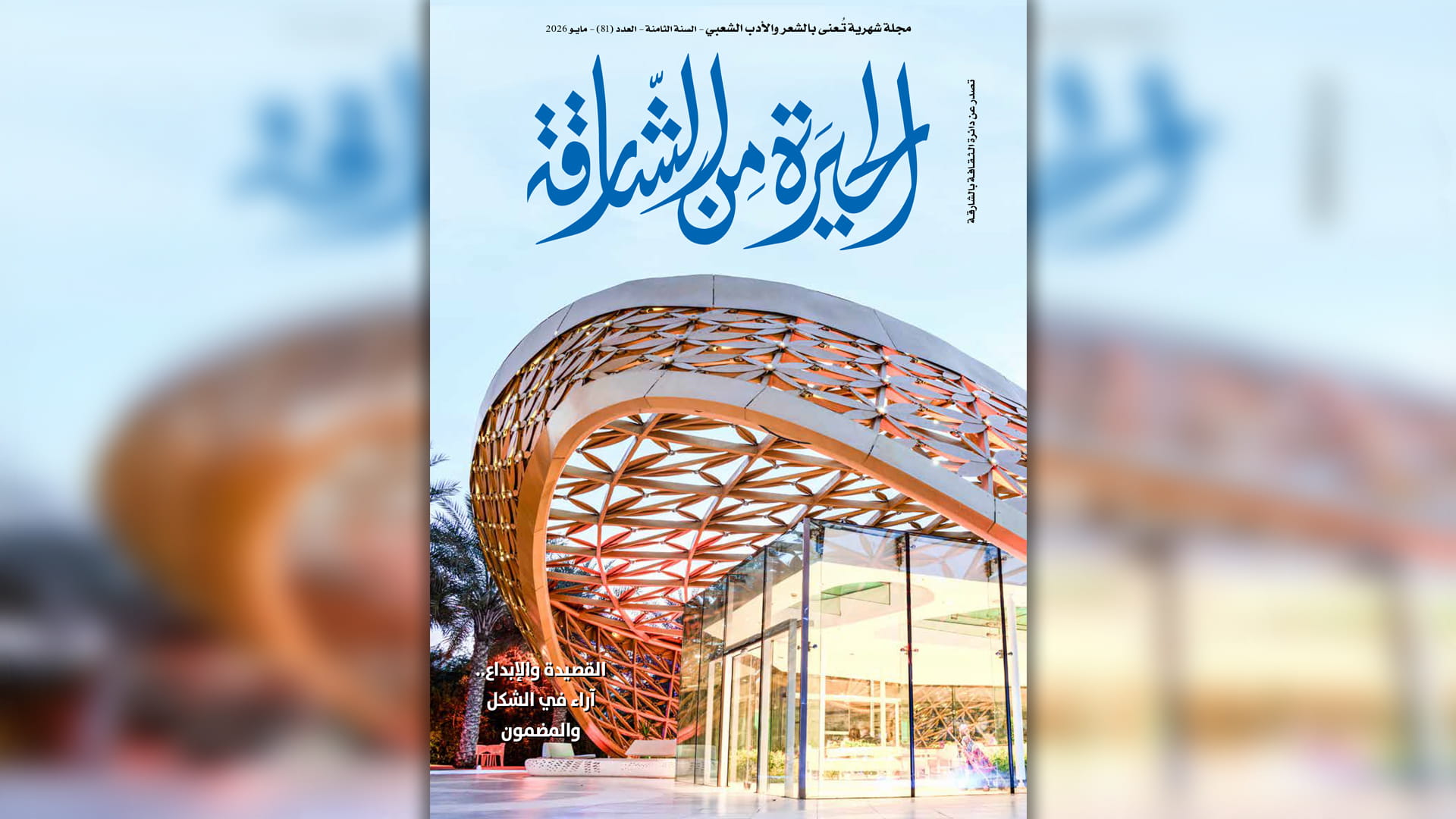
This new topic has many different opinions from the UAE, the Gulf, and the Arab globe. In Anhar Al Dahsha (Rivers of Wonder) and Bustan Al Hira (Al Hira's Garden), poets create lines that go from tranquil meditation to lyrical reverie. They stay in one place but are open to the larger world of Arab poetry.
In a different part of the book, Ala Al Ma'ida (Around the Table) talks about the old arts of Musajalat and Mujarah, which are duelling and responding in writing. It does not regard them as relics but as dynamic entities forged by intellect, cadence, and rivalry. Medad Al Ruwwad (Pioneers' Literary Production) is about the life and work of the late Emirati poet Sultan bin Waqish Al Dhaheri. It helps readers understand how he helped shape the UAE's literary scene. People saw Maqidh, the usual summer getaway, as more than just a time of year. People viewed it as a repository for sentiments, memories, and the natural flow of life.
Medad Al Ruwwad (Pioneers' Literary Production) closely looks at the life of the late Emirati poet Sultan bin Waqish Al Dhaheri, who quietly revolutionised the country's literary scene with his writings. Zahab Al Sineen (Provisions of the Years) goes to the Arabian Peninsula and writes about famous places and sites in a way that feels authentic, planned, and full of memories.
Shababik Al Dhat (Windows of the Self) invites readers into the world of Omani poet Saleh Al Sanidi and talks about the thoughts and rhythms that make up his poetry. Kunooz Mudi'a (Shining Treasures) switches to Al Maqidh, the summer retreat, which is not only a season but also a location that holds emotion, tradition, and the rhythm of everyday life.
Atabat Al Jamal (Thresholds of Beauty) looks back at the early poetry written by Emirati poets and explains how they shaped the first modern voices. Dhifaf Nabatiya (Nabati Shores) looks at the style and subjects of Khalifa bin Ayish) goes to Egypt to see Fan Al Waw, a long-lasting folk tradition where rhythm, rhyme, and memory are still a part of everyday life.
The last two books in the collection are Fada'at (Horizons), which features poems about working together and social solidarity, and Tawasif (Description and Classification), which looks at diverse kinds of folk poetry from the Levant. These poems remind people of the many different oral and written traditions that exist in the Arab world.

 For an optimal experience, please
rotate your device to portrait mode.