
Loading...
Loading...

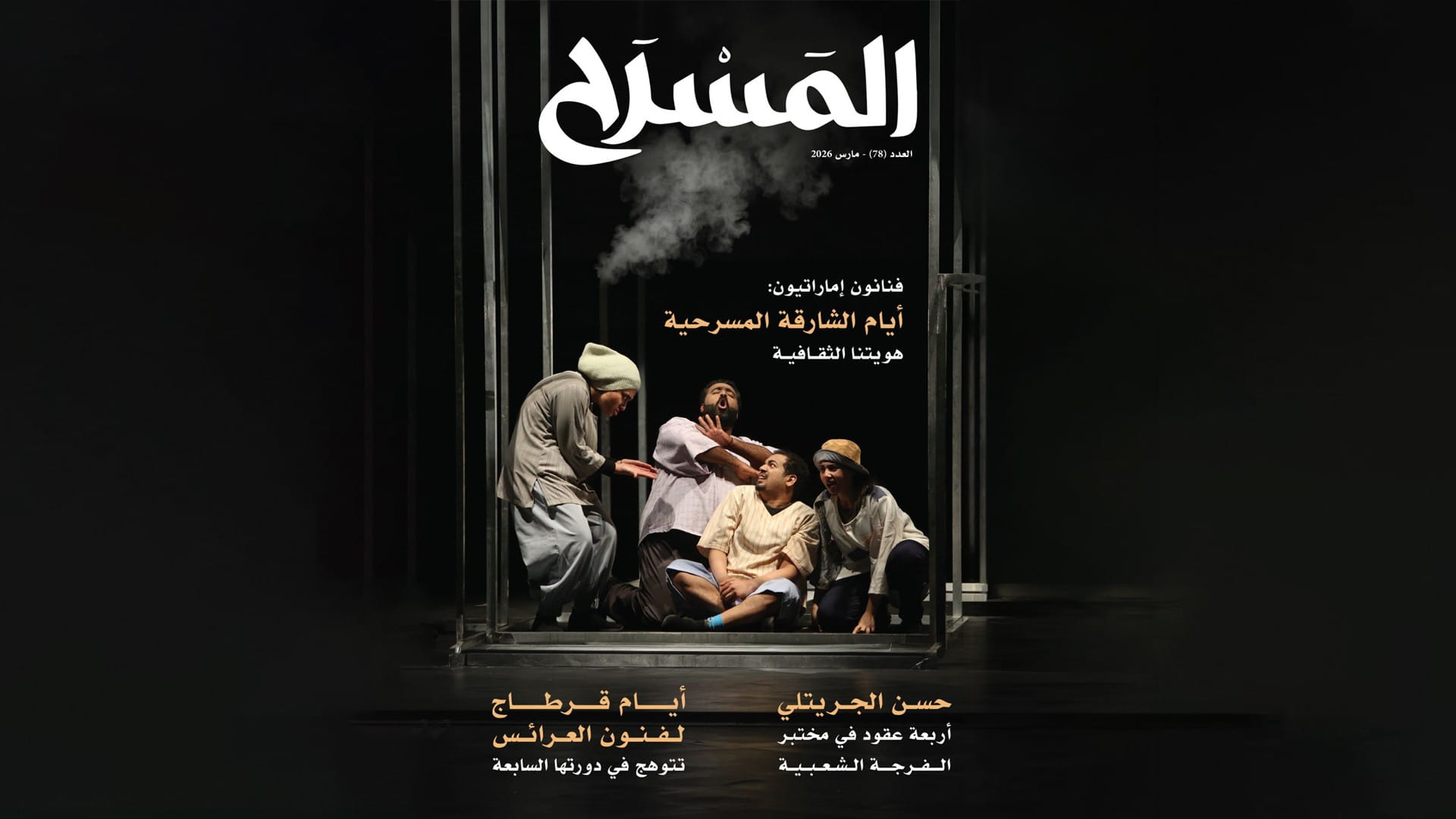
Focus on Sharjah Theatre Days
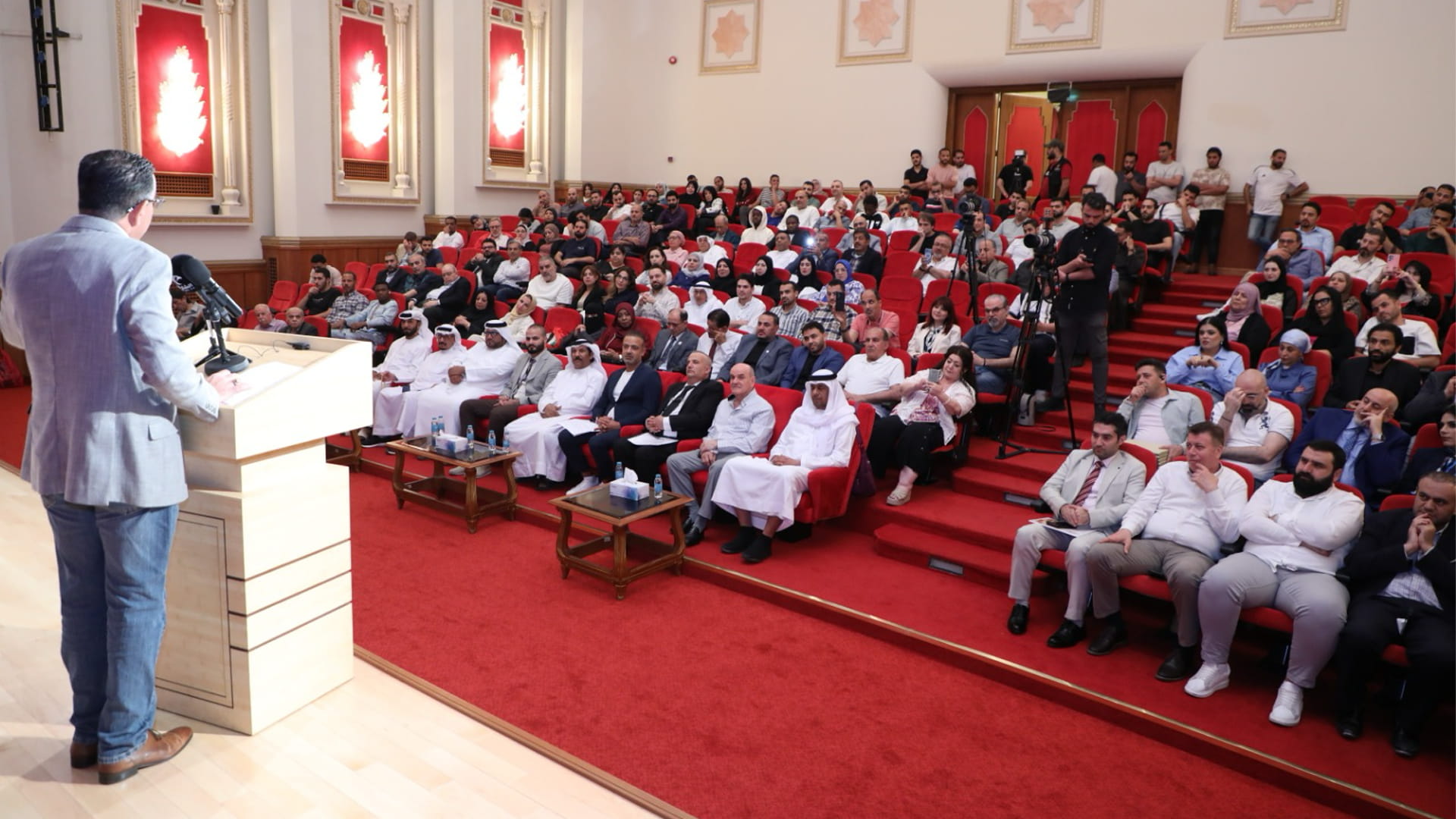
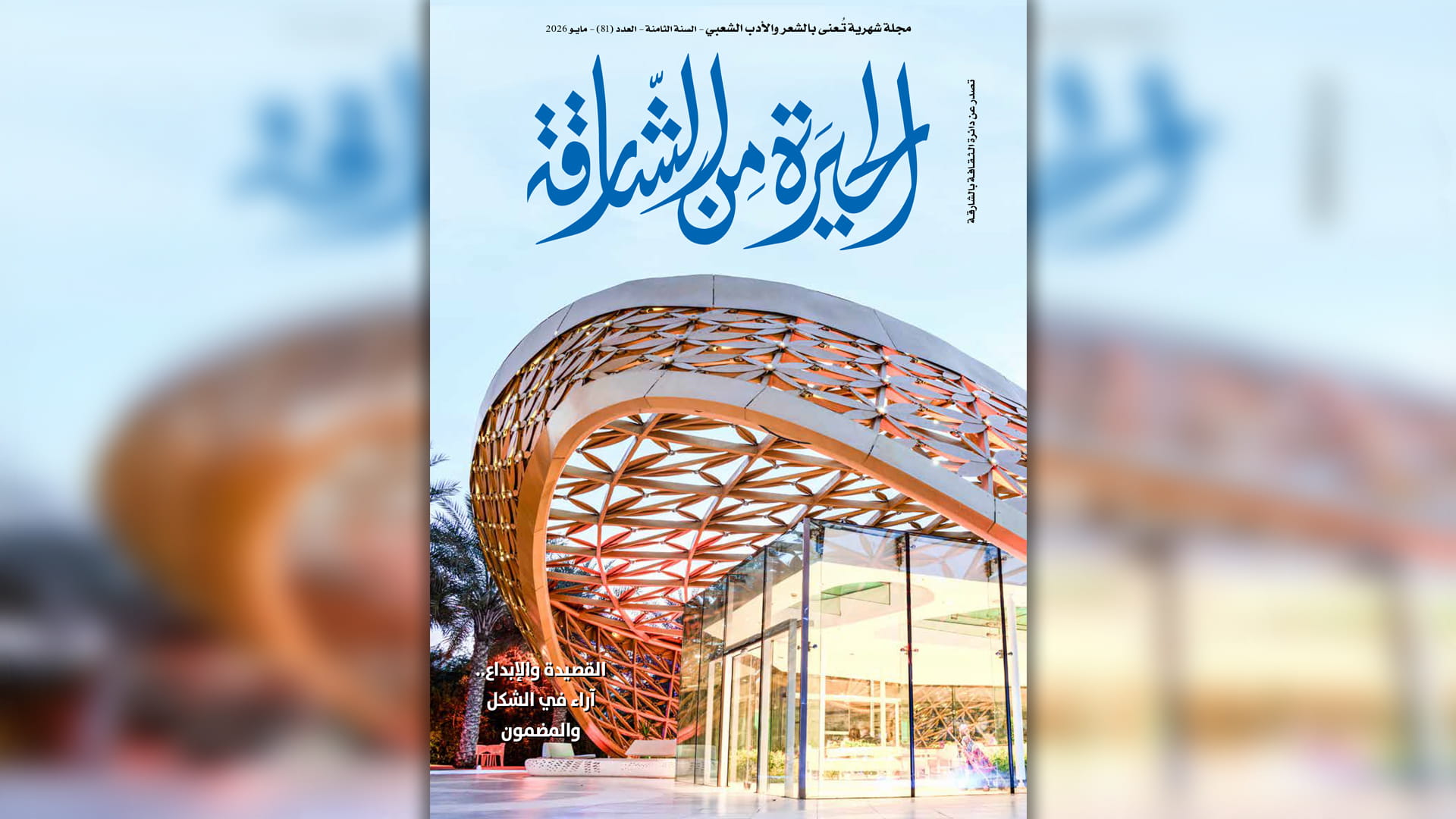
This issue opens with a look at the 35th edition of Sharjah Theatre Days, set to take place from March 24 to 31. Local artists talk about how the festival encourages innovation and makes the city's cultural life richer. The magazine also talks about the 19th Sharjah Arab Theatre Creativity Award, which went to Kuwaiti actor Mohammed Jaber (Al-Aidroosi) this year. Emirati performer Jamal Al Sumaiti is also acknowledged as the festival's local character for his long-term contributions to the arts.
Readings: A close look at the Arab stage
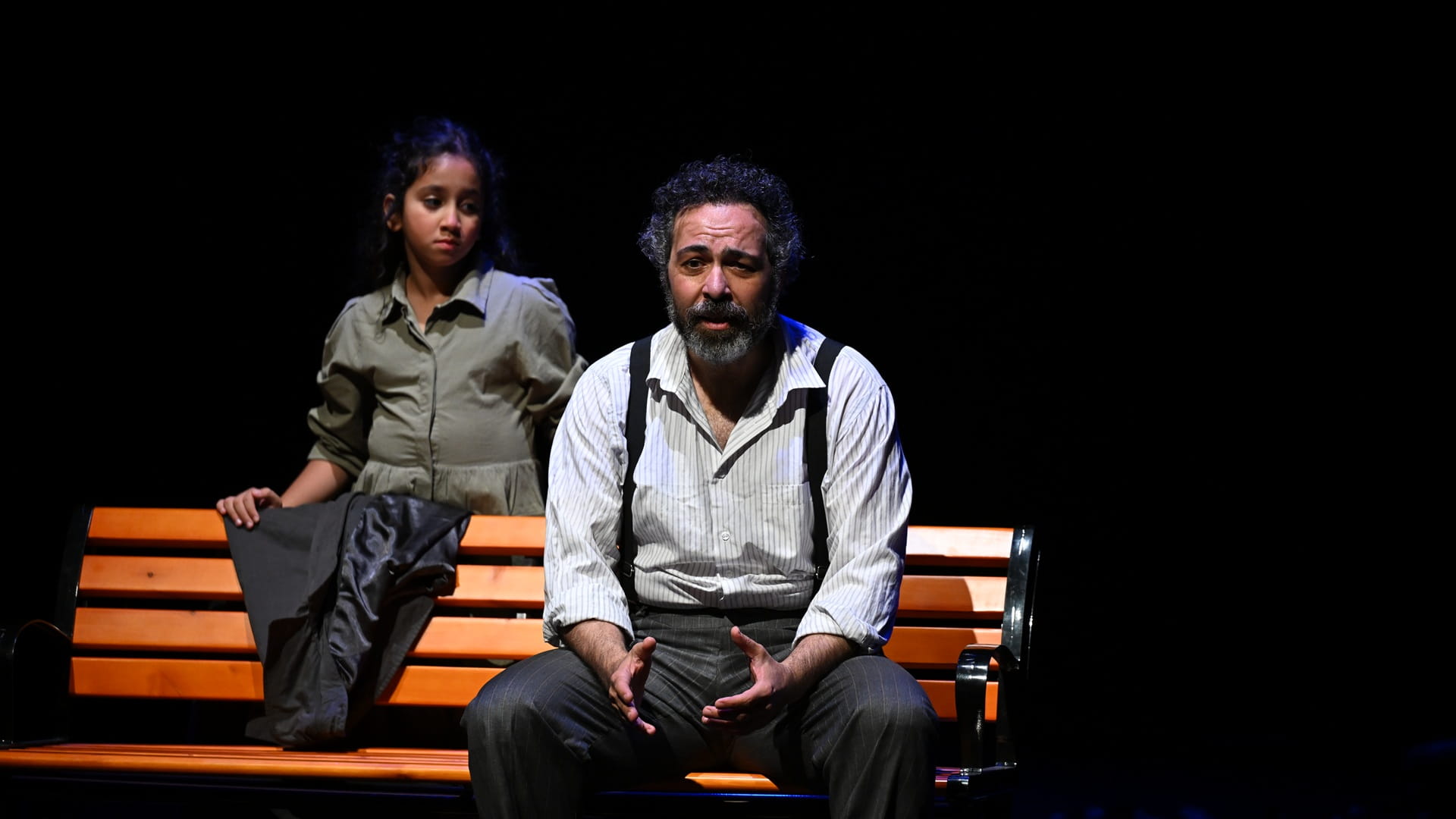
Critics talk about their thoughts on recent shows in Readings. Bassem Sadiq talks about Iraqi filmmaker Muhannad Hadi's Funeral of the Dear Father, showing its richness and ability to captivate viewers. Samer Mohammed Ismail writes about “The Conference” by Syrian director Samir Othman Al-Bash. He believes that the play is powerful and makes a point about society, especially in terms of social injustice and the difficulties that marginalised groups experience. Kamel Al-Shihawi examines Faadel Al-Jaaybi's The Dream, exploring its relevance to contemporary audiences while being rooted in tradition.
The art of writing from several points of view
Yusuf Fadel asks a simple yet important question: What does it mean to write a play? He examines the work, creativity, and decisions involved in each performance, which may not be immediately obvious. Abdel Majid Shukair, on the other hand, examines The Andalusian Lesson and illustrates how it combines history, politics, and storytelling. He also shows how its themes are still relevant today, particularly in relation to contemporary social issues and the ongoing struggles for cultural identity.
A dialogue about theatre’s love
Abdul Karim Al-Hajrawi engages in a conversation with Sami Suleiman, an Egyptian critic and theatre historian. Suleiman tells about how living in Cairo and going to plays there helped him love theatre. He talks about major things that have happened in his academic career, offers stories about finding lost works, and explains why recording Arab theatre is more than a job; it's a purpose.
Journeys: Going to school in another country
Shams Al-Din Younis tells about a journey he took to Stuttgart twenty years ago. He went there to learn about Brechtian theatre techniques, which are ways of doing theatre that focus on the social and political aspects of performance that writer Bertolt Brecht came up with. He says that the experience changed the way he thought about directing when he went home and made him think about acting in a new manner. These experiences led him to use Brechtian strategies in his own work and change the way he approaches art.
Studies: New voices in theatre
Musab Al-Sawi looks at plays that have just come out, like Relative Flight by Syrian playwright Nauf Younes. He talks about the issues and story choices in the play and how the new generation of playwrights is taking Arab theatre in fascinating new directions.
Follow-ups: Voices from the stage
The magazine offers readers an insider's perspective on the process of theatrical creation. Winners of the Sharjah Arab Theatre Creativity Award talk about their experiences, and Lebanese artist Julia Qassar talks about her first time directing a play, Picnic on the Frontlines. Emirati filmmaker Abdulrahman Al-Mulla talks about the good and bad parts of making new shows come to reality.
Letters: Theatre all across the world
Finally, Letters takes readers to theatre scenes far beyond Sharjah, such as Syria, Sweden, and even the emirate itself. These works highlight how performance can bring people and ideas together across boundaries via shared stories and sentiments. They show how love, suffering, and resilience are universal themes that people from diverse cultures can relate to.

 For an optimal experience, please
rotate your device to portrait mode.