
Loading...
Loading...

While US tech giant Meta remains the dominant force in the sector, Chinese companies—including Alibaba, Xiaomi, Rokid, and XREAL—are quickly expanding their presence. Rokid CEO Misa Zhu highlighted China’s strong manufacturing ecosystem and digital infrastructure as key competitive advantages. With Meta’s services blocked domestically, Chinese firms benefit from a vast home market, where digital payments and smartphone-based services are deeply ingrained in daily life.
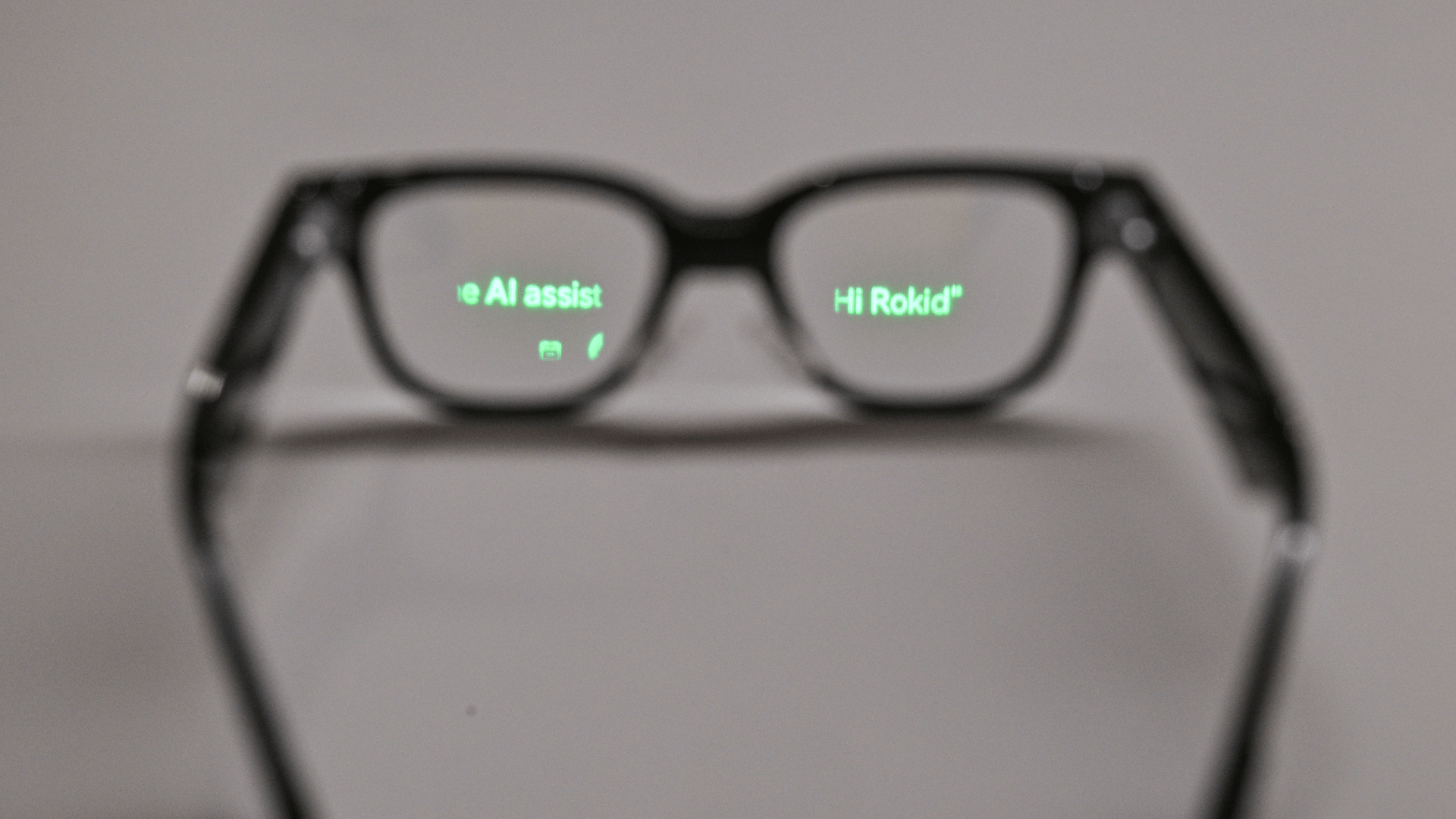
IDC data indicates that smart glasses sales in China increased by 116 per cent year-on-year in 2025. Analysts highlight Xiaomi as a “dark horse”, with its first AI glasses becoming the third best-selling model in the first half of 2025 despite a late launch. Smaller companies such as Rokid are also attracting international attention, recently raising over $4 million on Kickstarter. Rokid’s glasses support a wide range of AI models, including OpenAI, Llama, Gemini and Grok, and feature real-time translation displayed directly on the lenses.
Globally, Meta held 73 per cent of the smart glasses market in the first half of 2025, driven largely by the popularity of its Ray-Ban Meta Smart Glasses. Their discreet design and fashion-forward appeal continue to give Meta an advantage overseas. Rokid has responded with new partnerships, including one with Bolon, part of Ray-Ban’s parent company EssilorLuxottica, and highlights lightweight designs to improve comfort and appeal.
Industry experts observe that while Chinese brands excel in rapid innovation, overseas competitors still lead in advanced display technologies and optical systems. Rokid executives also recognise gaps in chip capabilities, though they state that differences between AI models are narrowing. Analysts caution that user experience remains inconsistent across the industry, with privacy concerns — particularly around discreet, continuous recording — posing significant regulatory challenges.
Despite these obstacles, manufacturers stay optimistic. As Rokid’s founder said, today’s AI glasses are like phone accessories — but soon, smartphones could become accessories to the glasses.

 For an optimal experience, please
rotate your device to portrait mode.