
Loading...
Loading...

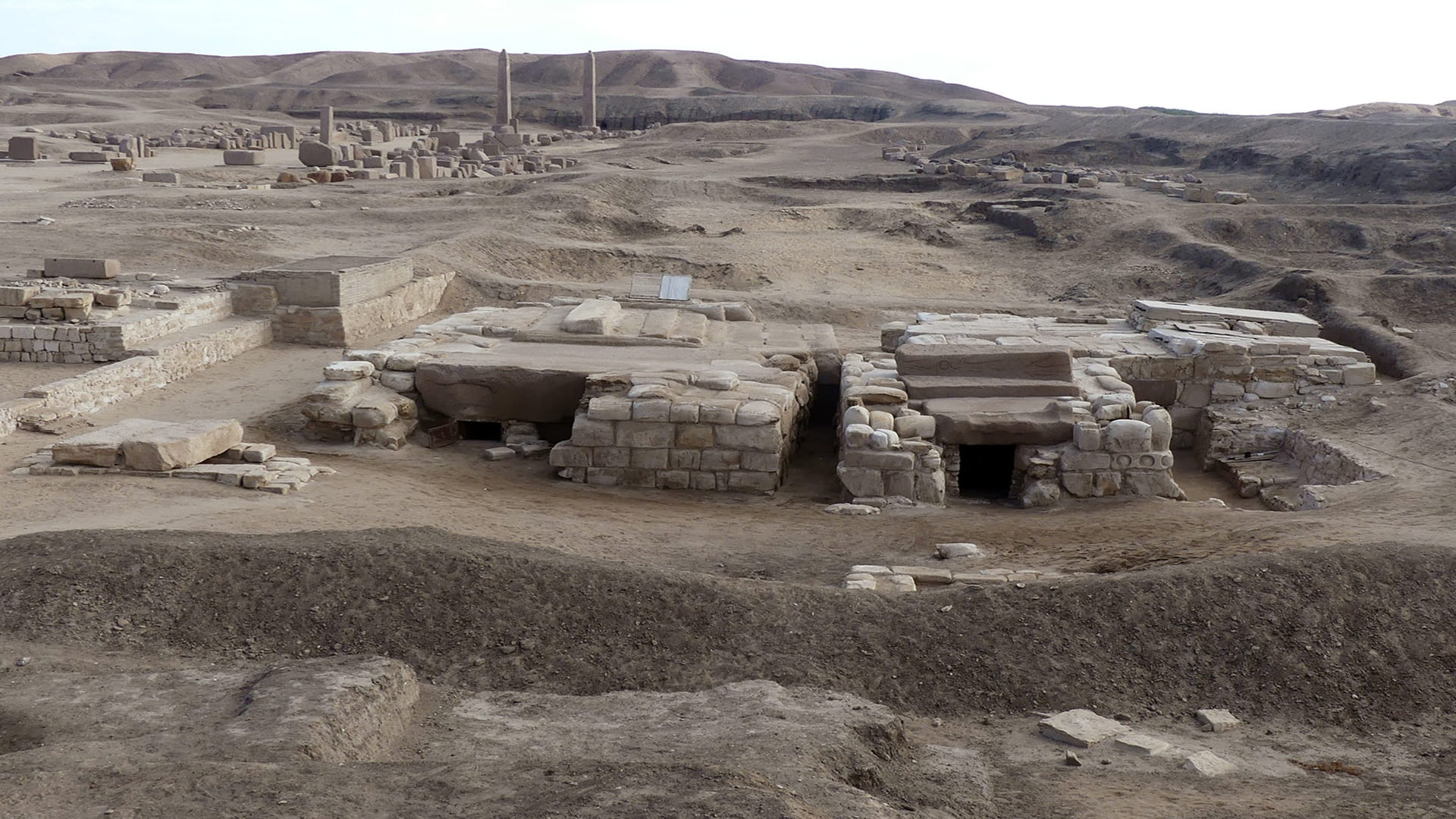
Finding intact figurines inside a royal tomb is nearly unprecedented, even in Egypt’s famed Valley of the Kings, where most tombs—except Tutankhamun’s—were looted. Payraudeau explained that the astonishing find was made on October 9, near an enormous unidentified sarcophagus.
Once the team spotted several figurines grouped together, they realised the significance instantly. They worked through the night, using artificial light, and spent 10 careful days extracting all 225 green ushabti figurines. The pieces were arranged in a star pattern along the sides of a trapezoidal pit and in neat rows at the bottom. More than half represent women—a highly unusual feature.
Founded around 1050 BC, Tanis became Egypt’s royal necropolis during the 21st Dynasty after the Valley of the Kings was abandoned due to widespread looting. During the 9th century BC, Egypt was fractured by violent civil conflict, with rival pharaohs battling for power.
The royal symbol on the figurines finally identifies the occupant of the massive sarcophagus: Pharaoh Shoshenq III, who ruled from 830–791 BC. This revelation is surprising, as his name appears on the walls of a different, much larger tomb at the site. Payraudeau suggested that political turmoil or unexpected succession issues may have disrupted burial plans—or that looting led to the movement of his remains, though relocating a huge granite sarcophagus seems unlikely.
Researchers will now study the figurines in detail before they are placed on public display in an Egyptian museum.

 For an optimal experience, please
rotate your device to portrait mode.