
Loading...
Loading...

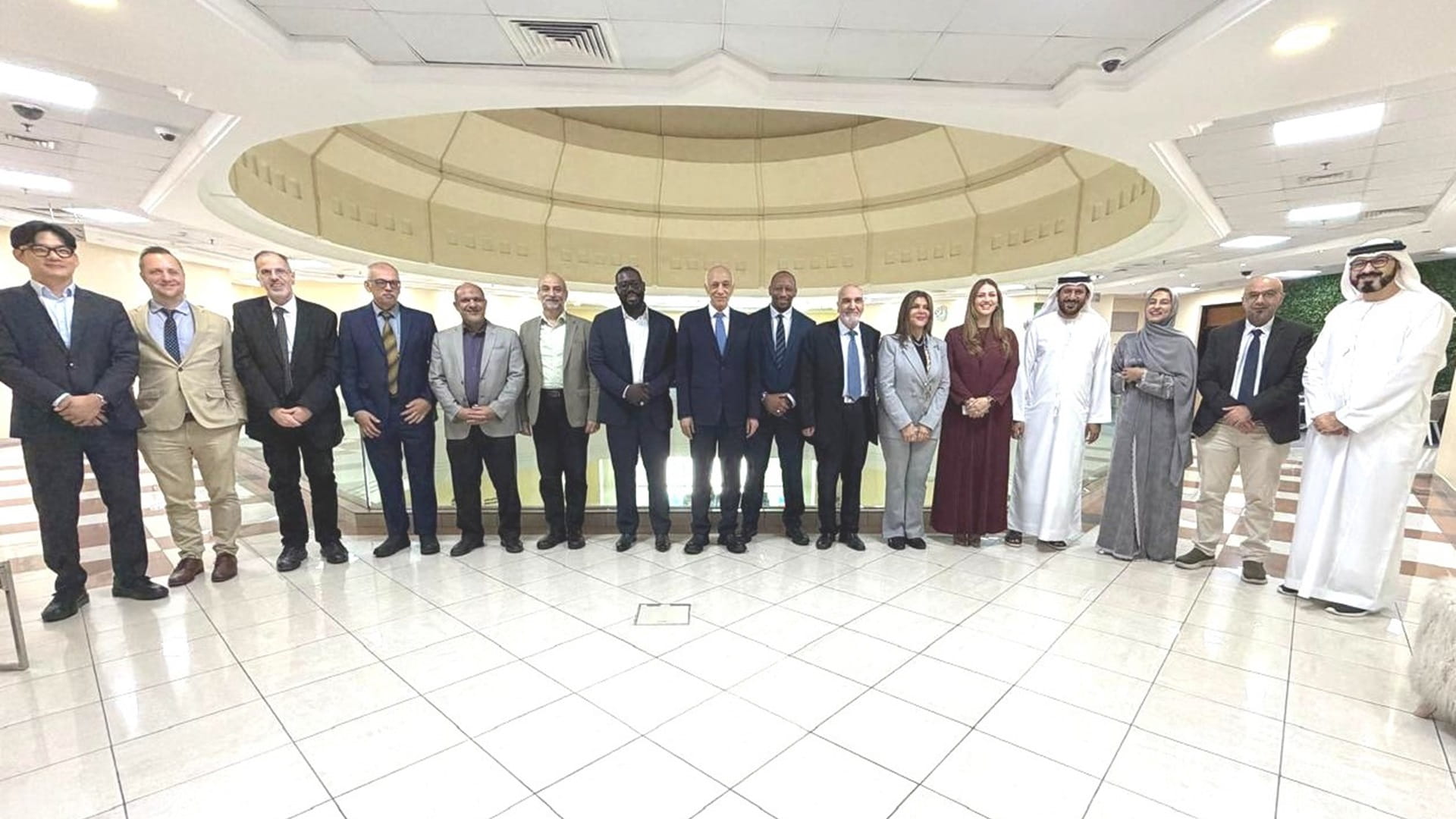
The symposium began with a speech by Professor Dr. Essam El Din Agami, Chancellor of the University of Sharjah, who welcomed the participants to this symposium, which addresses one of the most prominent contemporary issues in a digital age characterized by unprecedented technological advancements and the intersection of technology with various aspects of human life, from education and development to privacy, identity, and fundamental human rights.
He emphasized that the University of Sharjah, in fulfilling its scientific and societal role and responsibility, is working through its academic programs, research partnerships, and intellectual contributions to support everything that contributes to enhancing the future of education and development in our region. This region is now in dire need of an advanced legal framework that keeps pace with technological advancements, protects personal data, promotes a secure digital space, and guarantees the right to quality digital education accessible to all without discrimination.
For her part, Dr Fatima Al Kaabi, President of the Union for Human Rights Association, affirmed in her address that the UAE has established a leading model in utilizing technology to serve humanity and preserve its dignity, and has become a beacon of civilization in human rights. She explained that digital transformation and its associated artificial intelligence applications impose a heightened responsibility on states to protect rights and freedoms in the digital environment. She stressed that the world is currently witnessing a technological race where innovations outpace the capabilities of legislation, necessitating the development of a modern international legal system that ensures the safe and responsible use of digital technologies.
She presented the Union for Human Rights Association's proposal to draft a guiding Arab declaration entitled "The UAE Declaration on Digital Rights and Principles," which would constitute a foundational step towards a comprehensive international agreement on digital rights, complementing the Digital Compact adopted by the United Nations in 2024.
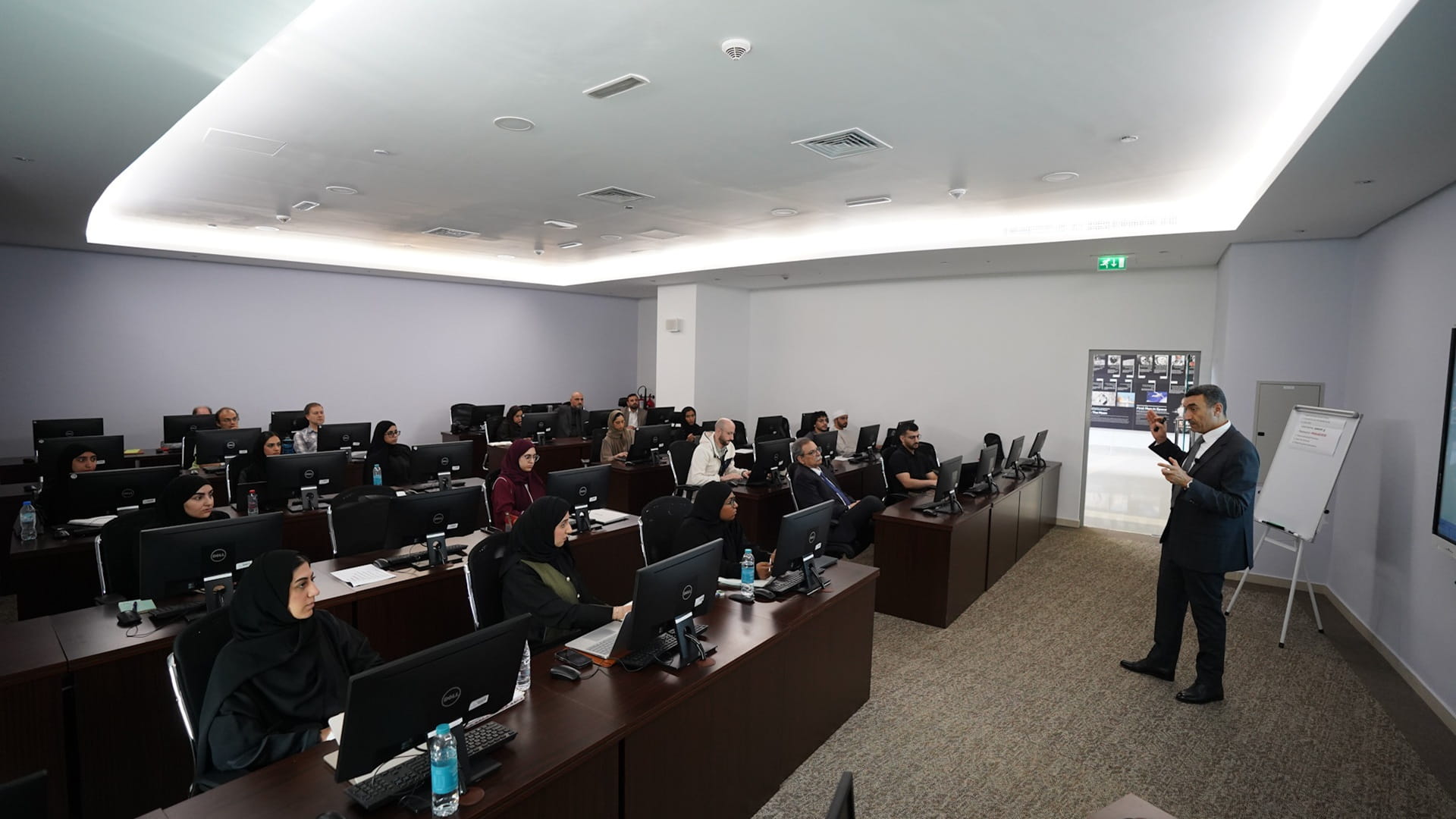
The symposium comprised two sessions. The first session focused on extensive discussions regarding the digital transformation of education and the need for a modern Arab vision for digital education that establishes quality standards, enhances data protection, and supports the safe and responsible use of artificial intelligence technologies. The second session highlighted the lack of robust international instruments for protecting digital rights and the risks of artificial intelligence to privacy and digital justice.
The session concluded with a closing statement delivered by Dr. Bader Al-Mutairi, representative of the Arab Charter on Human Rights Committee at the League of Arab States, which included the symposium's recommendations, most notably the call to establish a unified Arab framework for digital education, develop an Arab framework for regulating artificial intelligence, and establish mechanisms to reduce misinformation on digital platforms, benefiting from the UAE experience. The symposium also emphasized the importance of the Union Association for Human Rights' proposal regarding the recommendation to draft a guiding Arab declaration entitled "The UAE Declaration on Digital Rights and Principles," and called for submitting this proposal to the relevant national and regional bodies for consideration, as the proposal is a foundational step towards an international agreement on digital rights that complements what the Global Digital Charter began, in light of the UAE's regional and international leadership in developing digital legislation, protecting privacy and data, ethical governance of artificial intelligence, and promoting a safe and inclusive digital environment that places human beings at the heart of its development process.
It was also agreed to form a joint committee comprising experts and specialists from the university and the Union for Human Rights Association to develop a framework and a memorandum of understanding for joint academic programs and collaborative activities that serve the state's efforts in the field of human rights.
At the conclusion of the symposium, the organizers emphasized that the future of human rights in the Arab region is linked to the ability of states to develop advanced digital legislation, modernize education systems, and strengthen legal protections in the digital space, thereby ensuring equitable access to education and development and safeguarding human dignity.
The participating entities expressed their appreciation to the contributors and speakers and stressed the importance of continued academic and human rights cooperation at the regional and international levels to support a digital transformation based on justice and human dignity.

 For an optimal experience, please
rotate your device to portrait mode.