
Loading...
Loading...

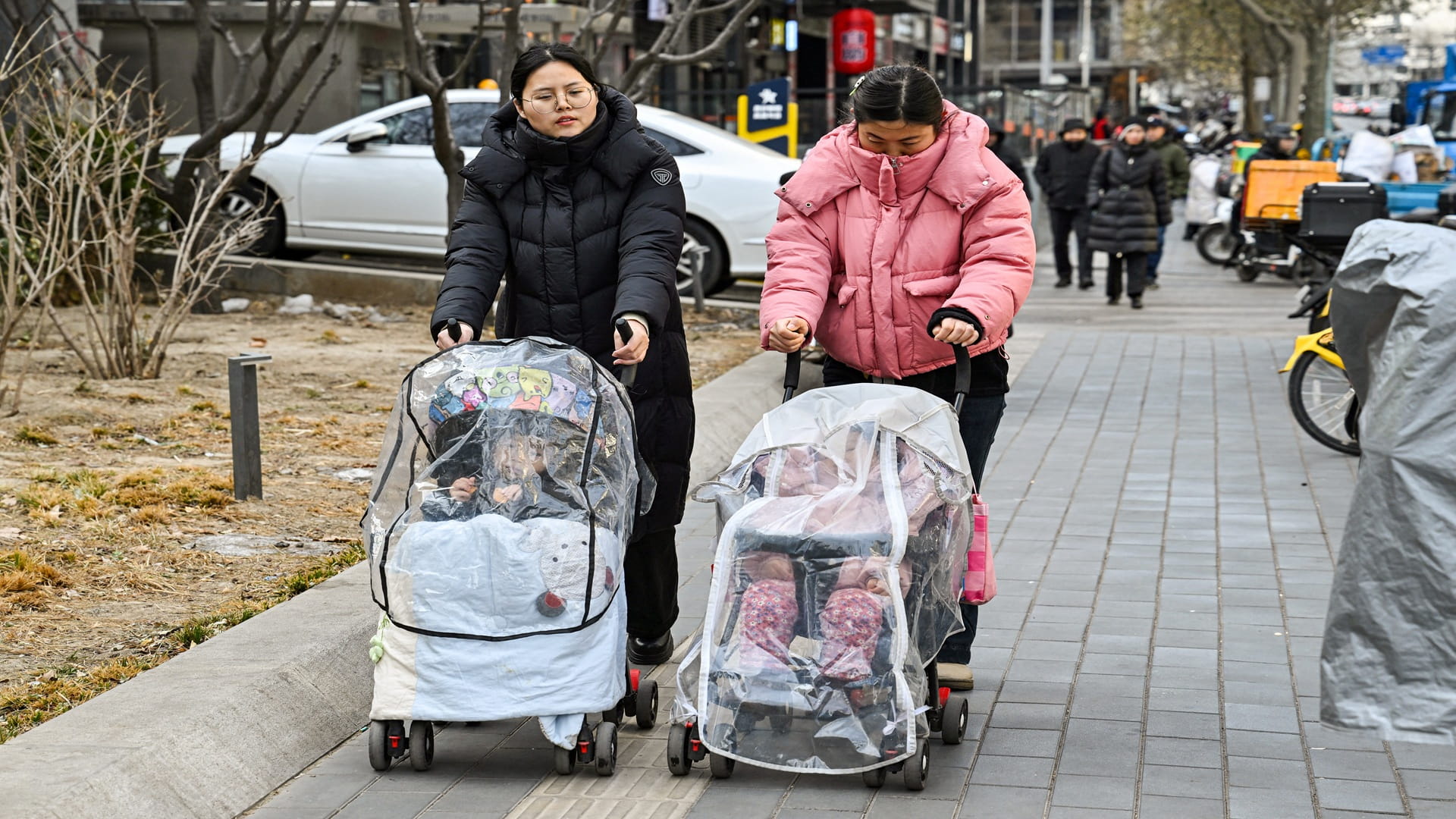
The population has declined for three consecutive years, and United Nations projections suggest it could fall from around 1.4 billion to 633 million by 2100. Births dropped to 9.54 million in 2024, about half the figure recorded in 2016, heightening concerns over population ageing and a shrinking workforce.
Rising living costs, economic uncertainty, career pressures and long working hours have contributed to weak fertility intentions among younger adults. Many couples cite the high cost of raising children, limited time and the need for financial stability as key reasons for delaying or rejecting parenthood. The idea of “dual income, no kids” has gained traction on Chinese social media, reflecting shifting social attitudes.
Authorities have rolled out pronatalist measures, including childcare subsidies and policy changes affecting contraceptives. However, analysts note that decades of strict family planning reshaped family norms, making smaller families more socially accepted, particularly in urban areas.
Despite the relaxation of birth limits to allow three children per family in 2021, uptake has remained limited. Experts warn that persistently low fertility will accelerate population ageing, increase pressure on elderly care systems, and weigh on China’s long-term economic development.

 For an optimal experience, please
rotate your device to portrait mode.