
Loading...
Loading...

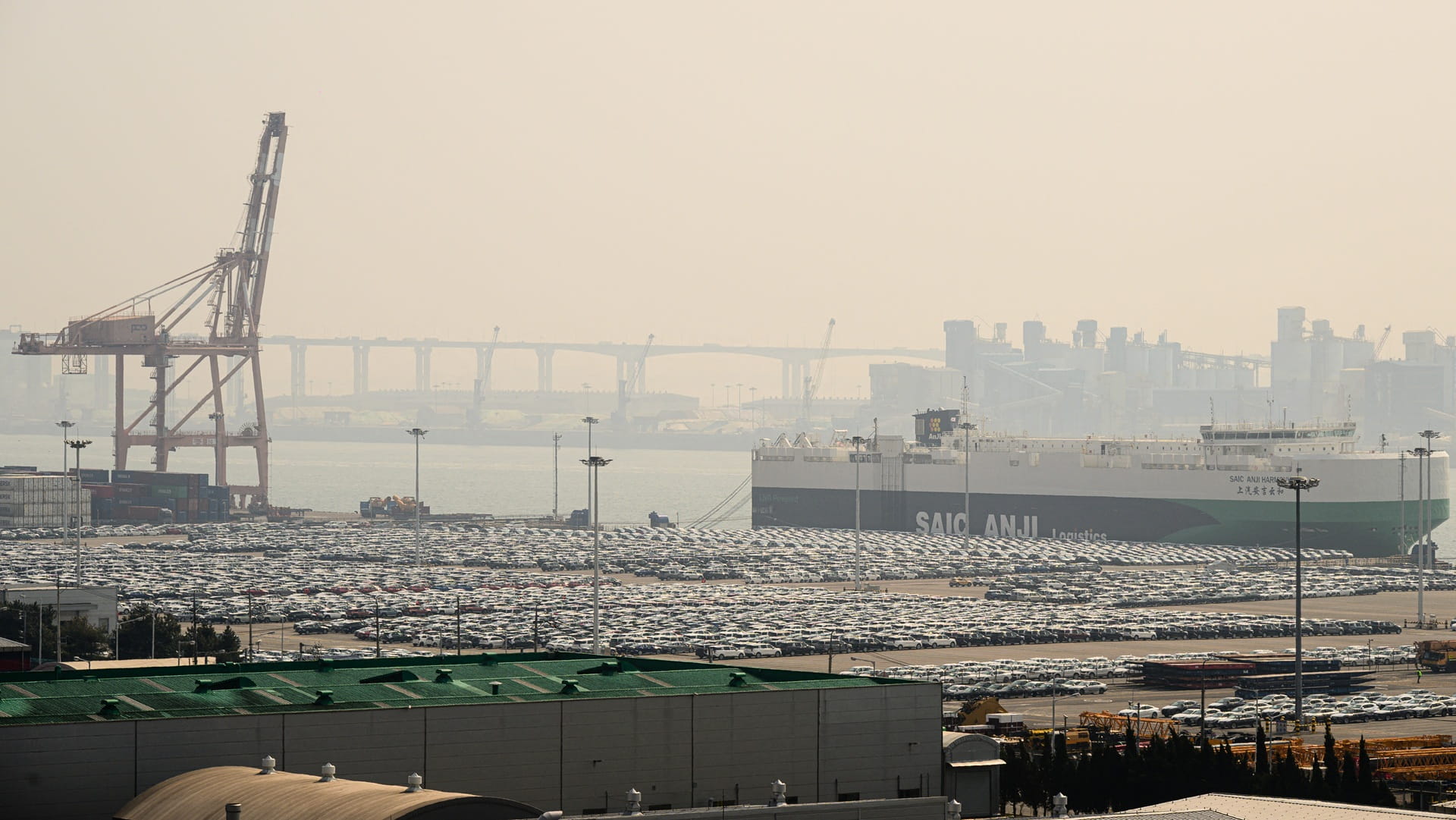
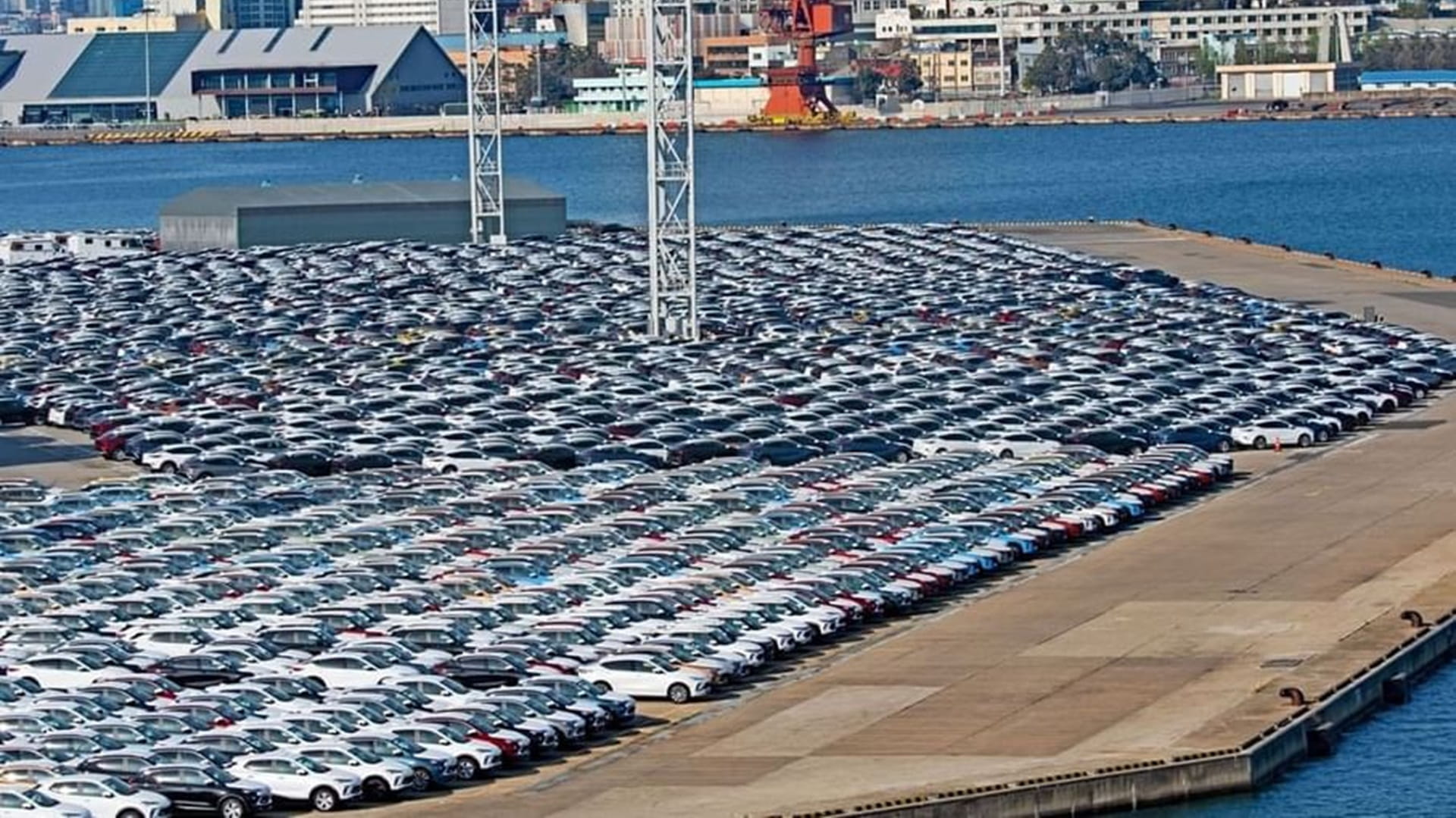
Last year’s growth was the weakest since 2020, when the economy contracted after the outbreak of Covid-19. Exports, however, rose by 4.1 percent, supported by strong demand linked to the artificial intelligence boom, while imports increased by 3.8 percent. The central bank noted continued export growth alongside expanded private and government consumption.
The decline in construction investment deepened due to ongoing problems in the real estate sector, while growth in manufacturing slowed. The economy also contracted in the October–December period, partly due to a base effect after strong third-quarter growth, with weak construction investment further dragging on overall performance.
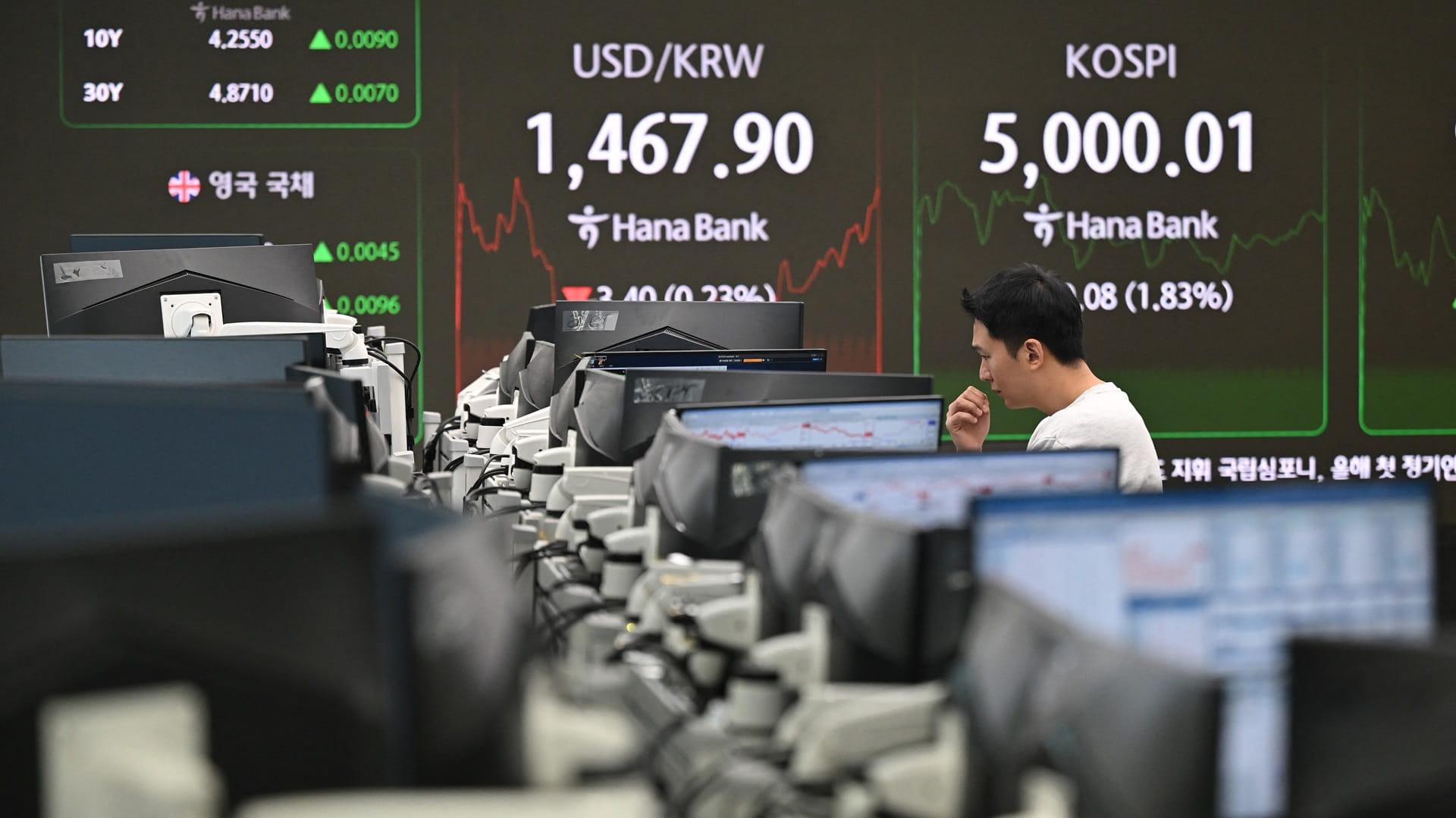
Despite the slowdown, South Korea’s key semiconductor firms, including Samsung Electronics and SK hynix, continued to benefit from global AI-related demand. On the back of this strength, the benchmark Kospi index broke 5,000 for the first time on Thursday.

 For an optimal experience, please
rotate your device to portrait mode.