
Loading...
Loading...

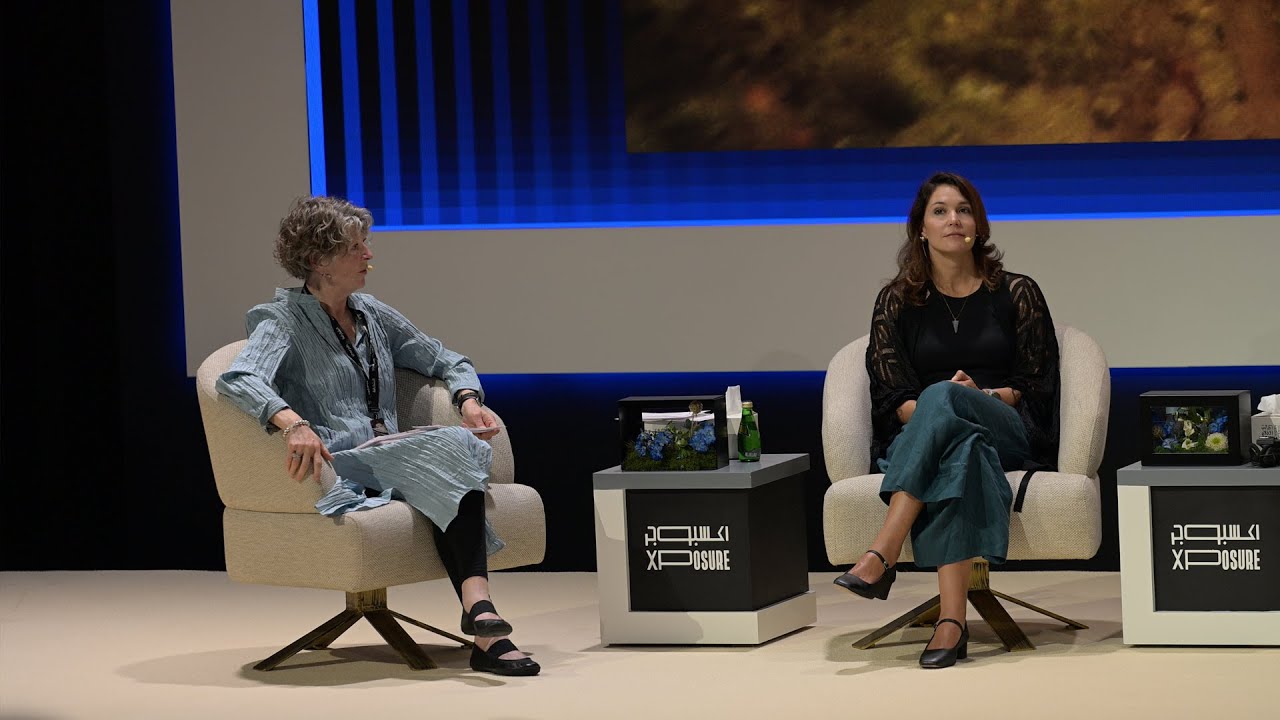
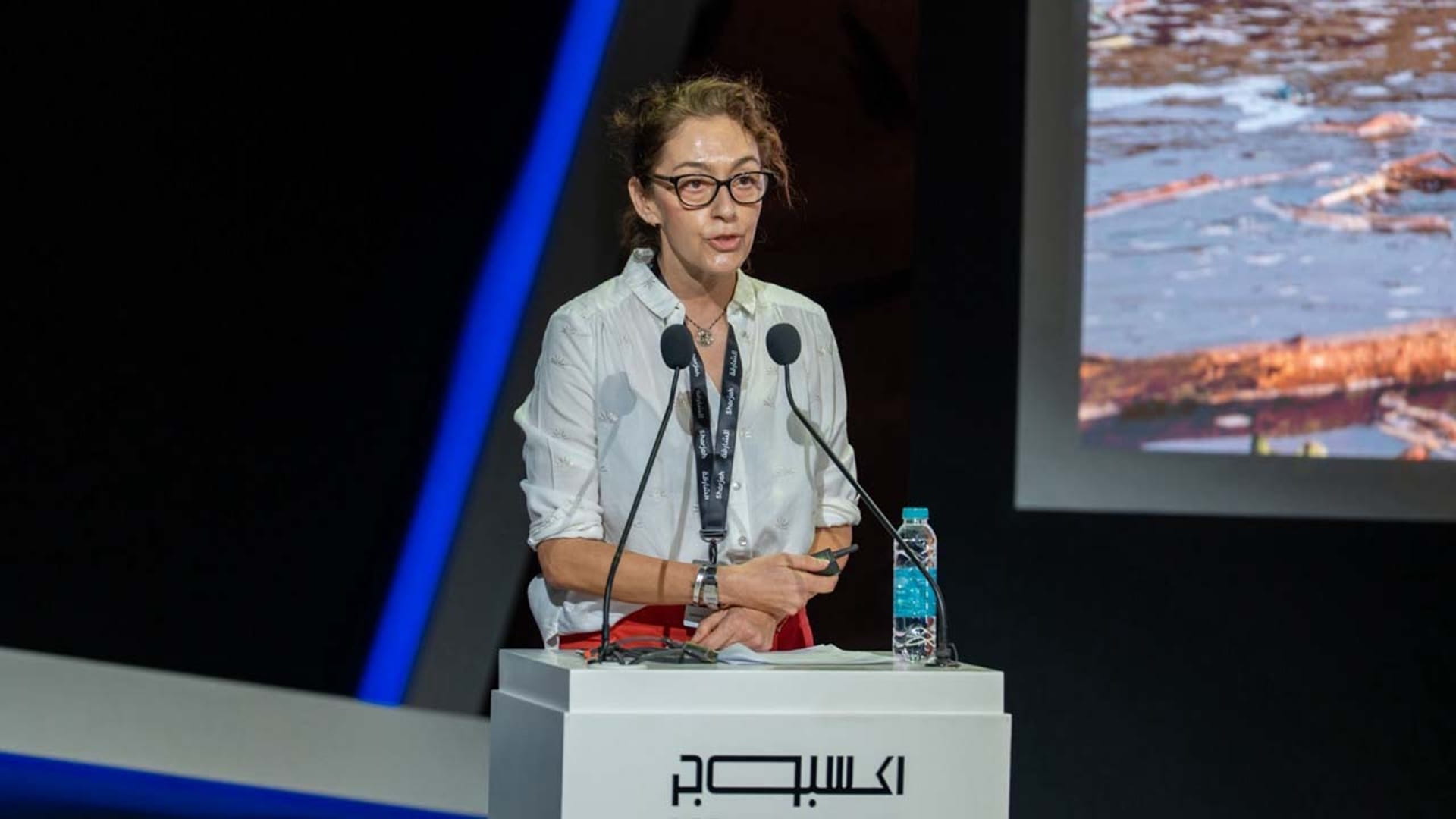
Speaking during her participation at Xposure, Ehrlich emphasised that environmental impact is not driven only by governments and large institutions, but also by individuals through everyday behaviour, consumption habits, and purchasing decisions.
In an interview, she explained that small, repeated actions can either protect nature or accelerate its damage.
“Ordinary people have a huge role to play — both in protecting the environment and in contributing to its destruction,” she said. “There are everyday things we can do to make the world a better place and protect nature.”
She noted that individuals can make practical choices that matter, including where they buy from, how much plastic they consume, and what food they choose based on origin and sustainability.
“We can choose,” she said. “We can choose who we support, what we consume, and how we live.”
At the same time, Ehrlich acknowledged that complex global conflicts often shape environmental outcomes and remain difficult for individuals alone to control or change. However, she stressed that personal responsibility and public awareness remain essential starting points for broader transformation.
Ehrlich highlighted the unique power of film as an emotional and transformative medium in environmental communication — especially when addressing hidden and fragile ecosystems such as the oceans.
She described cinema as a bridge between knowledge and feeling, explaining that many human decisions about nature, society, and relationships are driven not only by facts but by emotion.
“Film is an incredibly powerful medium,” she said. “It connects people to their hearts. Many of the decisions we make — about how we treat the natural world, how we treat ourselves, how we treat each other — are emotional decisions.”
She added that visual storytelling has the rare ability to reveal worlds that most people never see firsthand.

 For an optimal experience, please
rotate your device to portrait mode.