
Loading...
Loading...

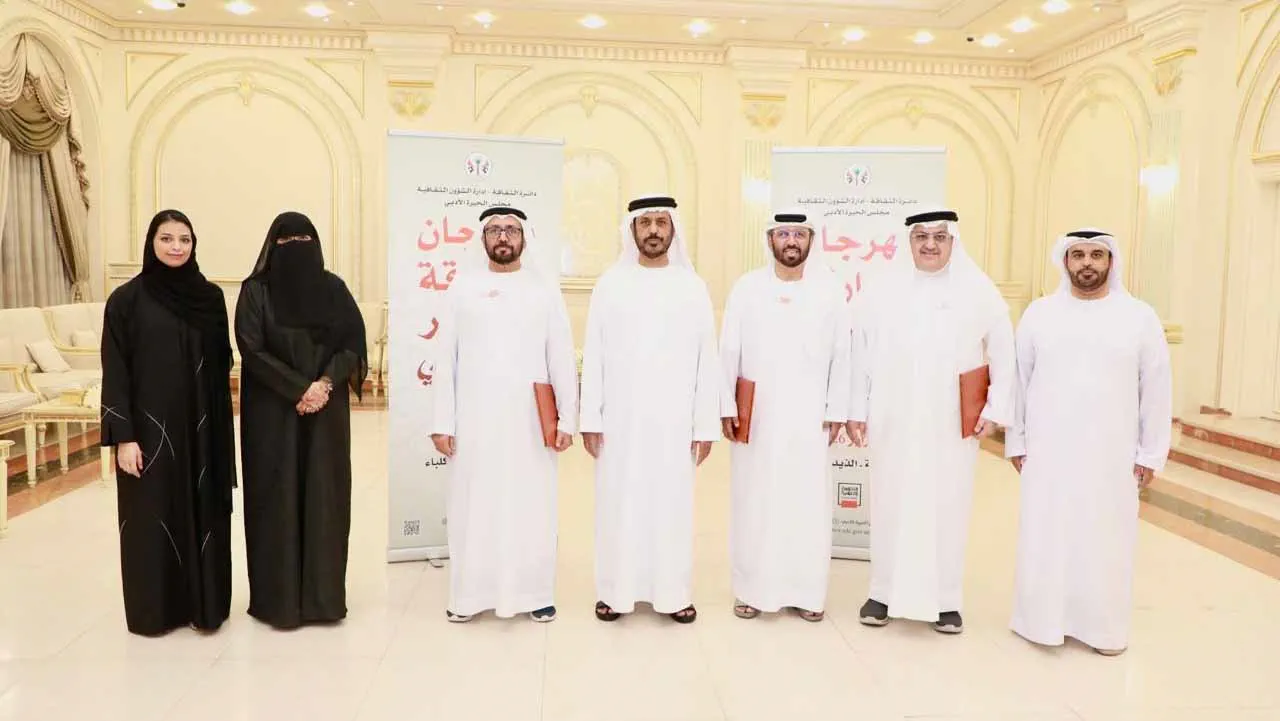
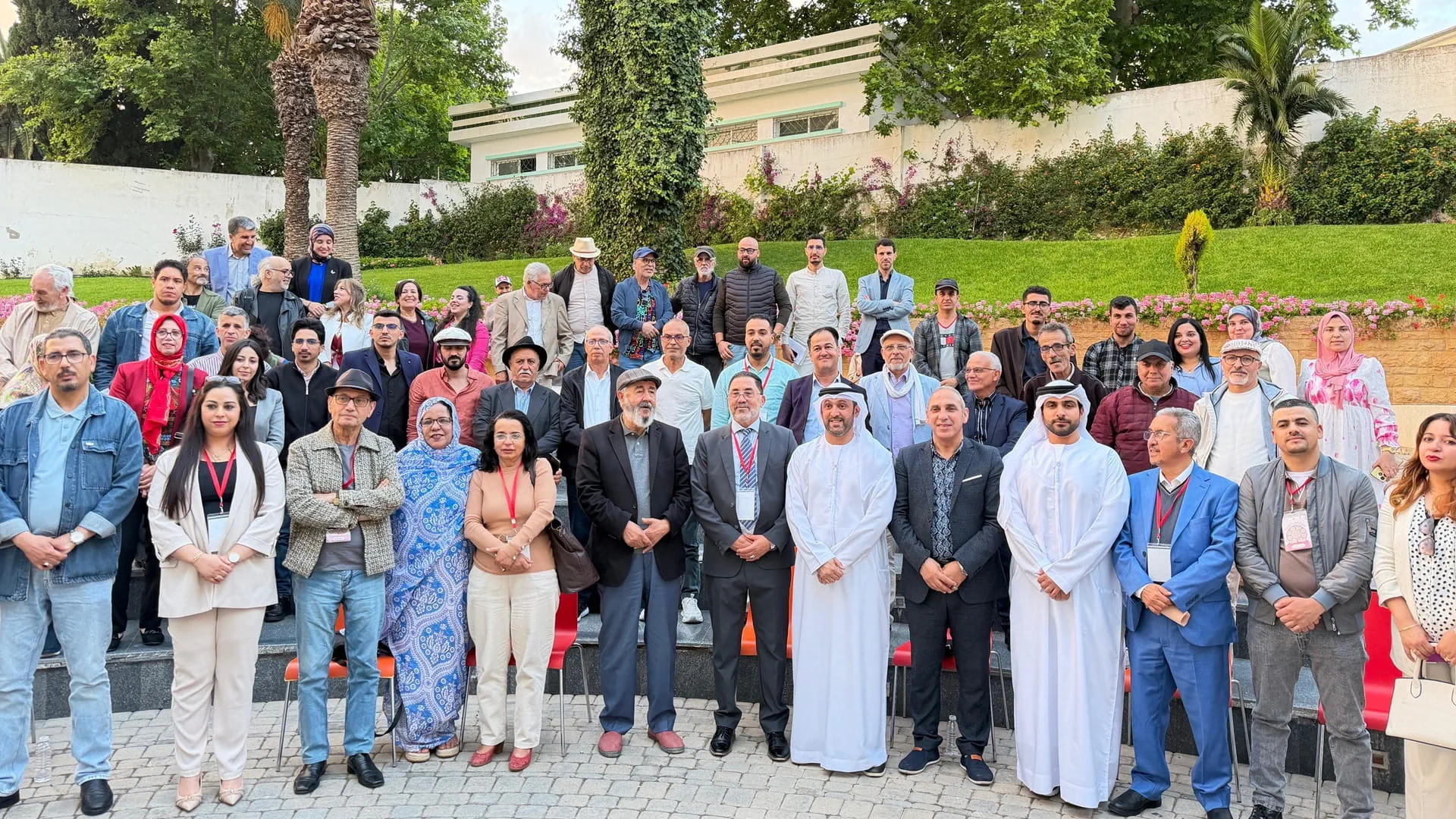
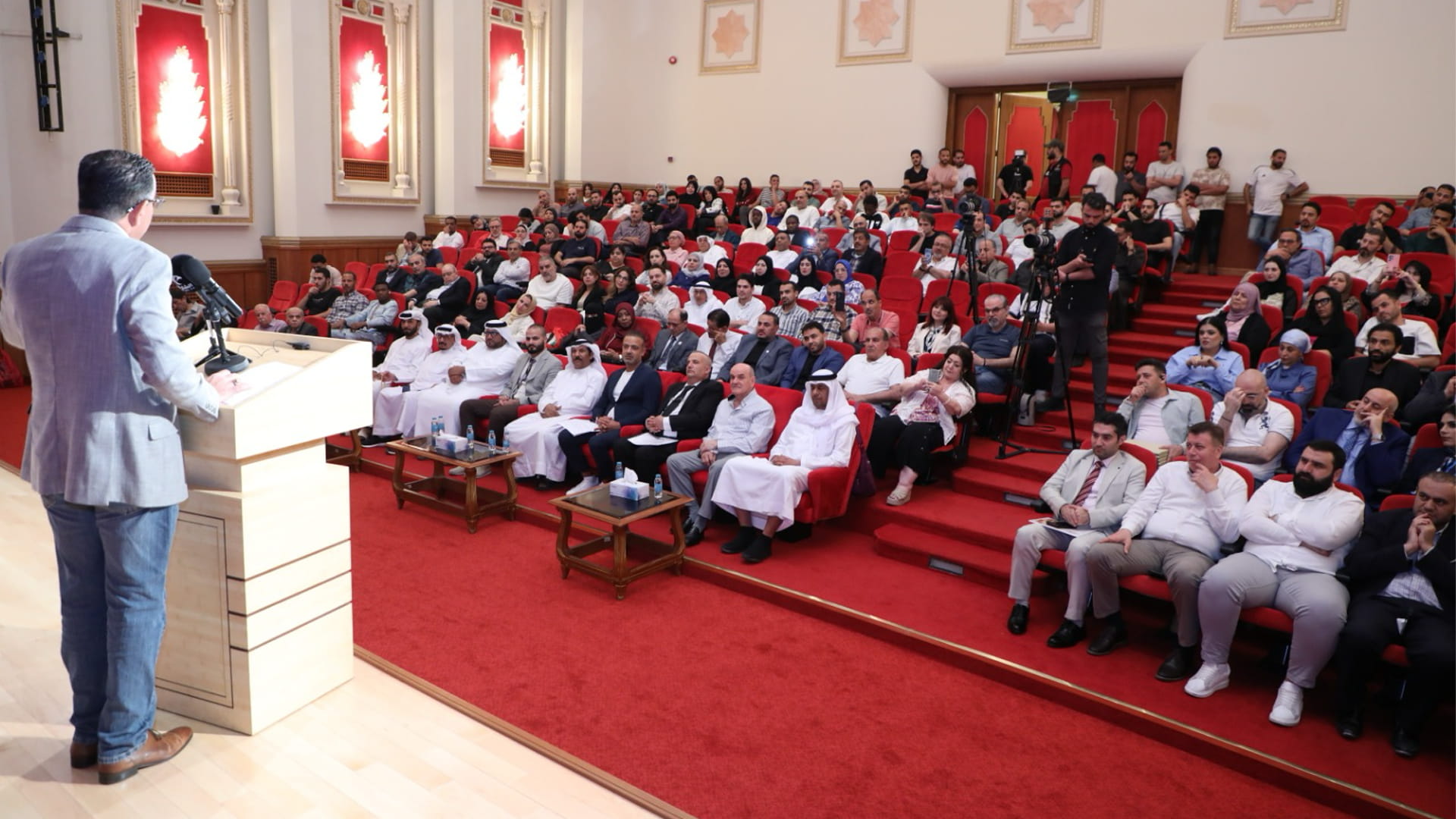
The symposium took place at the Cultural Palace, attended by Butti Al Mazloum, Director of the Al Hira Literary Council, and a number of poets, critics, and researchers.
The two papers highlighted the artistic and aesthetic qualities of the poets' work and their contributions to the Emirati poetry scene.
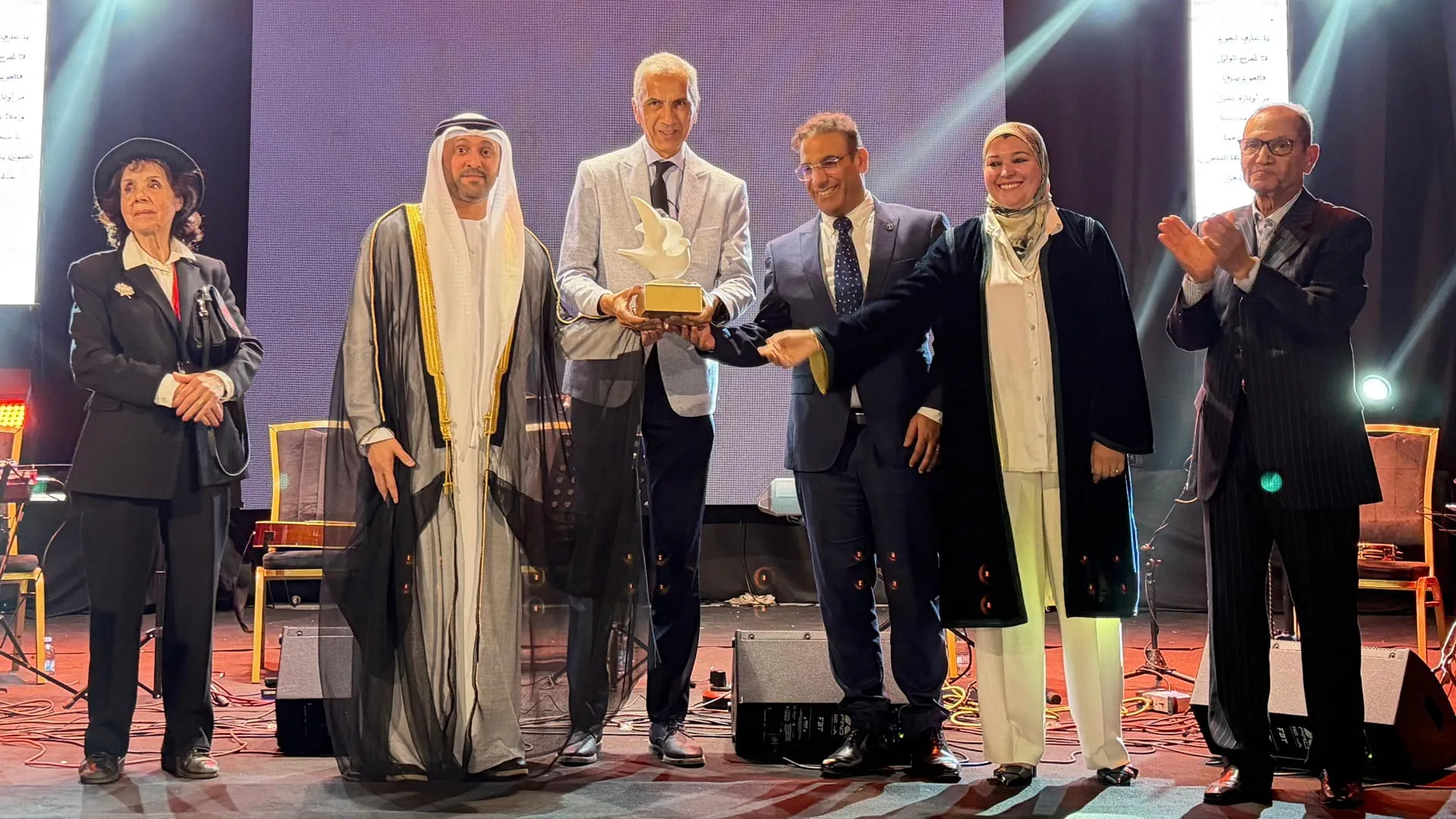
This symposium is part of the Sharjah Folk Poetry Festival's commitment, under the patronage of His Highness Sheikh Dr Sultan bin Mohammed Al Qasimi, Supreme Council Member and Ruler of Sharjah, to honouring the pioneers of Nabati poetry in the UAE, celebrating their creative experiences, and documenting their achievements as an integral part of the national cultural heritage.
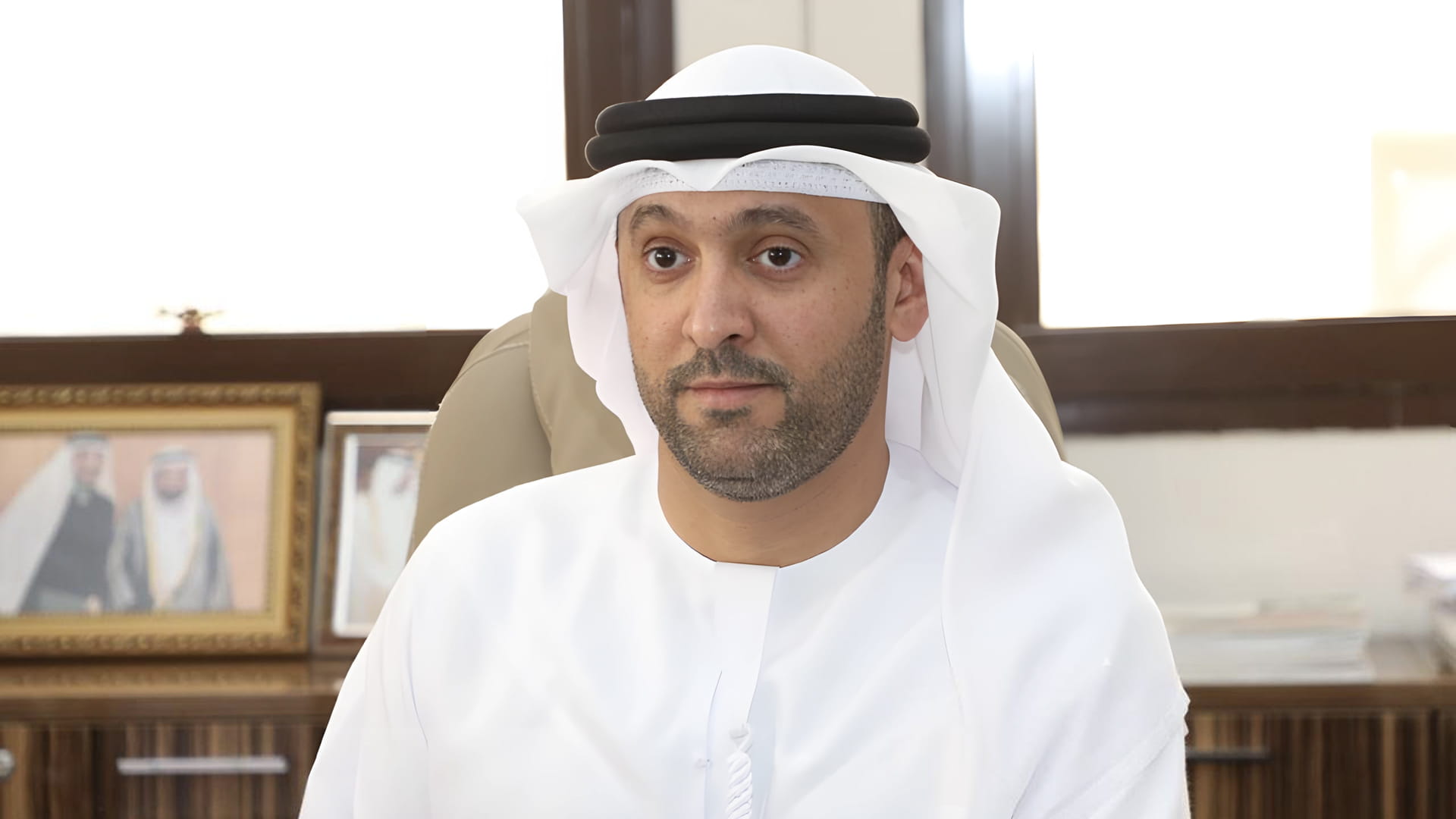
In his research paper, Dr Fahd Al Maamari began by discussing the life of Emirati poet Saeed bin Salem Boulahaj Al Rumaithi, one of the most prominent poets of the golden generation of the 1970s, 80s, and 90s.
The researcher began by discussing the poet's birth and upbringing. Born in 1946 in the Al Rumaitha area of Abu Dhabi, Al Rumaithi grew up in a maritime environment, working from a young age in fishing and traditional maritime crafts.
The researcher noted that Al Rumaithi began writing poetry at an early age and associated with several poets who influenced his work, making him a prominent figure in Nabati poetry and in the preservation of Emirati maritime heritage.
Al Maamari noted that the poet collaborated with several local artists to compose and perform his poems, including Jaber Jassim, Ali Balrouga, Khaled Mohammed, and Harb Hassan, thereby solidifying his standing in Emirati folk music.
Al Maamari also noted that his poetry belongs to the traditional school of Nabati poetry, addressing diverse themes such as praise, love, longing, description, patriotism, and wisdom. His poetry employs vibrant, evocative language, showcasing his ability to portray nature and his beloved with meticulous detail. He was also distinguished for his narrative intelligence and strong memory, making him a prominent figure in maritime crafts and folklore and a rich resource for those seeking Emirati heritage poetry and folklore.
During the symposium, researcher Dr Fahd Al Maamari presented a comprehensive overview of Al Rumaithi's experience and his literary and cultural journey, highlighting his significant impact on the modern Emirati poetry scene.
In his research paper, Ali Al Abdan Al Shamsi reviewed the early stages of Emirati poet Ali Al Ghannami Al Suwaidi's journey, noting that his poetic journey began at a young age, influenced by local poets and his uncle, the poet Rashid bin Ali bin Sabt, where young people would gather to listen to and memorise poetry. He explained that Al Ghannami was distinguished by his patriotic and romantic poems, as well as his introspective reflections and addresses to nature, which made him a unique poetic voice in the Emirati popular literary scene.
The researcher also highlighted Al Ghannami's continuous interaction with his fellow poets through poetic duels and exchanges, which enriched his work and added vitality. Some of his poems were set to music and sung by Emirati and Arab singers such as Hussein Al Jasmi and Saeed Al Zar'i, and even incorporated into traditional rabab music with the Omani artist Saeed Al-ar'i, demonstrating the ease with which his poems could be set to music and sung, thanks to their distinctive rhythm.
Al Shamsi noted that Al Ghannami was renowned for his poetic duels and responses, characterised by his extended, improvised exchanges with other poets, showcasing his ability to engage in poetic dialogue with his friends, nature, and the people.
Al Shamsi explained that Al Ghannami is proficient in Emirati Nabati metres such as Al Radh, Al Wanna, Al Samar, and Al Jadouli. His language blends Bedouin and urban influences while preserving the richness of local vocabulary, reflecting the authenticity of Emirati folk poetry and its connection to cultural heritage.
Al Shamsi added, "Honouring him at the 20th Sharjah Nabati Poetry Festival underscores his prominence and reflects his role in preserving Emirati poetic heritage. It also encourages further study and research into his rich and diverse experience in Nabati poetry."

 For an optimal experience, please
rotate your device to portrait mode.