
Loading...
Loading...

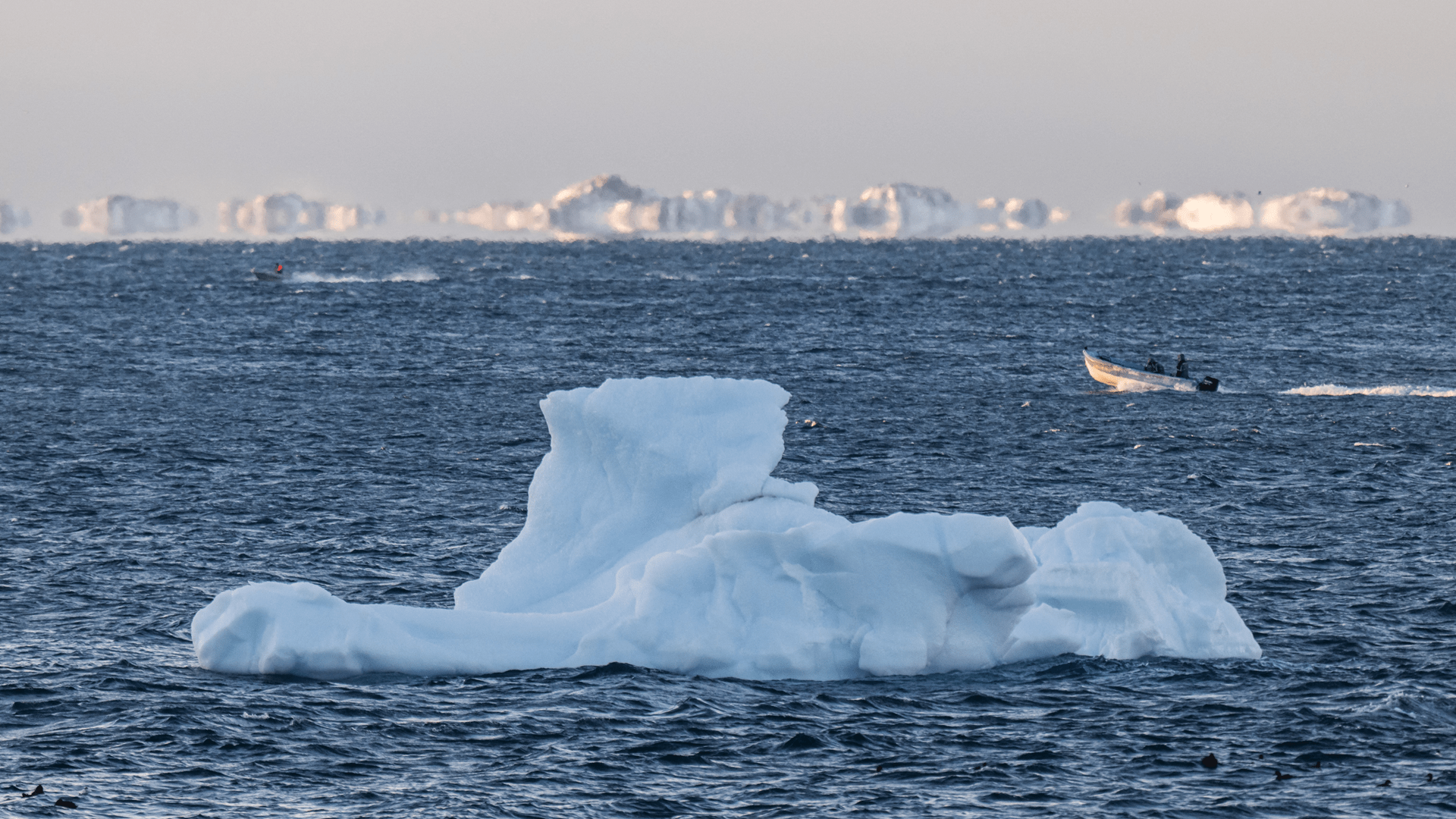
The new system, developed by the British Antarctic Survey, automatically identifies icebergs as they break off from glaciers and ice sheets and tracks their journey across the oceans. Scientists say the tool could provide crucial insights into how melting icebergs affect global climate systems.
As they melt in open seas, icebergs release vast quantities of freshwater, influencing ocean currents, ecosystems, and global climate patterns. However, once large icebergs fragment into thousands of smaller pieces, tracking their movement and impact has traditionally been extremely difficult.
Using satellite imagery, the AI tool detects the unique shapes of icebergs as they calve from land. As they break apart, the system links smaller fragments back to their parent iceberg, effectively building detailed “family trees” for each formation.
This approach represents a significant improvement over earlier methods, in which scientists manually examined satellite images and tracked only the largest icebergs individually.
Using satellite data from Greenland, the AI system provides new information that can enhance climate-change predictions, especially as ice loss accelerates in a warming world.
Researchers say the technology could also support safer navigation in polar regions by improving iceberg tracking in areas where floating ice poses hazards to ships.

 For an optimal experience, please
rotate your device to portrait mode.