
Loading...
Loading...

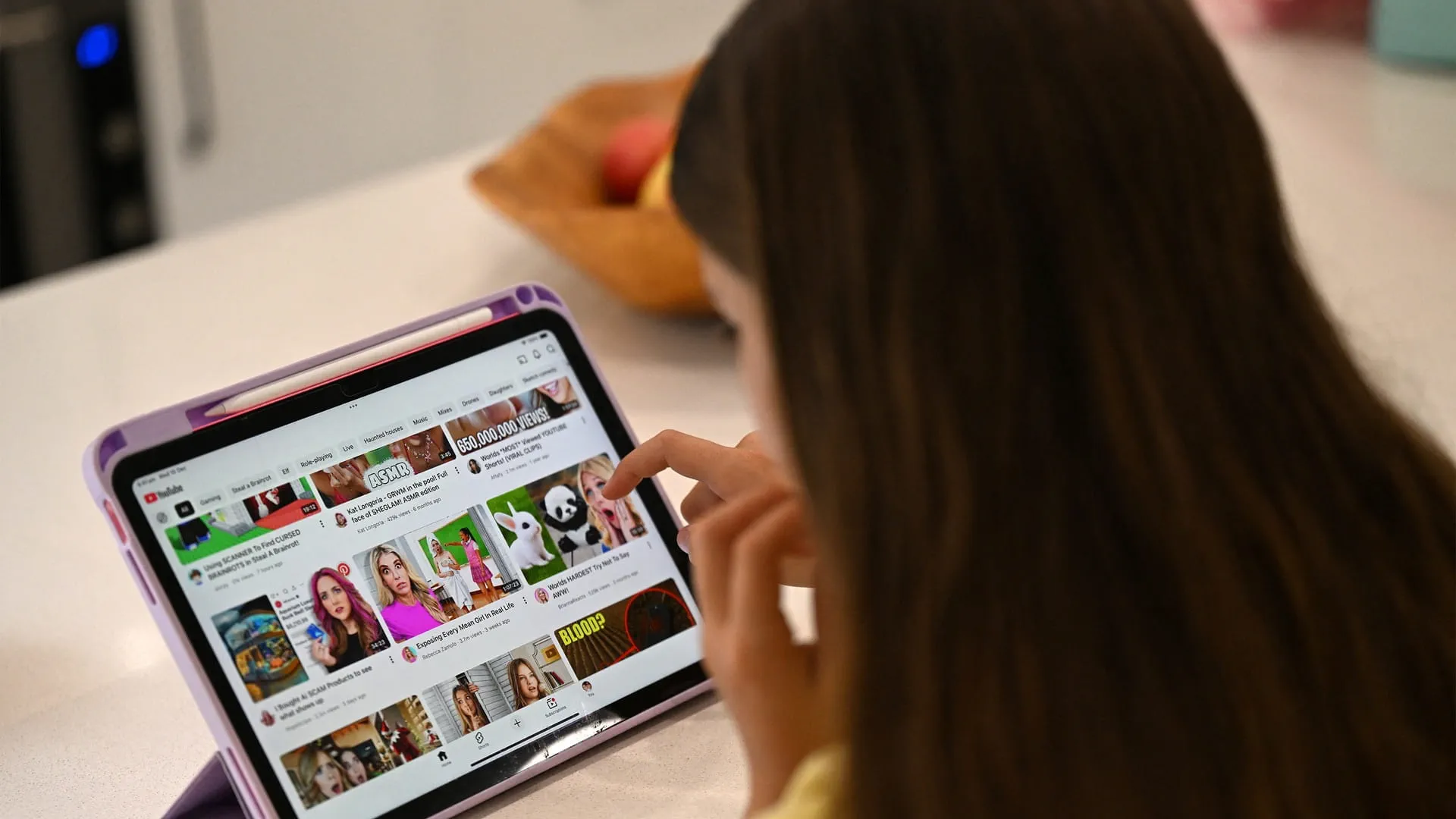
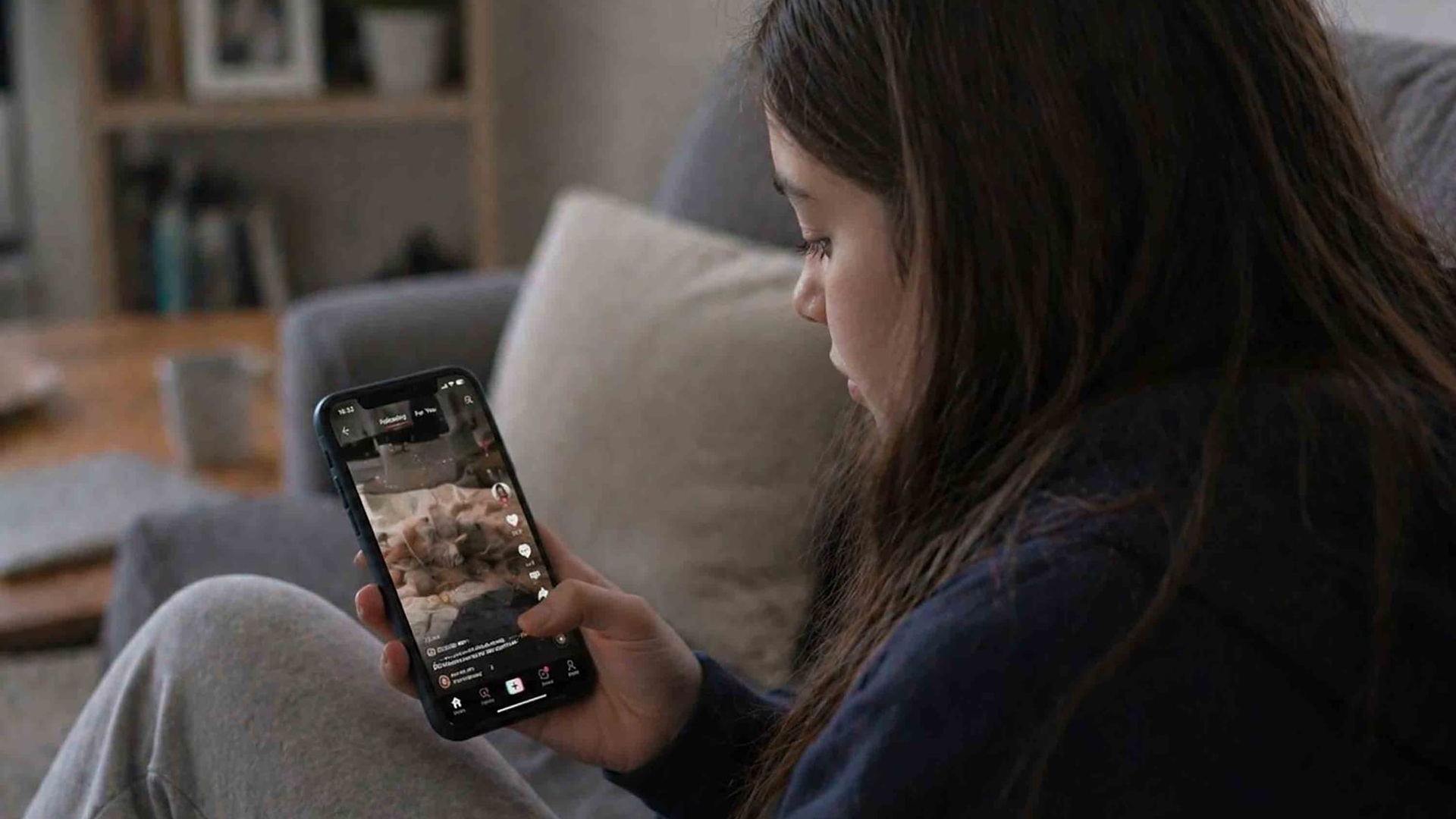
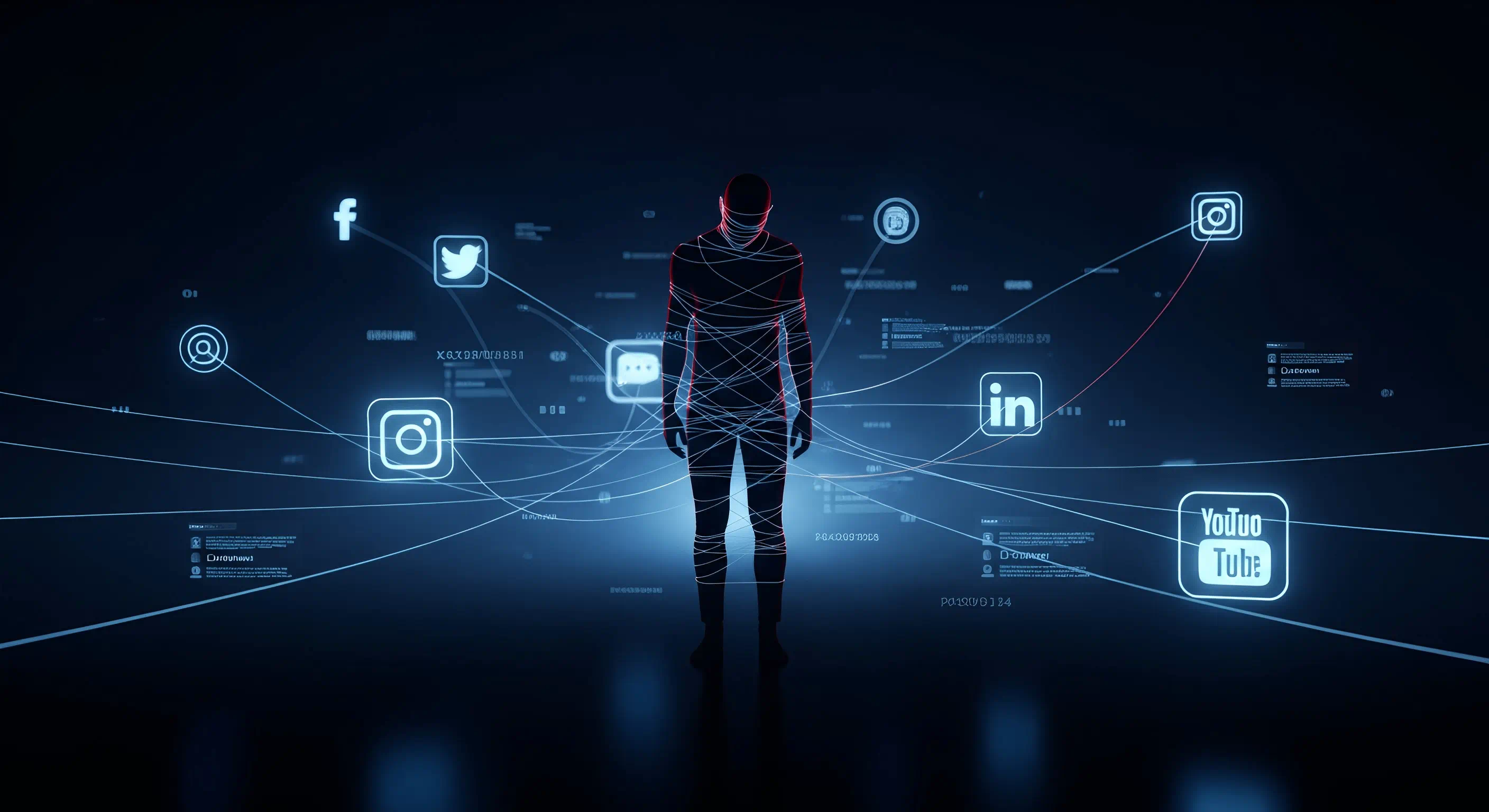
Supporters of a ban argue urgent steps are needed to address the worsening mental health of young people. Others, however, say the scientific evidence remains mixed and call for a more balanced, nuanced approach.
Australia became the first country last month to prohibit under-16s from accessing major social media platforms such as Instagram, Facebook, TikTok and YouTube.
France is currently discussing proposed legislation to ban under-15s from social media, including a bill supported by President Emmanuel Macron. In the UK, The Guardian reported that US psychologist Jonathan Haidt was invited to brief government officials on the issue.
Haidt argues in his book The Anxious Generation that excessive screen time is reshaping young brains and contributing to a mental health crisis. However, some academics challenge this view. Canadian psychologist Candice Odgers said his claims are not fully supported by scientific evidence.
Australian researcher Michael Noetel said even small effects can become significant when applied to billions of users. He believes a ban is “a bet worth making,” despite uncertainties. France’s health authority ANSES recently concluded that social media harms adolescents, especially girls, though it is not the sole cause of declining mental health.
Studies suggest a complex relationship between screen use and wellbeing. Research from the University of Adelaide found that both heavy use and complete avoidance were linked to poorer wellbeing, while moderate use produced better outcomes.
French psychiatrist Serge Tisseron warned that social media can be highly harmful but expressed concern that bans could be easily bypassed and might reduce parental responsibility. Others argue regulation should avoid extremes.
Experts say the effectiveness of Australia’s ban will become clearer within a year. Australia’s online safety regulator has already reported that technology companies have blocked 4.7 million under-16 accounts.

 For an optimal experience, please
rotate your device to portrait mode.