Fruit of continuous scientific work according to the highest international standards
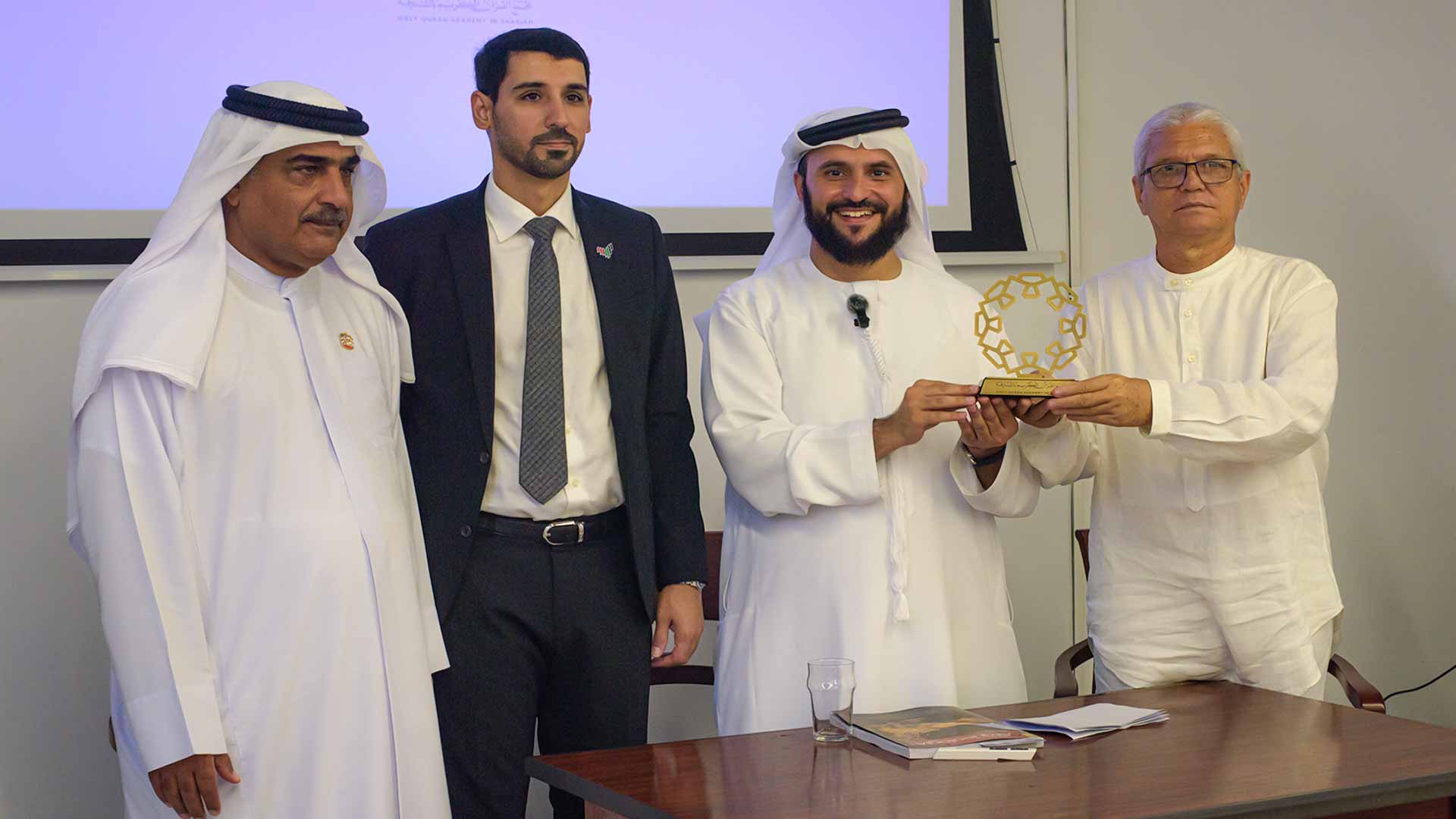
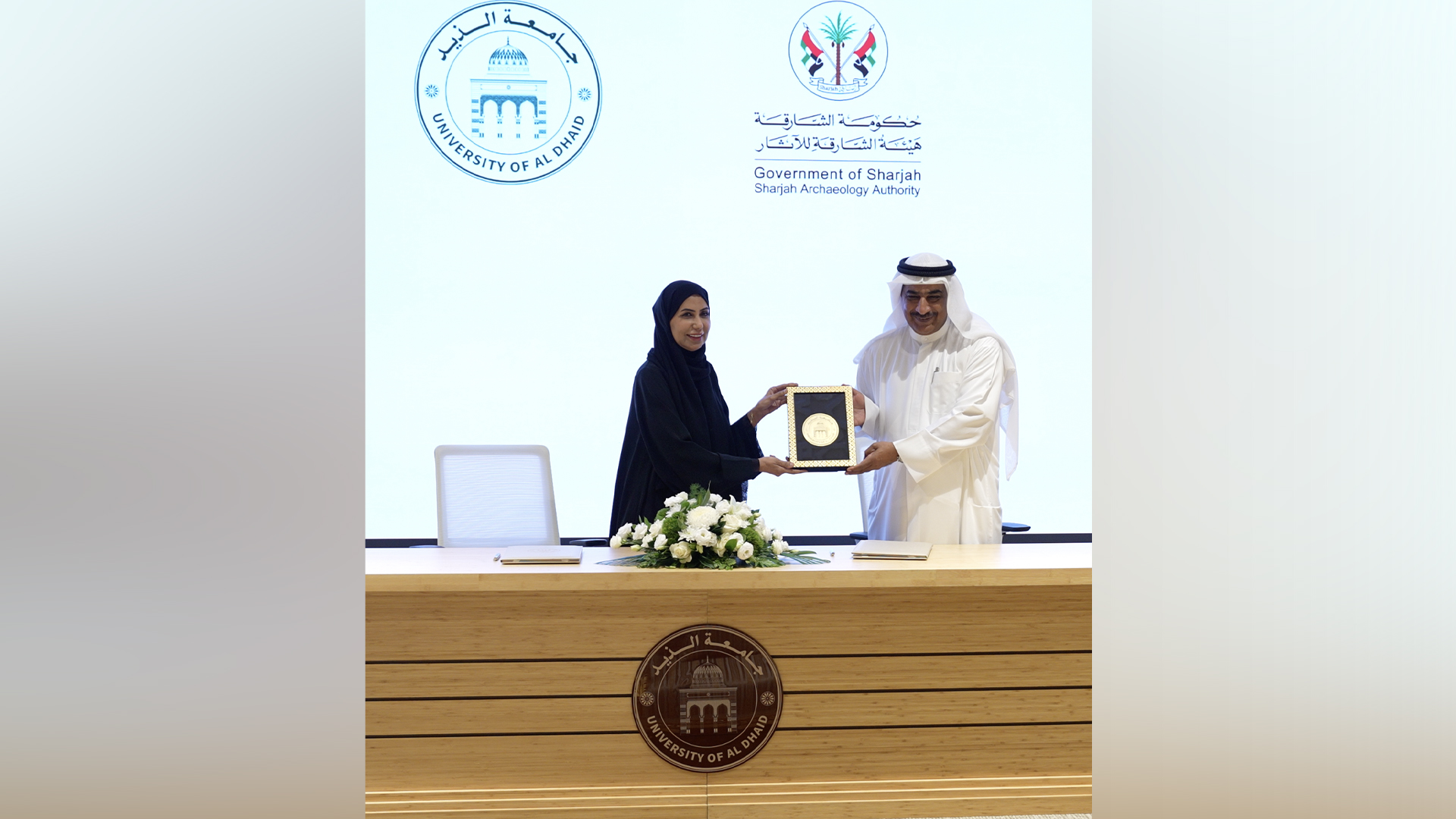
His Excellency Issa Yousef, Director General of SAA, affirmed that the inclusion of these sites on the ISESCO World Heritage List is a significant achievement that reflects the strategic vision of the Emirate of Sharjah in preserving archaeological heritage and presenting it as a shared historical value that transcends the boundaries of time and place. He pointed out that this international recognition is an extension of the great support and cultural vision of His Highness Sheikh Dr Sultan bin Mohammed Al Qasimi, Supreme Council Member and Ruler of Sharjah, who has made the preservation of human heritage a fundamental pillar of the Emirate's civilisational project. He added that this achievement is the fruit of continuous scientific work in the fields of research, documentation, and protection according to the highest international standards.
His Excellency Issa Yousef stated, "This inscription marks a significant milestone in the preservation of Sharjah's cultural heritage. It underscores the importance of these sites as living records of human memory and the evolution of civilisations over thousands of years. At the Sharjah Archaeology Authority, we are committed to utilising this heritage to support scientific research, raise public awareness of its value, and solidify its presence on the global cultural stage. This contributes to the protection of archaeological sites and enhances their role in serving knowledge and sustainable cultural tourism, in line with Sharjah's vision of investing in both people and history."
Wadi Al-Helou
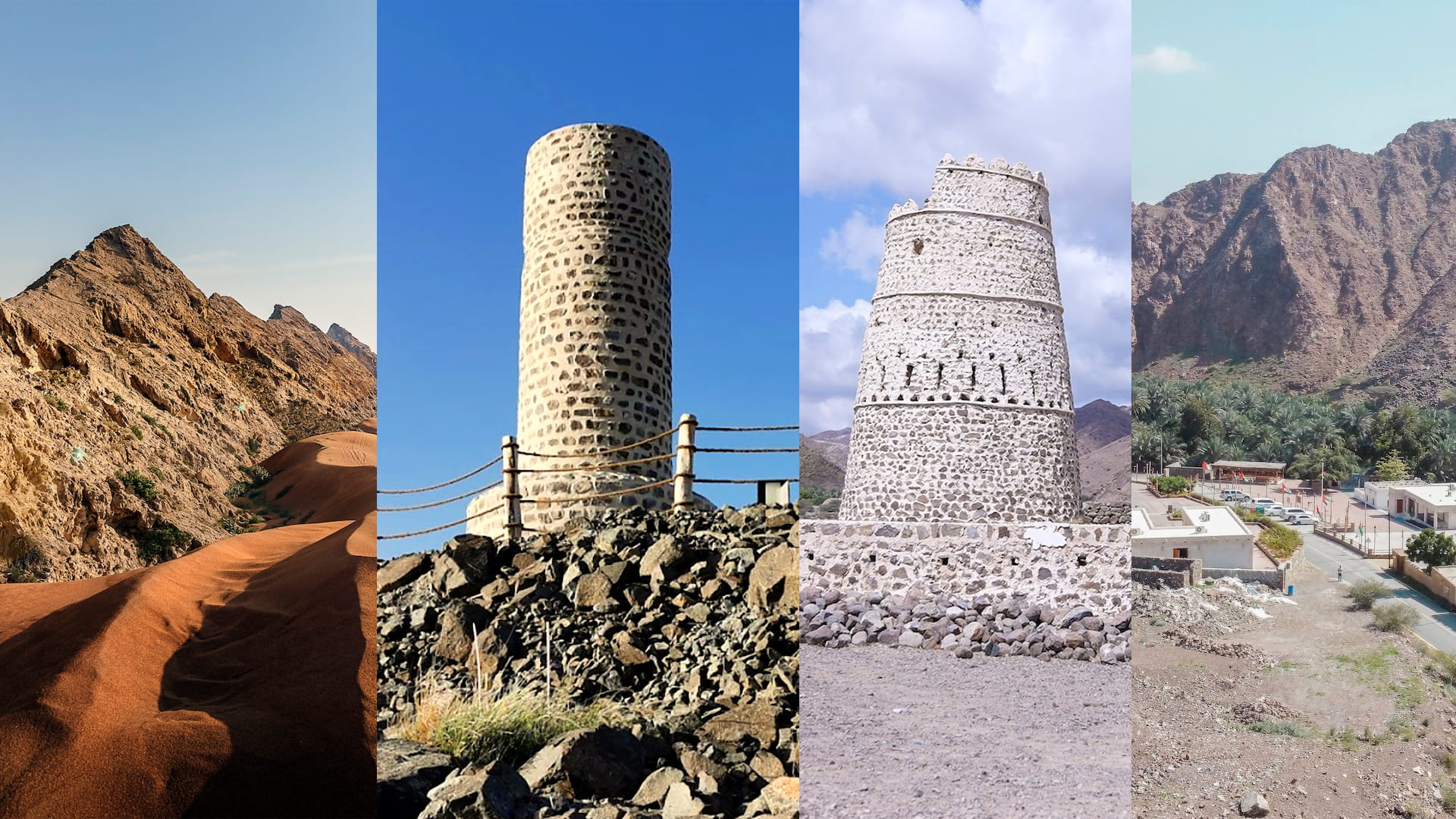
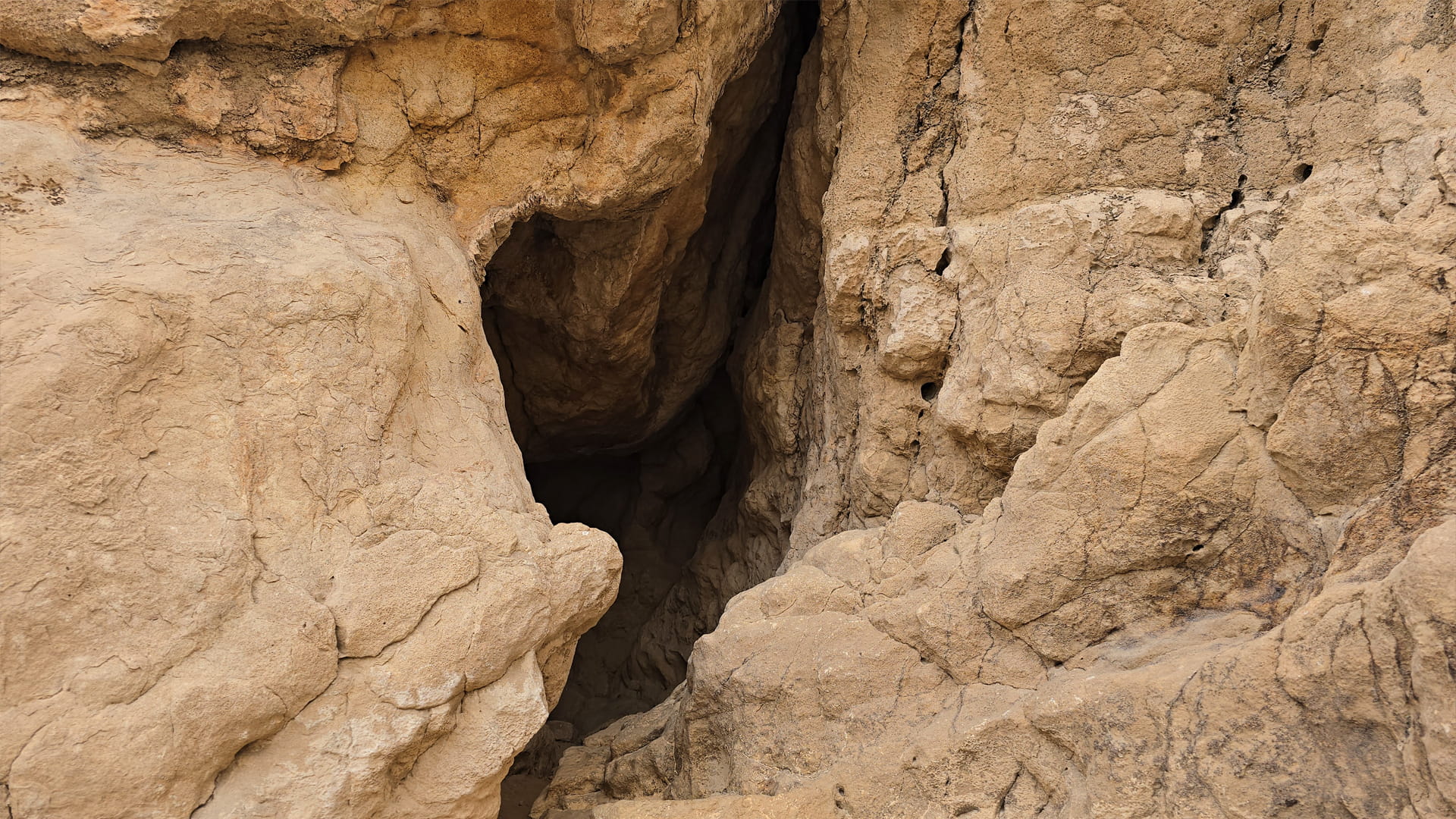
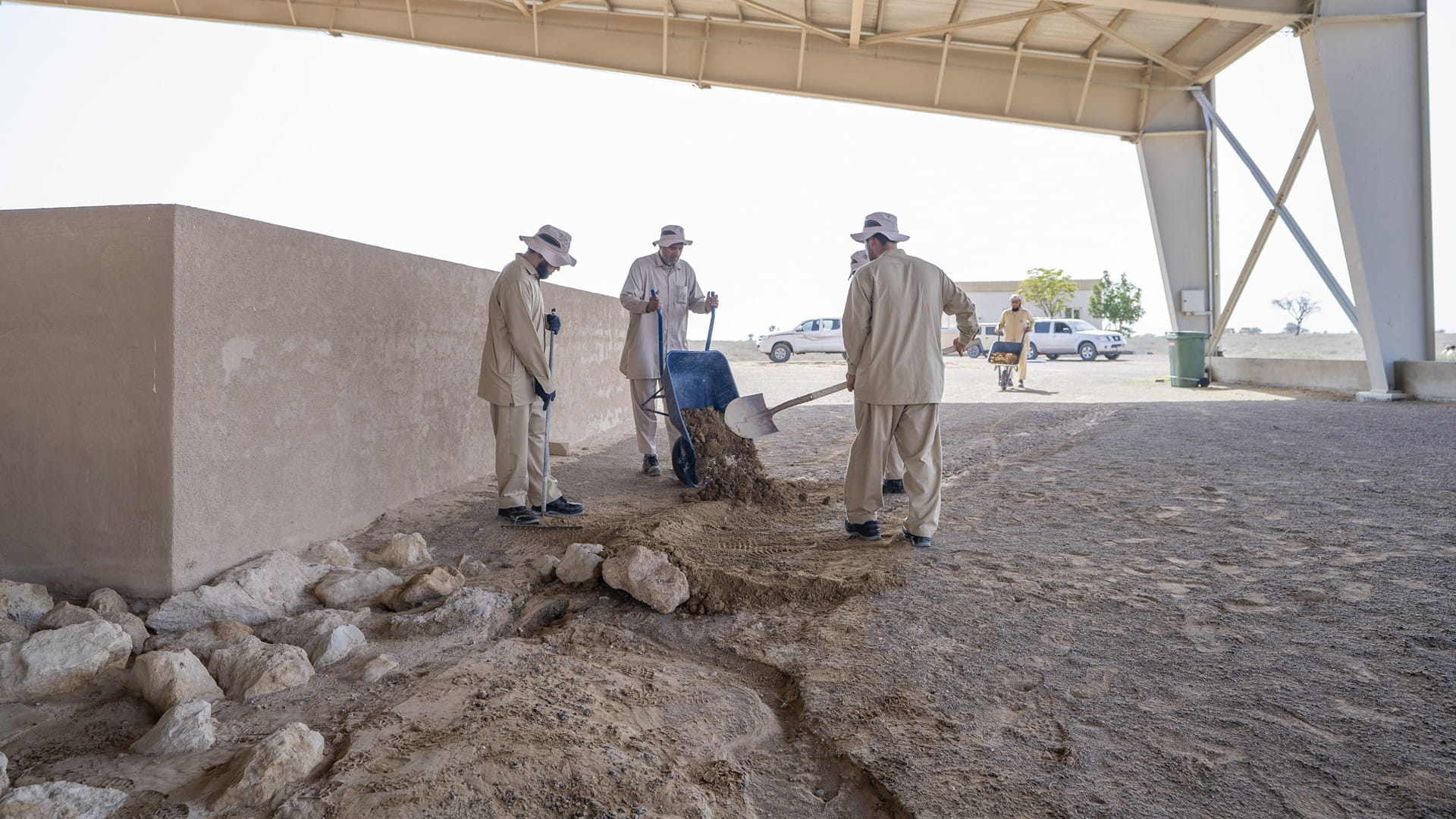
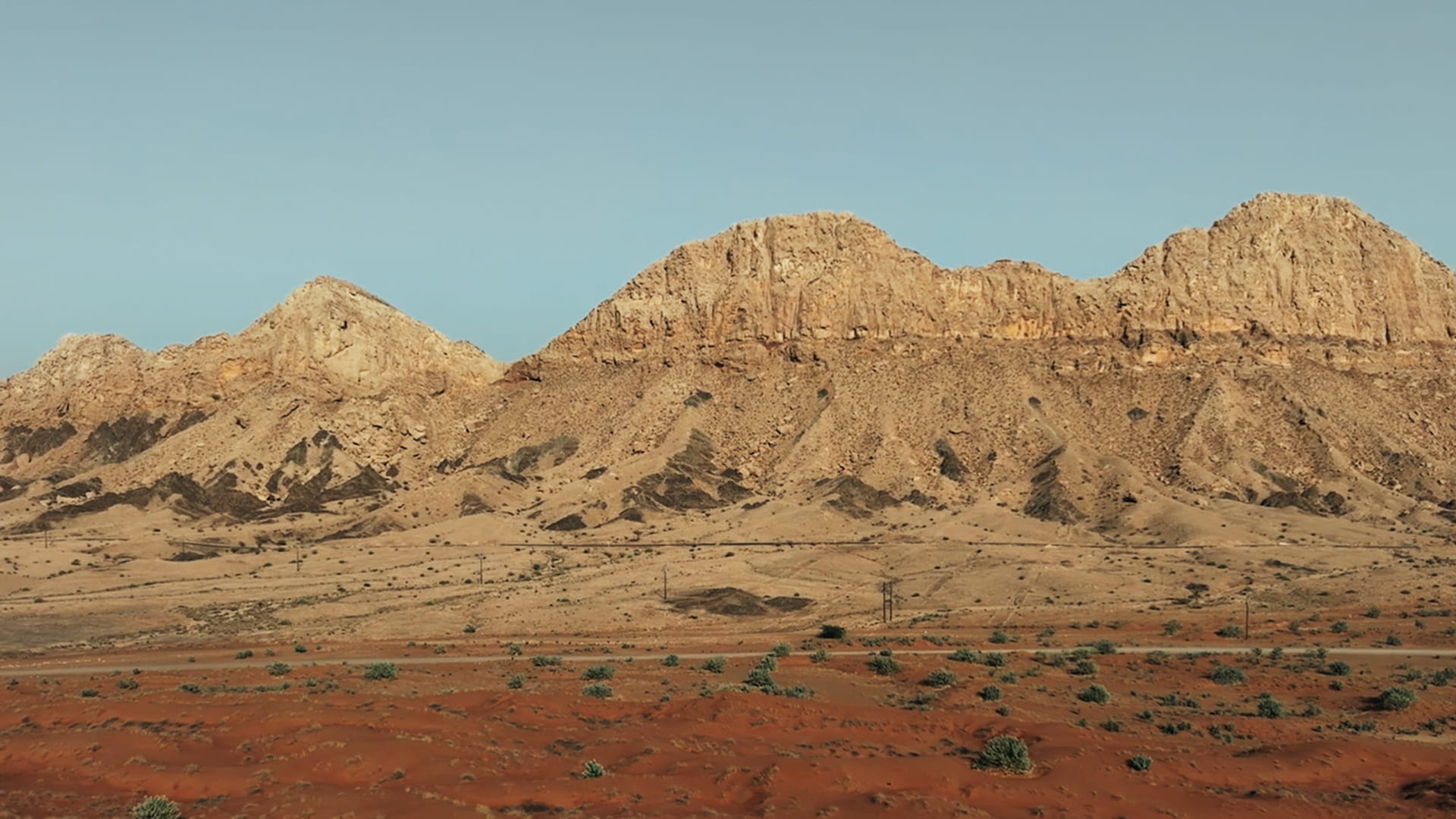
Wadi Al-Helou is considered one of the most prominent archaeological sites associated with the history of copper mining and smelting in southeastern Arabia during the Bronze Age. It provides clear evidence of the early beginnings of metallurgical activity in the region. Located in the eastern part of the Emirate of Sharjah, within the Hajar Mountains, the site contains the remains of ancient mining sites, smelting remains, furnaces, and other artifacts that confirm the practice of this activity thousands of years ago. Archaeological studies indicate that the valley has witnessed continuous human settlement since prehistoric times, and its importance became particularly prominent during the Bronze Age when it became a major source of copper and a centre for its production and trade through extensive regional trade networks, as evidence was found confirming the transfer of copper produced in the region to a number of areas in the Gulf and the Near East.
The prehistoric cultural landscape of Al Faya
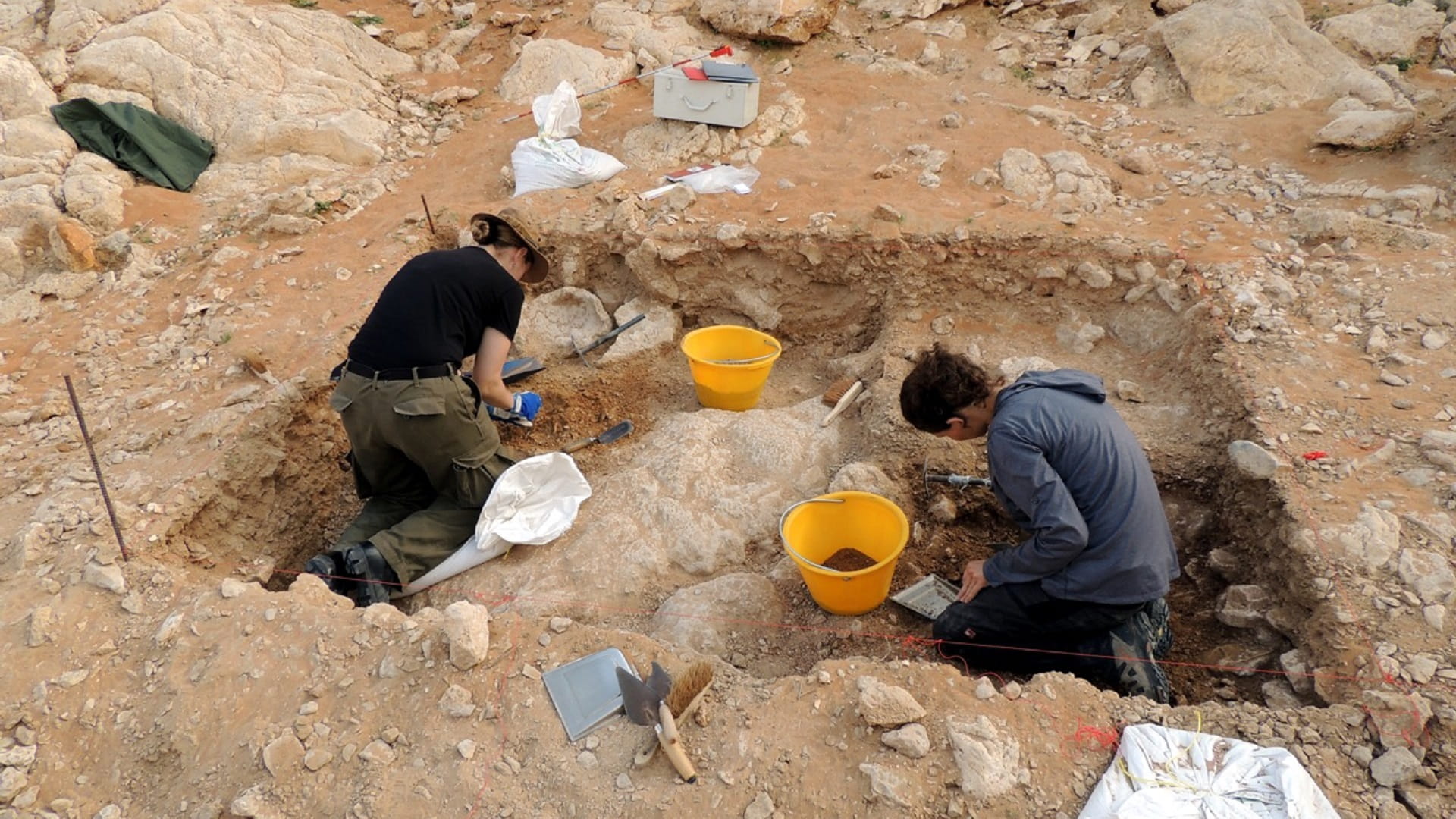
Al Faya site (the prehistoric cultural landscape) represents one of the world's most prominent examples of early human settlement in desert environments. Located in a strategic area between the Arabian Gulf and the Sea of Oman, its archaeological layers, spanning from the Middle Stone Age to the Neolithic period, approximately 210,000 to 6,000 years ago, reveal the ability of early human societies to adapt to climatic changes and utilise natural resources for survival. It also provides important scientific evidence of the southward migration route of modern humans from Africa, giving it exceptional value in understanding the history of human settlement.
The historic area of Al Nahwa
The listed sites also include the mountainous Al Nahwa historical area, which boasts a unique geographical and cultural character within a mountainous enclave in the eastern region of the Emirate of Sharjah. It encompasses a collection of heritage sites that reflect the traditional mountain lifestyle over many centuries. Al Nahwa boasts ancient stone houses, a historic mosque, an Islamic cemetery, watchtowers, prehistoric rock carvings, and mountain passes and trails used by the inhabitants for transportation and trade. The area represents a perfect example of harmony between people and their environment, as the local community has preserved traditional agricultural practices and folk knowledge related to living in the mountainous region.
The Historic towers and forts of Khorfakkan
The list also includes the site of the historic towers and forts in Khorfakkan, which constitute an integrated defensive system that, over the centuries, formed the first line of protection for the city and its natural harbour. These landmarks are scattered along the coastal and mountainous highlands and include Khorfakkan Fort, the Portuguese Fort, and the Al Rabi and Al Adwani towers, which were built in strategic locations to monitor the sea and secure trade and land routes. These fortifications reflect the evolution of defensive architecture in the region and its pivotal role in protecting historical ports and maritime trade networks that connected the Gulf to the Indian Ocean and East Africa. They also possess cultural and architectural value, reflecting the skill of local builders and their adaptation to the coastal and mountainous environment.
The increase in the number of listed sites to 10 strengthens Sharjah's cultural presence. Furthering Sharjah's commitment to preserving its cultural heritage, the inclusion of these sites is an extension of a series of ongoing successes that have seen several historical sites in the emirate registered on the Islamic World Heritage List in recent years. This brings the total number of listed sites to ten, reflecting a sustainable approach to protecting and documenting cultural heritage and enhancing its presence at both the regional and international levels.




 For an optimal experience, please