
Loading...
Loading...

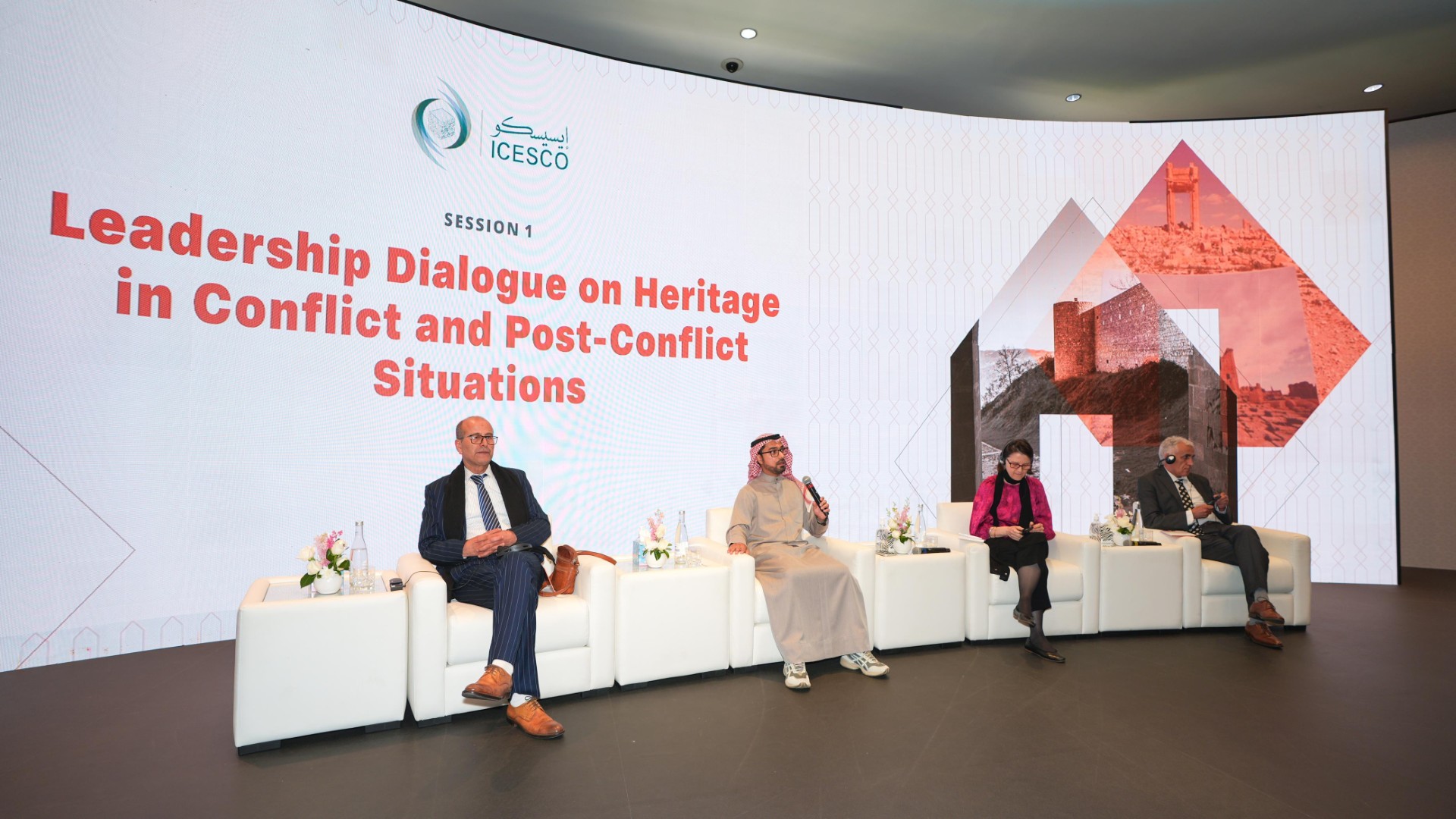
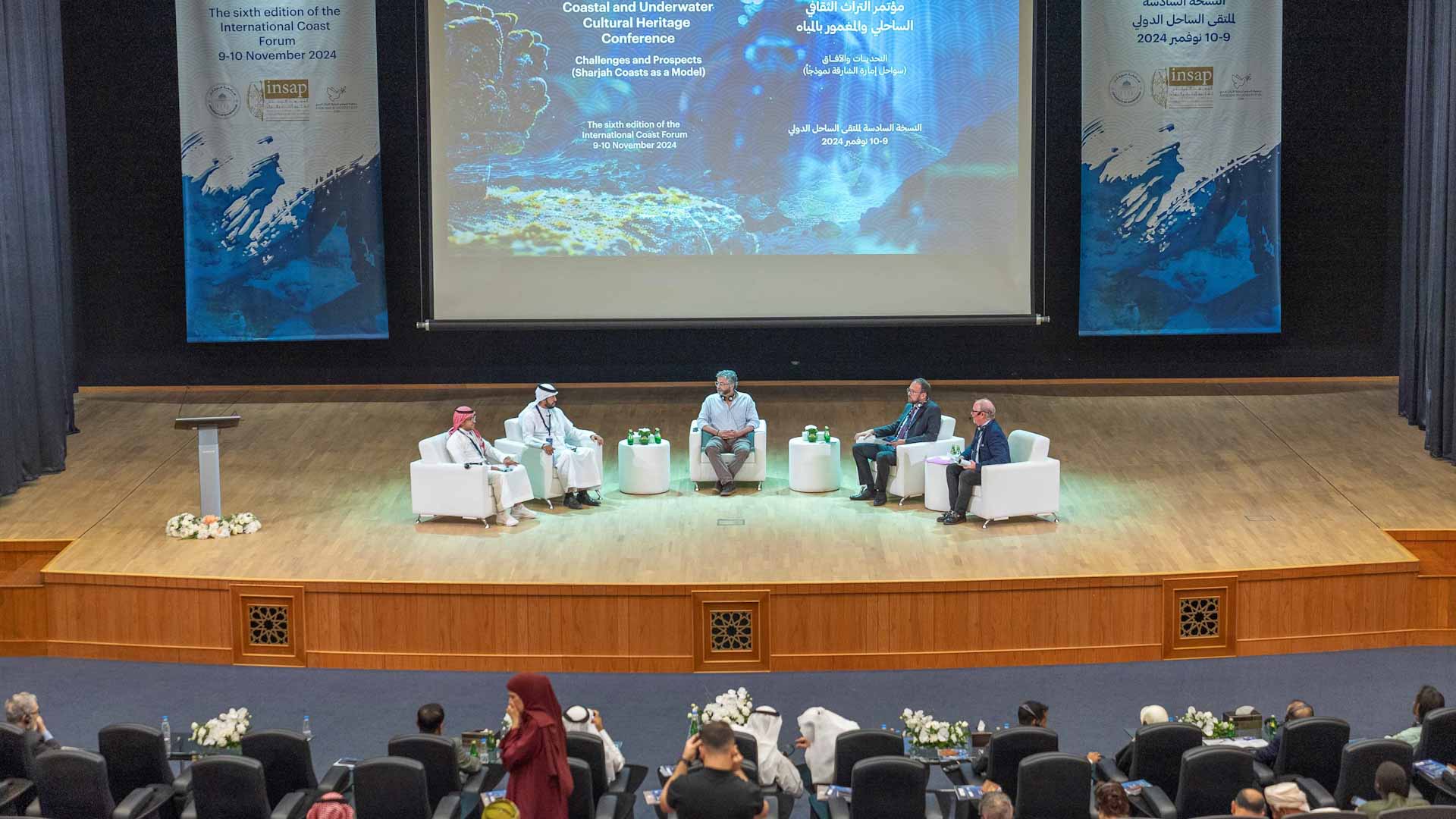
The conference brought together a distinguished assembly of participants, including Her Royal Highness Princess Dana Firas, Vice President of the International Council on Monuments and Sites, and His Excellency Dr. Salem Bin Mohammed Al Malik, Director General of ICESCO. Ministers, senior officials, representatives from international and regional organisations, and specialists from across the Islamic world joined them.
The authority's presentation laid out the mechanics of its risk management and business continuity framework in some detail. The system uses scenario-based planning, business impact analysis, and risk assessment to anticipate challenges before they arise, which strengthens the institution's readiness to respond effectively under any circumstances—whether routine pressures or large-scale emergencies.
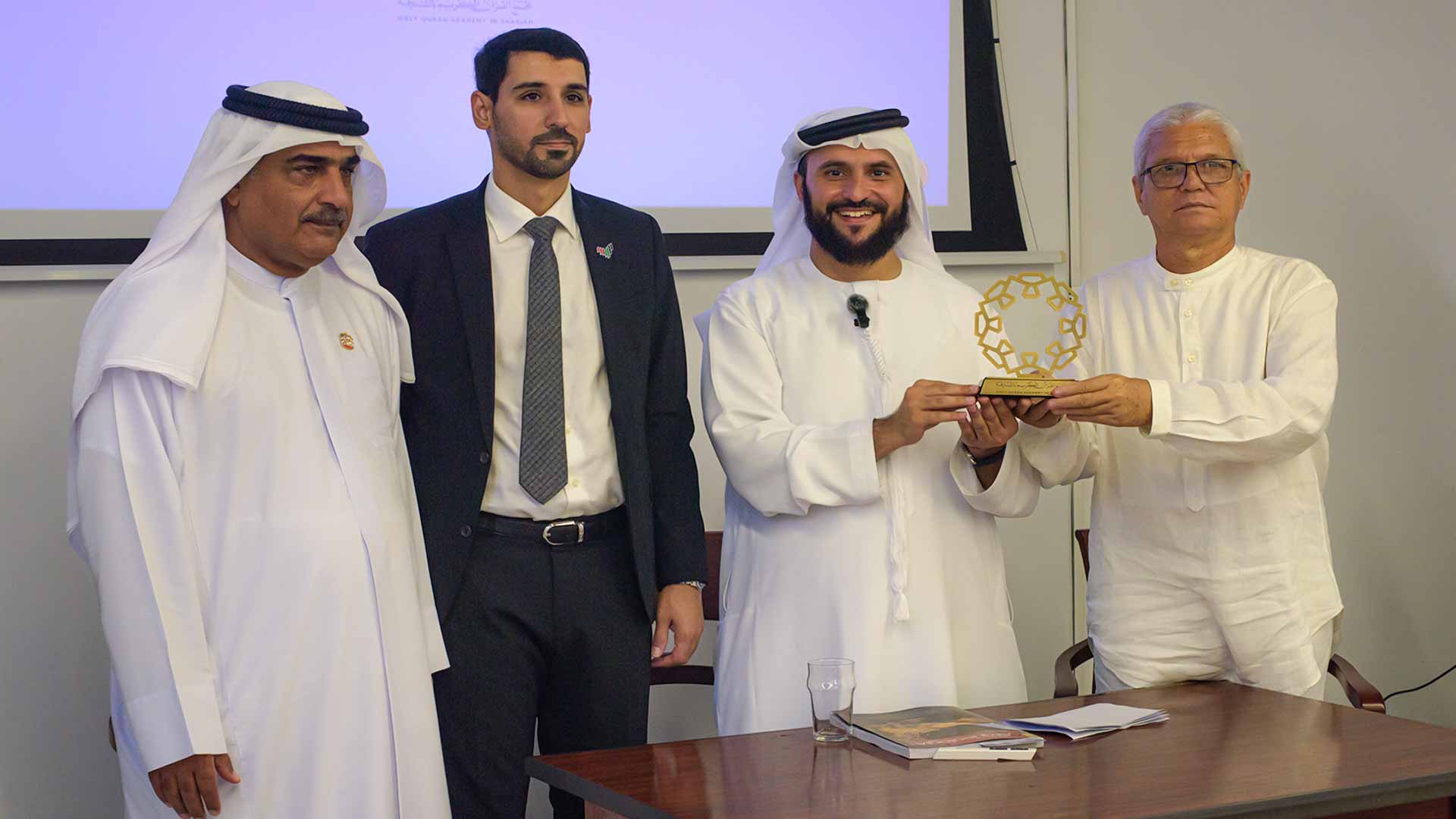
D. Saeed Abdullah bin Yarouf, Director of the Sharjah Archaeology Authority (SAA), said the authority's participation reflected its determination to share Sharjah's heritage protection experience with peer institutions around the world. He pointed to a recent weather event in the emirate as a real-world test of the framework—one that the authorities navigated successfully thanks to the groundwork already in place. "We operate on the basis of proactive, forward-looking planning," he said, "developing integrated operational plans that protect cultural heritage sites and historic areas while keeping vital operations running, whatever the conditions."
The presentation also highlighted how the authority's system for business continuity was developed in close coordination with the National Emergency, Crisis and Disasters Management Authority and the Sharjah Police General Command – a collaboration that reflects the emirate-wide integration of emergency planning efforts and ensures the authority is never working in isolation when a crisis strikes.
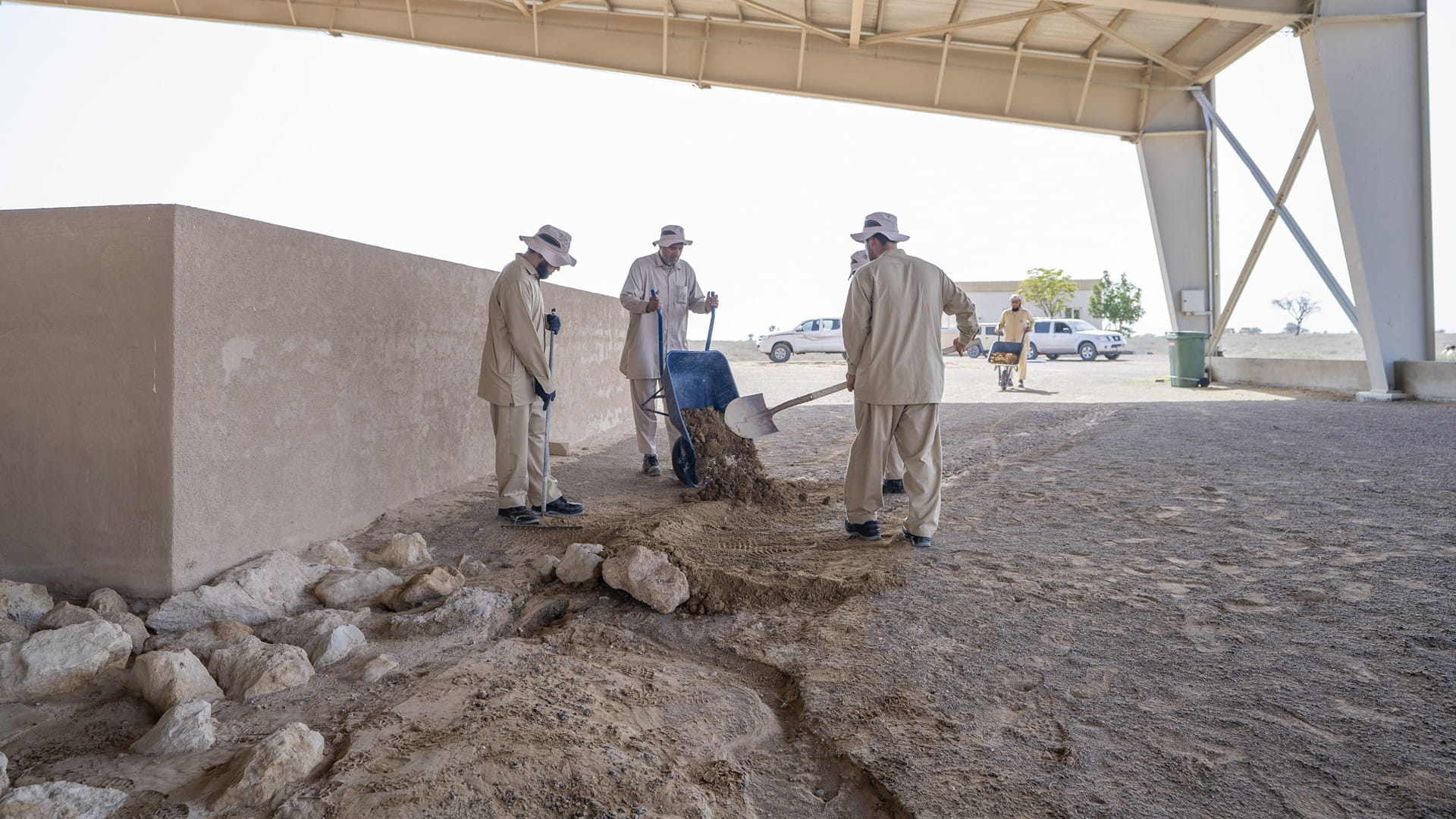
The authority went on to outline a suite of operational plans covering varying levels of severity. These encompass the protection of archaeological assets, the securing of heritage sites, the activation of field response teams, and the implementation of business continuity and disaster recovery plans — all designed to cut downtime and restore normal operations as quickly as possible within agreed timeframes.
Taken together, the authority's participation at Rabat speaks to the maturity of Sharjah's approach to heritage protection – one grounded in preparedness, institutional resilience and joined-up thinking. It also strengthens Sharjah's growing role as a serious and credible voice in the global conversation about how to manage and protect cultural heritage.

 For an optimal experience, please
rotate your device to portrait mode.