
Loading...
Loading...

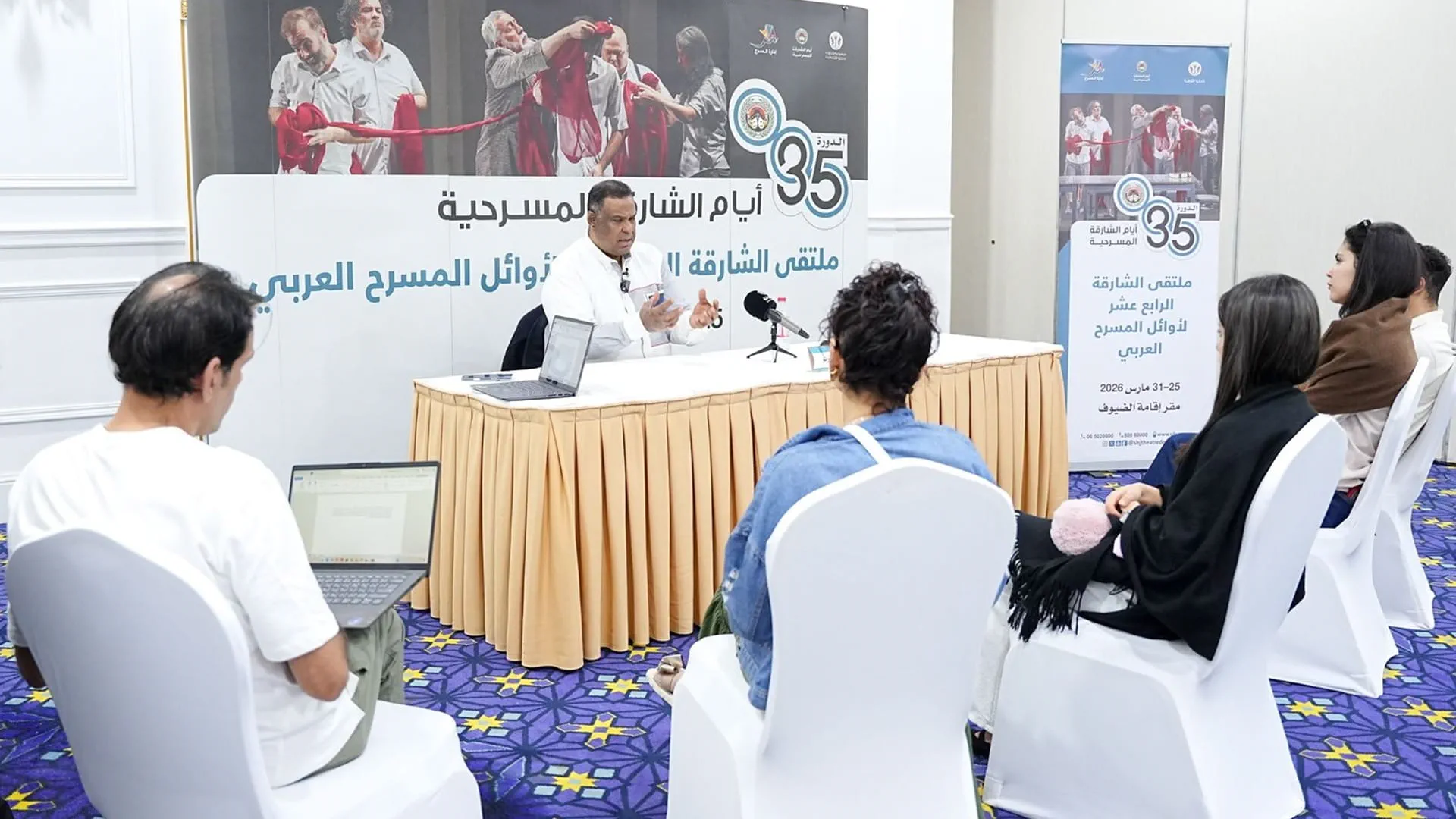
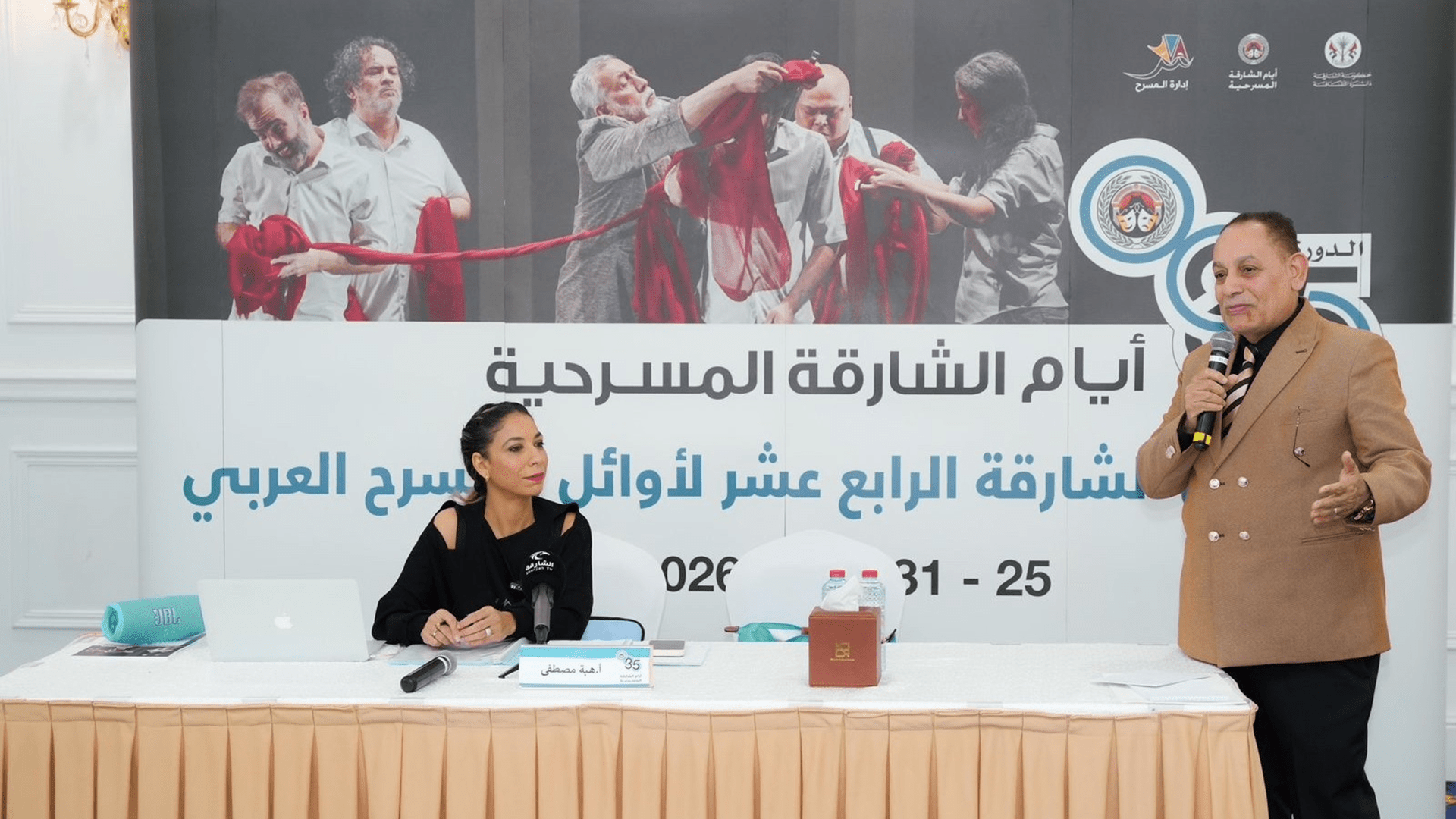
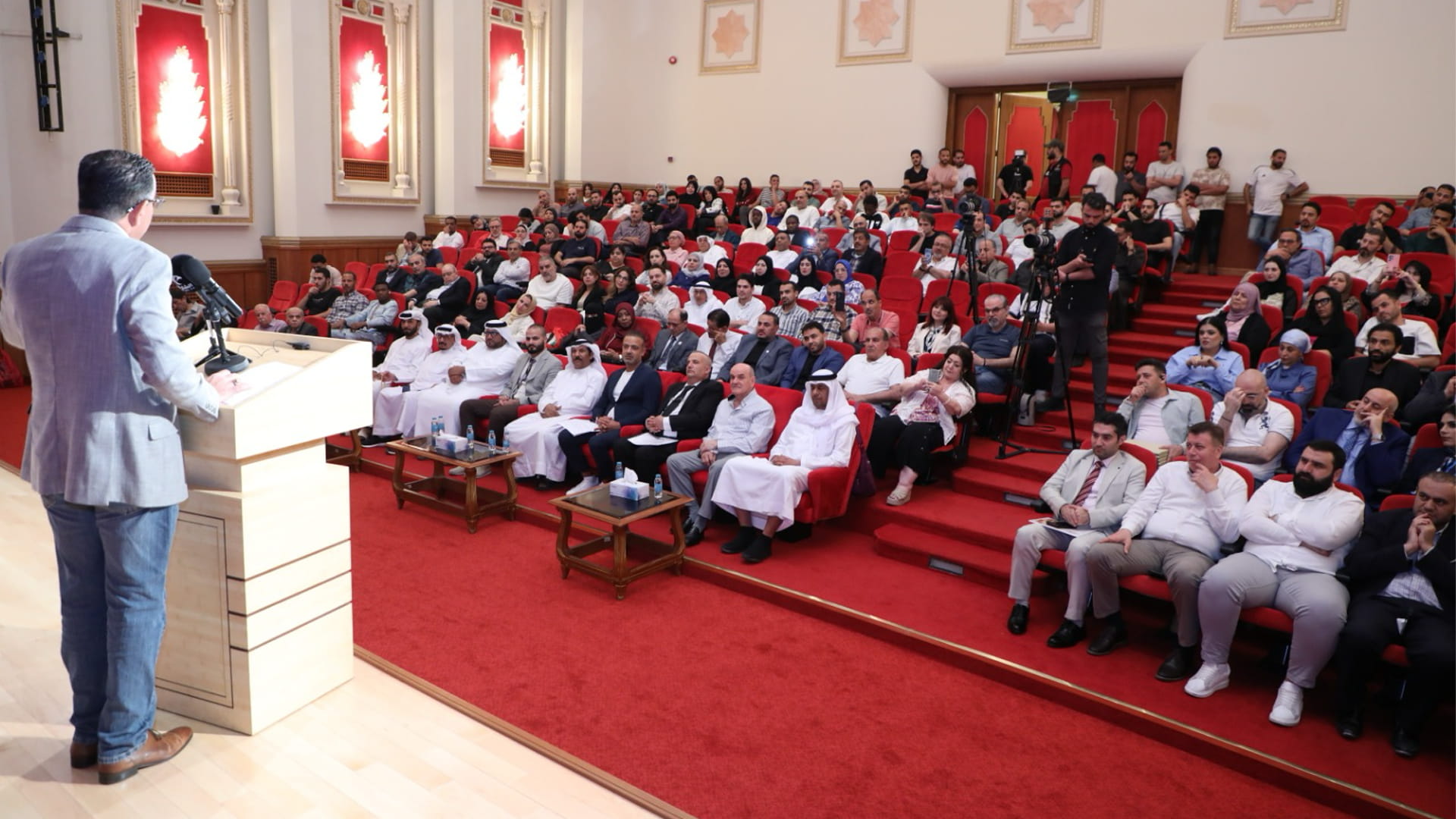
Dr Yaqout opened the session by raising a central question on the distance between the written theatrical text and its staged version, explaining that dramaturgy is not merely adaptation but a creative process that reshapes the text to suit performance while preserving its essence.
He described applied dramaturgy as a sculpting process, seeking balance between maintaining the core of the text and removing elements that hinder its stage realisation. The workshop explored various interventions, including cutting dialogue, merging characters and even removing main roles when required by the artistic vision.
Yaqout highlighted theoretical debates around dramaturgy, noting that it extends beyond text preparation to include all elements of theatrical production, from acting and lighting to scenography, music and audience reception.
Participants engaged in hands-on exercises focusing on techniques such as restructuring scenes, redefining character roles, shifting dialogue perspectives and refining narrative flow to strengthen dramatic coherence and rhythm.
Discussions addressed the relationship between dramaturg and director, with Yaqout emphasising collaboration rather than authority, describing the dramaturg as a research-oriented partner who refines and enhances the artistic vision.
In conclusion, Yaqout stressed that dramaturgy is a vital intellectual tool that organises meaning within theatrical work, enabling creators to connect text, performance and audience effectively.

 For an optimal experience, please
rotate your device to portrait mode.