
Loading...
Loading...

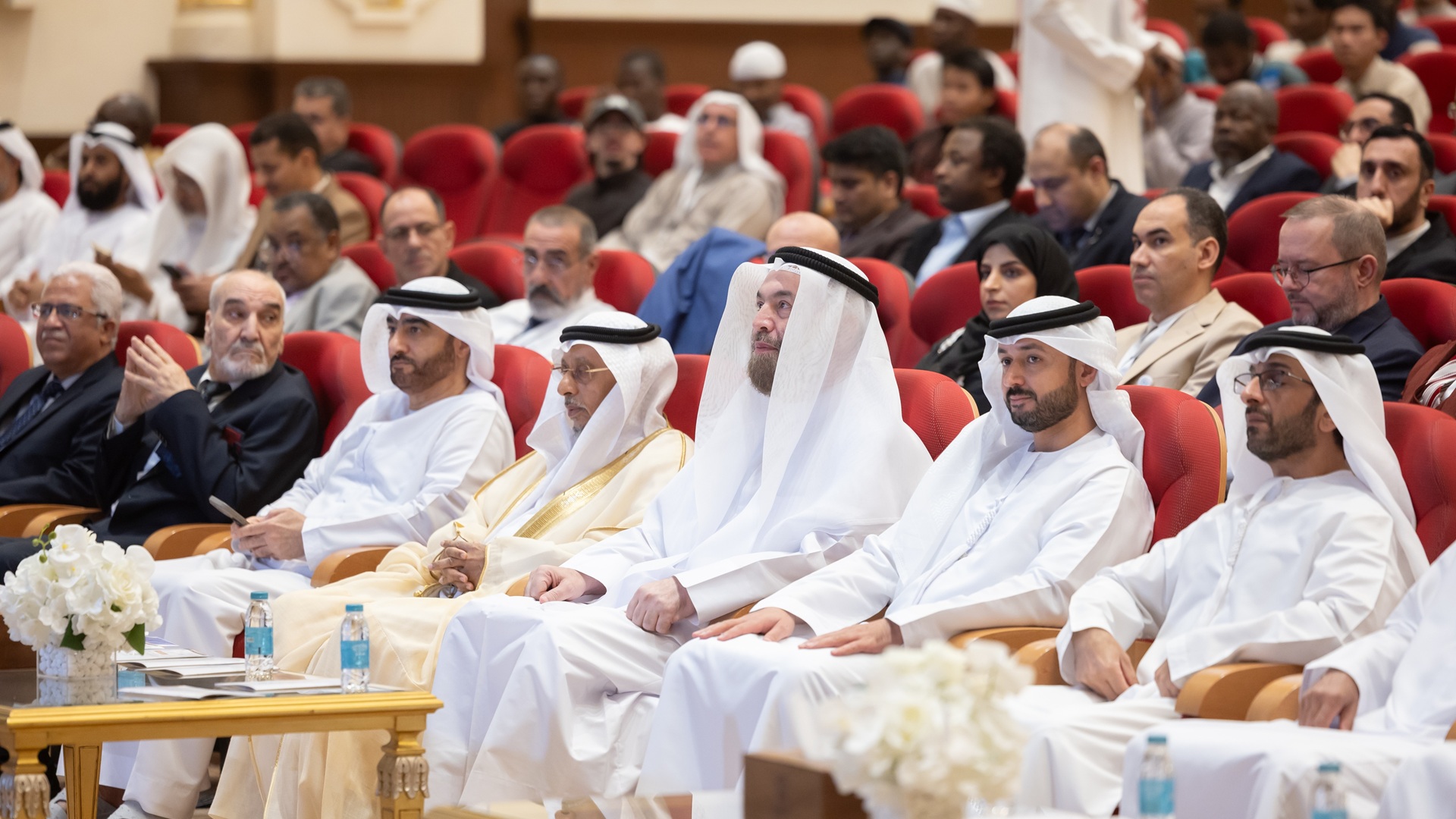
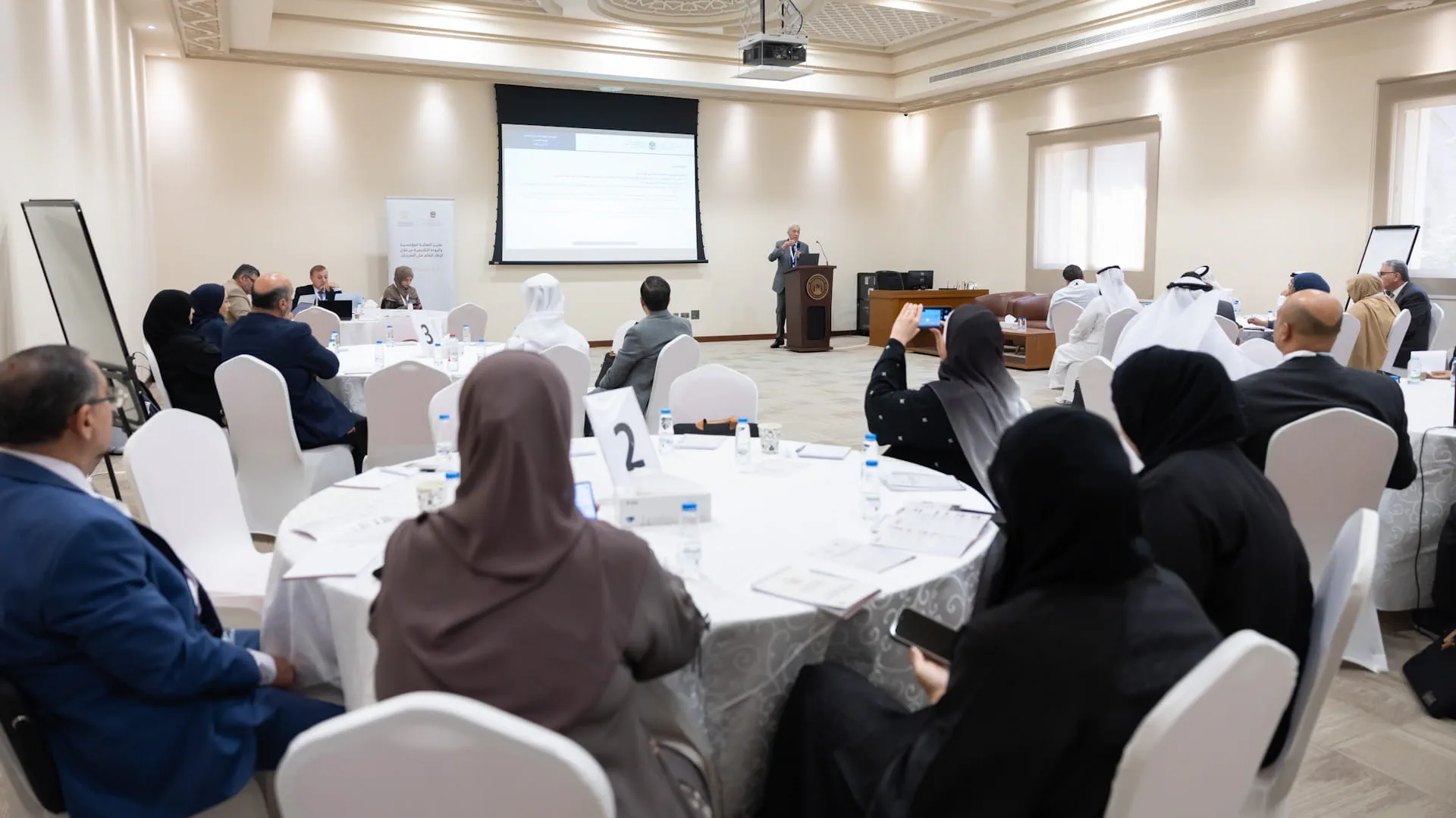
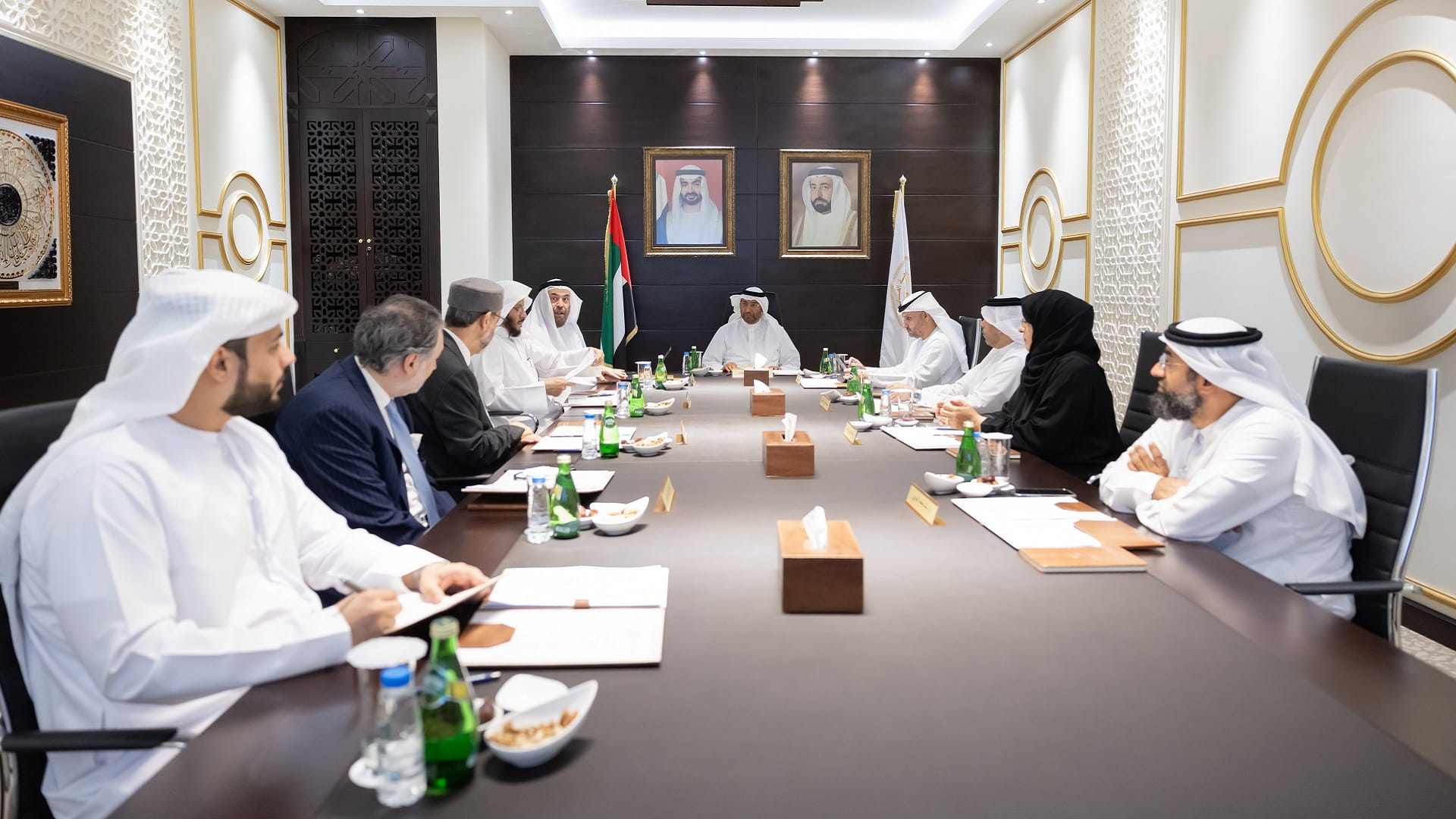
Held under the theme “The Societal Impact of Humanities: Contemporary Visions and Practices", the two-day conference has drawn 90 researchers representing 23 nationalities and 45 academic institutions, reflecting its growing international reach and relevance.
Enhancing the role of humanities
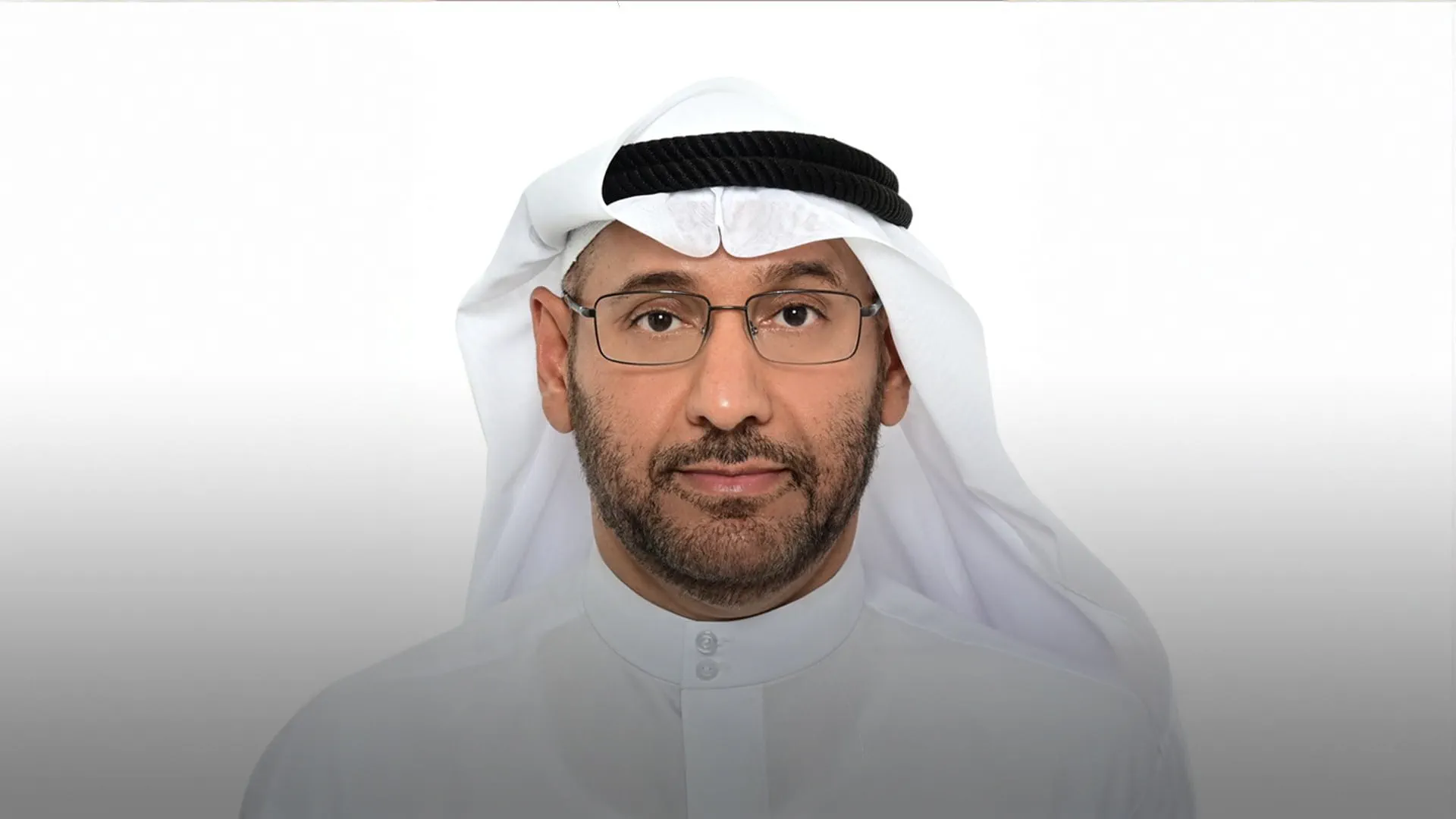
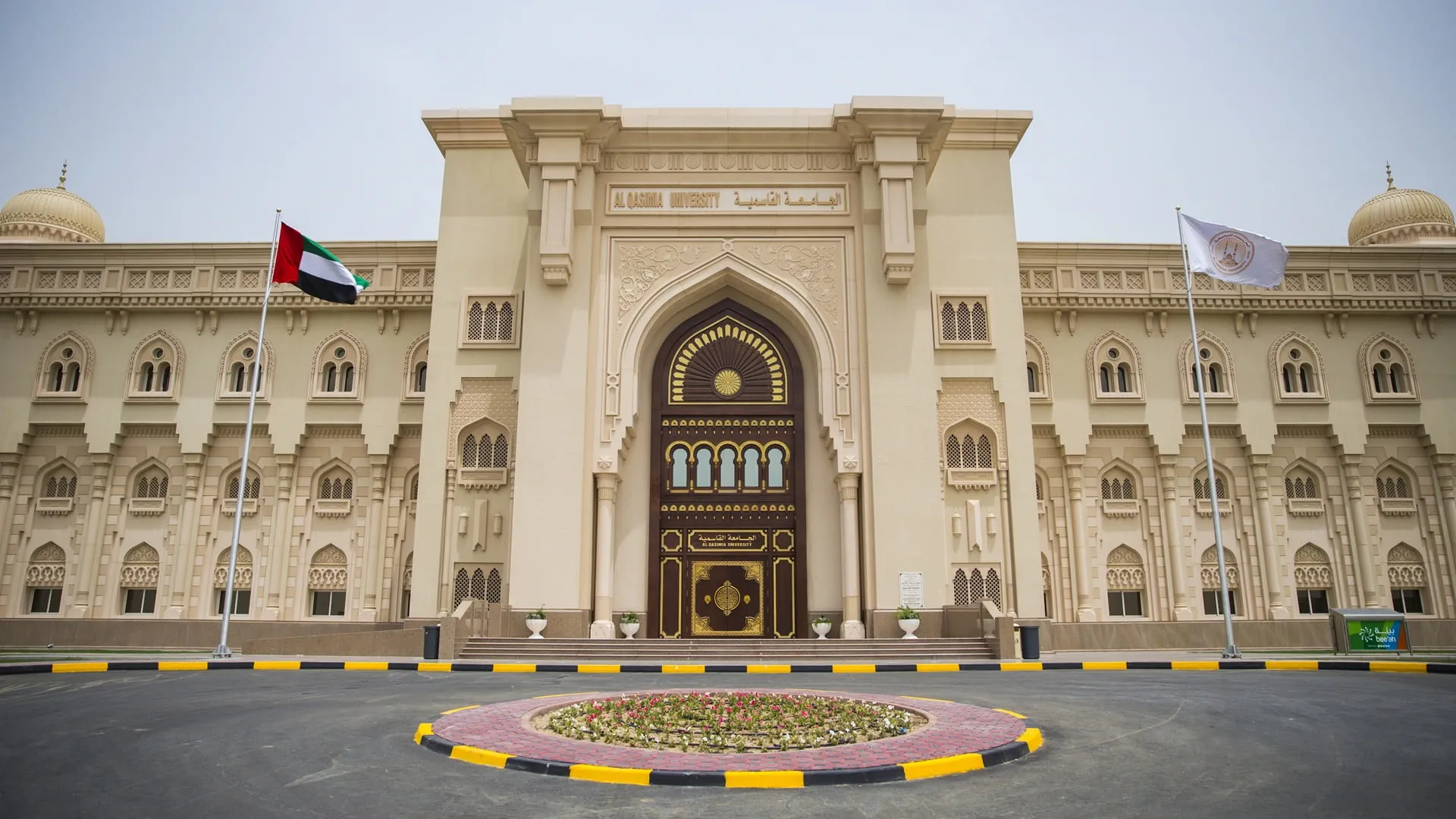
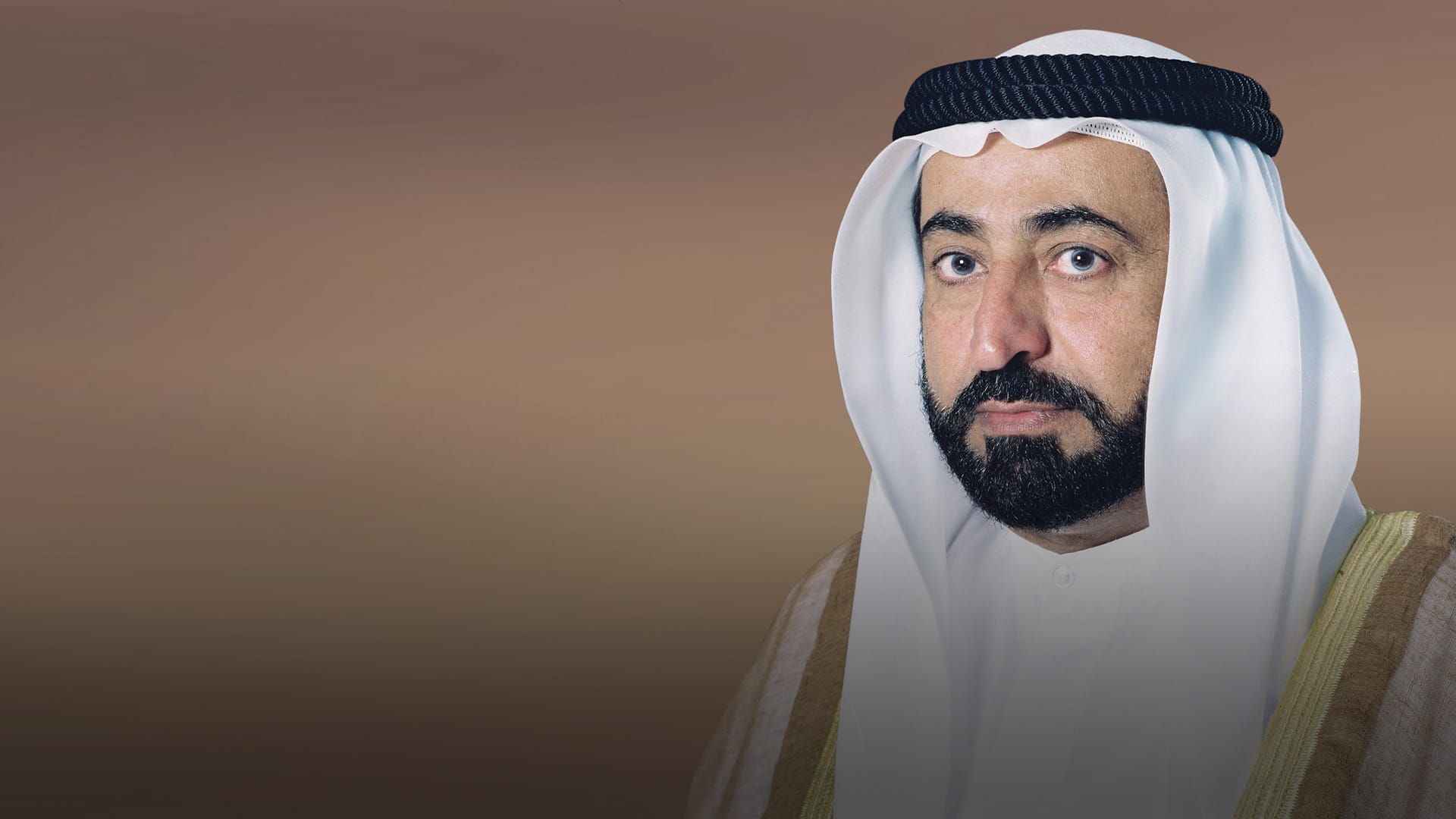
Professor Dr Awad Al Khalaf, Director of Al Qasimia University, said the event reflects the vision of the Sharjah Ruler in reinforcing the importance of the humanities as a foundation for human development and social cohesion.
He said that these areas are important for helping people figure out who they are, strengthening shared values, and promoting peace in communities, especially in a world that is changing quickly.
He went on to say that science and technology are responsible for a lot of the progress that has been made recently, but the humanities are what give that progress meaning by providing a moral and cultural compass.
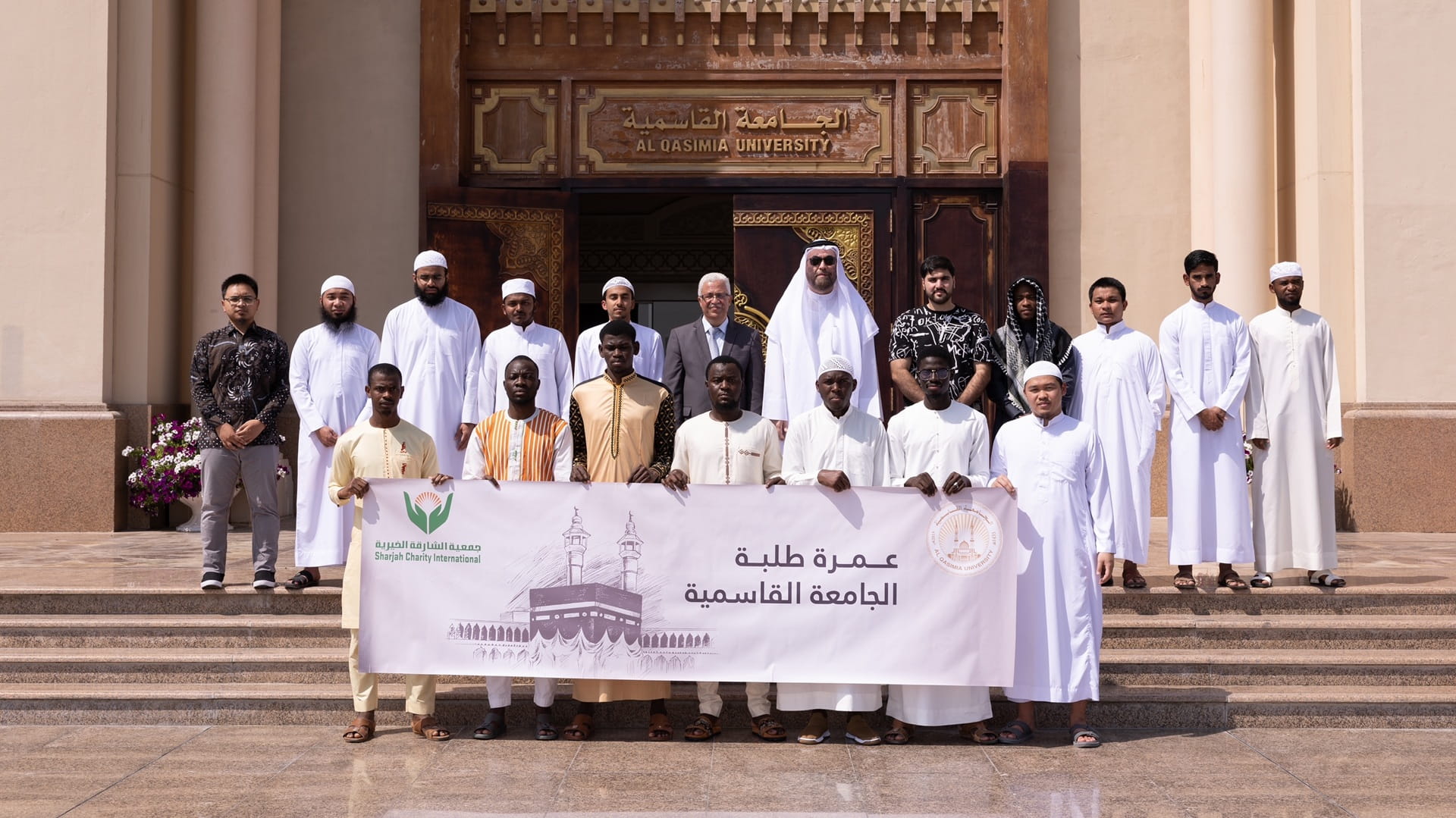
This approach is fundamental to the university’s programmes, which embrace students from around the world and seek to foster values of moderation, openness, and respect for diverse cultures.
Platform for global academic dialogue
The conference convenes scholars from around the globe to exchange ideas across a diverse range of disciplines, including Islamic studies, Arabic language and literature, history, media, economics, and education. The sessions concentrate on practical approaches for leveraging research in the humanities to address real-world challenges and promote sustainable development. This includes tackling social inequalities, enhancing cultural understanding, and fostering community engagement, which are essential for promoting values, awareness, and social stability in society.
Values, awareness and social stability
Dr Ahmed Al Haddad, Senior Mufti and Director of the Ifta Department at the Dubai Department of Islamic Affairs and Charitable Activities and a member of the UAE Council for Fatwa, discussed how Islamic sciences can aid individuals in making moral decisions and ethical choices in their daily lives. He stated that they are crucial for achieving social harmony and stability because they offer a framework for ethical behaviour and community engagement, which in turn fosters mutual respect and understanding among individuals.
Counsellor Dr Issa Saif Ahmed bin Hanzel, the Chairman of the Department of Islamic Affairs (DIA) and a member of the Sharjah Executive Council, said that today’s challenges are no longer purely about knowledge but are increasingly linked to values, awareness and sound judgement, stressing the need to build balanced and well-informed individuals.
Building awareness
Dr Issa Saif bin Hanzal, who is the head of the Sharjah Department of Islamic Affairs and a member of the Sharjah Executive Council, said that today's problems are not just about knowledge anymore; they are also about values, awareness, and balance. He stressed the need to raise people who can think clearly and make beneficial decisions.
He also said that combining the roles of schools and churches is important for reaching this goal and keeping society stable. This is due to the vital role both institutions play in imparting values and fostering community engagement.
He stressed the importance of understanding individuals' worldviews, particularly in the context of the AI era.
Human perspective in the age of AI
Dr Lee In Sup, a professor in the Department of Arabic Translation at Hankuk University of Foreign Studies in Seoul, South Korea, emphasised that despite the rapid advancement of artificial intelligence, the human aspect of knowledge—shaped by culture, experience, and intuition—remains essential.
The conference is being held both in person and online, enabling wider participation and discussion. Over the course of two days, the sessions will continue, concluding with a final statement that sets out key recommendations to enhance the role of the humanities in society and ensure they keep pace with contemporary development.

 For an optimal experience, please
rotate your device to portrait mode.