
Loading...
Loading...

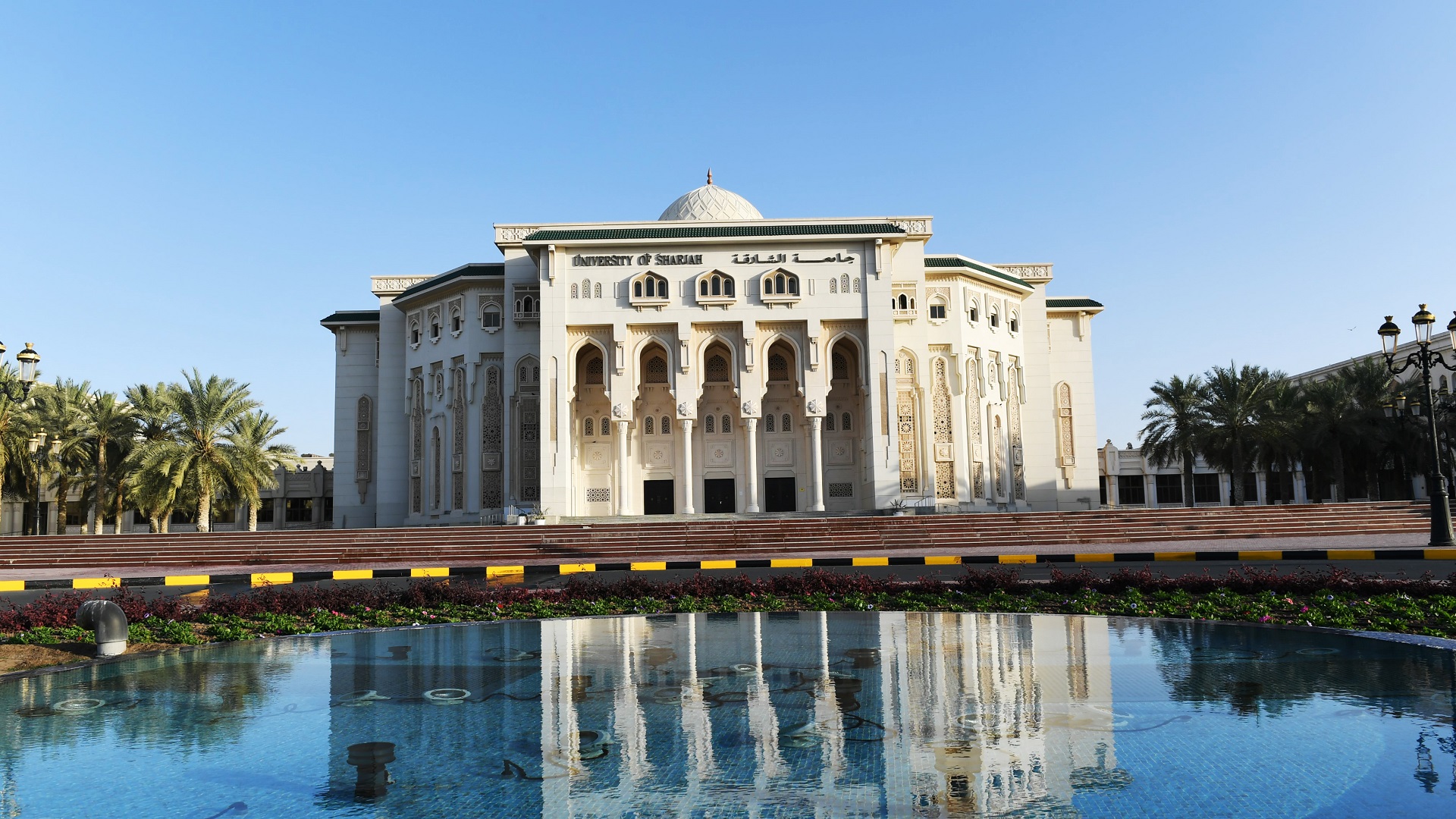
Organised by the College of Sharia and Islamic Studies through its Forum for Intellectual Security in Islam, the conference brought together a distinguished gathering of academics, researchers, and specialists from across the UAE and beyond, reflecting the University's broader commitment to advancing intellectual awareness and confronting the mounting challenges of the digital environment.
The conference, titled "Safeguarding Intellectual Security in Social Media from the Perspective of Islamic Sciences and the Humanities," set out to examine the complex questions surrounding intellectual security in a world increasingly shaped by the reach and influence of social media platforms. At its core, the event sought to develop comprehensive, evidence-based approaches to addressing intellectual challenges by drawing on an integrated set of disciplinary perspectives, spanning Islamic jurisprudence, law, education, and media studies.
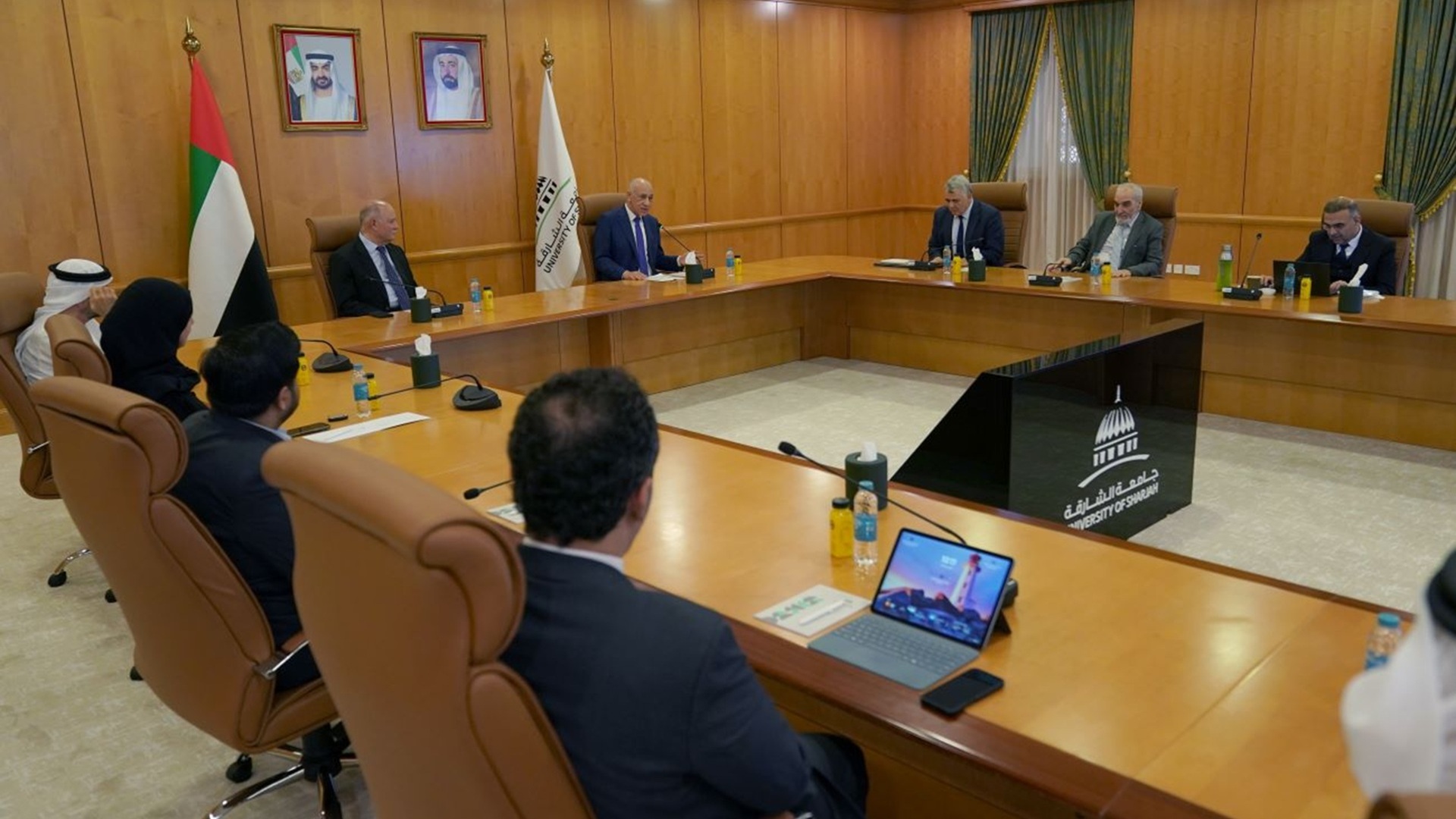
UOS Chancellor, His Excellency Professor Dr Issam Al-Din Ibrahim Ajami praised the UAE's pioneering role in regulating the digital space and promoting responsible discourse online, underscoring the timeliness and importance of the conference's themes in a rapidly evolving information landscape.
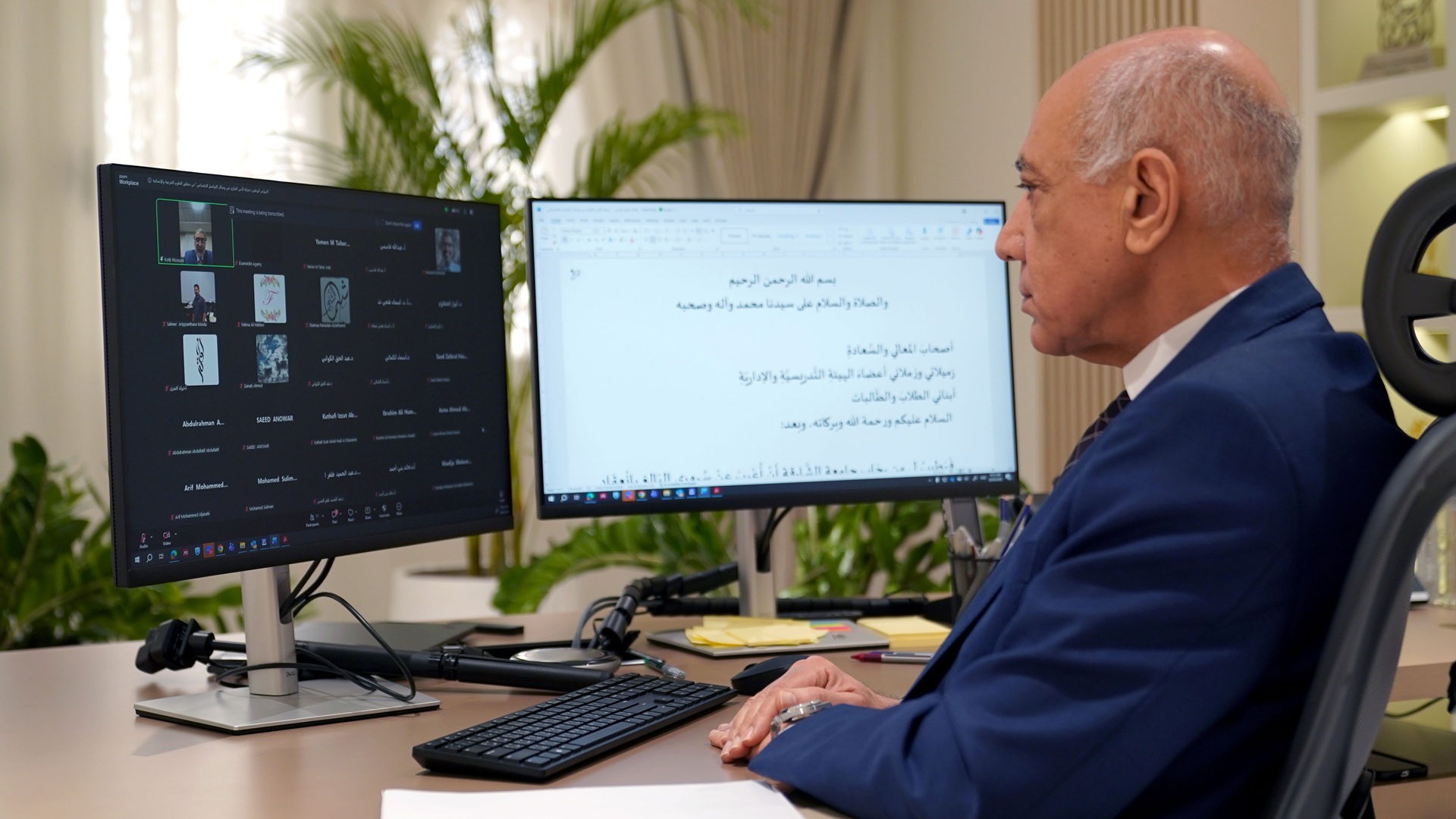
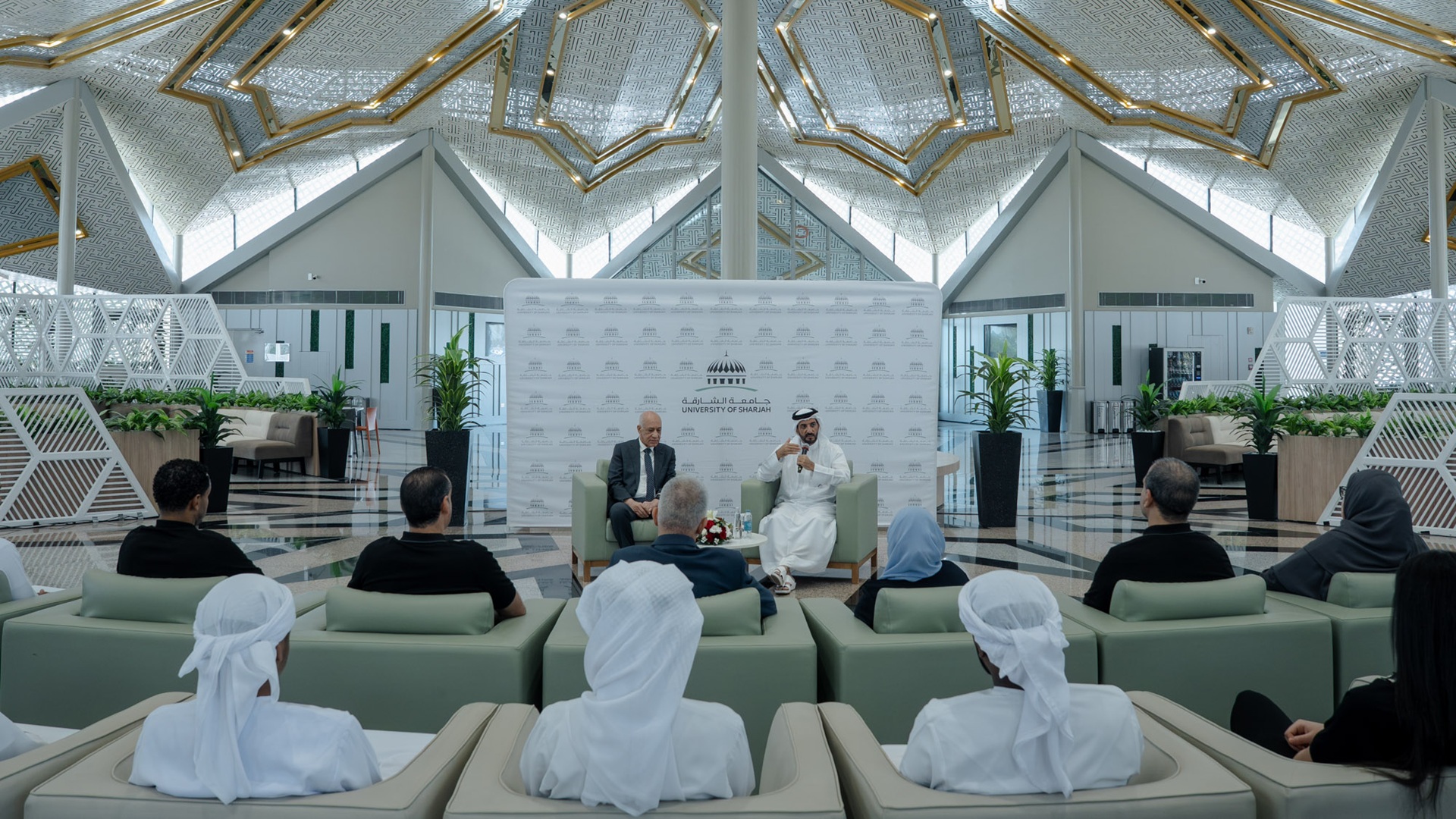
In his address at the opening session, Prof. Agamy stressed that, guided by the vision of His Highness Sheikh Sultan bin Ahmed Al Qasimi, Deputy Ruler of Sharjah, and President of the University, the choice of the conference's theme reflects the University's commitment to engaging with vital issues that bear directly on the realities of contemporary societies. He emphasised the institution’s dedication to entrenching the values of moderation and balance enshrined in Islamic law, and to promoting responsible discourse across digital platforms. Prof. Agamy also noted that safeguarding intellectual security on social media has become an urgent necessity in an era of sweeping digital openness, given its direct influence on shaping the ideals and values of young people and on the stability of societies, particularly in light of the destructive ideas that some platforms may propagate, and which must be confronted with awareness, scientific rigor, and methodological discipline.
Prof. Ajami further stressed that the conference was addressing the most significant challenges posed by the content circulating on social media and exploring the means to safeguard digital discourse while strengthening its professional and ethical standards. He also praised the UAE's pioneering experience in enacting legislation that promotes moderation, regulates digital space, and preserves societal stability and its foundational values.
Prof. Kotb Rissouni, Dean of the College of Sharia and Islamic Studies, spoke on the conference's broader preventive and corrective purpose, emphasising the critical importance of verifying circulating content, countering extremist ideas and rumors, and promoting the values of moderation and balance. He noted that through the college's academic programmes and the initiatives of the Forum for Intellectual Security in Islam, UOS is actively building a knowledge framework designed to fortify society intellectually, advance a culture of moderation, and support sustainable development, thus strengthening the community's resilience in the face of ideas that seek to undermine rather than build.
In his turn, Dr Abdulrahman Abdul Latif, Director of the Forum for Intellectual Security in Islam, underlined that intellectual security has today become a civilisational necessity no less vital than physical security. While social media offers unparalleled opportunities for the dissemination of knowledge, he warned that in the absence of awareness and proper safeguards, these same platforms can become fertile ground for the spread of doubt and intellectual deviation. Addressing this reality, he argued, demands the coordinated efforts of educational, media, and community institutions working together to protect minds and cultivate informed, discerning judgment among the younger generation.
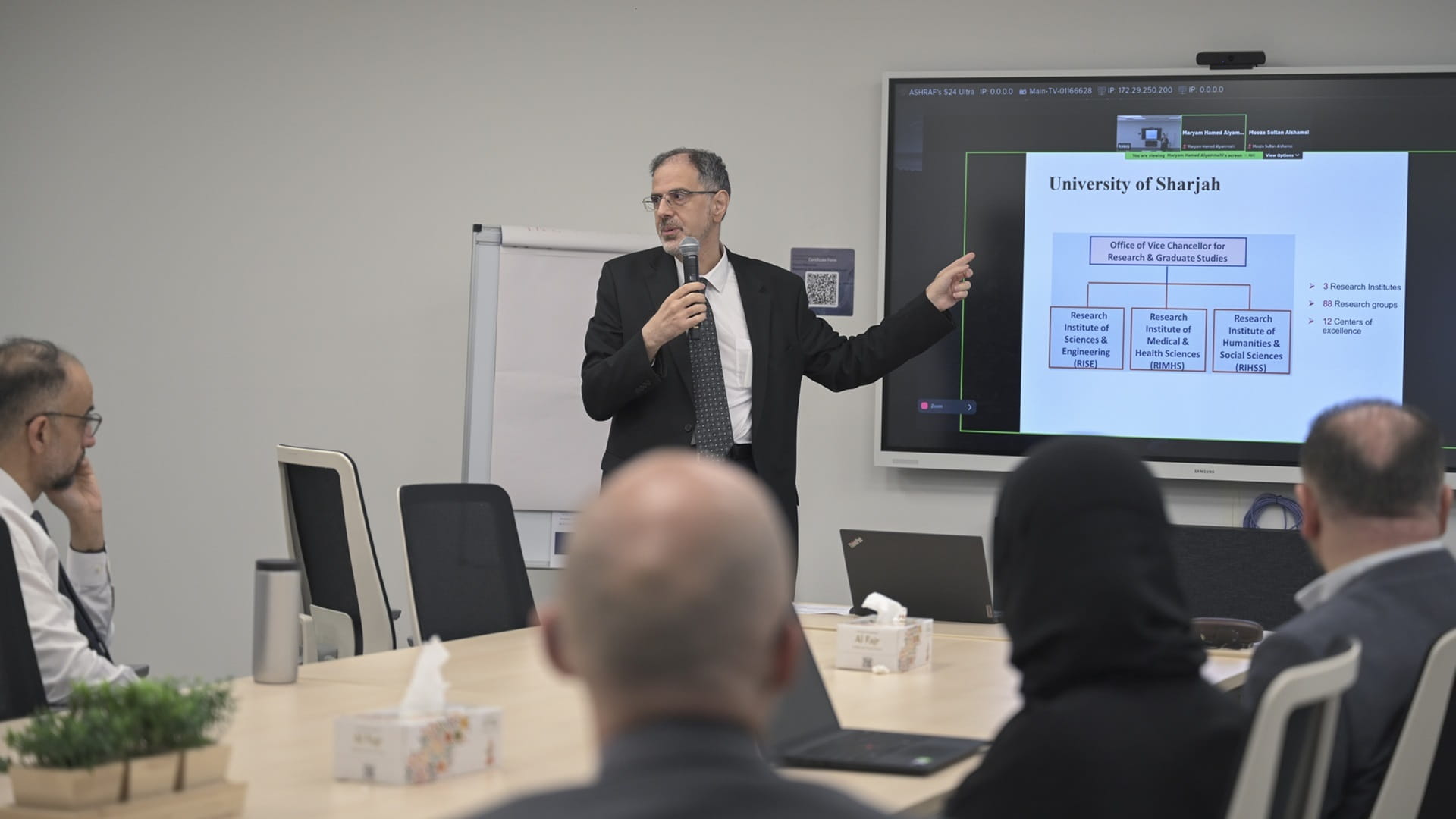
The conference featured a distinguished academic programme spanning five specialised sessions conducted remotely via Zoom, each probing a distinct dimension of intellectual security in the digital age. The first session opened the scholarly conversation by examining the challenges posed by intellectual content on social media, addressing the concept of content creation and its ethical and jurisprudential boundaries, the challenges surrounding religious discourse in digital spaces, and the role social media can play in countering intellectual doubt and misconception in the modern era.
The second session turned its attention to the mechanisms of safeguarding intellectual security, with a particular focus on the standards governing the reception of knowledge and their role in limiting the spread of misinformation. Participants explored the Islamic jurisprudential frameworks available for safeguarding intellectual security, examined the methodology of digital verification as a primary tool for countering rumors, and highlighted the role of the Prophetic tradition (sunnah) in cultivating awareness and guarding against intellectual deviation.
The third session continued this theme, offering integrated perspectives on how to navigate digital content responsibly. Drawing on jurisprudential concepts such as "gradual approximation toward correctness," speakers underscored the importance of developing a balanced religious discourse capable of keeping pace with the shifting realities of the digital age and contributing to the consolidation of intellectual stability within society.
The fourth session approached the subject from deeper analytical angles, examining how the jurisprudence of consequences -the study of the likely outcomes of religious rulings and debates- can be applied to managing doctrinal discussions on digital platforms. Participants also addressed the responsibilities of scholars and academic institutions in countering ideological infiltration through electronic channels and highlighted the pivotal role of the family unit in providing intellectual fortification and instilling positive values in individuals, particularly given the growing influence of digital content on younger generations.
The final session brought a comparative dimension to the proceedings, surveying the experiences of Arab and Islamic countries in ensuring intellectual security and spotlighting the UAE's own efforts in regulating digital content. Participants examined the influence of social media personalities and new media actors in shaping public attitudes and fostering societal awareness in ways that reinforce the values of moderation and coexistence.
The conference concluded with a closing session devoted to presenting its recommendations, which emphasised the importance of deepening integration between educational, media, and religious institutions, and called for the development of scientifically grounded digital awareness strategies capable of protecting intellectual security and keeping pace with the rapid transformations reshaping the digital landscape.
The conference reflects the College of Sharia and Islamic Studies' ongoing commitment to its academic and research mission in service of society which focuses on advancing scholarly initiatives that build sound intellectual awareness and strengthen a framework of positive values in the face of the challenges of the contemporary digital world.

 For an optimal experience, please
rotate your device to portrait mode.