
Loading...
Loading...

The country currently has some of the highest electricity prices globally due to a market structure in which gas often determines overall pricing. This issue intensified following the war in Ukraine and has been further impacted by the Iran conflict. Domestic energy bills are expected to rise by more than 10% from July, as wholesale gas prices remain about 30% higher than pre-conflict levels, putting pressure on the government’s pledge to cut costs.
To address this, the government plans to offer voluntary long-term contracts to existing low-carbon generators not already on fixed pricing, potentially covering around one-third of the country’s power supply. Electricity prices are currently set every 30 minutes based on the most expensive source needed to meet demand—meaning gas can set the price even if it contributes only a small share.
Officials noted that gas has already declined from setting electricity prices around 90% of the time in the early 2020s to about 60% today. Energy Secretary Ed Miliband said the country must transition from fossil fuel dependence to clean energy security.
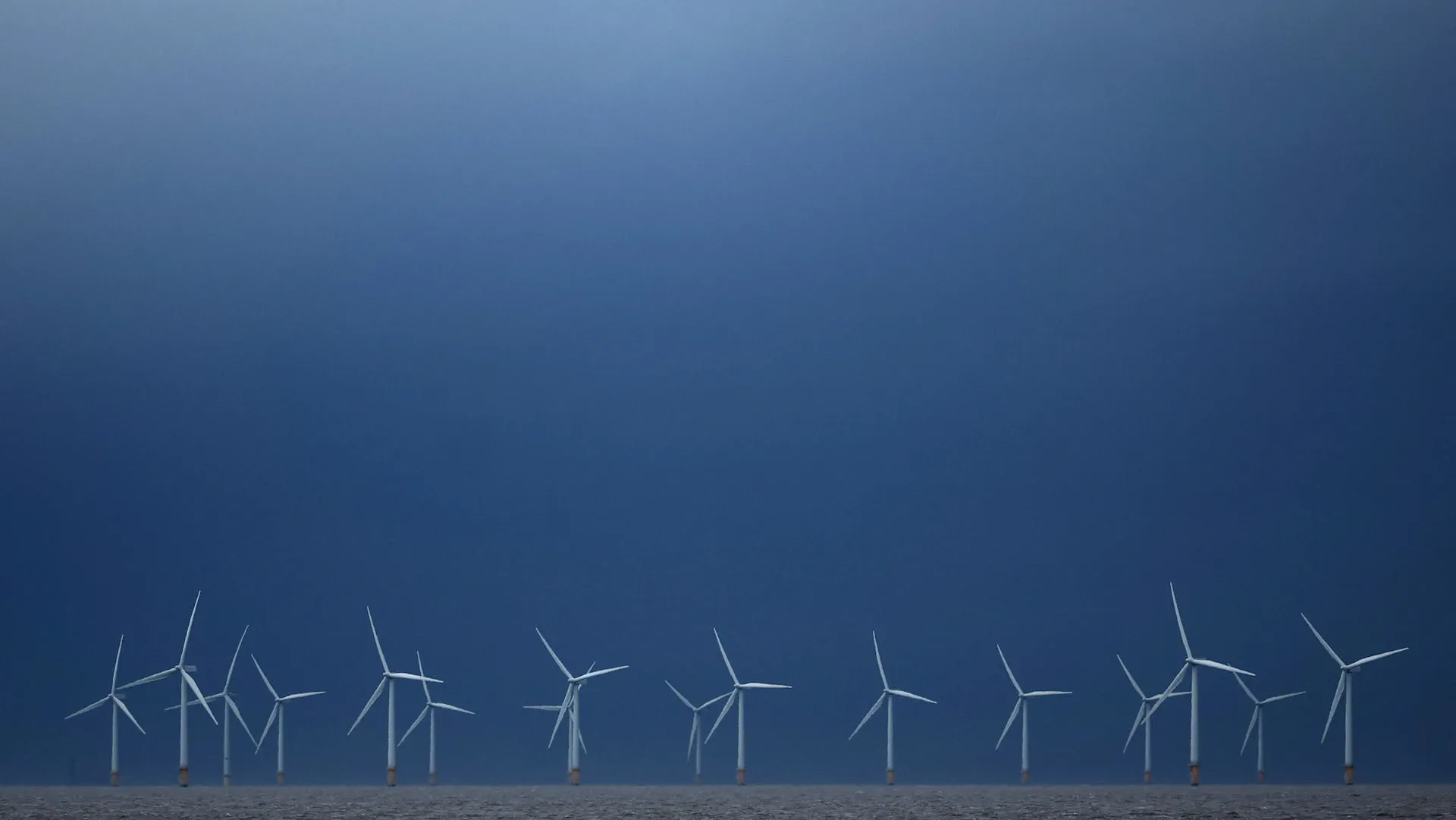
The government will raise the Electricity Generator Levy from 45% to 55% to capture excess profits from renewable producers during price spikes. It also plans to open public land, including industrial and railway sites, for renewable energy projects, potentially adding up to 10 gigawatts of new capacity.
Further measures include reforming planning and land-use rules to accelerate grid connections and infrastructure upgrades, as well as making it easier for renters and apartment residents to install electric vehicle chargers, solar panels, and heat pumps.

 For an optimal experience, please
rotate your device to portrait mode.