
Loading...
Loading...

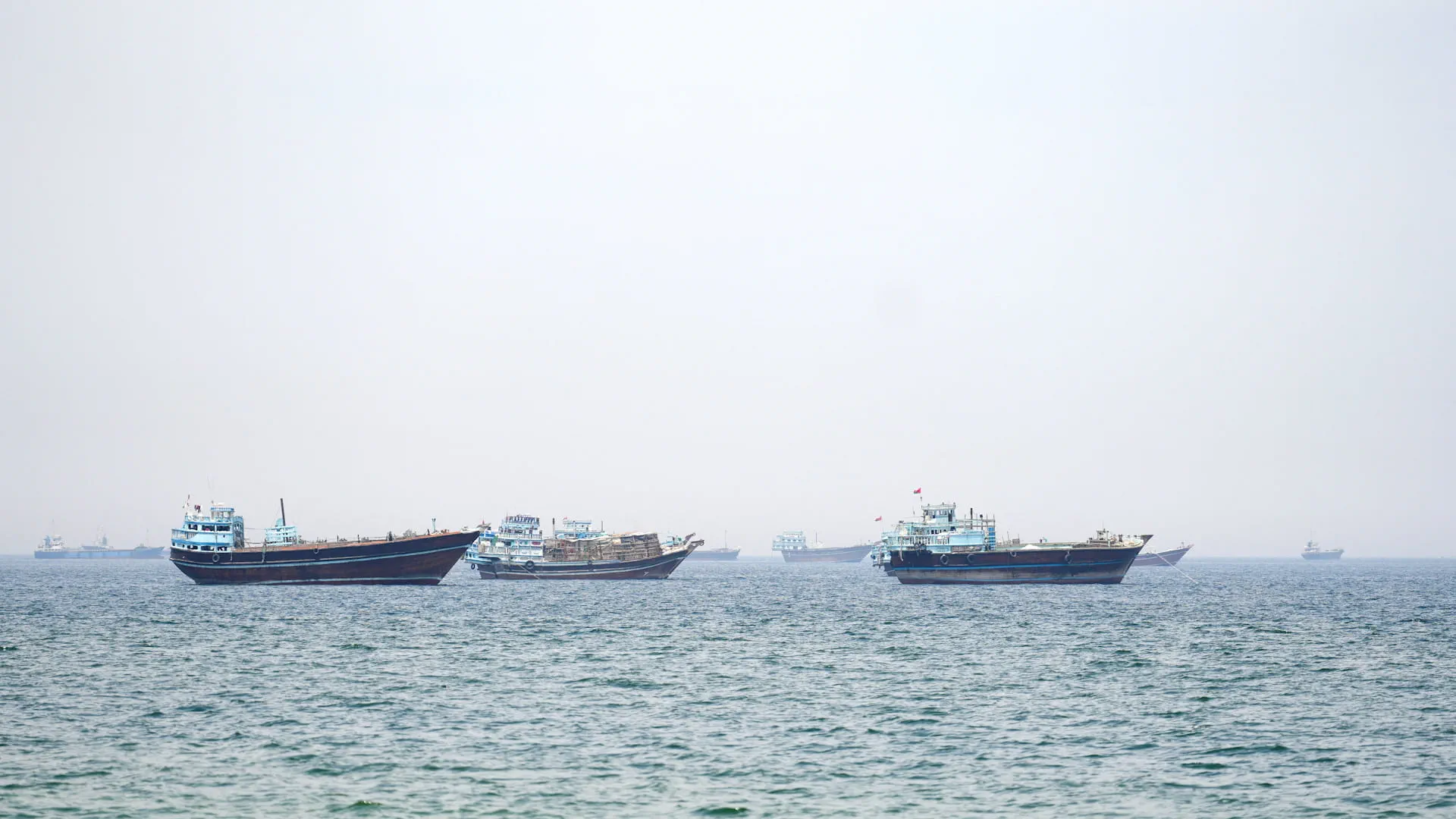
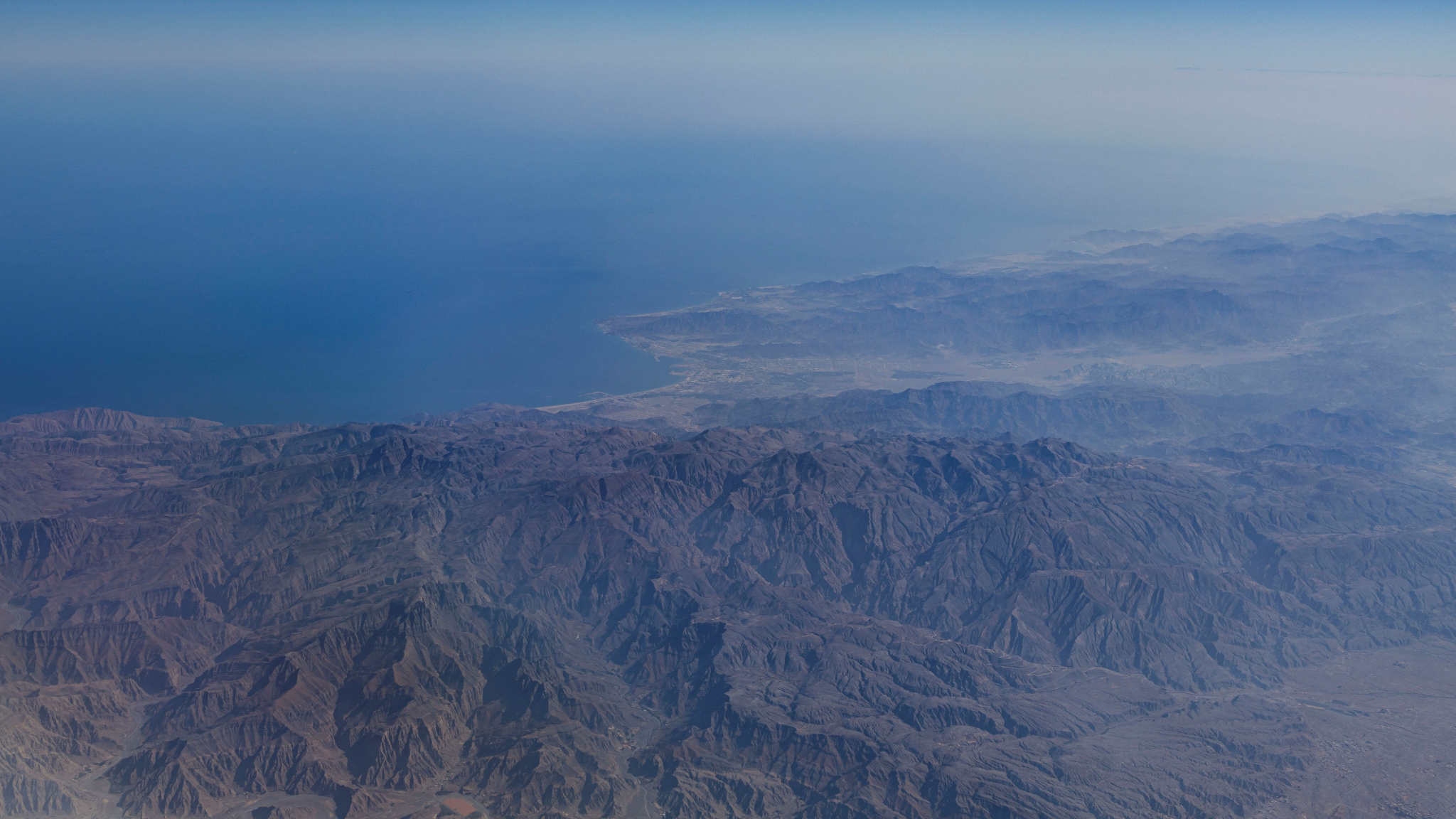
The proposed framework, referred to as the “Maritime Freedom Construct,” would coordinate information sharing, diplomatic engagement and sanctions enforcement to facilitate safe passage for commercial shipping. Several countries, including France and Britain, are reportedly in discussions over potential participation but have signaled support would depend on a cessation of hostilities.
Oil prices have surged to their highest levels in more than four years, with Brent crude briefly exceeding $125 a barrel, driven by supply disruption fears and contract expiry dynamics. Since the beginning of the year, benchmark prices have more than doubled, intensifying inflationary pressures worldwide and raising fuel costs.
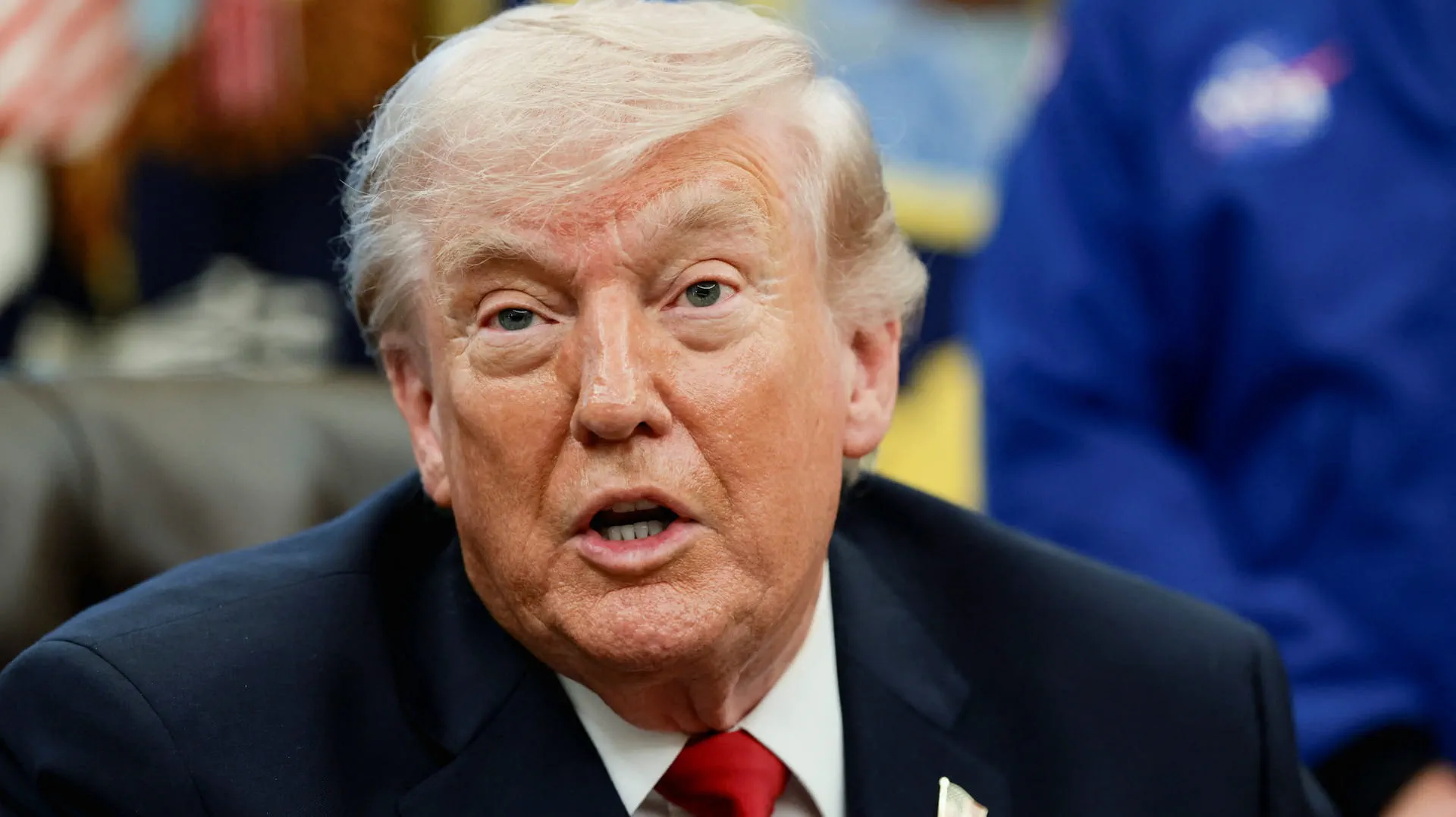
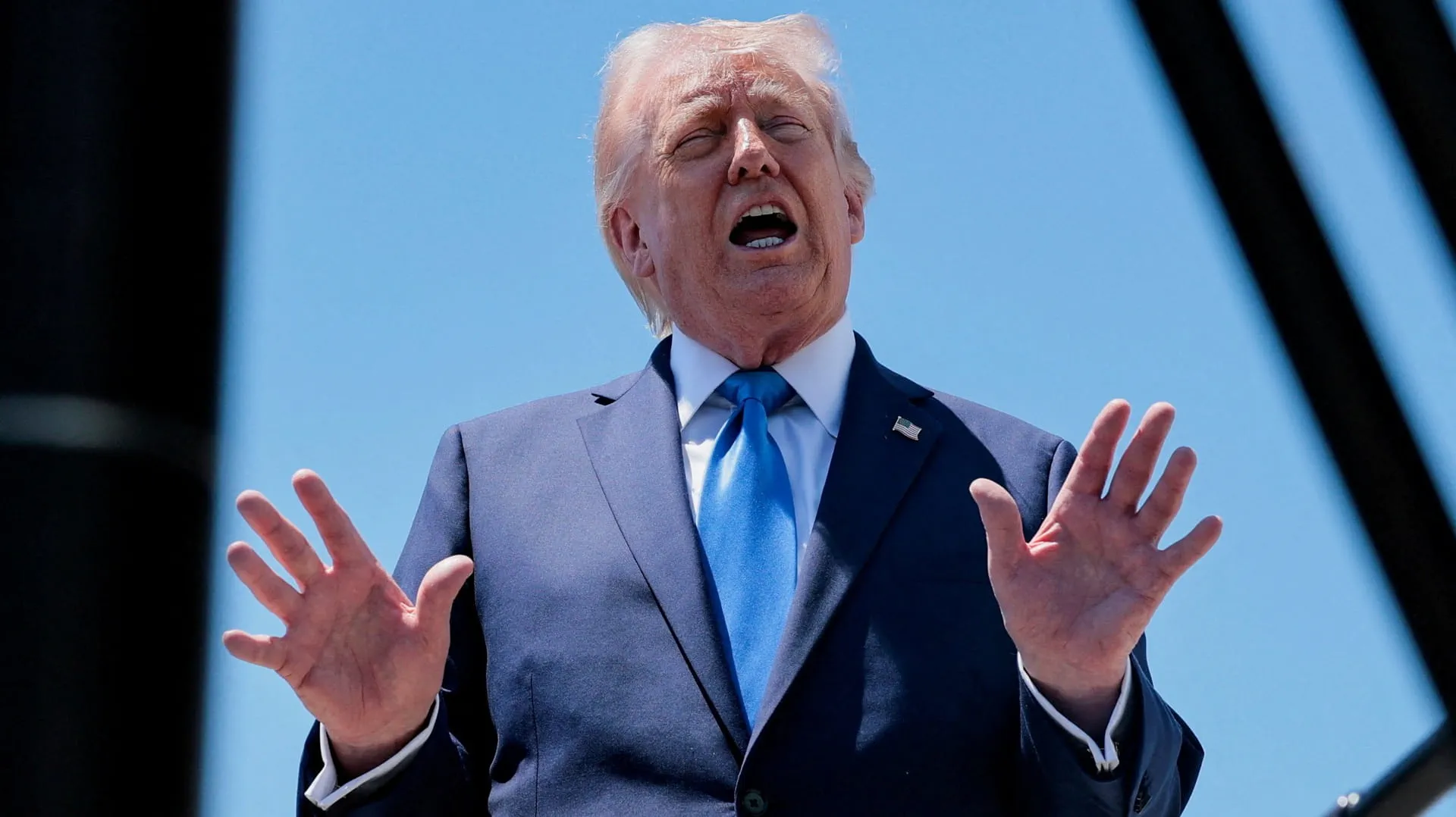
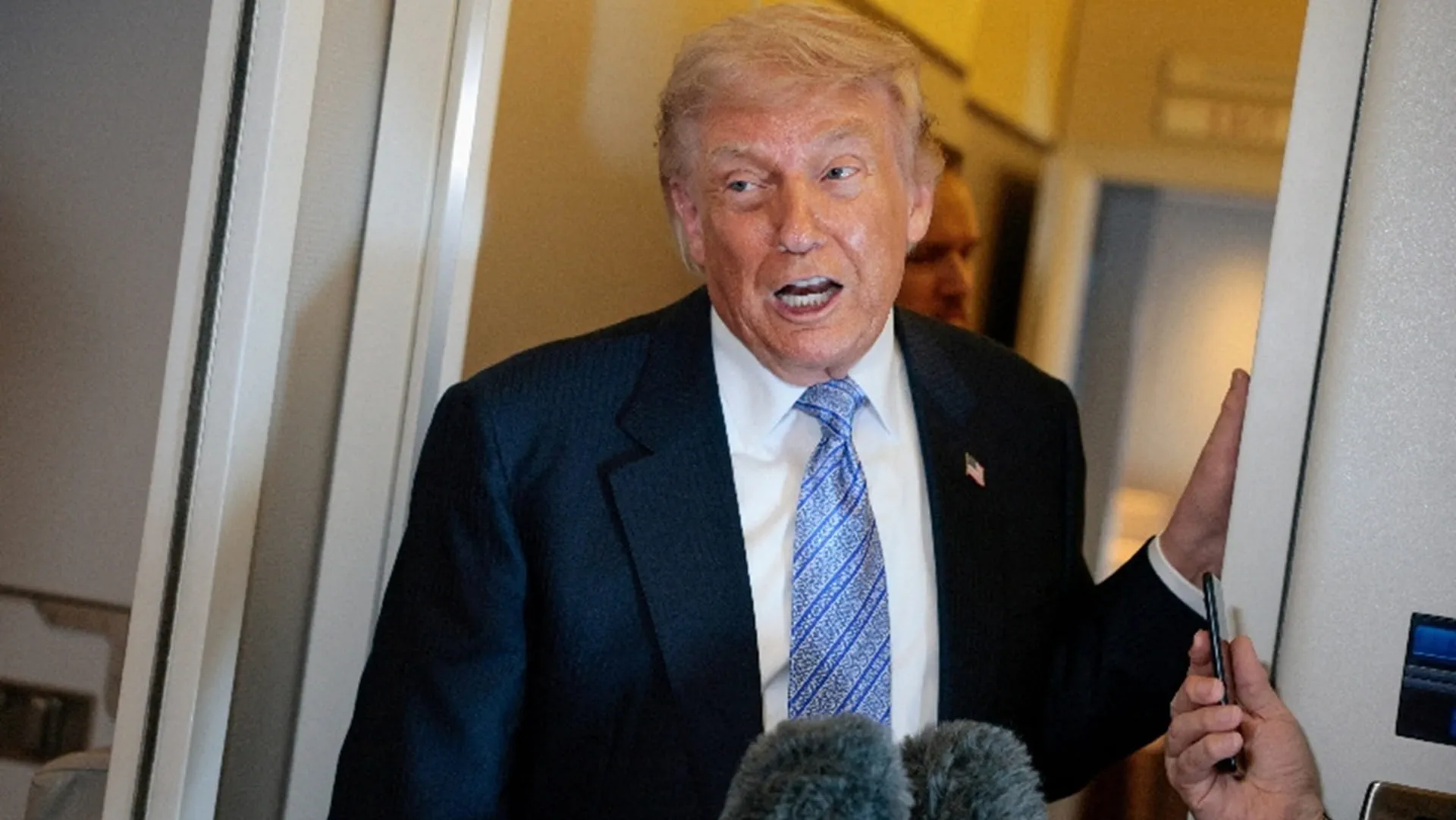
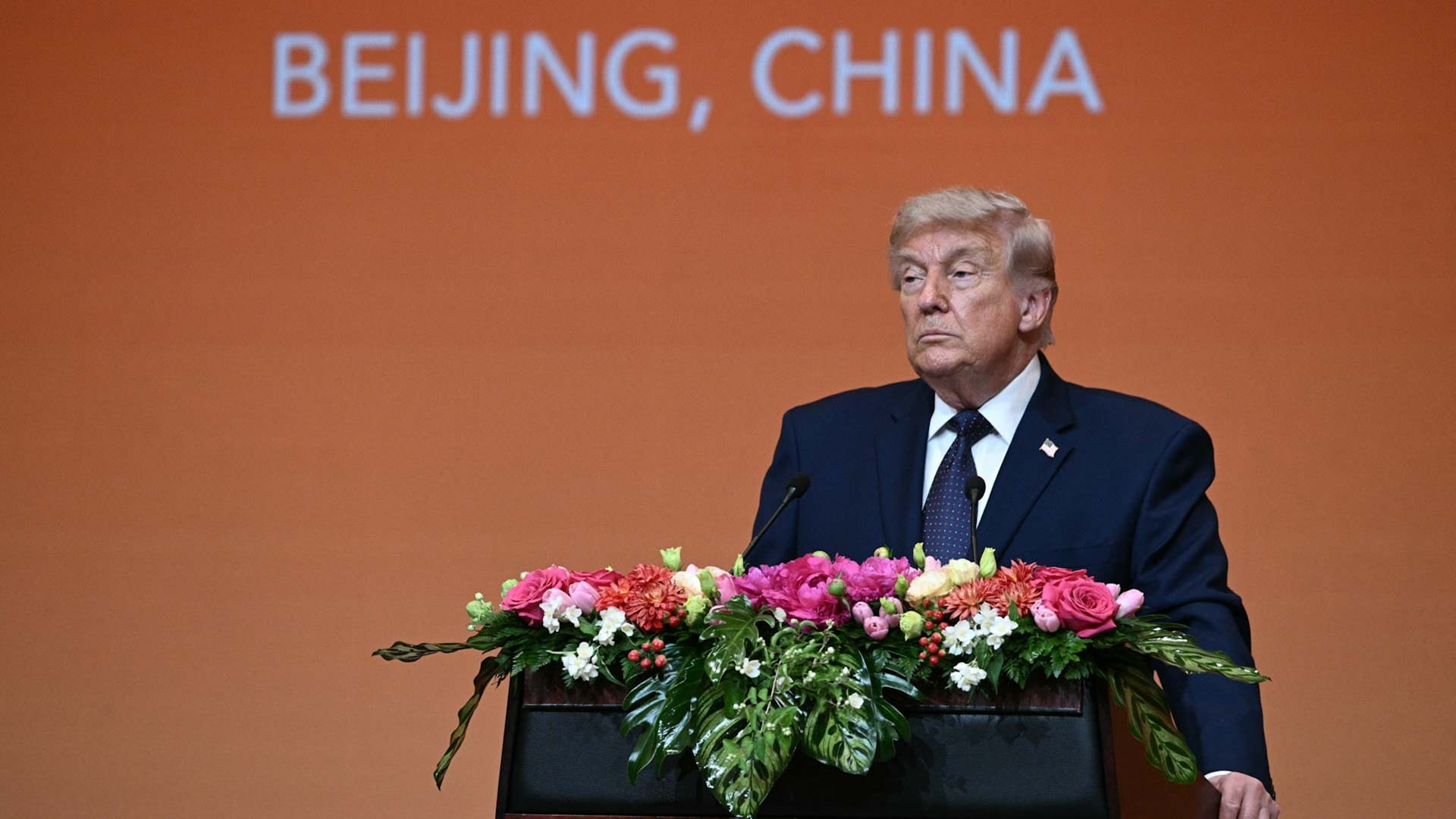
The conflict, now in its second month following U.S. and Israeli strikes on Iran, has resulted in continued disruption to maritime traffic. President Donald Trump, speaking via social media, warned: “They don’t know how to sign a non-nuclear deal. They’d better get smart soon,” alongside a post signaling a tougher stance. Reports also indicate discussions on possible additional military options as negotiations stall.
Iran continues to oppose the blockade, warning of further actions if restrictions persist, while also facing economic stress, including currency depreciation and high inflation. Domestic authorities have intensified security measures, including arrests linked to national security concerns.
Efforts to revive negotiations continue through intermediaries, though both sides remain divided over nuclear-related terms and sequencing.

 For an optimal experience, please
rotate your device to portrait mode.